Alphabet Recognition Extra Challenge ABC Letters Worksheets for 3-Year-Olds
3 filtered results
-
From - To
Discover the fun and engaging "Alphabet Recognition Extra Challenge ABC Letters Worksheets" designed specifically for 3-year-olds! These colorful, interactive worksheets enhance your child’s early literacy skills by encouraging them to identify and recognize each letter of the alphabet. With a variety of activities, including tracing, matching, and coloring, children will enjoy developing their fine motor skills while learning. Ideal for parents and educators, these worksheets make learning letters exciting and easy. Set your little ones on the path to reading success with our expertly crafted activities that foster a love of learning – all while having fun with the ABCs!
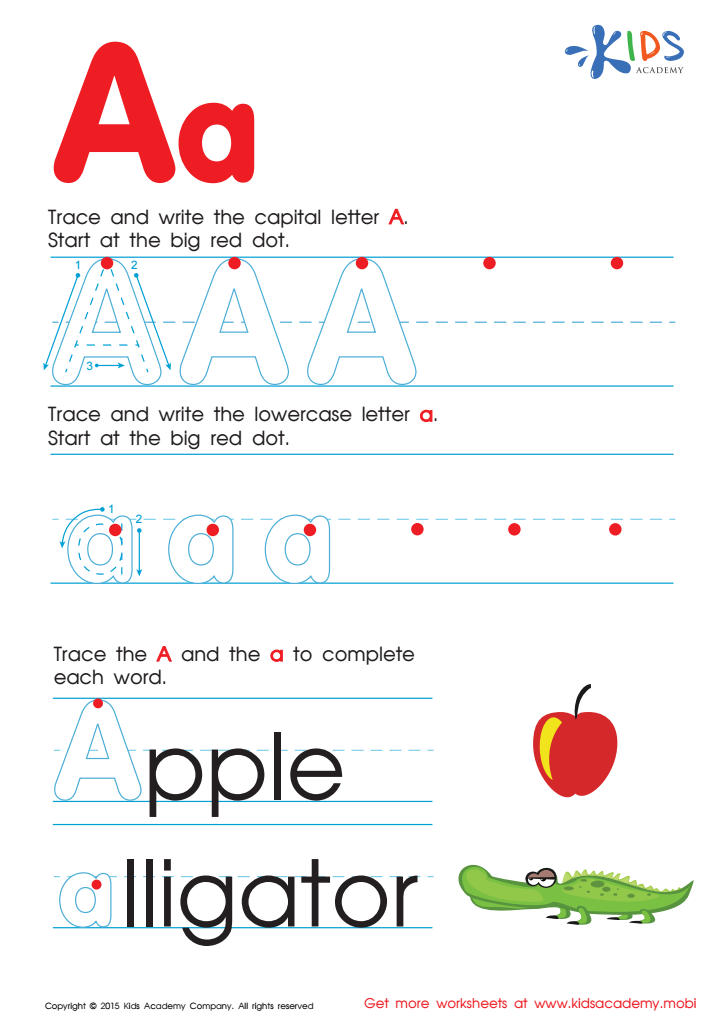
Letter A Tracing Page
 Assign to My Students





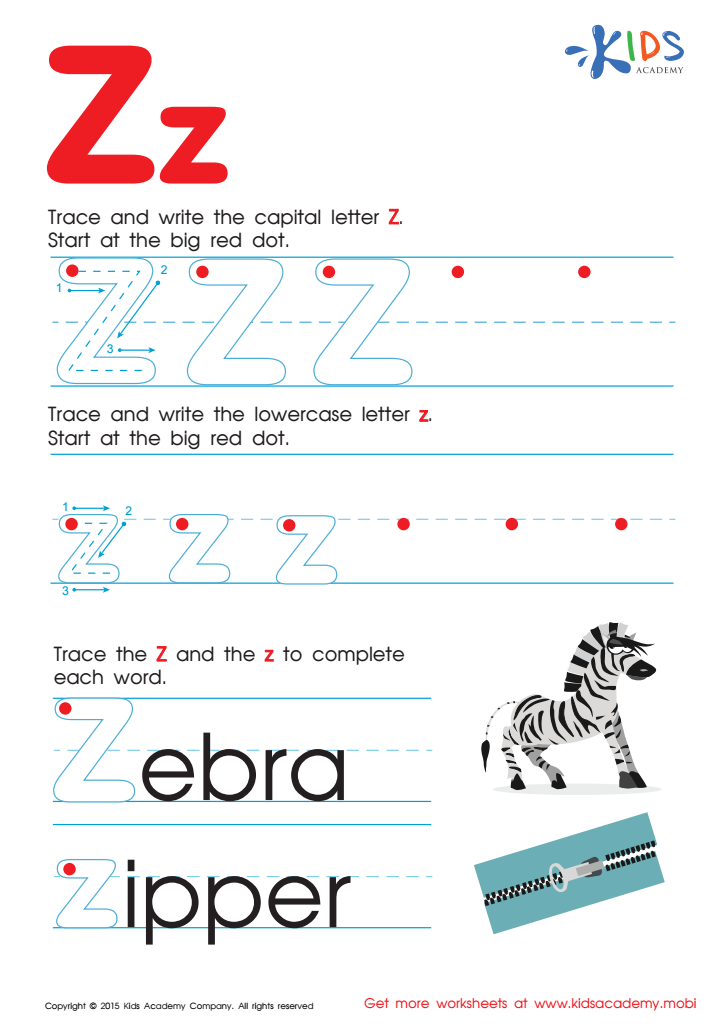
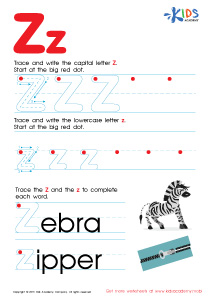
Letter Z Tracing Page
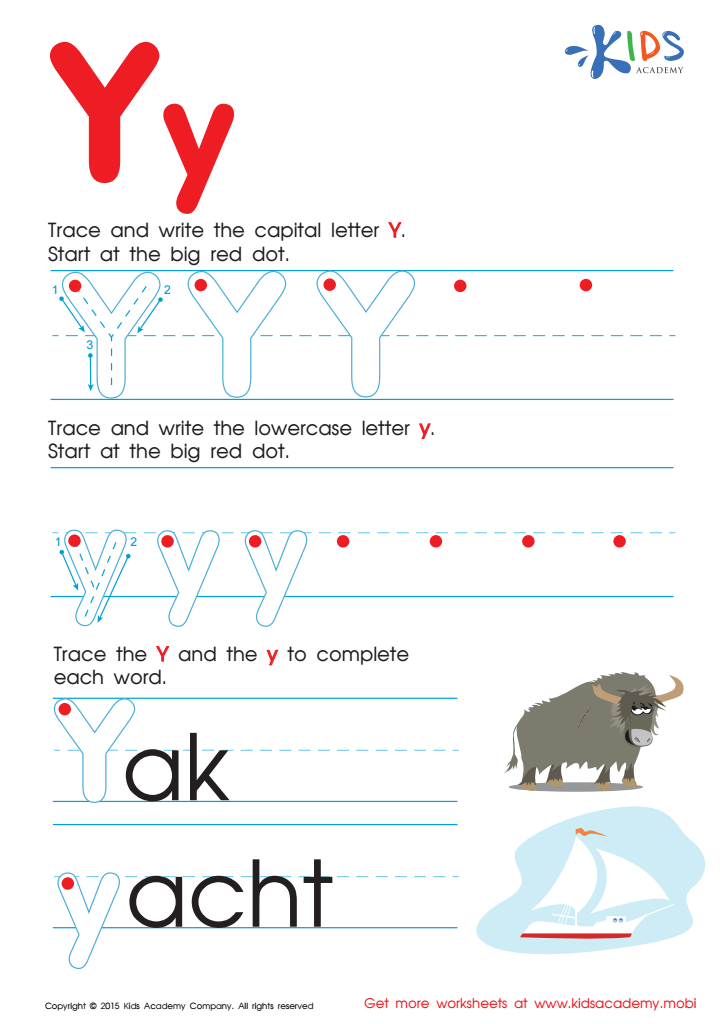
Letter Y Tracing Page






Alphabet recognition is a foundational skill that sets the stage for early literacy and successful learning later in life. For 3-year-olds, engaging in an "Alphabet Recognition Extra Challenge" can greatly enhance their cognitive, language, and social-emotional development. Parents and teachers should care about this initiative for several reasons.
Firstly, mastering the ABCs boosts a child's confidence and prepares them for more complex tasks in reading and writing. Recognizing letters is a crucial first step in learning how to read, and starting this journey early helps instill a lifelong love for literacy.
Additionally, early challenges promote critical thinking and problem-solving skills. The extra challenge encourages children to think creatively about how letters can form words and convey meaning, fostering a deeper understanding of language.
Furthermore, participating in such programs enhances the bonding experience between adults and children. Parents and teachers can work together with kids, offering support and encouragement that strengthen relationships and enhance a child’s social skills.
Ultimately, investing in alphabet recognition not only prepares children for academic success but also enriches their interpersonal growth, making it an essential focus for both parents and educators.