Alphabet Recognition Extra Challenge Letter Recognition Worksheets for 3-Year-Olds
4 filtered results
-
From - To
Unlock your child's potential with our Alphabet Recognition Extra Challenge worksheets, designed specifically for 3-year-olds! These engaging activities focus on enhancing letter recognition skills in a fun and interactive way. Each worksheet provides colorful illustrations and captivating exercises that encourage creativity and critical thinking as young learners identify and practice uppercase and lowercase letters. Perfect for educators and parents alike, these extra challenge worksheets will help your little one solidify their alphabet knowledge while keeping them motivated and excited about learning. Start this educational adventure today and watch your child thrive as they become confident in their letter recognition skills!
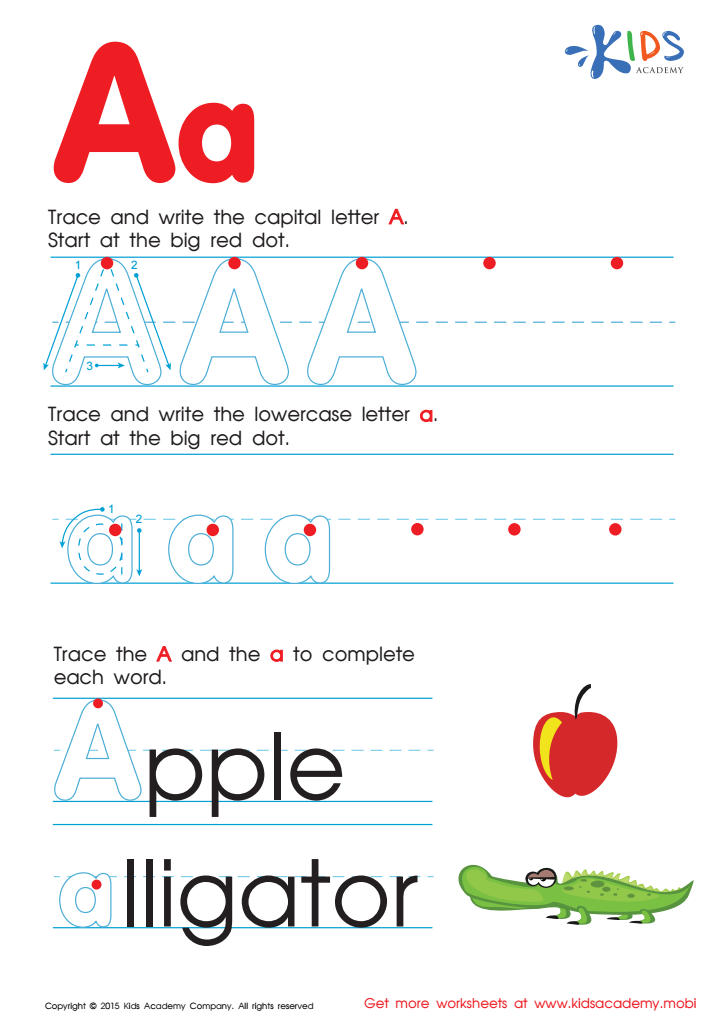
Letter A Tracing Page
 Assign to My Students
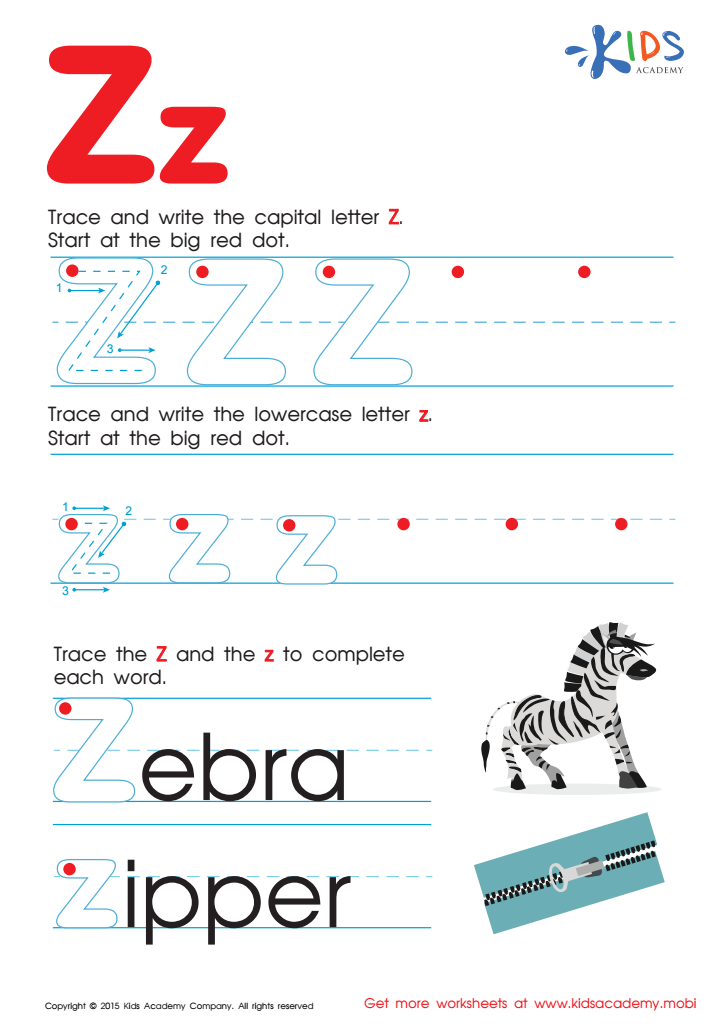
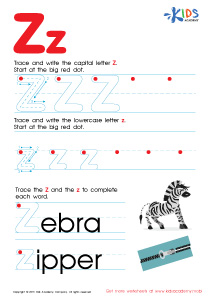
Letter Z Tracing Page
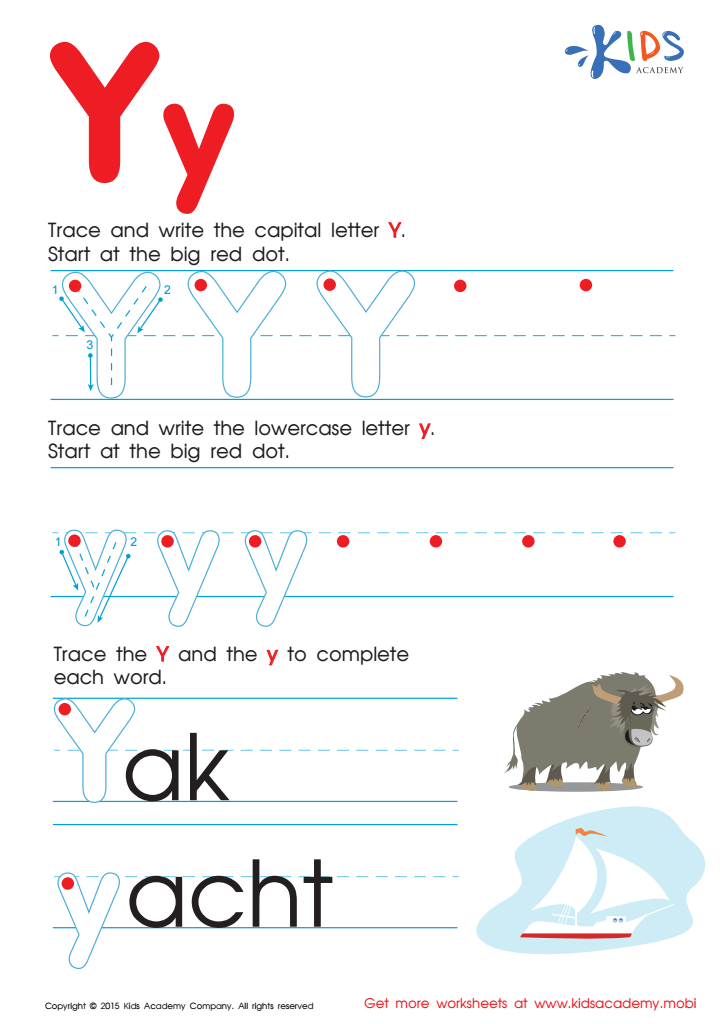
Letter Y Tracing Page
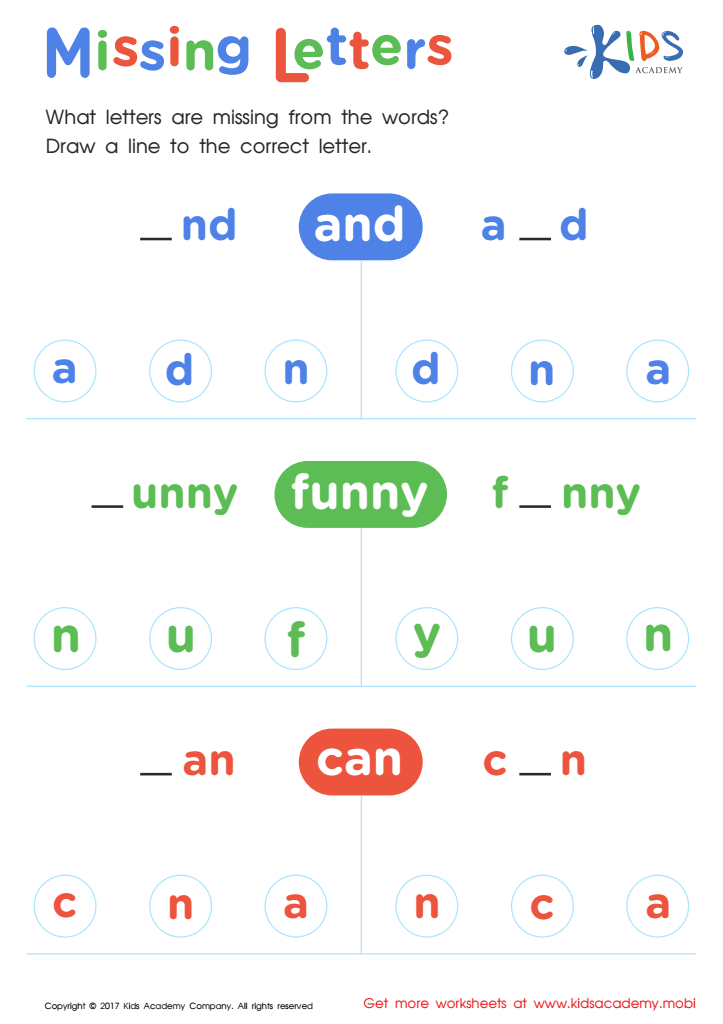
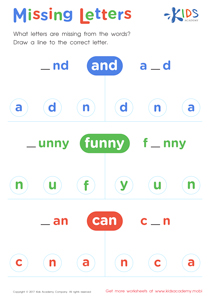
Missing Letters Worksheet








Alphabet recognition is a crucial foundational skill for young children, particularly for 3-year-olds, as it sets the stage for successful reading and writing development. Parents and teachers should prioritize “Extra Challenge Letter Recognition” exercises because they enhance cognitive skills and boost a child's familiarity with letters beyond the standard curriculum.
Engaging children in letter recognition activities can ignite their curiosity and love for learning. Extra challenges can motivate children to explore letters in diverse contexts, such as identifying letters in their names, environments, or through fun games and crafts. This approach allows children to learn at their own pace while fostering self-esteem when they master new skills.
Moreover, early exposure to letter recognition plays a significant role in language development. When children recognize letters and understand their phonetic sounds, they are better equipped to develop vocabulary, phonemic awareness, and ultimately, reading skills. Early mastery of these skills helps build a strong foundation, making the transition to more complex literacy activities smoother and more enjoyable.
In summary, parents and teachers should care about enhancing letter recognition among 3-year-olds, as it cultivates essential skills crucial for lifelong learning and literacy success. Investing time in these activities promotes a positive learning environment that encourages exploration and discovery.