Vocabulary expansion Extra Challenge Vowels Worksheets for 3-Year-Olds
4 filtered results
-
From - To
Discover our Vocabulary Expansion Extra Challenge Vowels Worksheets designed specifically for 3-year-olds! These engaging and interactive worksheets focus on enhancing your child's understanding of vowels while expanding their vocabulary. Each activity includes vibrant visuals and captivating exercises that encourage letter recognition and sound association, making learning fun and effective. Our carefully crafted tasks foster critical thinking skills, helping young learners connect words with images, enhancing their language development. Perfect for at-home learning or classroom use, these worksheets support early literacy skills in an enjoyable way. Start your child’s vocabulary journey today and watch them thrive in their language abilities!
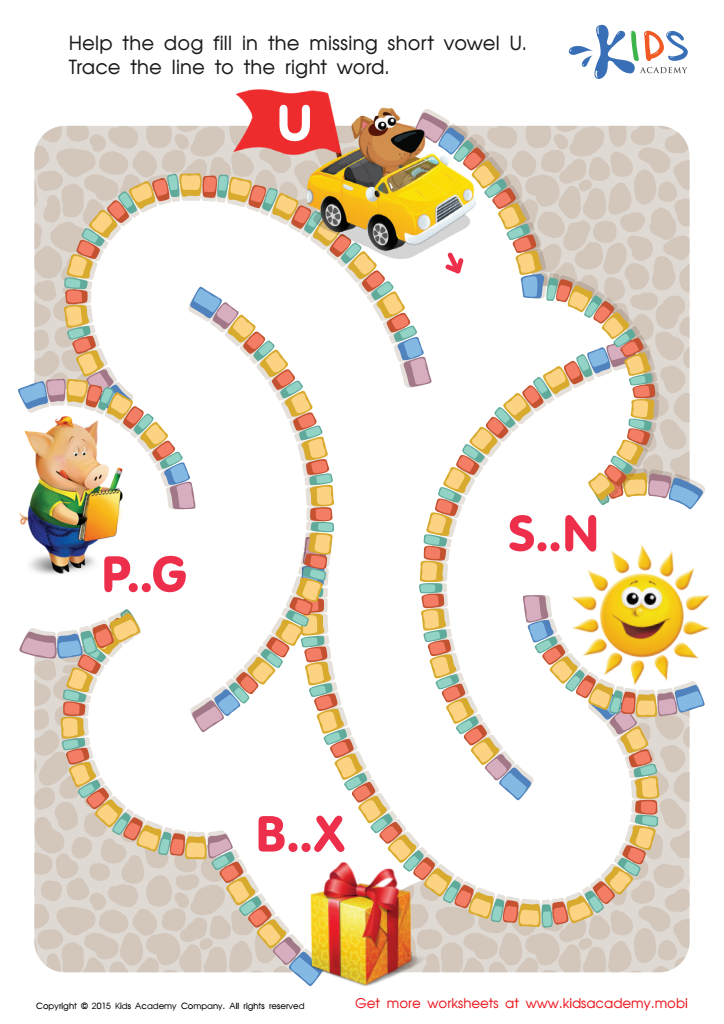
Short Vowel Sound U Worksheet
 Assign to My Students
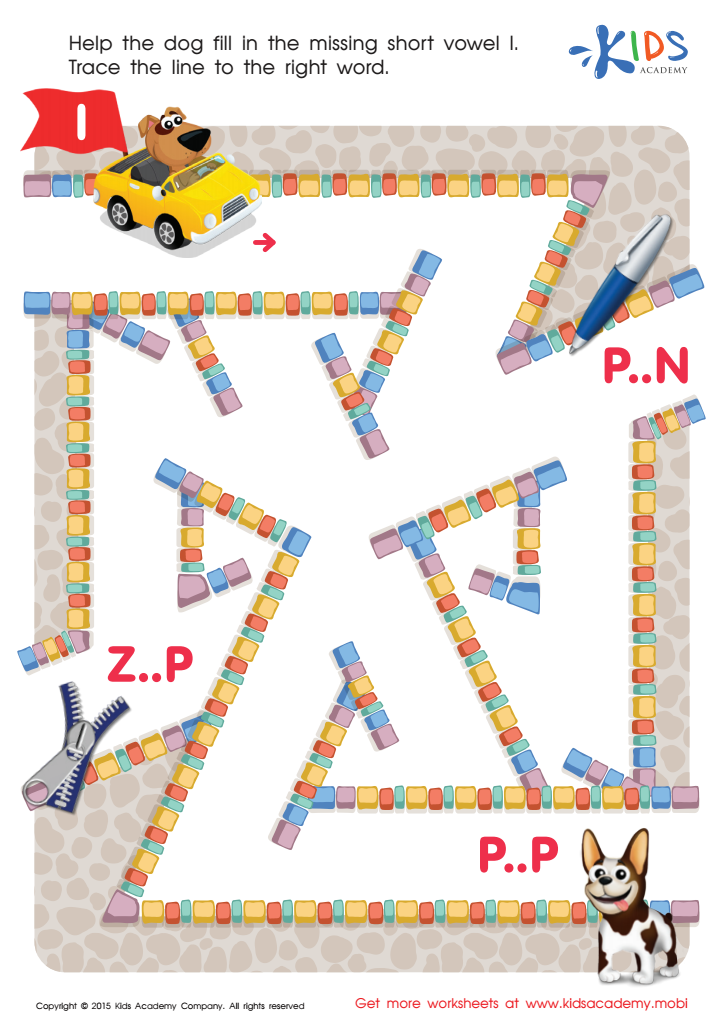
Short Vowel Sound I Worksheet
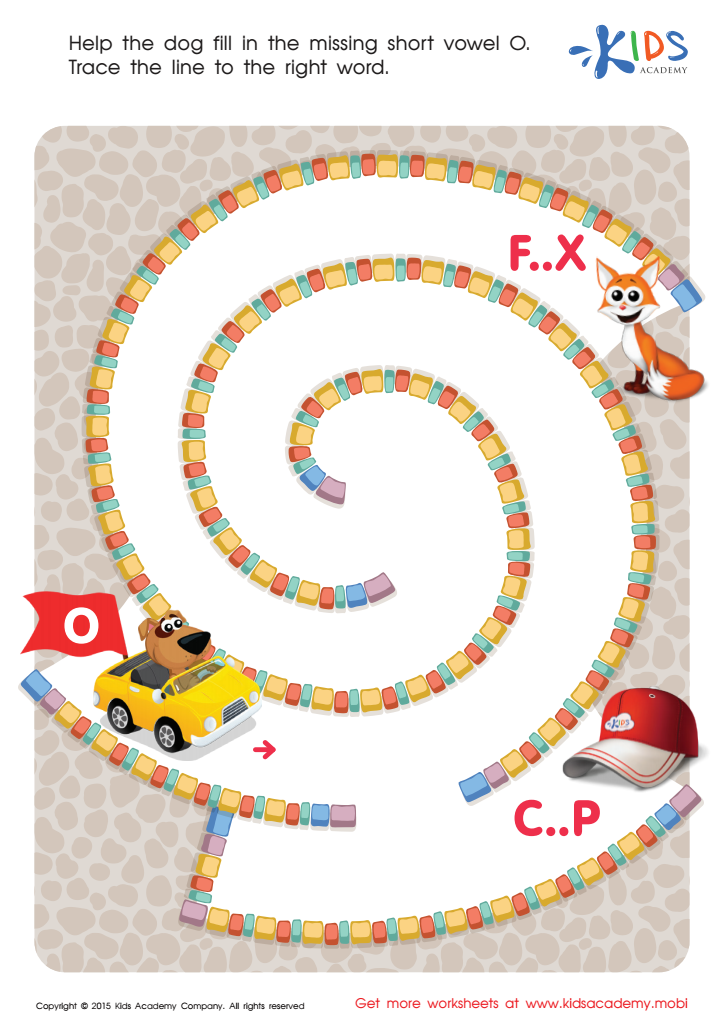
Short Vowel Sound O Worksheet
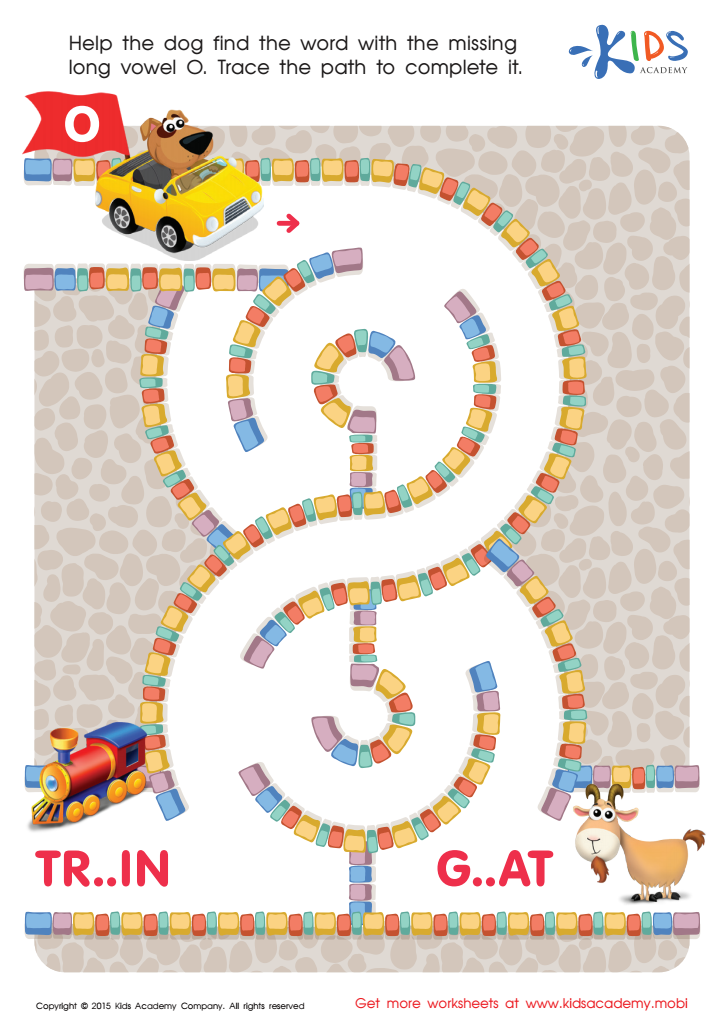
Long Vowel Sound O Worksheet





Vocabulary expansion in 3-year-olds, especially through activities such as “Extra Challenge Vowels,” is crucial for their cognitive and social development. At this age, children are incredibly receptive to language, and expanding their vocabulary lays the foundation for communication skills, literacy, and overall academic success. Engaging activities that focus on vowel sounds help children recognize and articulate words more effectively, fostering confidence in their speaking abilities.
Moreover, a rich vocabulary enhances children's comprehension and expression. It allows them to better articulate their thoughts, feelings, and needs, which is essential for building relationships and fostering social skills. Activities that encourage vowel discrimination also stimulate phonemic awareness, a precursor to reading skills.
Parents and teachers should care about vocabulary expansion because it significantly impacts a child's future learning journey. Those with a strong vocabulary base tend to perform better in school, have more enhanced problem-solving skills, and demonstrate greater creativity. Additionally, learning at such a young age can increase enthusiasm for exploration and inquiry. By integrating fun vocabulary challenges like "Extra Challenge Vowels," educators and parents can create a positive, engaging learning environment that encourages lifelong language growth.