Alphabet Recognition Extra Challenge English for Beginners Worksheets for 3-Year-Olds
3 filtered results
-
From - To
Boost your child's alphabet recognition skills with our "Alphabet Recognition Extra Challenge Worksheets" designed specifically for 3-year-olds! These engaging worksheets foster early English learning for beginners, making letter recognition fun and interactive. Each activity promotes visual discrimination and letter familiarity, ensuring your little one builds a strong foundation in language. From tracing letters to matching them with fun images, our user-friendly format encourages independent learning while sparking curiosity. Perfect for home or classroom use, these worksheets cater to young learners, helping them progress at their own pace. Start your child's educational journey today with our alphabet recognition challenges!
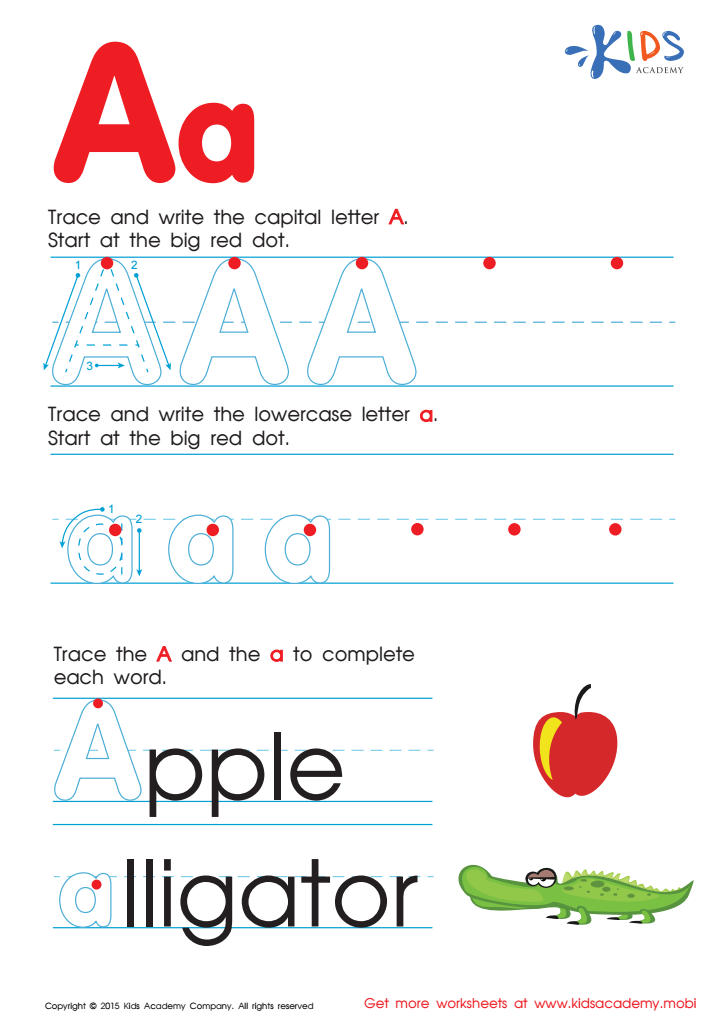
Letter A Tracing Page
 Assign to My Students
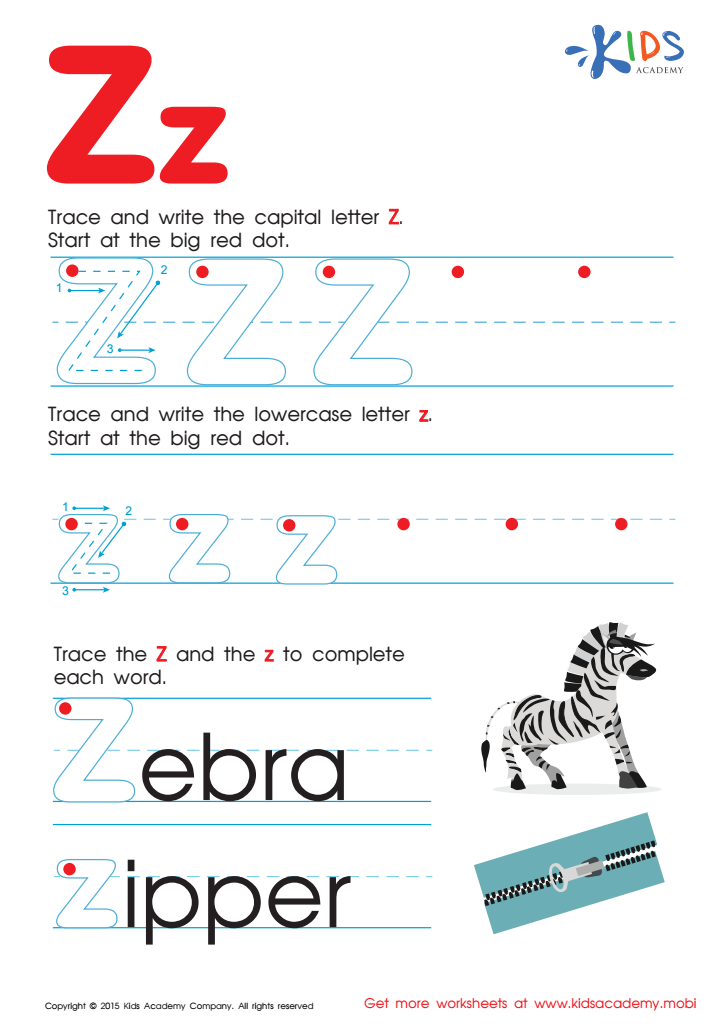
Letter Z Tracing Page
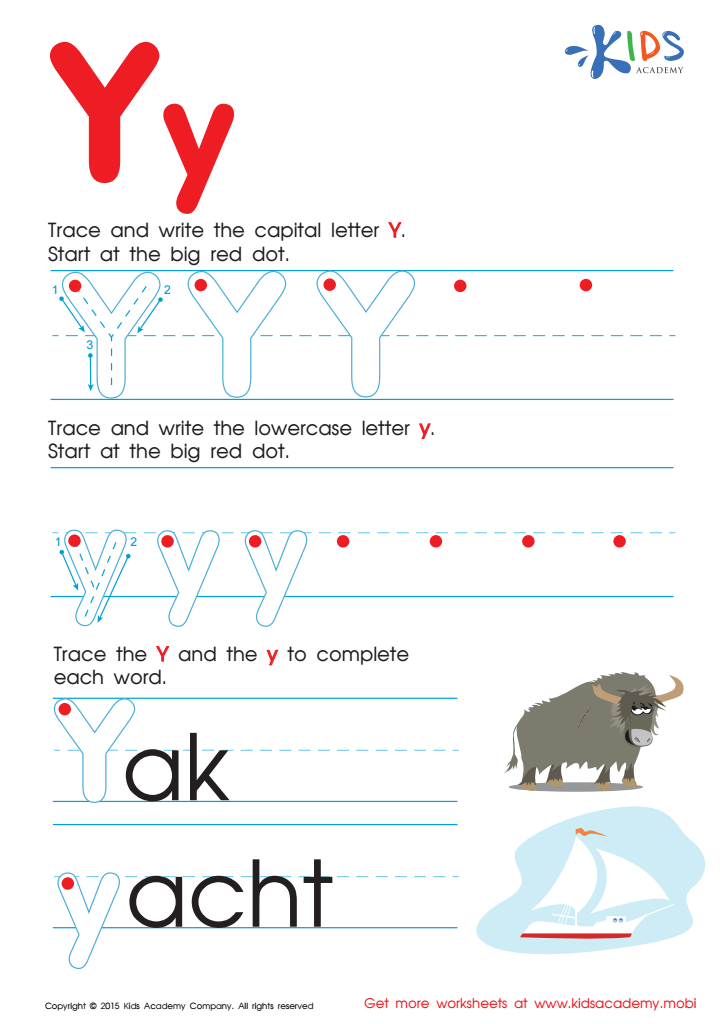
Letter Y Tracing Page




Alphabet recognition is a foundational skill for young children, laying the groundwork for their literacy development. For 3-year-olds, engaging in an "Alphabet Recognition Extra Challenge" can be particularly beneficial. Parents and teachers should care about this initiative for several reasons.
Firstly, early exposure to the alphabet fosters cognitive development as children learn to identify letters, sounds, and corresponding words, facilitating their language acquisition. This early influence can enhance vocabulary and comprehension, skills that are crucial for future learning.
Secondly, participating in fun and interactive alphabet activities can make the learning process enjoyable. This enthusiasm for learning can develop a lifelong passion for reading and writing. The challenge format can also motivate children by providing incremental goals and rewards, reinforcing a sense of achievement and confidence.
Moreover, emphasizing alphabet recognition supports social skills, as children often engage in group activities or share their learning experiences with peers and caregivers. This enhances teamwork and communication skills essential for their social development.
Ultimately, prioritizing alphabet recognition through engaging initiatives helps ensure that children are well-prepared for their educational journey, setting them up for success in school and beyond. Parents and teachers play pivotal roles in nurturing these crucial early literacy skills.








