Hand-eye Coordination Extra Challenge Worksheets for 3-Year-Olds
5 filtered results
-
From - To
Looking to enhance your 3-year-old's fine motor skills? Our Hand-eye Coordination Extra Challenge Worksheets are specially designed for young learners to develop precise control and dexterity. These engaging activities boost visual tracking, improve hand-eye coordination, and encourage focus, providing an excellent foundation for writing skills and other everyday tasks. Fun and challenging, our worksheets combine playful exercises with educational benefits, ensuring your child is both entertained and learning. Perfect for preschoolers ready to take on new challenges, these meticulously crafted prints are a valuable addition to your child's daily learning routine. Help your child excel with Kids Academy today!

Letter A Tracing Page
 Assign to My Students
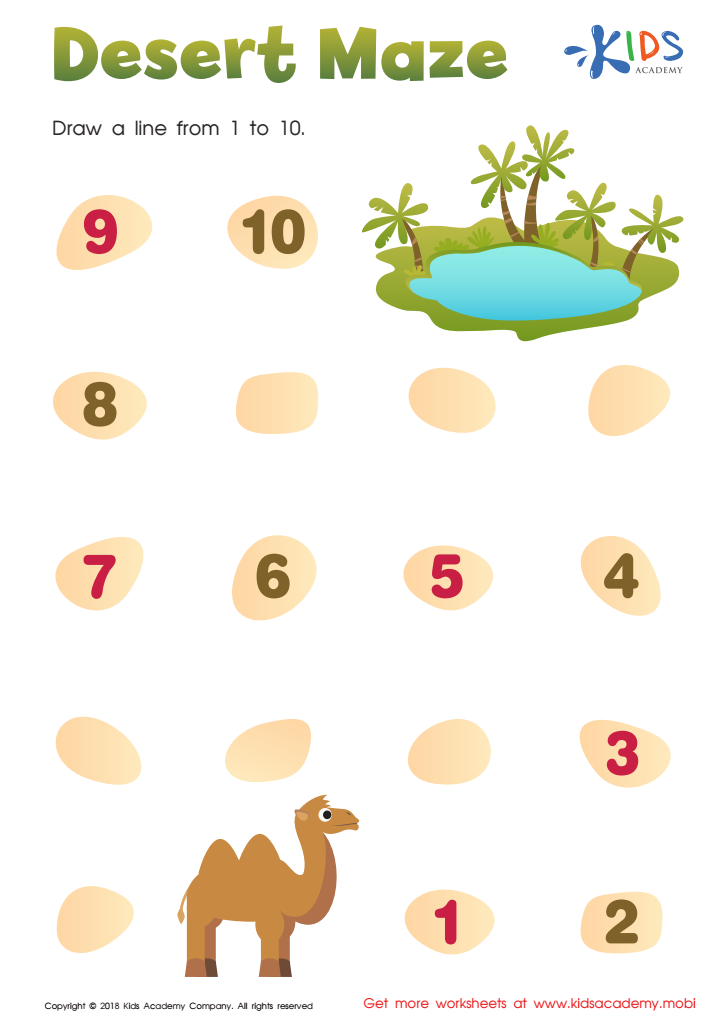
Desert Maze Worksheet
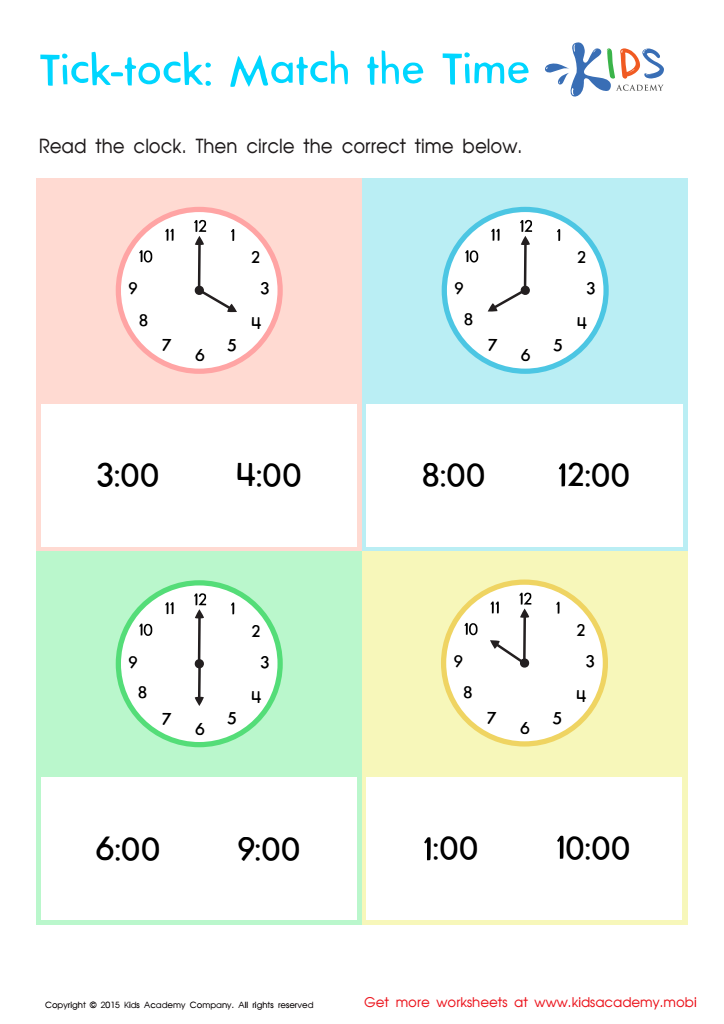
Telling The Time Worksheet: Part 4
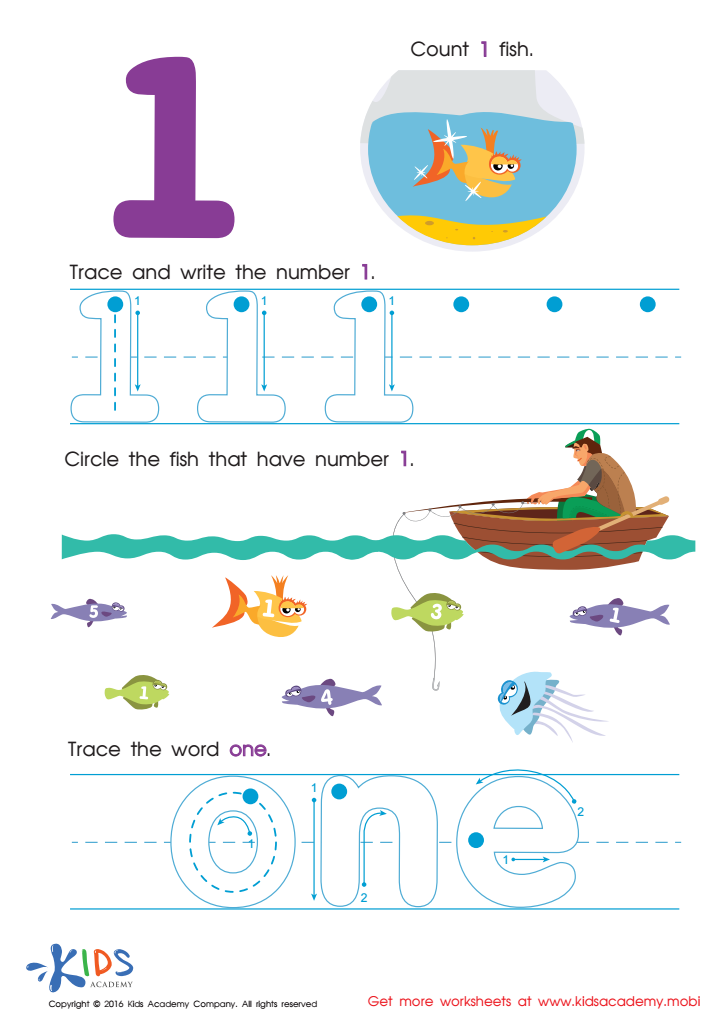
Learning to Write 1 Worksheet
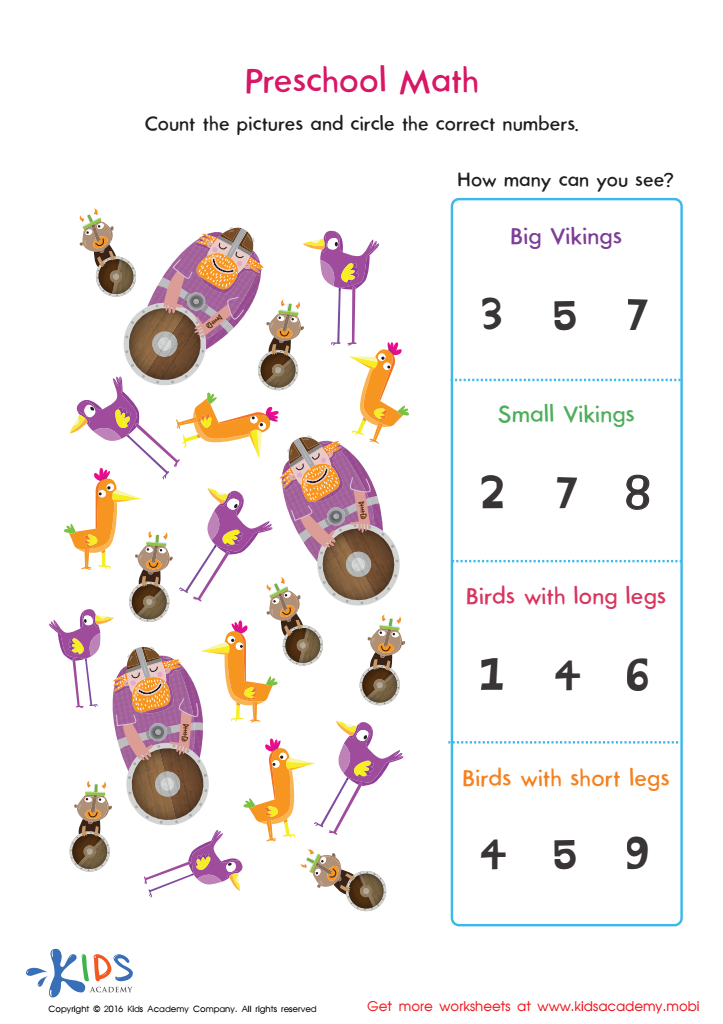




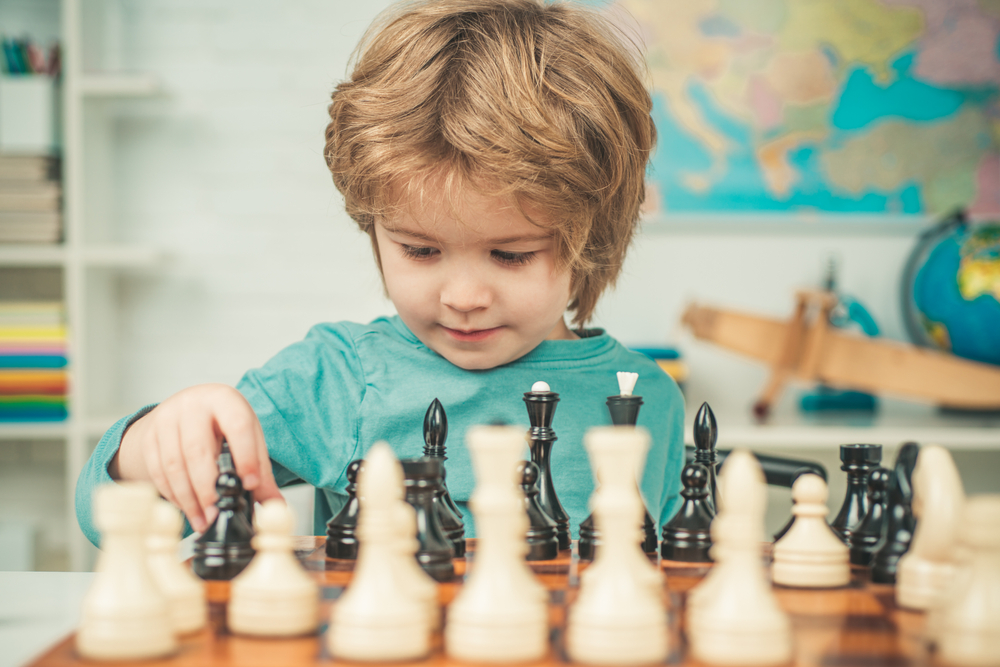



Hand-eye coordination is a fundamental skill that plays a crucial role in a child’s development, especially at the age of three. This skill involves synchronizing visual information with hand movements, which is essential for everyday activities such as eating, dressing, and playing. Enhancing hand-eye coordination through extra challenges offers multiple benefits to young children.
Firstly, improving hand-eye coordination helps in the development of fine motor skills. Activities like stacking blocks, threading beads, and drawing require precise hand movements guided by visual input. These exercises strengthen the small muscles in the hands and improve dexterity, which is foundational for writing and other school-related tasks in the future.
Secondly, better hand-eye coordination supports cognitive development. When children engage in activities that require this skill, they are also learning problem-solving, attention to detail, and spatial awareness. For example, catching a ball or fitting a shape into the correct slot helps them understand cause and effect, and improves their focus and concentration.
Finally, these activities enhance a child’s confidence and independence. As they become more adept at tasks that require coordination, they are more likely to engage in new and varied activities, fostering a sense of accomplishment and independence.
In conclusion, parents and teachers should prioritize hand-eye coordination challenges for 3-year-olds to nurture their motor skills, cognitive abilities, and independence, laying a solid foundation for future learning and development.








