Observational skills Extra Challenge Worksheets for Ages 4-5
3 filtered results
-
From - To
Boost your child's observational skills with our Extra Challenge Worksheets designed for ages 4-5! These engaging printable worksheets offer fun and interactive activities that encourage young learners to hone their attention to detail, improve memory recall, and enhance critical thinking. Your child will enjoy a range of exercises, including spotting differences, matching items, and following patterned sequences. Perfect for at-home learning or classroom use, these worksheets are tailored to challenge their observation abilities in a delightful way. Foster a love for learning while building essential cognitive skills. Explore our collection today and watch your child sharpen their understanding of the world around them!
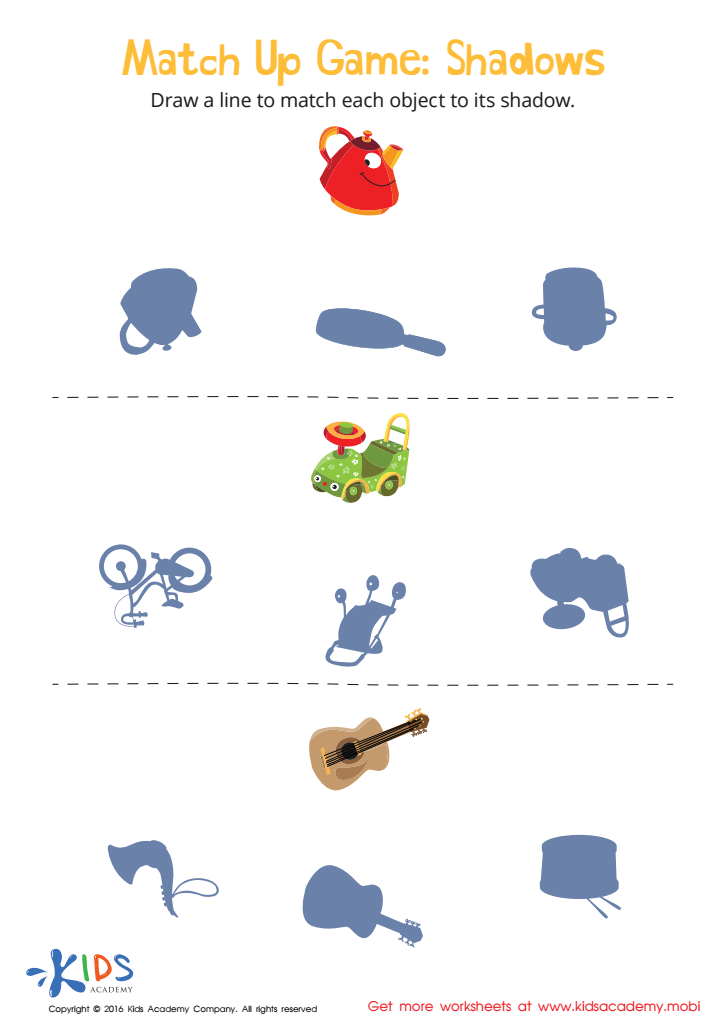
 Assign to My Students
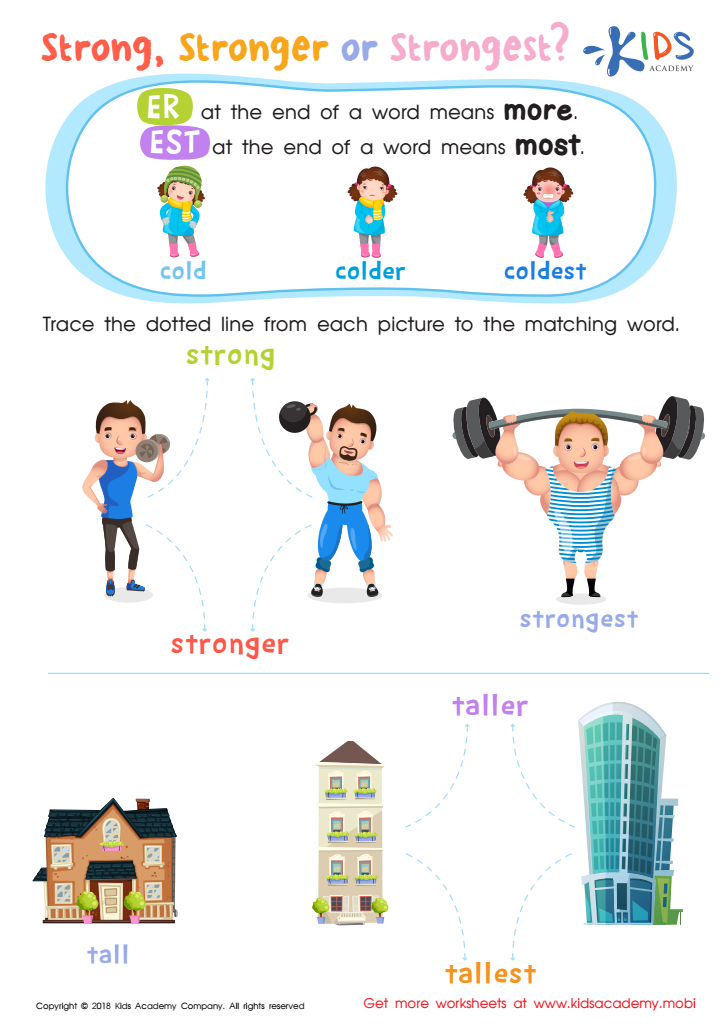
Strong or Stronger? Worksheet
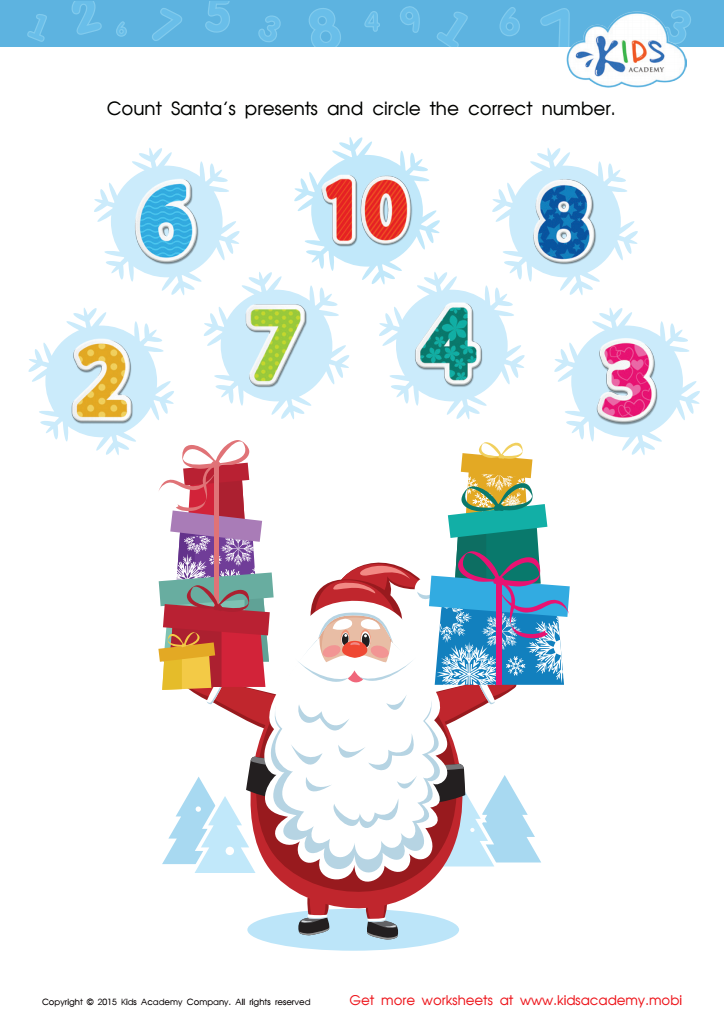
Count Santa's Presents Worksheet




.jpg)


Observational skills are crucial for young children, particularly between the ages of 4 and 5, as they form the foundation for learning and development. Enhancing these skills enables children to make sense of their environment, fostering critical thinking and problem-solving abilities. When parents and teachers prioritize observational skills, they empower children to explore, question, and interact with the world around them.
These skills stimulate curiosity, essential for cognitive growth, and aid in developing language abilities. As children learn to notice details, differences, and patterns, they also enhance their ability to communicate their observations effectively. This early stage is vital for nurturing social-emotional skills, as observing others can improve empathy and understanding.
Additionally, observational skills contribute to academic success. When children can discern and analyze information, they become more effective learners in subjects like science and mathematics, where observation is key. The “Extra Challenge” activities designed for this age group encourage playful exploration that keeps children engaged while enhancing their observational capacities.
Ultimately, supporting observational skills in early childhood prepares children for lifelong learning and adaptability, equipping them with the tools they need to thrive both in school and in everyday life. This investment in their early development pays dividends for their future.








