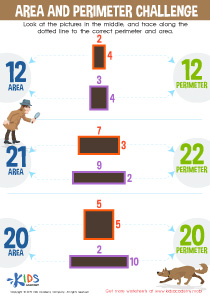
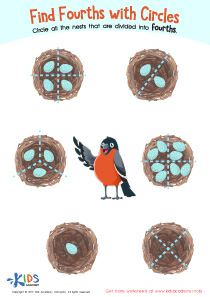
Cognitive Development Extra Challenge 2D Shapes Worksheets for Ages 4-5
3 filtered results
-
From - To
Introduce your little learner to the world of geometric fun with our "Cognitive Development Extra Challenge 2D Shapes Worksheets for Ages 4-5". Specifically designed to enhance your child’s cognitive skills, these worksheets teach the identification and differentiation of 2D shapes through engaging and challenging activities. Each worksheet offers a mix of puzzles, matching games, and tracing exercises aimed at improving spatial awareness, logical thinking, and fine motor skills. Perfect for preschool and kindergarten students, our worksheets make learning an enjoyable adventure while laying the foundation for future math success. Jumpstart your child’s cognitive development journey today!
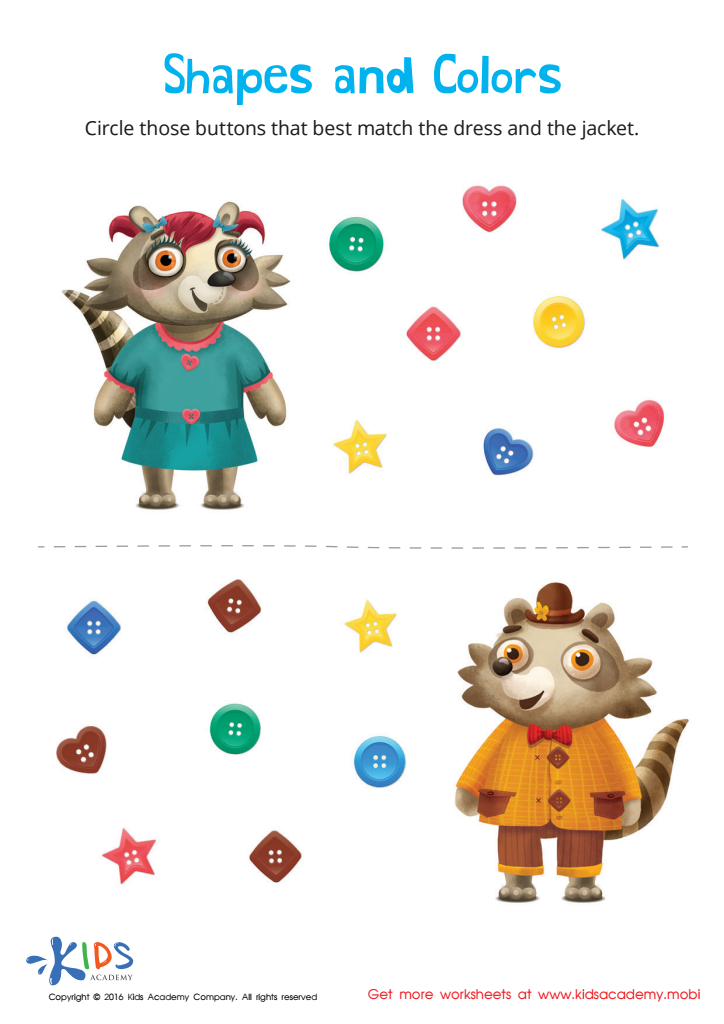
Matching: Shapes and Colors Worksheet
 Assign to My Students











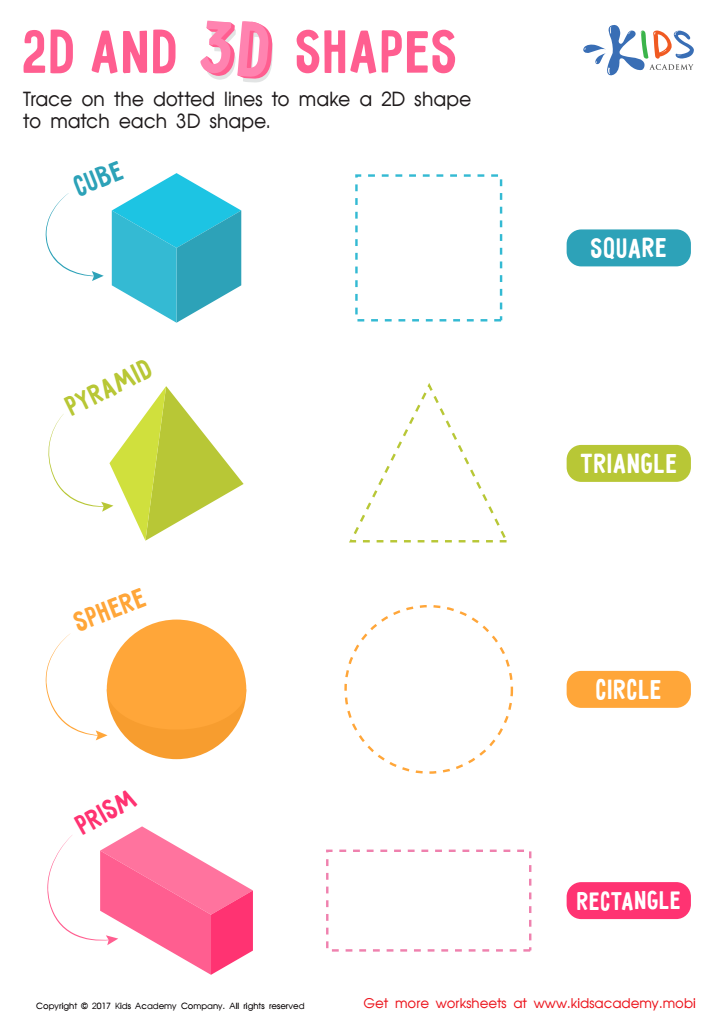
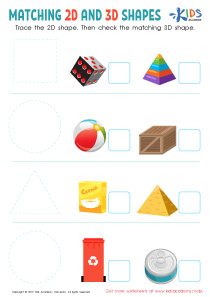
2D and 3D Shapes Worksheet
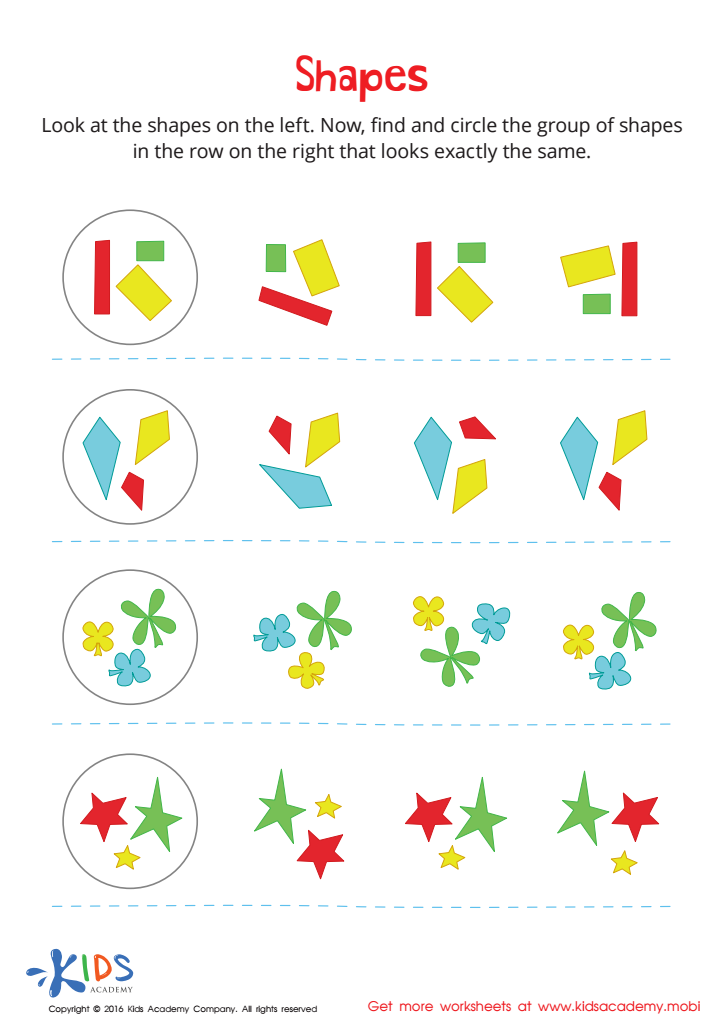
Shapes Worksheet








Cognitive Development Extra Challenge activities centered on 2D shapes for ages 4-5 are crucial for early childhood education because they lay the foundational skills for more complex mathematical and spatial reasoning in later stages. At this developmental stage, children are rapidly expanding their understanding of the world. Engaging with 2D shapes not only enhances their recognition and categorization abilities but also develops critical thinking skills such as problem-solving, attention to detail, and pattern recognition.
Furthermore, exploring 2D shapes boosts language and communication skills as children learn to describe properties of shapes, compare and contrast them, and follow intricate instructions. This kind of activity fosters creativity, as it encourages children to see familiar objects in new ways and to think about how shapes fit together in both two-dimensional and three-dimensional spaces.
Parents and teachers should also consider these activities because they build fine motor skills. Simple tasks like drawing shapes or cutting them out require precise hand-eye coordination. These foundational activities in mathematics form the bedrock for future topics like geometry, arithmetic, and even helps develop digital literacy for navigating the digital tools by understanding screen-based representations.
Investing in cognitive development through engaging 2D shapes challenges significantly benefits children’s intellectual growth, readiness for school, and overall confidence in learning new concepts.