Understanding patterns Extra Challenge Math Worksheets for Ages 4-5
3 filtered results
-
From - To
Unlock the world of patterns with our "Understanding Patterns Extra Challenge Math Worksheets" designed for children aged 4-5! These engaging and thoughtfully crafted worksheets enhance early math skills by introducing young learners to recognizing, creating, and extending patterns. Each worksheet includes vibrant visuals and interactive activities that keep children motivated and eager to learn. Perfect for extra practice at home or in the classroom, our extra challenges promote critical thinking and problem-solving skills. Let your little ones explore the joy of math while building a strong foundation in understanding patterns! Download now for a fun and educational experience!
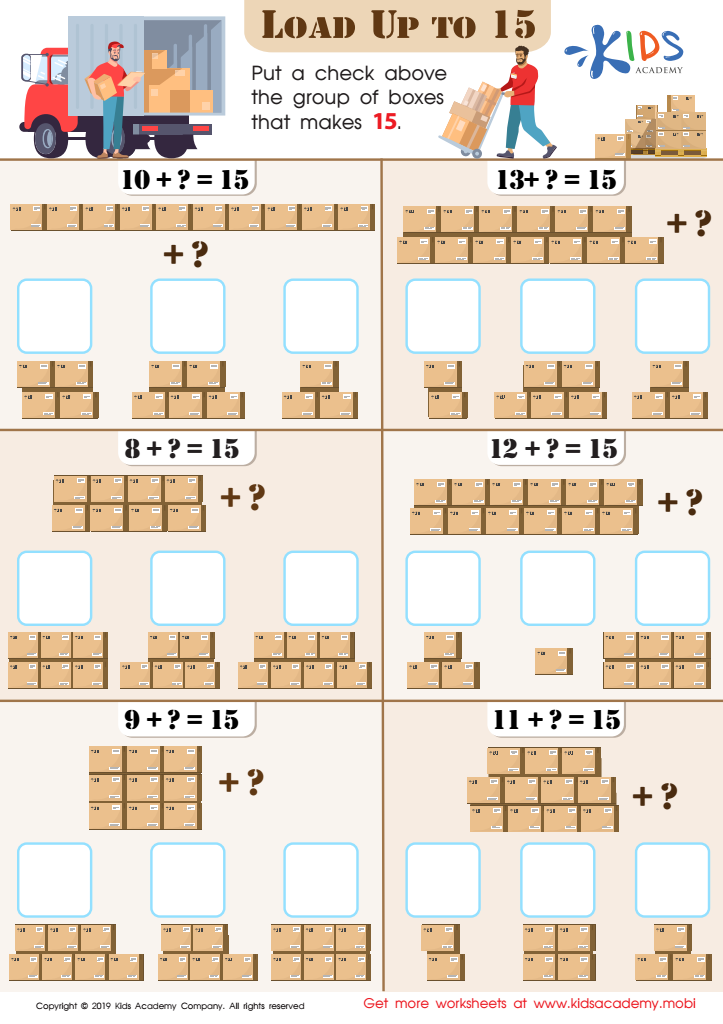
Load up to 15 Worksheet
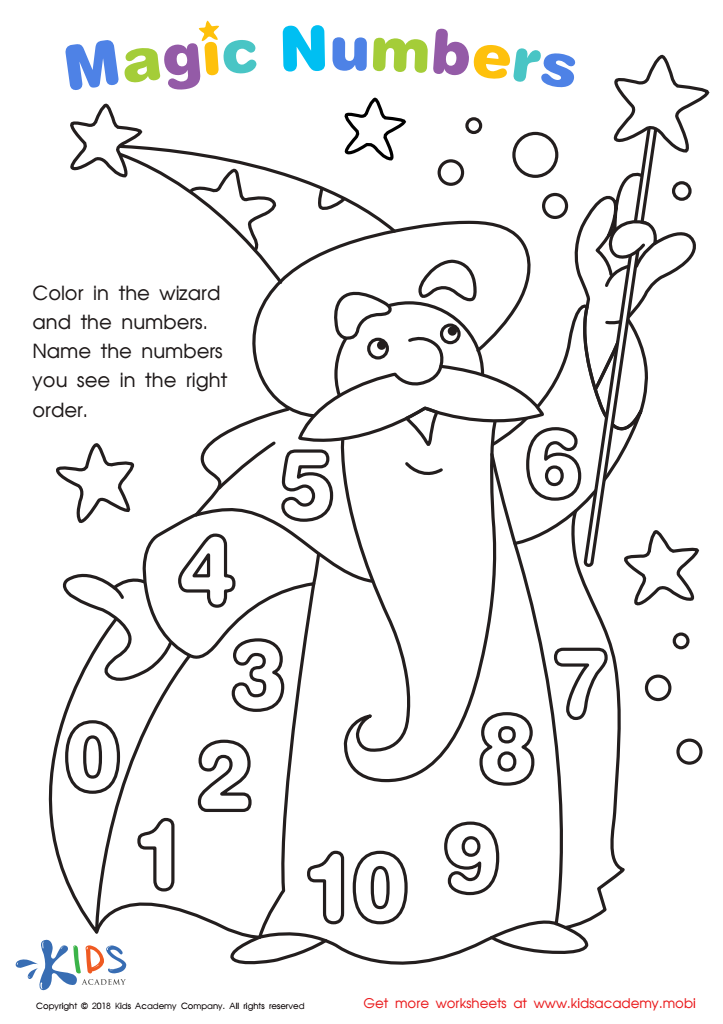
Magic Numbers Worksheet
 Assign to My Students
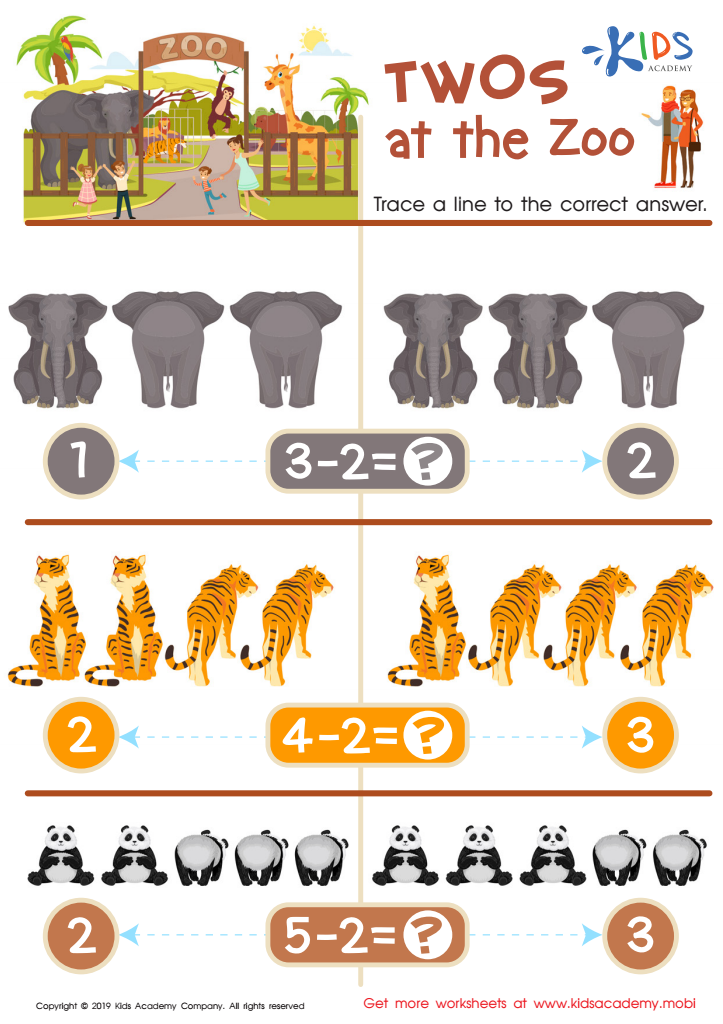
Twos at the Zoo Worksheet







Understanding patterns is a fundamental mathematical concept that plays a critical role in early childhood education, particularly for children aged 4-5. Parents and teachers should prioritize teaching patterns because they form the building blocks for more complex mathematical skills, such as counting, addition, and problem-solving.
When young children engage in recognizing and creating patterns, they hone their critical thinking and analytical skills. This foundational understanding helps them to categorize information and make predictions, which are essential abilities across various disciplines. Patterns also provide opportunities for hands-on learning, encouraging exploration and creativity.
Moreover, early exposure to patterns fosters cognitive development and strengthens a child’s ability to focus and persevere through challenges, encouraging a growth mindset. Teachers and parents can incorporate pattern recognition into everyday activities, making learning both fun and organic.
Furthermore, understanding patterns can boost children's confidence in their mathematical abilities, setting a positive tone for future learning. By emphasizing pattern recognition, adults help children navigate more advanced concepts later on, ensuring they are well-prepared and enthusiastic about mathematics. Overall, fostering an early understanding of patterns equips children with lifelong skills that extend beyond academic success.