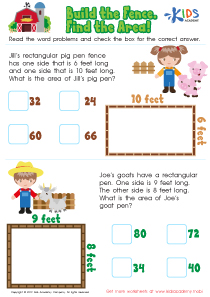
Basic Math Skills Extra Challenge Matching Worksheets for Ages 4-5
3 filtered results
-
From - To
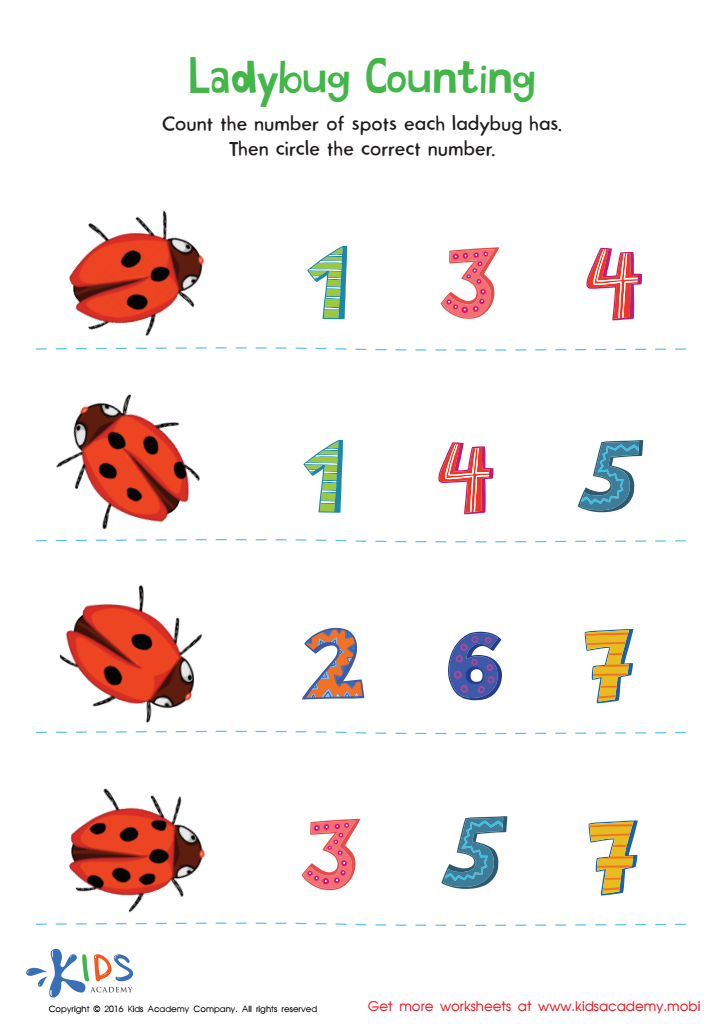
Introduce your child to a fun way of learning with our Basic Math Skills Extra Challenge Matching Worksheets for Ages 4-5. This engaging collection helps young learners enhance their foundational math skills through entertaining matching exercises that foster critical thinking. Carefully designed by early education experts, each worksheet offers a variety of challenges, from counting and number recognition to basic addition and pattern identification. Perfect for preschool and kindergarten students, these printable worksheets help children develop confidence in math while having a great time. Download now to make math practice exciting and rewarding for your little one!
 Assign to My Students
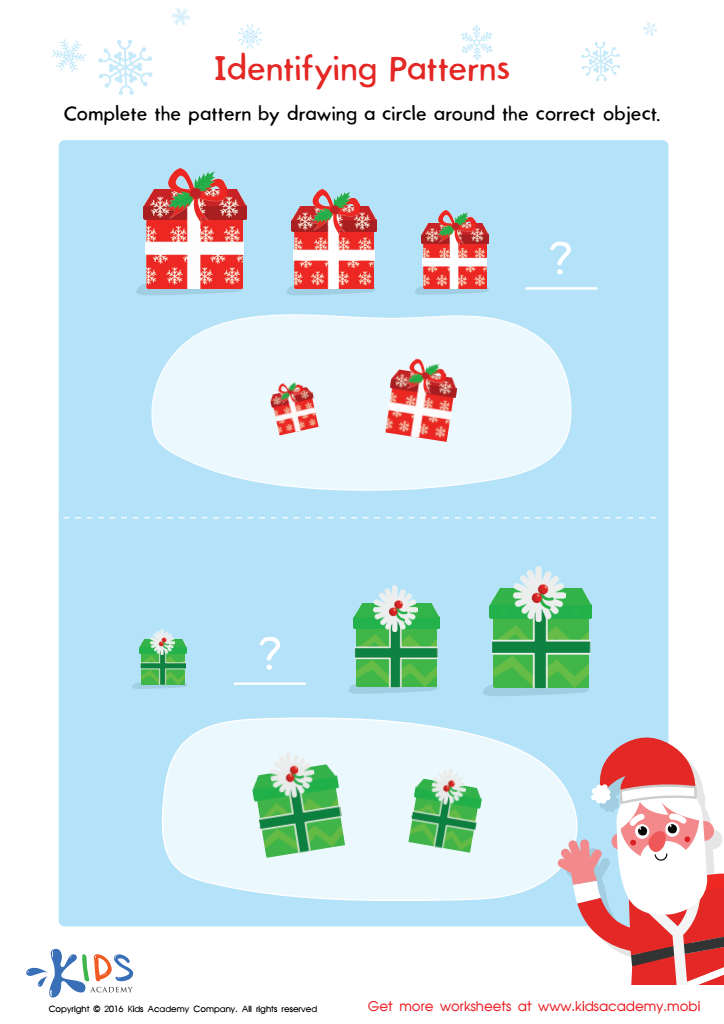
Identifying Patterns Worksheet
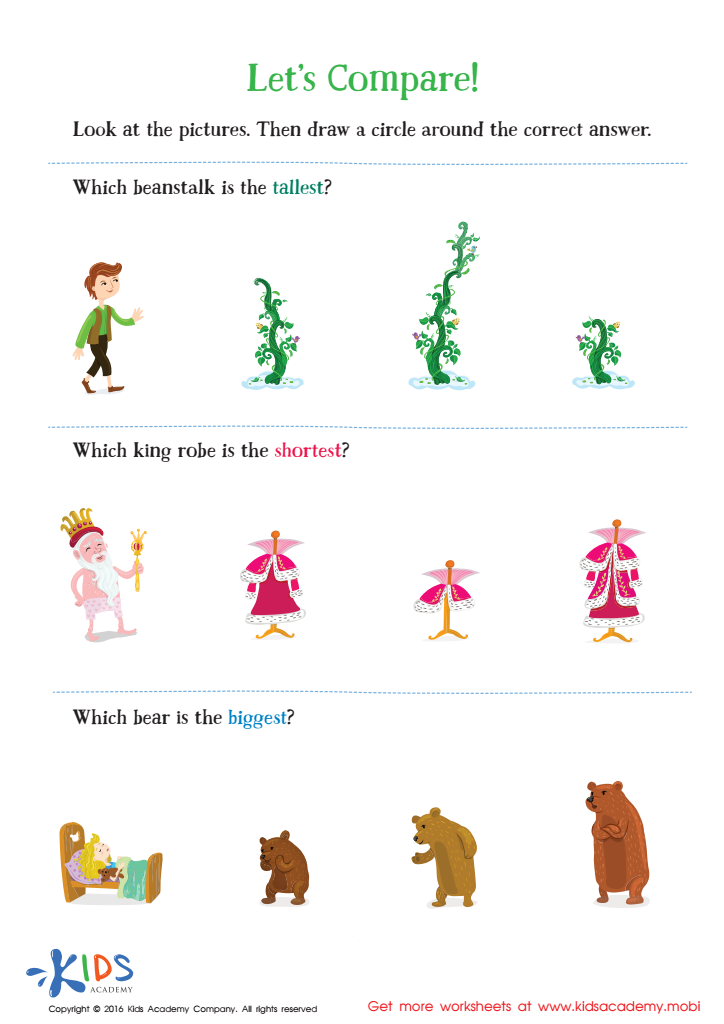
Fairy Tale Worksheet: Let's Compare








Basic math skills are the foundation of a child's future academic success and everyday functioning. For ages 4-5, engaging in extra challenges like matching exercises helps reinforce these essential skills, creating a strong mathematical foundation. At this age, children are developing cognitive abilities, and practicing math through engaging activities ensures that they grasp fundamental concepts such as counting, recognizing numbers, and understanding simple relationships.
Matching exercises specifically enhance children’s ability to recognize patterns, compare quantities, and develop problem-solving skills. They also improve fine motor skills as children draw lines or place objects to match corresponding items. It's crucial as these activities support the development of the left brain, which is responsible for logical thinking and analytical skills.
Moreover, early exposure to math challenges fosters a positive attitude towards the subject. When children successfully complete these challenges, they experience a sense of accomplishment, fostering self-confidence and motivation. Ultimately, this early mastery can help alleviate anxiety around more complex math topics encountered later in their education.
Therefore, parents and teachers should prioritize these exercises to create a stimulating learning environment that encourages curiosity and builds a robust mathematical base, ensuring children are well-prepared for future academic endeavors.