Letter recognition Extra Challenge Reading Worksheets for Ages 4-5
3 filtered results
Difficulty Level
Grade
Age
-
From - To
Subject
Activity
Standards
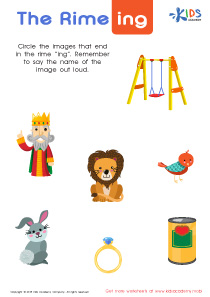
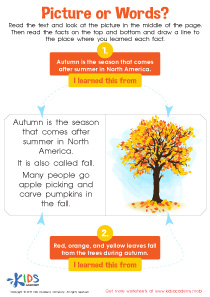
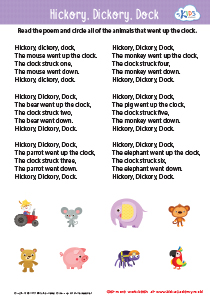
Discover our "Letter Recognition Extra Challenge Reading Worksheets" designed specifically for young learners aged 4-5. These engaging worksheets provide an innovative way to reinforce letter recognition skills through fun activities and colorful visuals. Each worksheet encourages children to identify letters, match them with images, and complete exciting exercises that foster early literacy. Perfect for both classroom and at-home use, these challenges help develop foundational communication skills while keeping little ones entertained. Supercharge your child's learning journey—explore our user-friendly templates that make letter recognition a joyful and rewarding experience! Start their adventure in reading today with our captivating worksheets!
Favorites
With answer key
Interactive
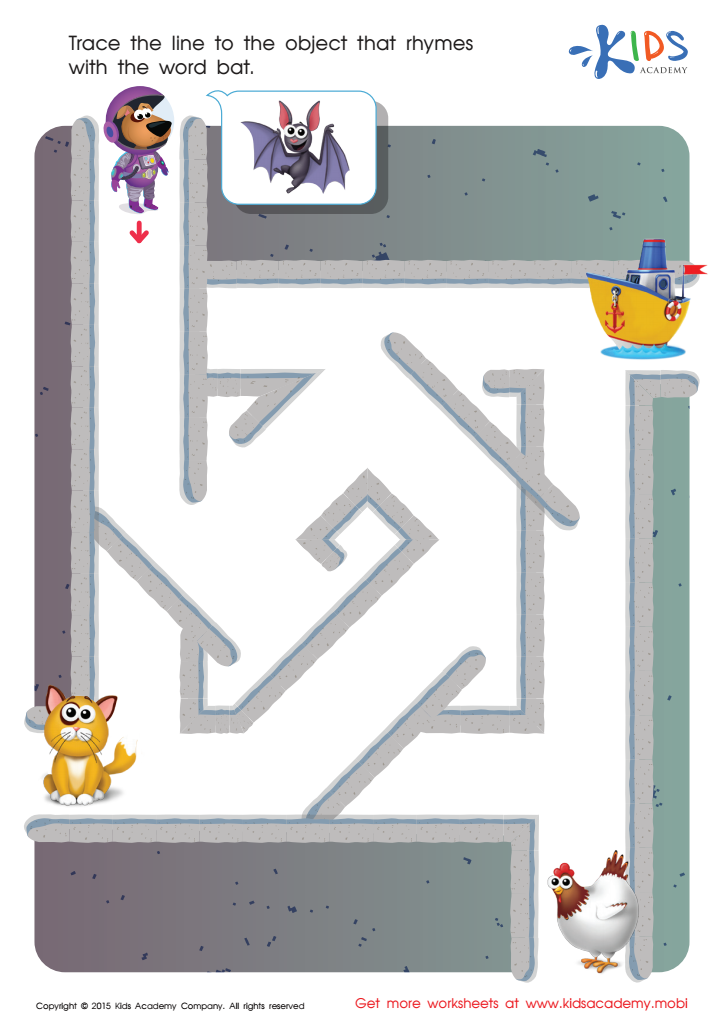
Bat Rhyming Words Worksheet
Get new reading and vocabulary worksheets to help make learning enjoyable for you and your kids. Join the dog and match the objects that rhyme. Have a blast!
 Assign to My Students
Bat Rhyming Words Worksheet
Worksheet
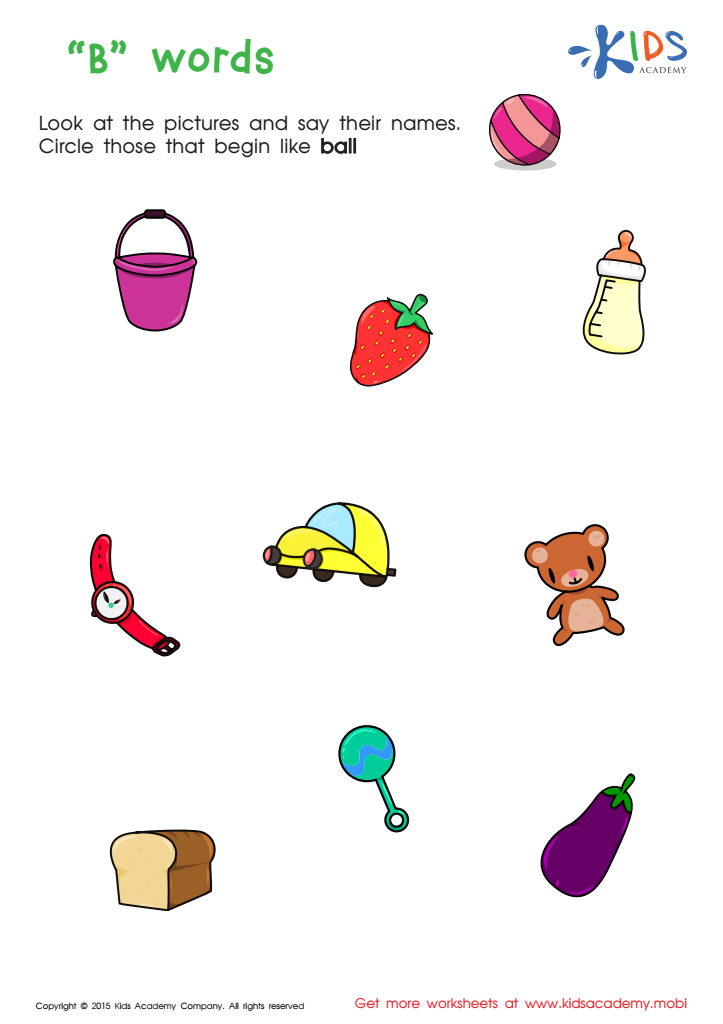
First Words Worksheet
Want to help your preschooler learn to read and write? Start with this 'B' words printable worksheet. It will help your child match pictures to the letters they know, sound out words, and build literacy. Once they understand the concept, they can start sounding out words and building reading skills.
First Words Worksheet
Worksheet
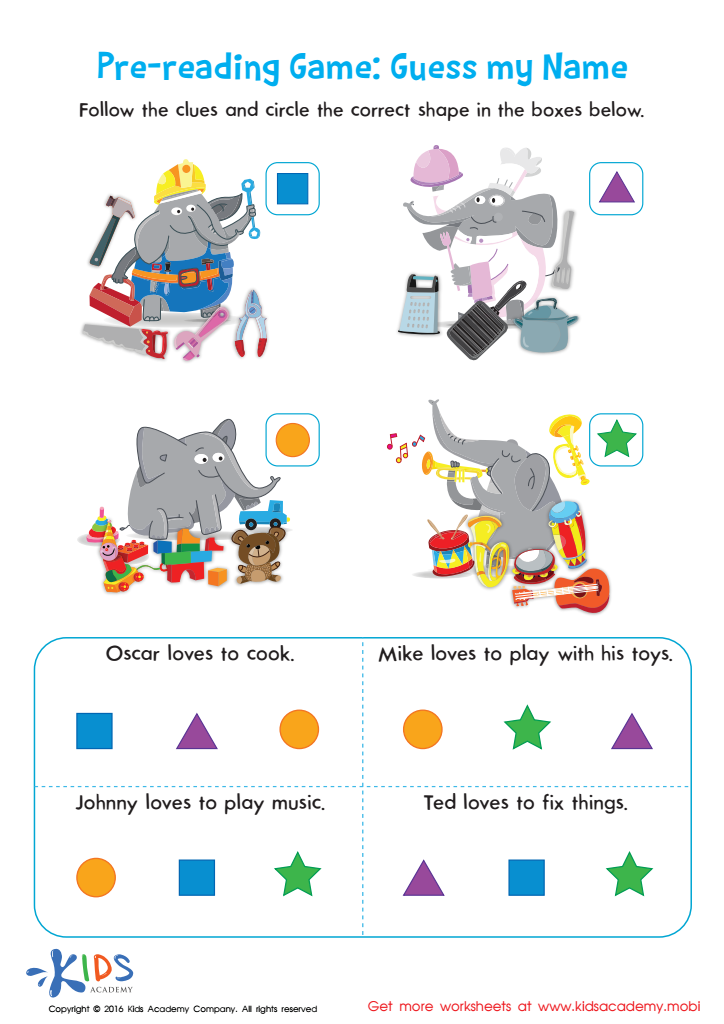
Pre Reading Worksheet Guess My Name
Guess My Name is a fun way to practice inference skills.
Guess My Name is a fun pre-reading game to help your child practice drawing inferences from clues. With colorful illustrations, they'll use clues to match each elephant with its sentence and sharpen their inference skills.
Pre Reading Worksheet Guess My Name
Worksheet
Join Kids Academy for Free
Who is primarily going to use this learning content?








Letter recognition is a fundamental skill that lays the groundwork for a child’s literacy development. For children aged 4-5, engaging in activities focused on letter recognition can have a profound impact on their future reading abilities. Parents and teachers should care about this early learning milestone because it serves as a crucial bridge to more advanced literacy skills.
Recognizing letters helps children understand that letters represent sounds, a concept known as phonemic awareness. This understanding is essential as children progress to reading and writing, enabling them to decode words independently. Moreover, strong letter recognition enhances vocabulary development and overall language skills.
In addition, letter recognition activities can foster a sense of accomplishment and confidence in young learners, making them more eager to explore reading. Teaching methods can also boost creativity by encouraging interactive play—whether through games, storytelling, or art—including letters in various contexts makes learning enjoyable.
Finally, supporting early literacy sets the stage for academic success. When parents and teachers invest time and resources in letter recognition, they empower children to develop strong reading skills that benefit them in school and beyond, ultimately preparing them for lifelong learning.