Matching numbers Extra Challenge Worksheets for Ages 4-6
5 filtered results
-
From - To
Welcome to our "Matching Numbers Extra Challenge Worksheets" designed specifically for children aged 4-6! These engaging worksheets provide an exciting way for young learners to enhance their number recognition and matching skills. With colorful illustrations and age-appropriate challenges, kids will enjoy exercises that promote cognitive development and fine motor skills. Each sheet offers a variety of matching activities to keep children entertained while fostering their understanding of numbers. Ideal for classroom use or home practice, our worksheets make learning fun and interactive. Download now and give your child a fantastic opportunity to excel in their early math skills!
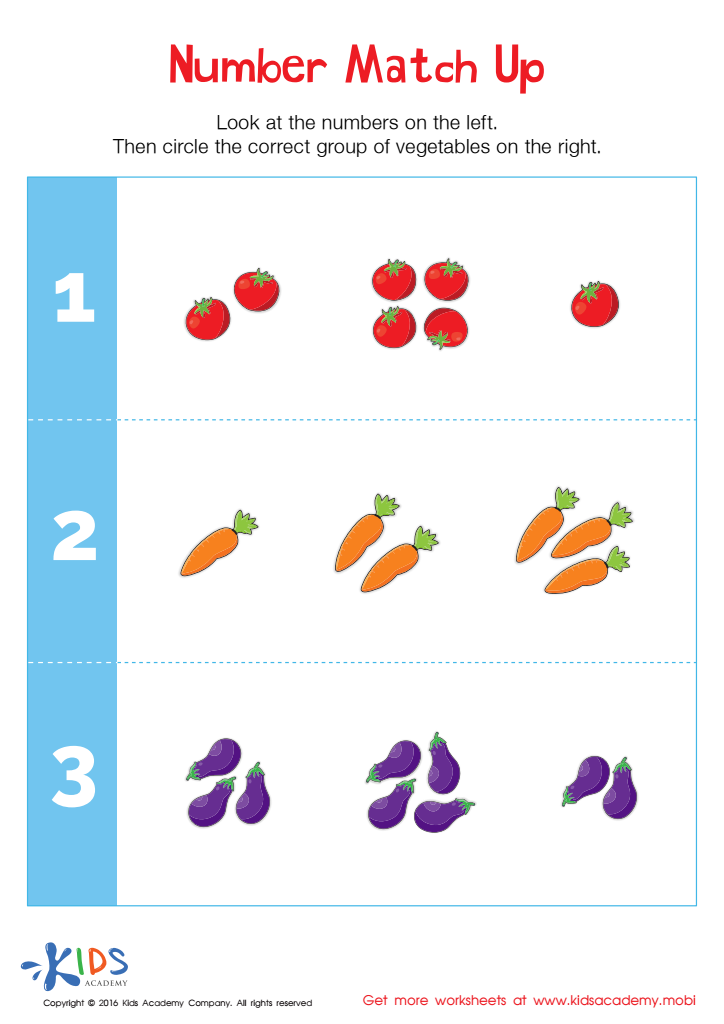
Number Match Up Worksheet
 Assign to My Students
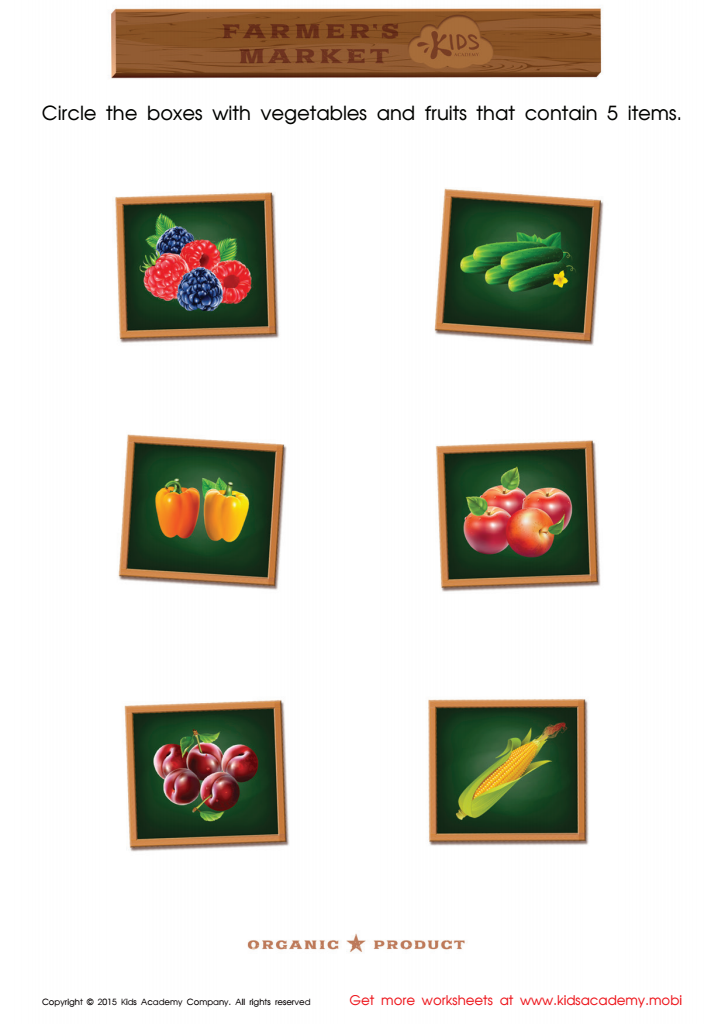
Count and Match Vegetables 1 – 7 Math Worksheet
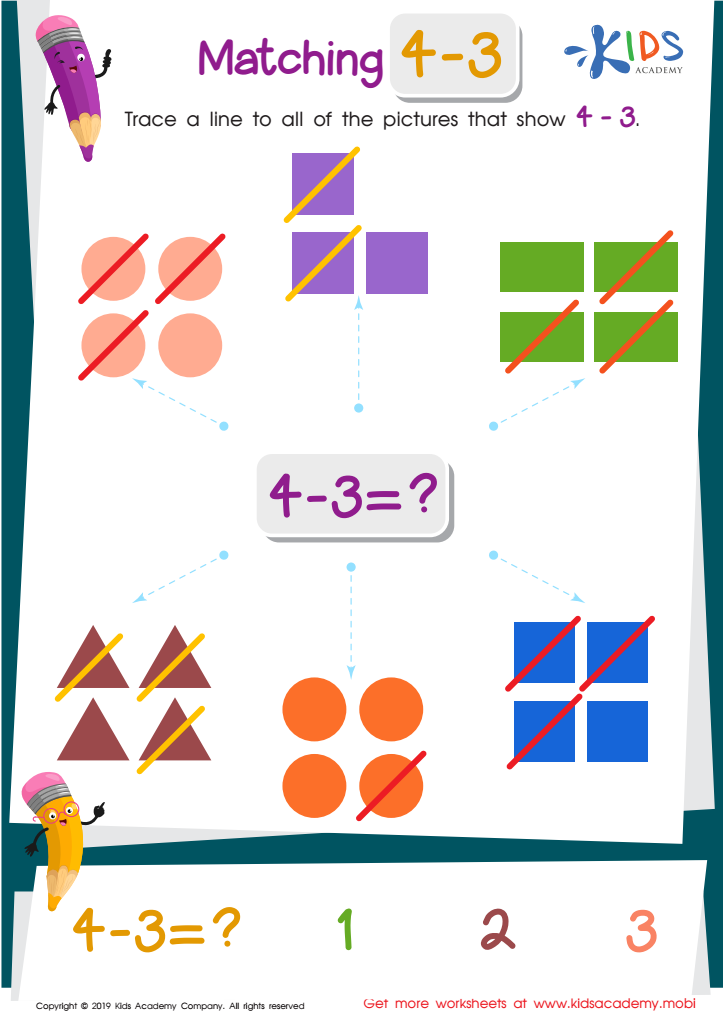
Matching 4 – 3 Worksheet
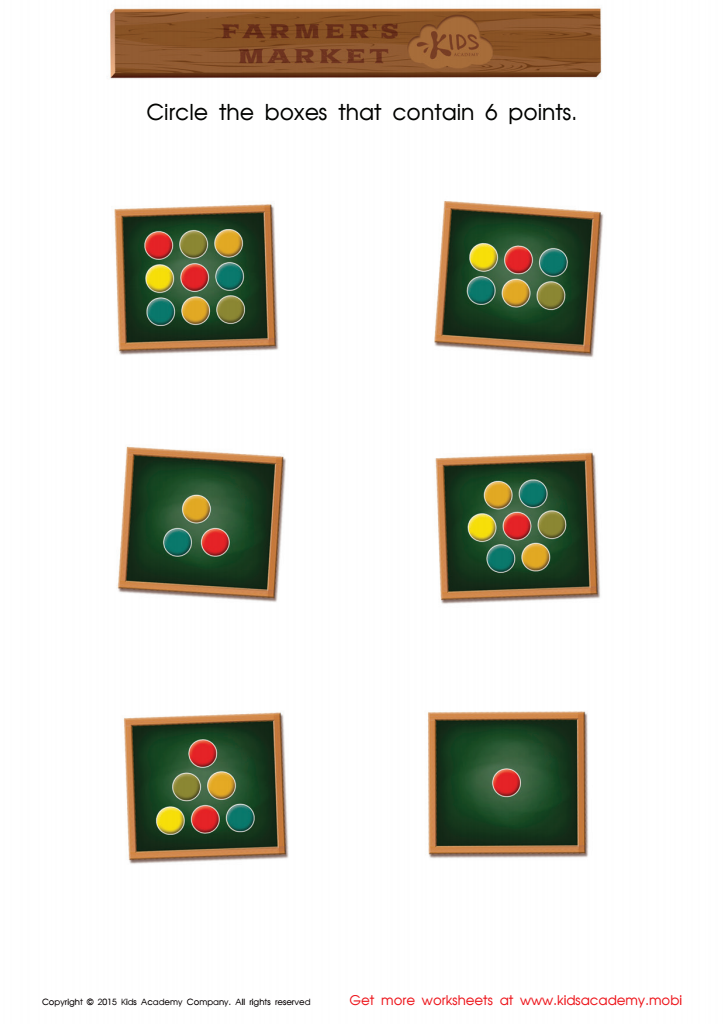
Count and Match Points 6 Math Worksheet
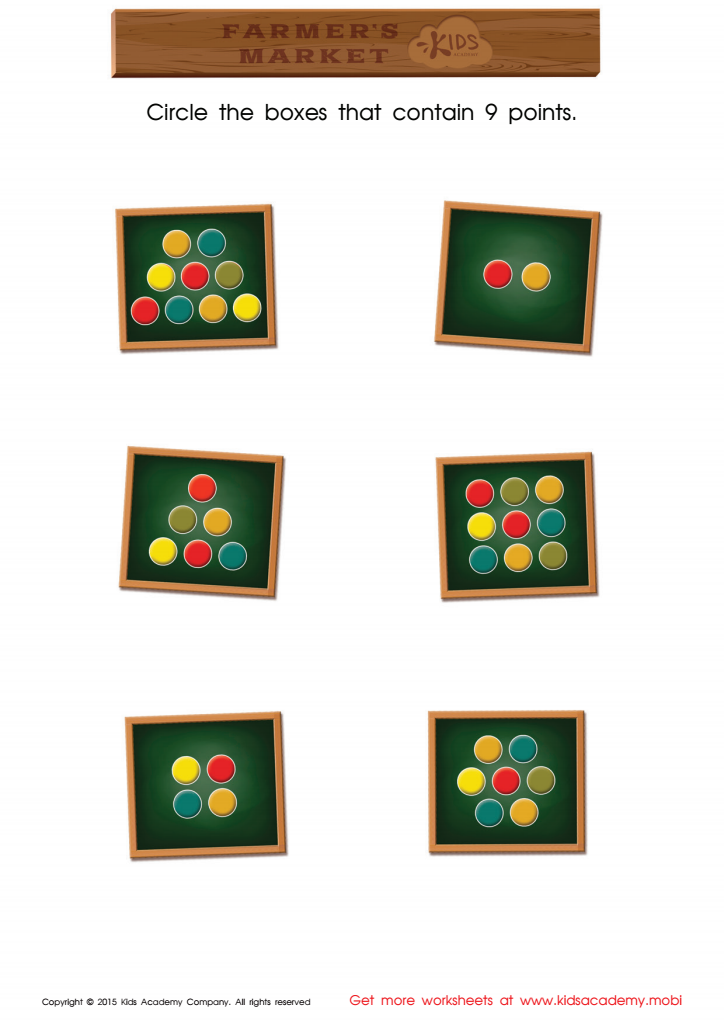
Count and Match Points 9 Math Worksheet








Matching numbers is an essential cognitive skill for young children, particularly those aged 4-6, as it lays the foundational groundwork for future mathematical learning. Parents and teachers should prioritize this activity because it promotes number recognition, which is vital for recognizing quantities and patterns in later math concepts. Engaging in number matching not only enhances cognitive development but also reinforces fine motor skills through physical manipulatives, which players can manipulate, count, and match.
Additionally, incorporating matching numbers fosters critical thinking and problem-solving abilities, as children practice discerning similar attributes and relationships between numbers. This simple yet effective activity can also be themed around exciting topics, stimulating interest and integration with other learning areas such as counting, sorting, and categorization.
Moreover, matching numbers encourages social development when done in pairs or groups, promoting teamwork and communication skills. The repetitive nature of number matching leads to quicker learning and retention, empowering children with confidence in their mathematical abilities. By committing time and resources to Matching Numbers Extra Challenge activities, parents and teachers actively contribute to a child's overall academic and social growth, ensuring they are well-prepared for the complexities of future learning.








