Mathematical reasoning Extra Challenge Worksheets for Ages 4-6
10 filtered results
-
From - To
Unleash the potential of young minds with our "Mathematical Reasoning Extra Challenge Worksheets for Ages 4-6"! Specially crafted to sharpen critical thinking and problem-solving skills, these engaging worksheets are designed for early learners, providing them with a solid foundation in basic math concepts. Each worksheet is filled with fun and educational activities that promote logical reasoning, pattern recognition, and spatial awareness. Perfect for both classroom and home learning. Help your child excel in math from an early age and build lifelong learning skills with these beautifully illustrated, age-appropriate challenges. Download now and watch them succeed!
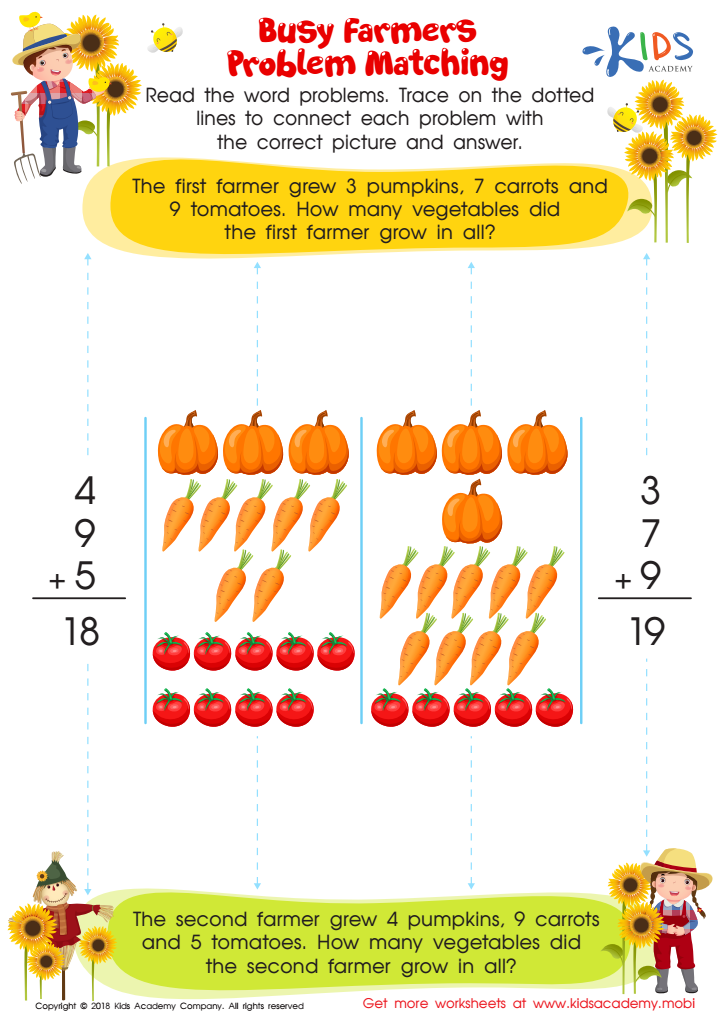
Busy Farmers: Problem Matching Worksheet
 Assign to My Students
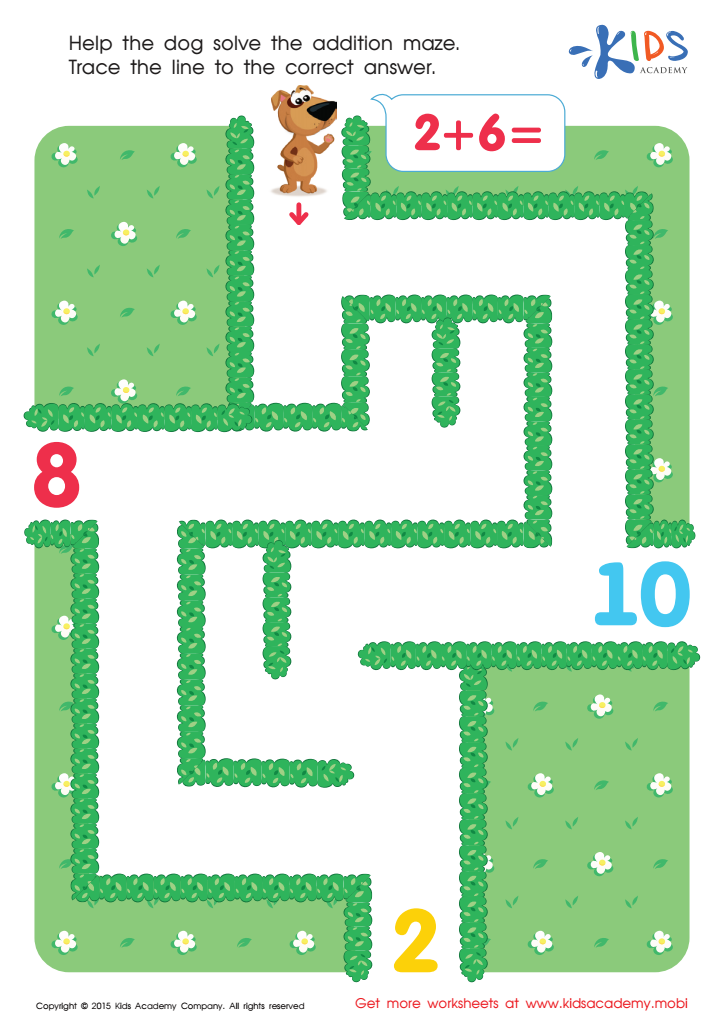
Two Plus Six Addition Worksheet
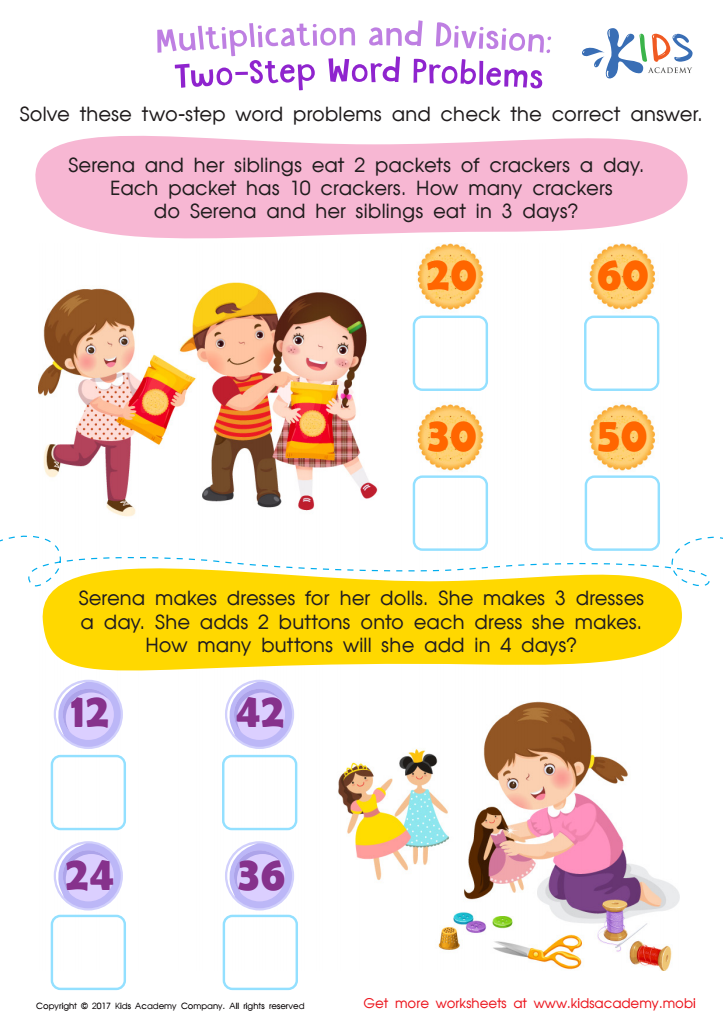
Two Step Word Problems Worksheet
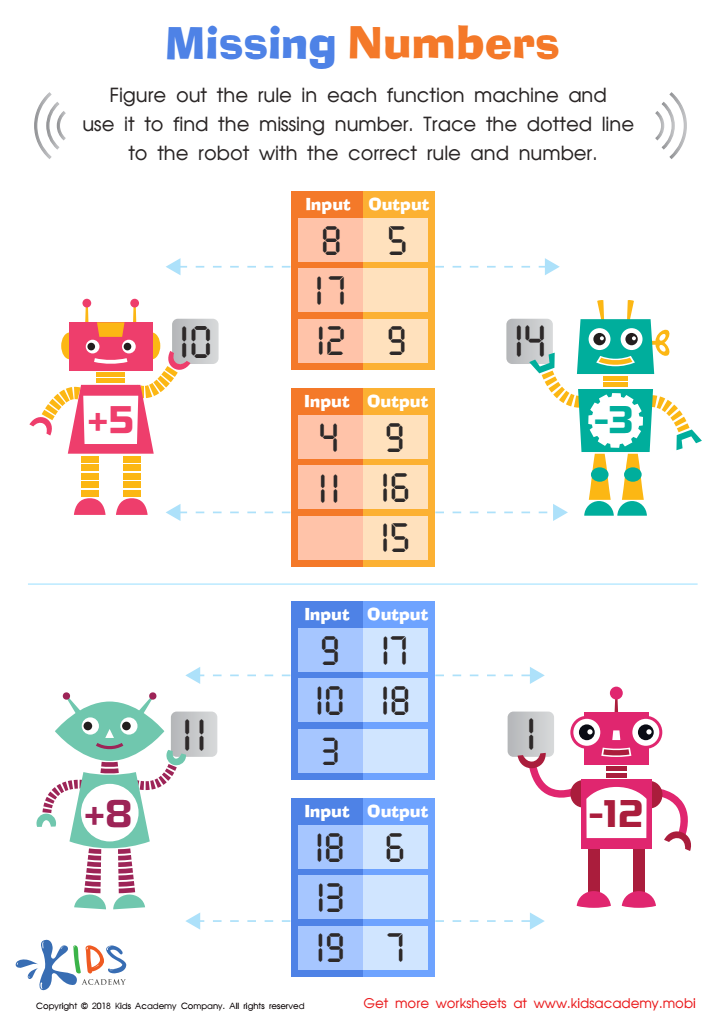
Missing Numbers Worksheet
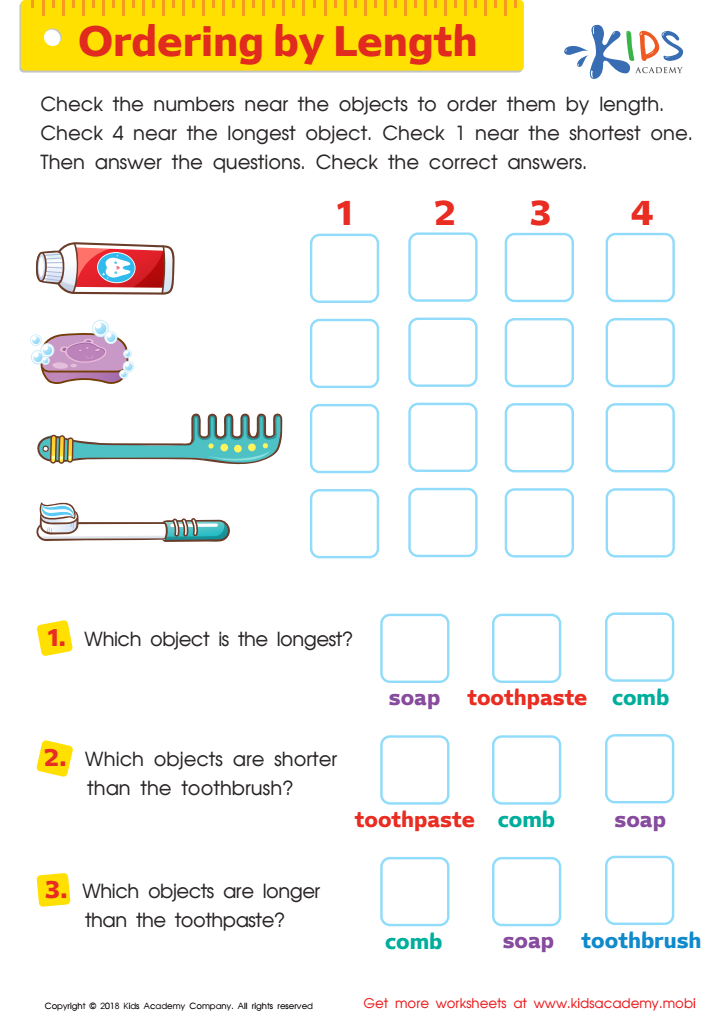
Ordering by Length Worksheet
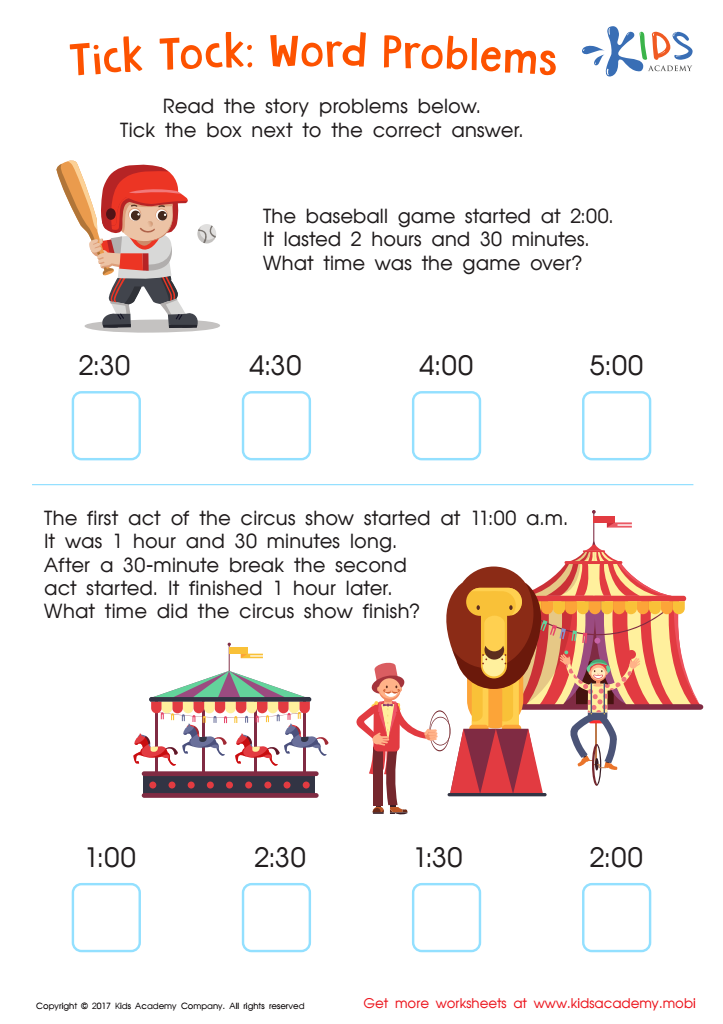
Tick Tock Word Problems Time Worksheet
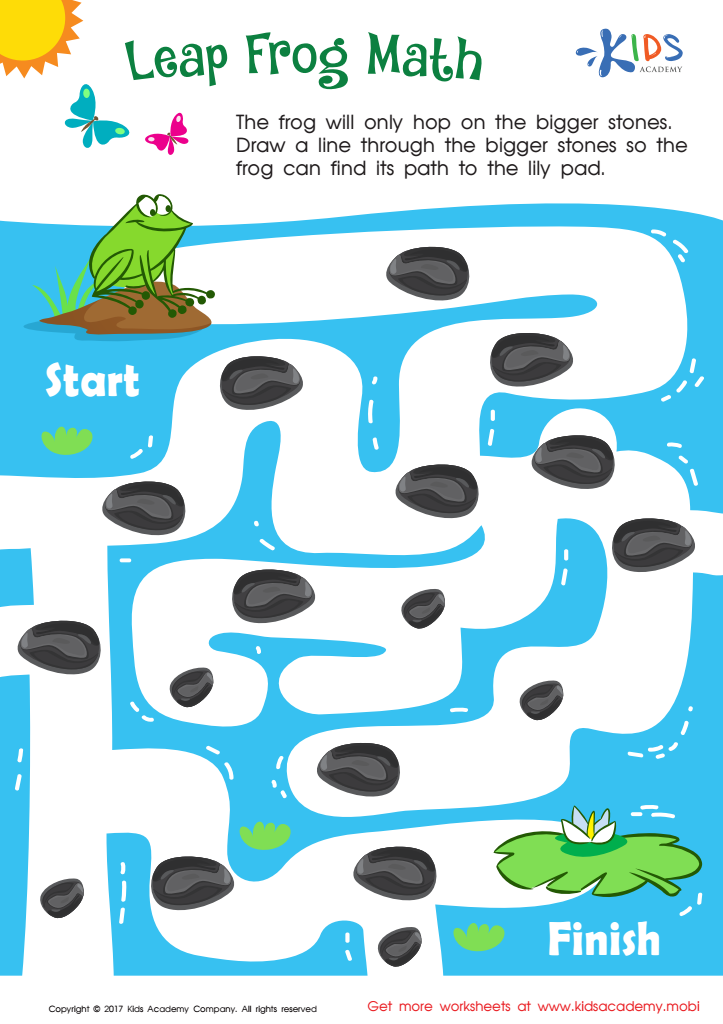
Math Puzzle Worksheet
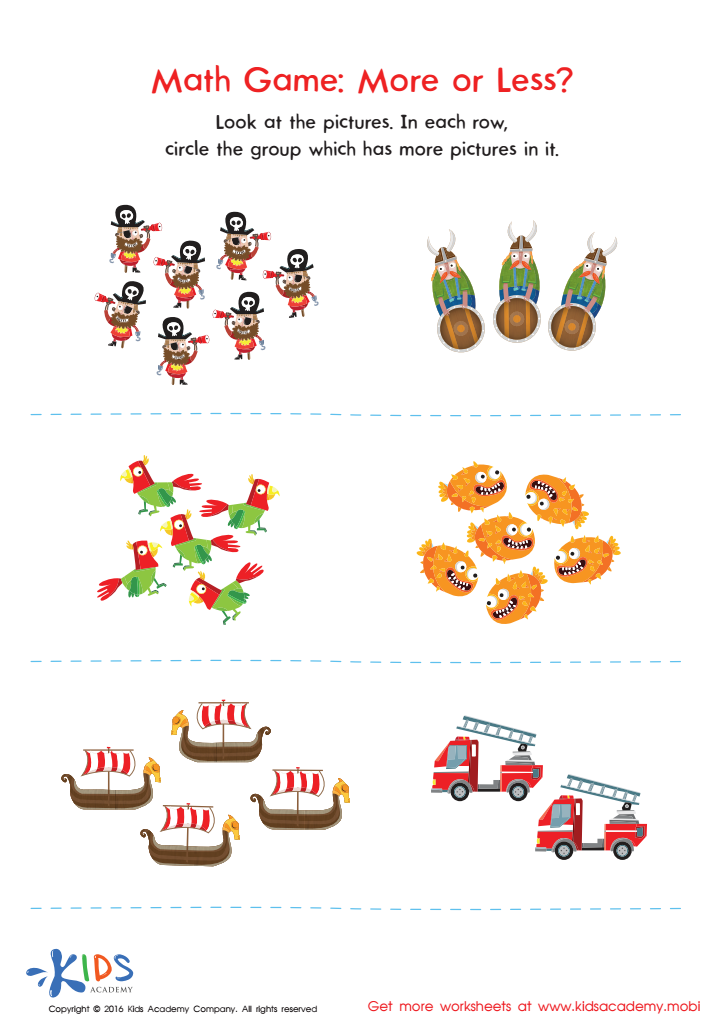
More or Less Worksheet
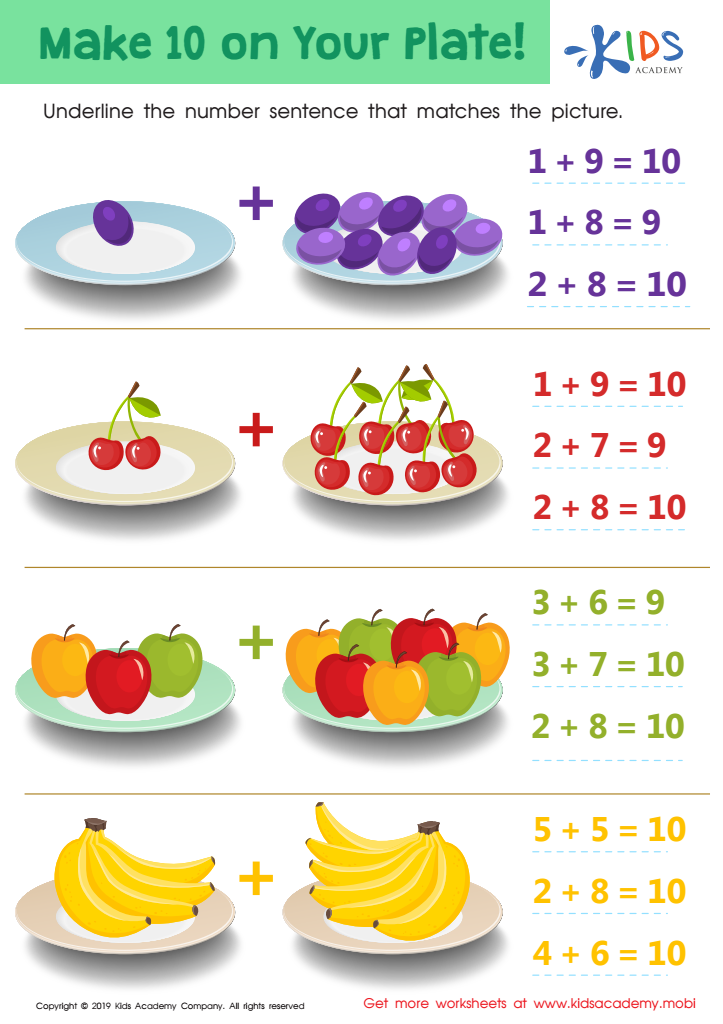
Make 10 on Your Plate! Worksheet
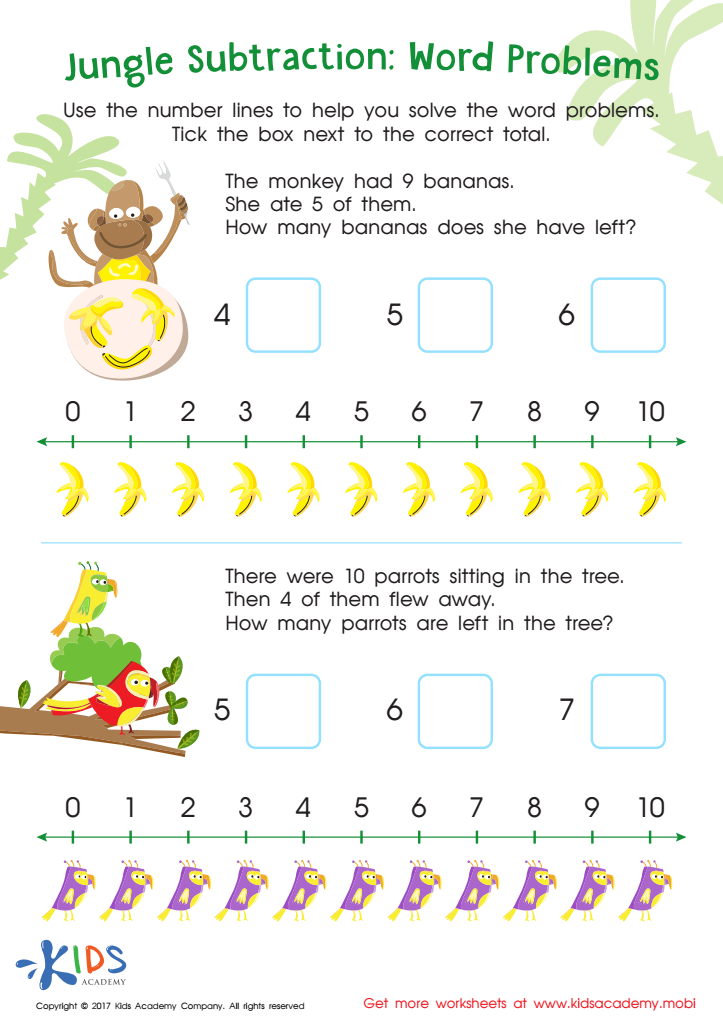
Jungle Subtraction Word Problems Substraction Worksheet








Parents and teachers should highly value the importance of Mathematical Reasoning Extra Challenges for children aged 4-6 because these activities are foundational for developing critical thinking and problem-solving skills. At this early stage, young children are highly receptive and curious, making it an ideal time to introduce tasks that enhance cognitive abilities. These challenges encourage kids to think logically, recognize patterns, and make connections, all of which are essential for their overall intellectual growth.
Early exposure to mathematical reasoning fosters confidence and a positive attitude towards mathematics. It helps children develop persistence when faced with complex problems, thereby nurturing resilience. As they engage in problem-solving, they also enhance their abilities to communicate their thought processes, which is crucial for both academic and everyday life.
Furthermore, early mathematical challenges can identify and cater to individual learning needs, enabling tailored support that addresses specific strengths and areas for improvement. This personalized approach not only supports foundational math skills but also bridges gaps effectively. Engaging children in these activities cultivates a love for learning and instills a sense of accomplishment.
Ultimately, fostering strong mathematical reasoning skills in young children prepares them for future academic success and equips them with essential life skills, creating a strong foundation for lifelong learning and innovation.








