Fine Motor Skills Extra Challenge Math Worksheets for Ages 4-6 - Page 2
29 filtered results
-
From - To
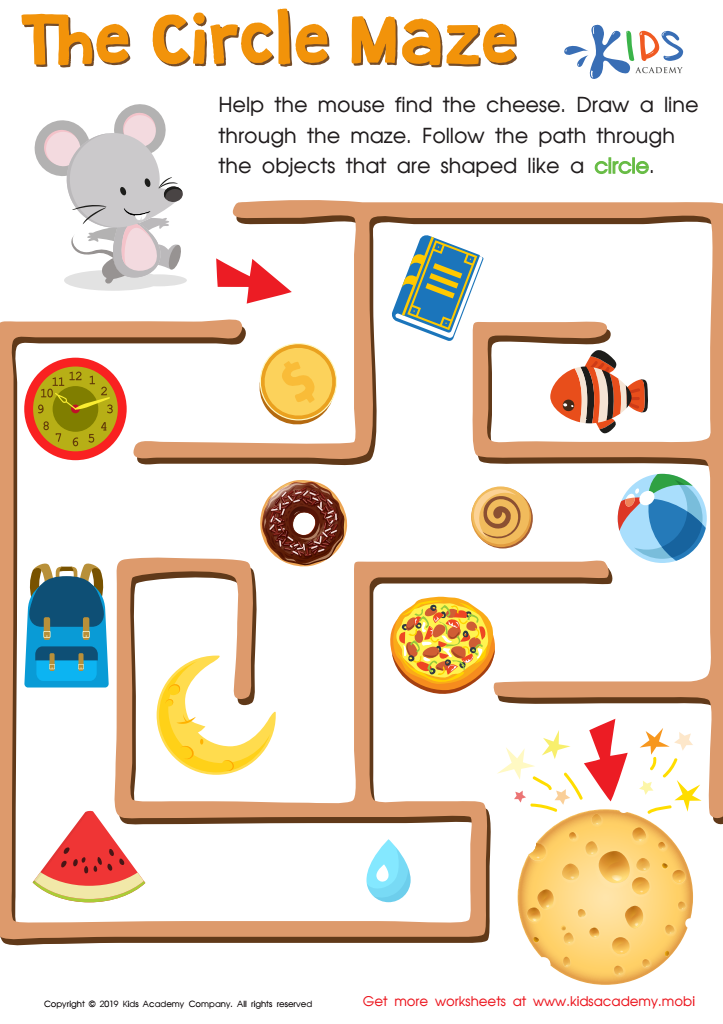
The Circle Maze Worksheet
 Assign to My Students

Pirate Ship Connect Dots Worksheet
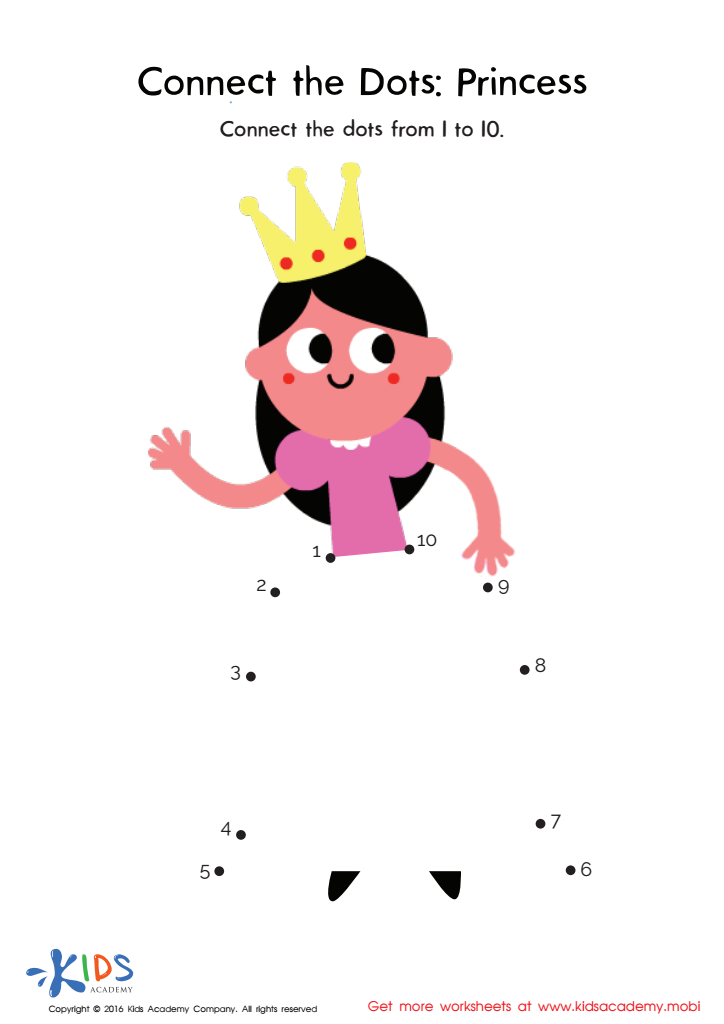
Princess Connect Dots Worksheet
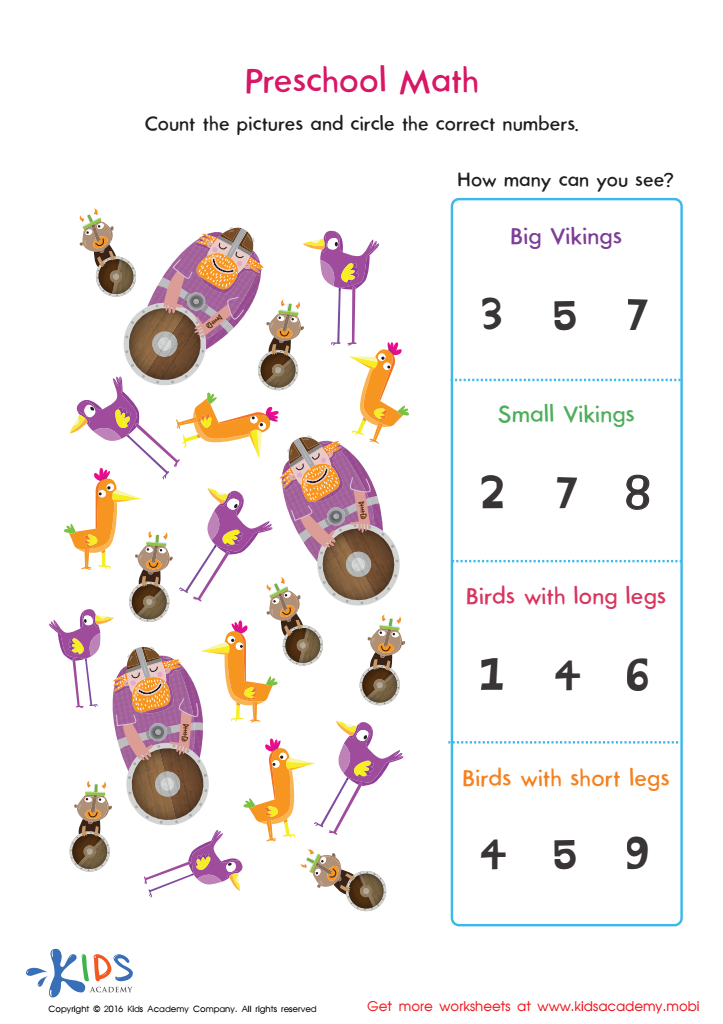
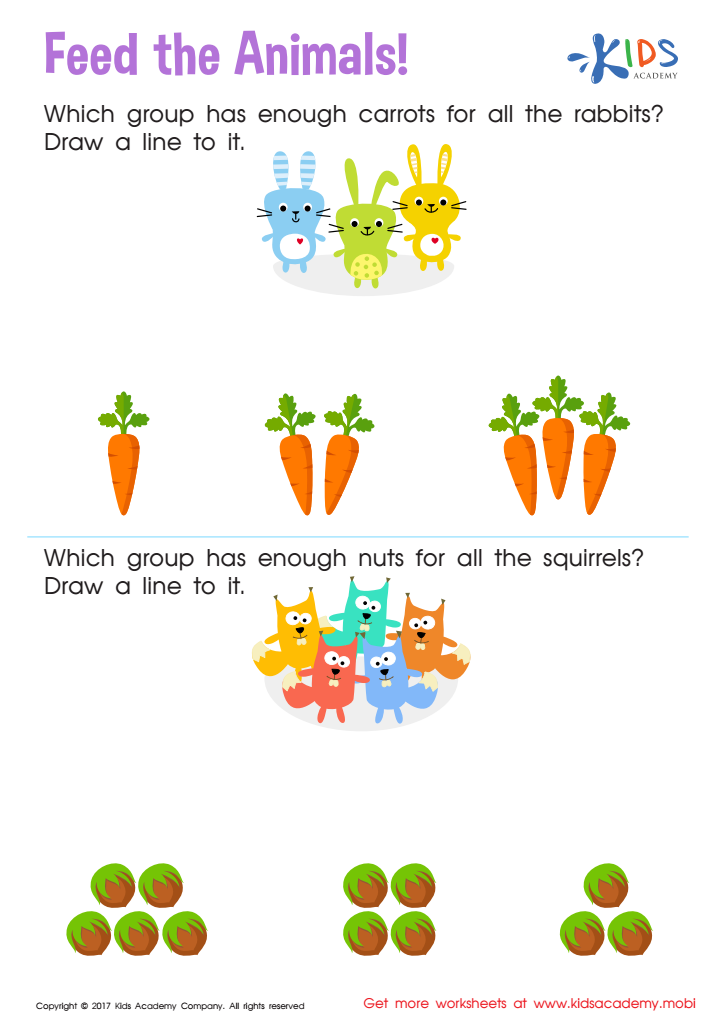
Count and Match: Feed the Animals Worksheet







Developing fine motor skills is crucial for young children aged 4-6, and integrating them with extra challenge math activities offers substantial benefits. Fine motor skills involve the coordination of small muscle movements in the hands and fingers. These skills are the foundation for more complex tasks like writing, buttoning clothes, and using utensils, which are vital for children’s independence and daily functioning.
When math activities are combined with fine motor skill practice, the results are doubly beneficial. For example, tasks like sorting small objects or manipulating beads to create patterns not only teach basic math skills but also enhance dexterity and hand-eye coordination. Fine motor skills are strongly linked to cognitive development, and these activities can improve a child’s attention to detail, problem-solving abilities, and overall academic performance.
Furthermore, parents and teachers will observe increased confidence and self-esteem as children master challenging tasks, balancing a mix of academic and physical skills. These integrated activities also offer an engaging, hands-on learning experience that is often more memorable and enjoyable for young learners, fostering a positive attitude towards both math and motor skill tasks. Ultimately, emphasizing fine motor skills within math challenges primes children for more advanced educational skills and a smoother transition into more complex schoolwork.








