Visual perception Extra Challenge Math Worksheets for Ages 4-6
9 filtered results
-
From - To
Unlock your child's full potential with our "Visual Perception Extra Challenge Math Worksheets for Ages 4-6." These expertly crafted worksheets blend visual learning and math challenges to enhance cognitive skills and problem-solving abilities. Perfect for young learners, they transform complex concepts into fun, engaging exercises. With a variety of activities designed to improve shape recognition, spatial awareness, and pattern identification, these worksheets offer an enjoyable way for kids to develop foundational math skills. Help your child excel in math while boosting their visual perception with these comprehensive, dynamic tools. Start enhancing their learning journey today!
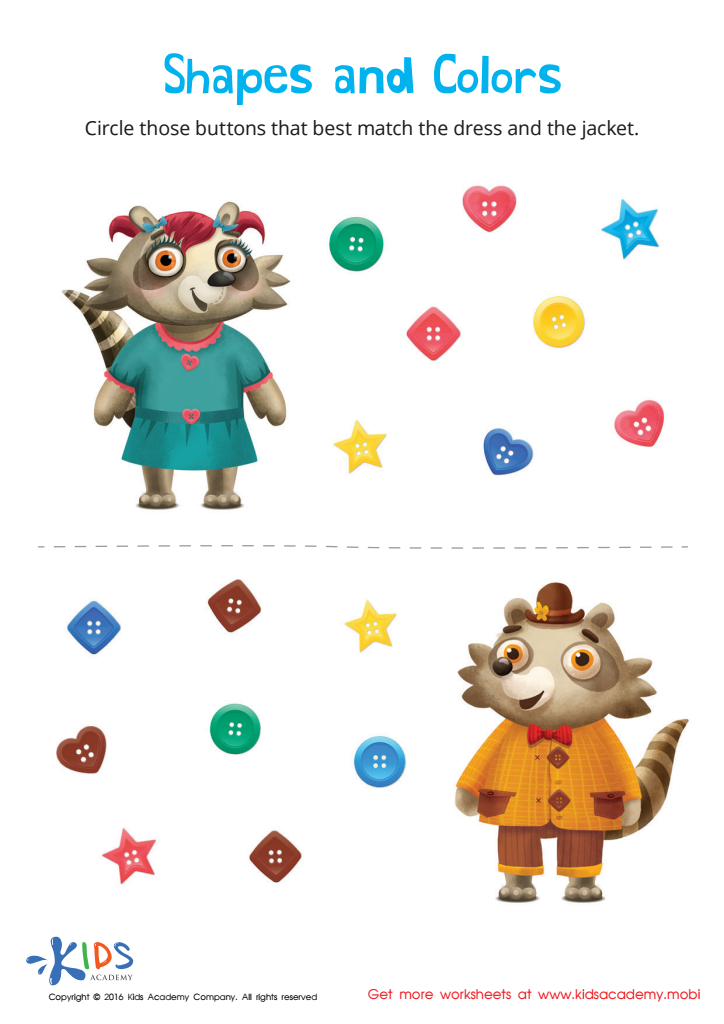
Matching: Shapes and Colors Worksheet
 Assign to My Students
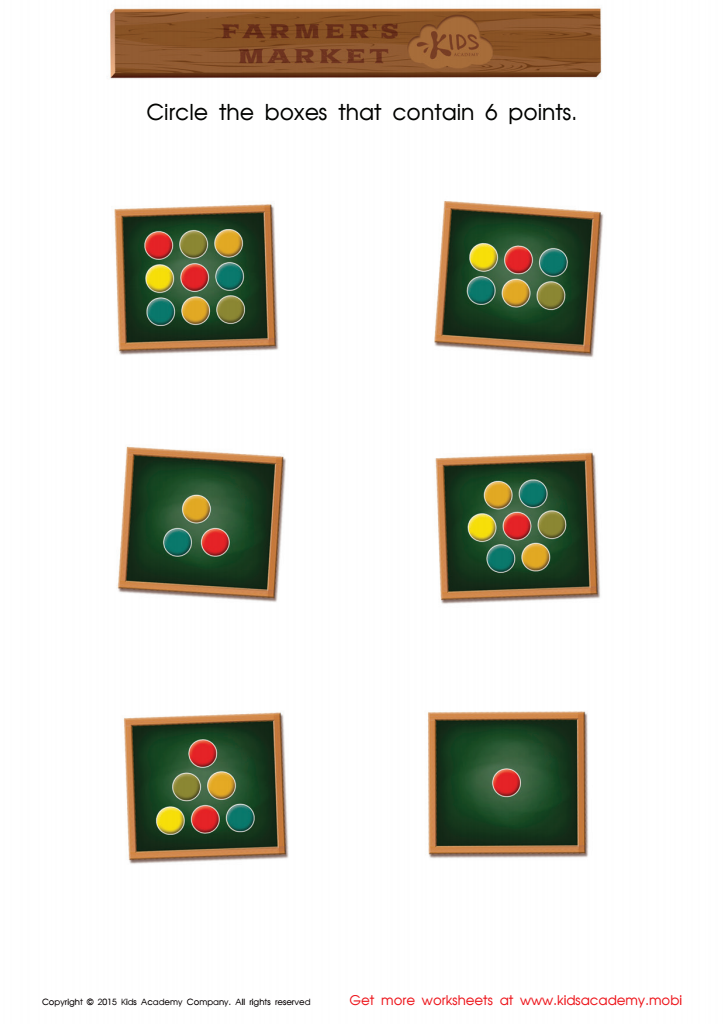
Count and Match Points 6 Math Worksheet
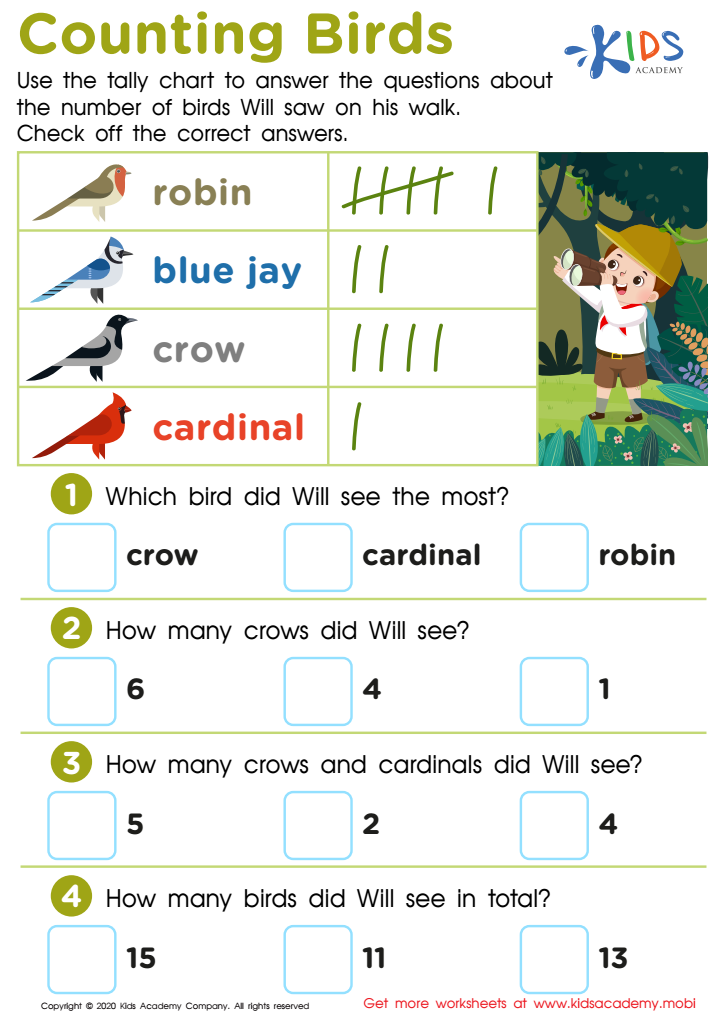
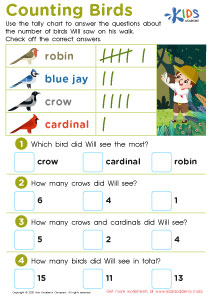
Counting Birds Worksheet
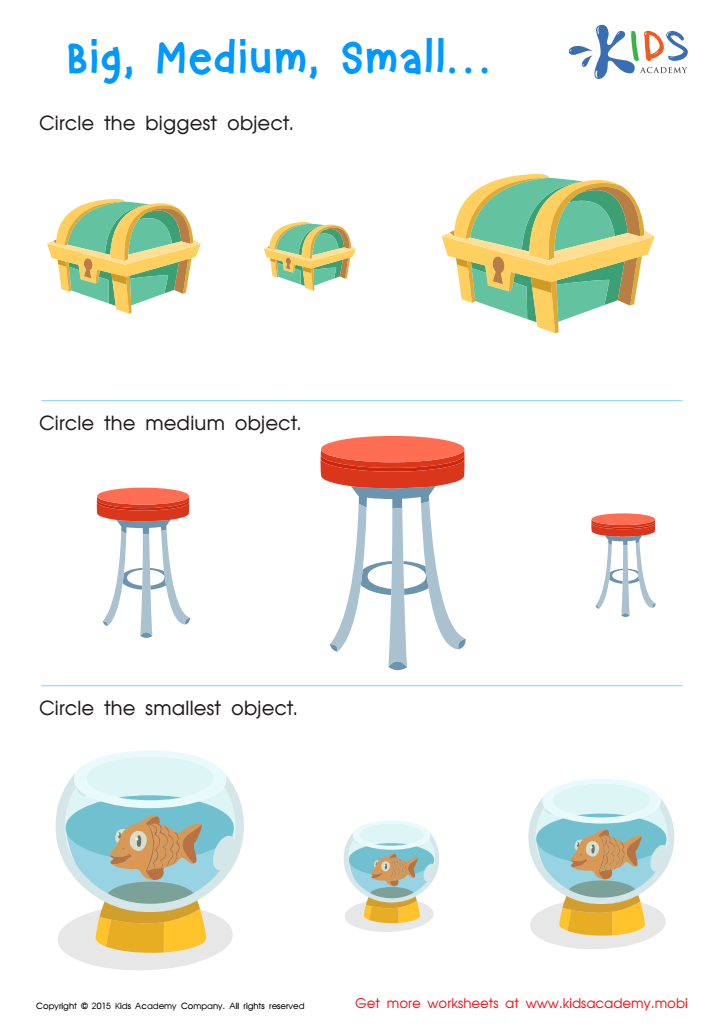
Big Medium Small Worksheet
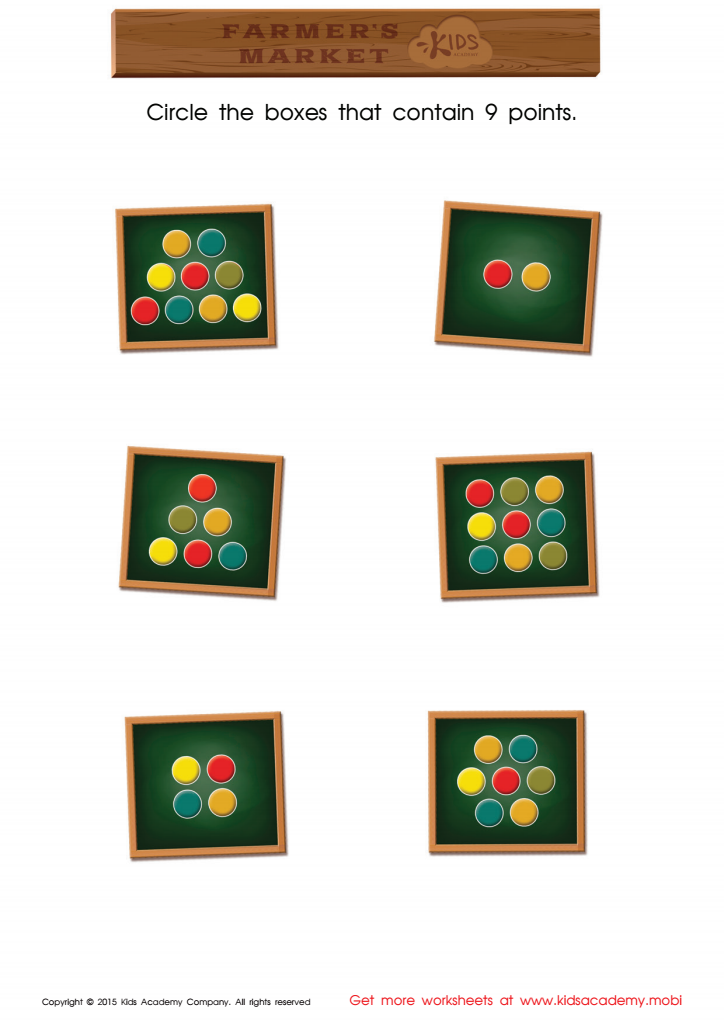
Count and Match Points 9 Math Worksheet
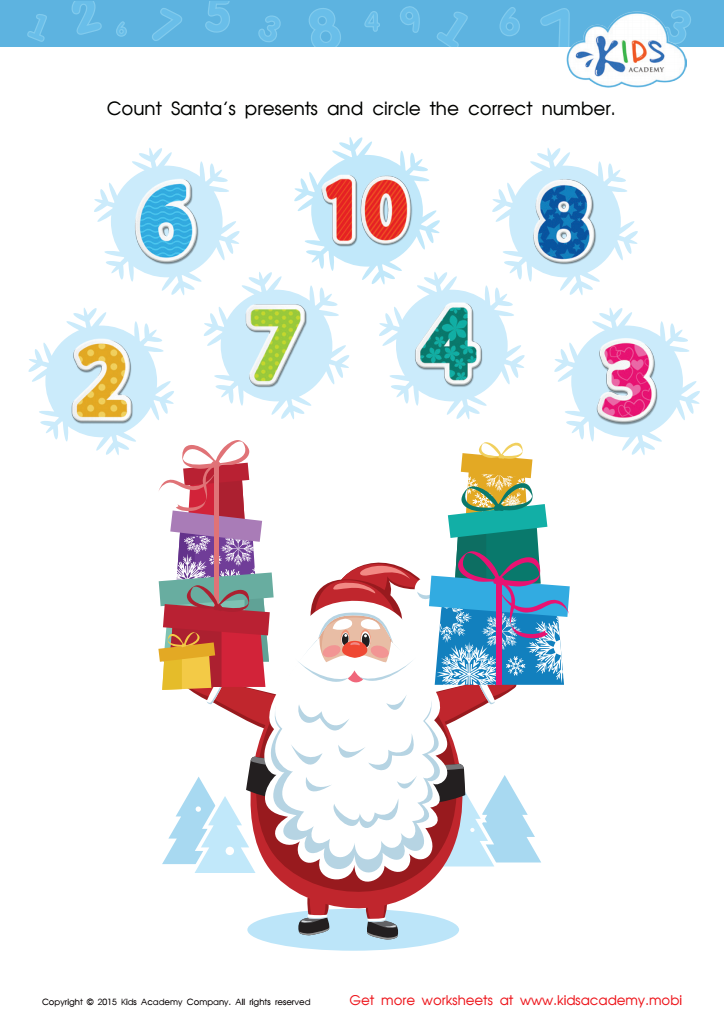
Count Santa's Presents Worksheet
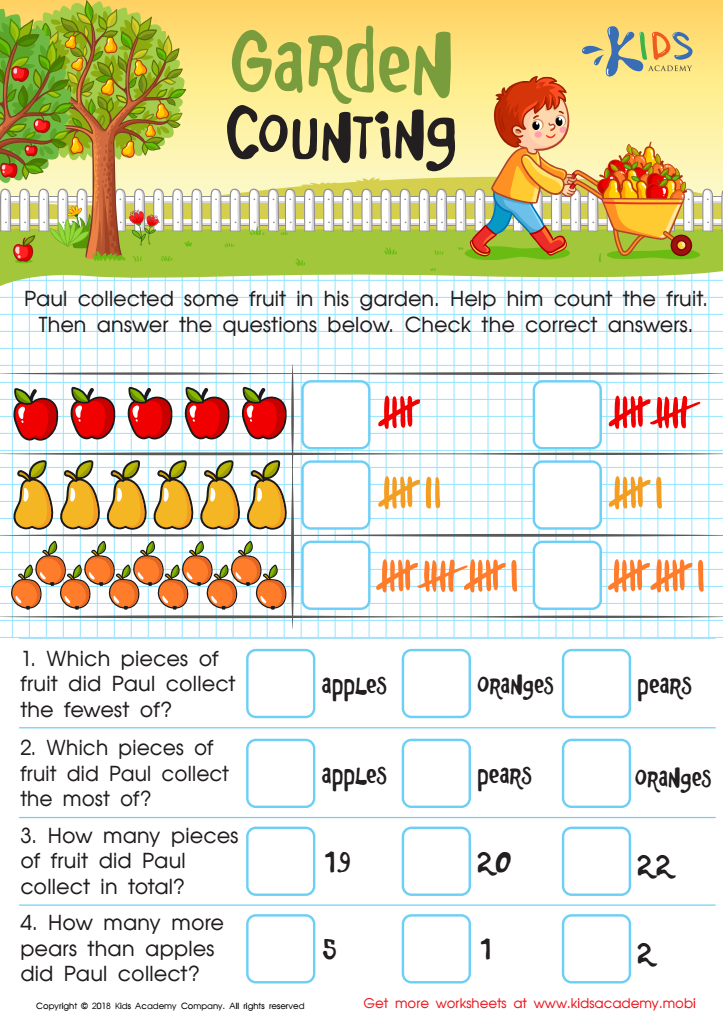
Garden Counting Worksheet
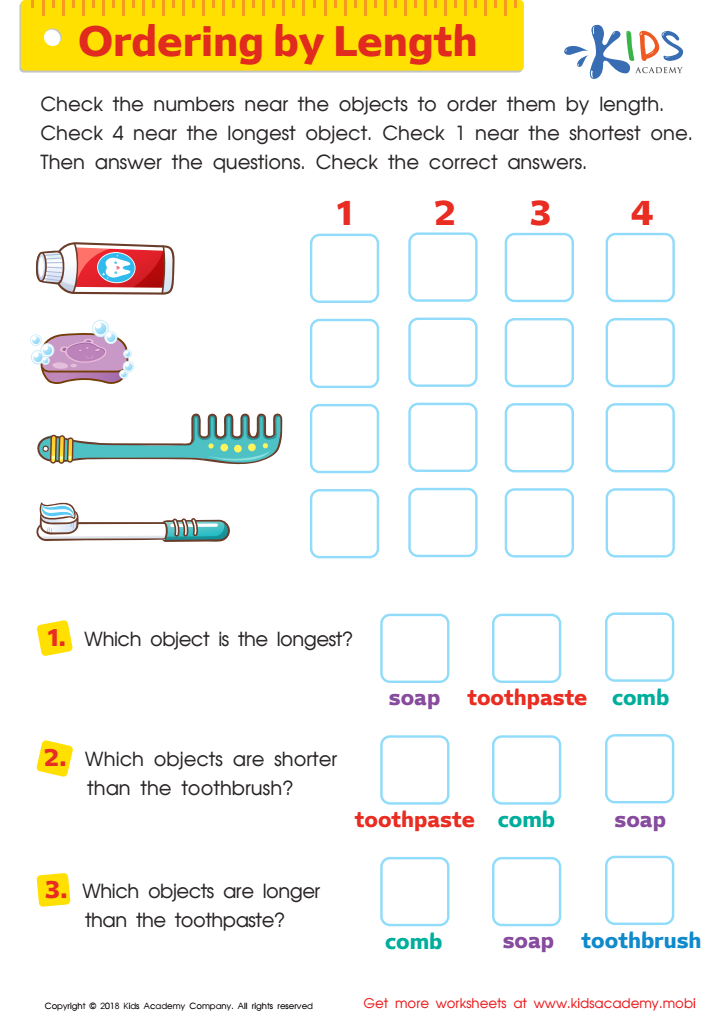
Ordering by Length Worksheet
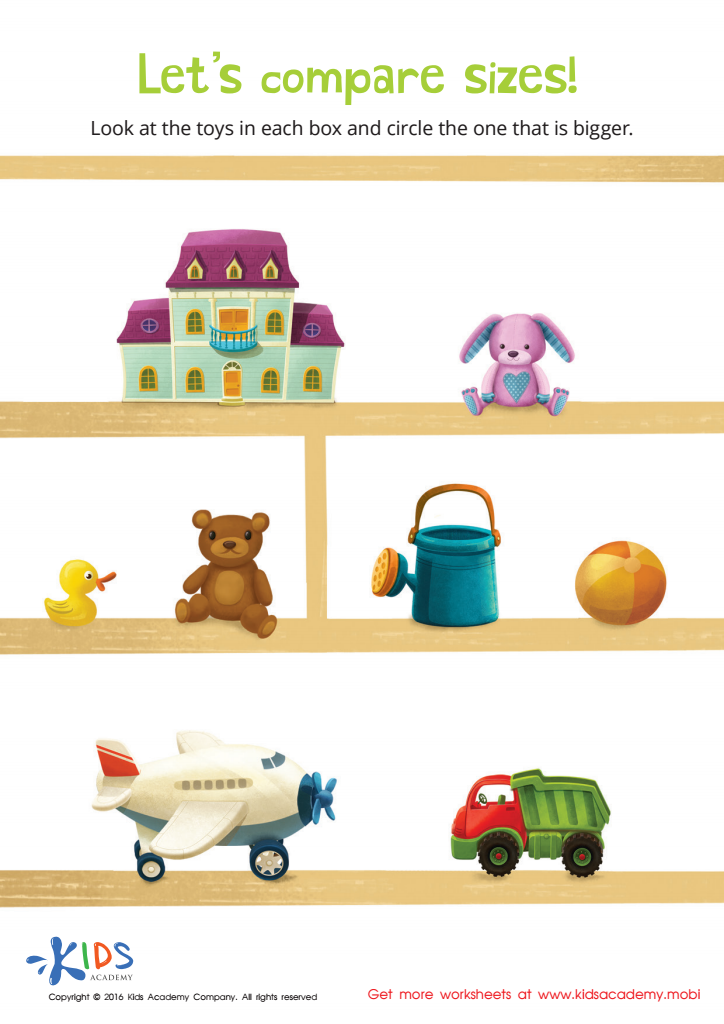
Classifying by Size Sorting Worksheet








Parents and teachers should care about Visual Perception Extra Challenge Math for children aged 4-6 because it forms the foundation for pivotal cognitive skills intertwined with mathematical learning and general academic success. At this young age, children's brains are highly malleable and receptive to new information. Engaging them in activities that bolster visual perception skills, such as recognizing patterns, spatial relations, and visual discrimination, vastly enhances their ability to understand mathematical concepts like shapes, sizes, and numbers.
Visual perception is crucial for tasks ranging from simple ones, like identifying similar objects, to more complex problem-solving activities. Improved visual perception aids in reading and writing skills as well. When children learn to distinguish letters and numbers accurately, they are more likely to succeed in literacy as well as numeracy. Additionally, visual perception exercises develop fine motor skills as children often manipulate objects (blocks, puzzles), enhancing hand-eye coordination and dexterity.
Early engagement in these activities promotes confidence and curiosity in learners. Over time, children who have robust visual perception skills tend to approach mathematical challenges with more creativity and resilience. Thus, by focusing on visual perception through extra challenge math activities, parents and teachers lay a strong groundwork for comprehensive cognitive development, positioning children for future educational success.