Word Recognition Extra Challenge Math Worksheets for Ages 4-6
3 filtered results
-
From - To
Boost your child's literacy and math skills with our "Word Recognition Extra Challenge Math Worksheets" designed specifically for ages 4-6. This engaging collection combines fun math problems with essential word recognition practice, ensuring young learners expand their vocabulary while honing their analytical skills. Each worksheet thoughtfully balances challenges to keep children motivated and encourage a love for learning. Perfect for both home and classroom use, these resources foster critical thinking and enrich early education experiences. Watch your little ones thrive as they tackle these exciting challenges with confidence! Explore our worksheets today for a bright and promising future in learning.
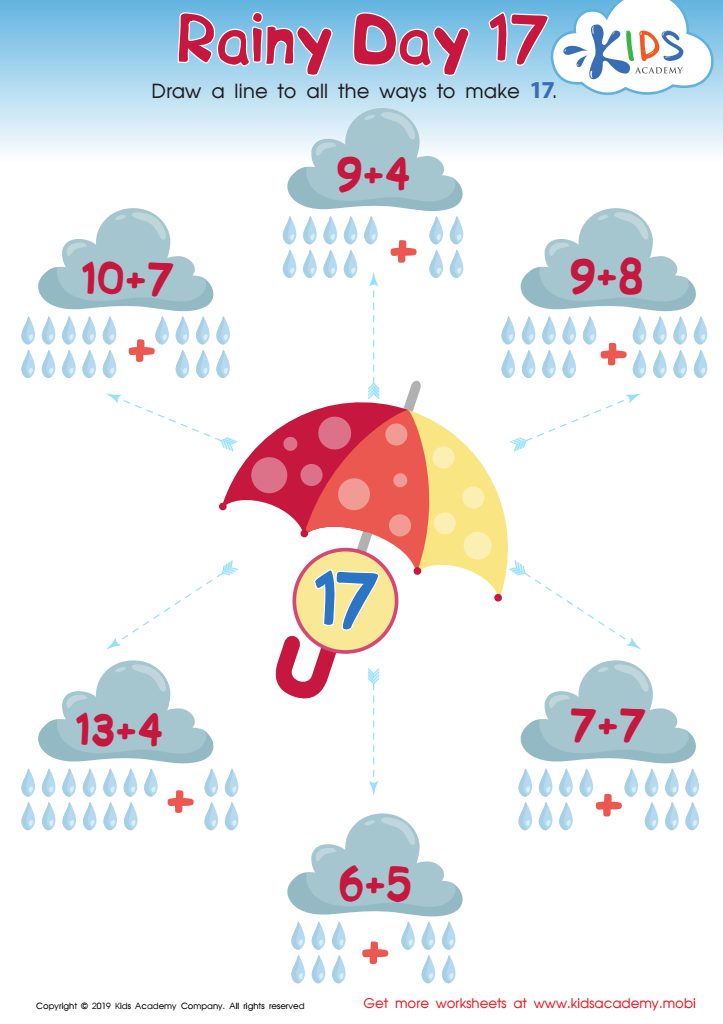
Rainy Day 17 Worksheet
 Assign to My Students
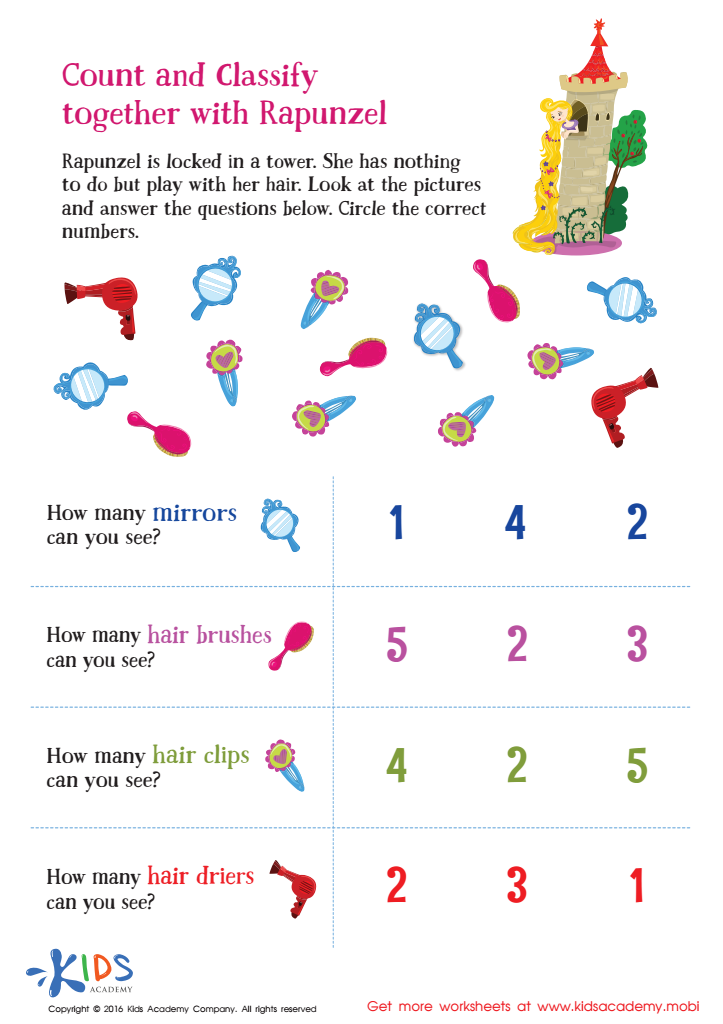
Fairy Tale Worksheet: Count and Classify with Rapunzel
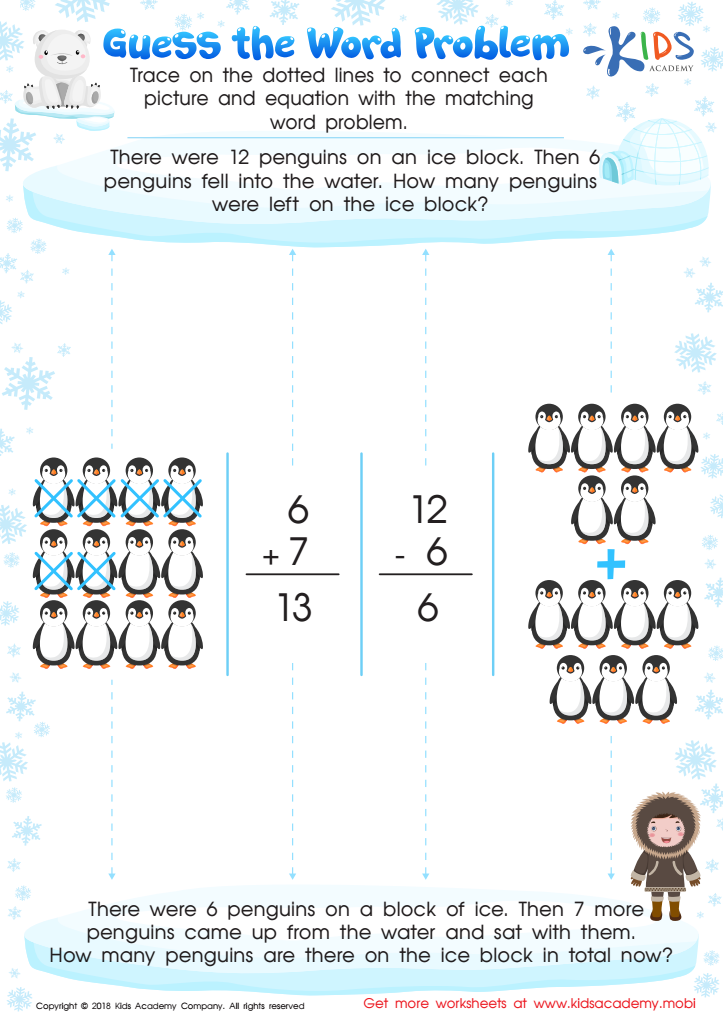
Guess the Word Problem Worksheet








Parents and teachers should care about Word Recognition Extra Challenge Math for Ages 4-6 because this stage of literacy and numeracy development lays a crucial foundation for a child's future academic success. Early literacy skills, such as word recognition, are essential for decoding, comprehension, and overall reading proficiency. By engaging in activities designed to enhance word recognition, children improve their ability to identify and understand words, which advances their reading skills.
Moreover, math skills are intricately connected to language development. The Word Recognition Extra Challenge Math integrates these two critical areas, encouraging children to recognize numerical concepts and mathematical vocabulary alongside their reading journey. This integrated approach not only reinforces cognitive connections but also makes learning more enjoyable and holistic.
Furthermore, this program addresses the diverse learning styles present in early education settings. By offering extra challenges, it supports advanced learners while encouraging those who need more time to grasp basic concepts. Parents and teachers can foster a lifelong love for learning, setting the stage for confident readers and proficient problem-solvers. Prioritizing these educational tools is instrumental in shaping children’s academic trajectories and building their self-esteem as learners.