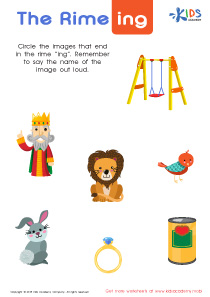
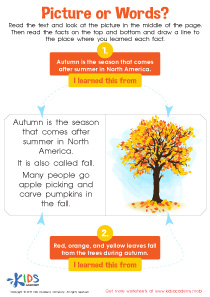
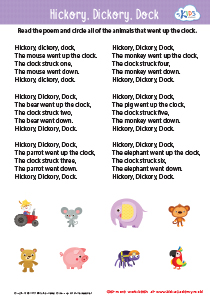
Letter recognition Extra Challenge Reading Worksheets for Ages 4-6
3 filtered results
Difficulty Level
Grade
Age
-
From - To
Subject
Activity
Standards
Unlock your child's potential with our "Letter Recognition Extra Challenge Reading Worksheets" designed specifically for ages 4-6. These engaging worksheets provide a fun way for young learners to master letter recognition skills through a variety of interactive activities. Featuring colorful illustrations and captivating exercises, children will enhance their ability to identify, match, and differentiate letters. Ideal for parents and educators seeking to boost early literacy, our extra challenge worksheets will motivate kids to explore letters beyond the basics, ensuring that they build a strong foundation for reading. Inspire your child's learning journey today with our innovative resources!
Favorites
With answer key
Interactive
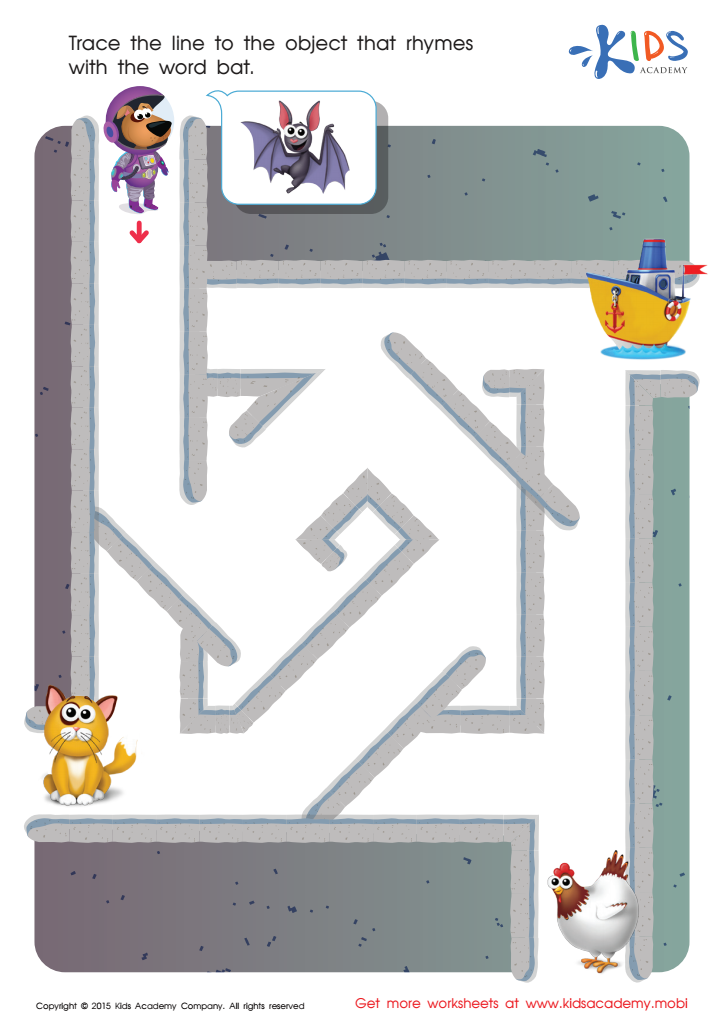
Bat Rhyming Words Worksheet
Get new reading and vocabulary worksheets to help make learning enjoyable for you and your kids. Join the dog and match the objects that rhyme. Have a blast!
 Assign to My Students
Bat Rhyming Words Worksheet
Worksheet
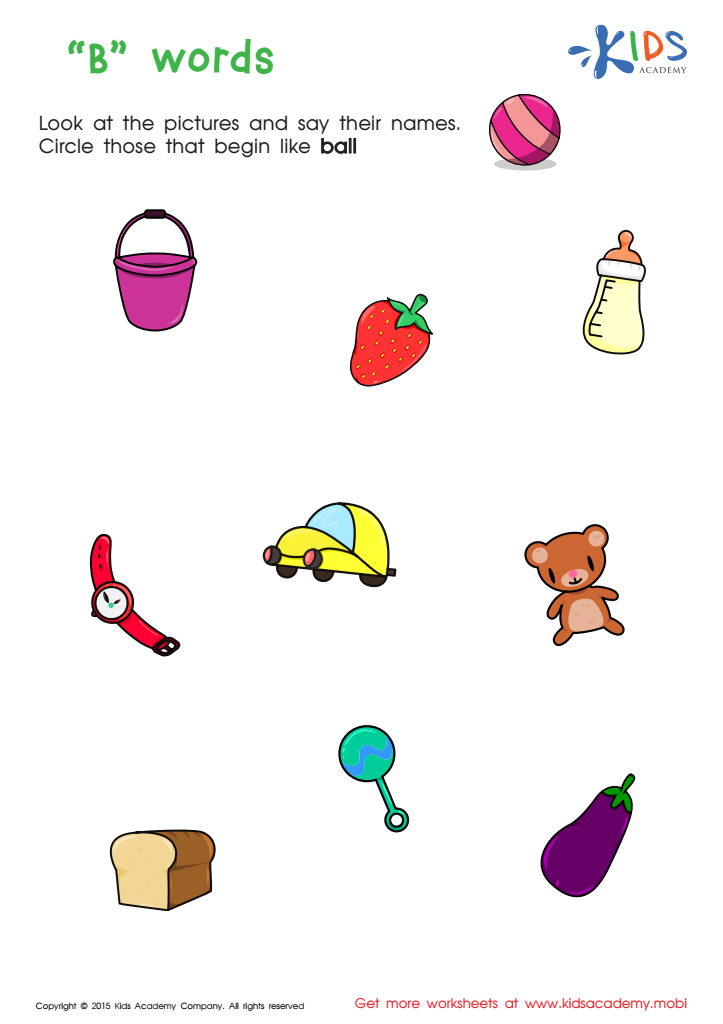
First Words Worksheet
Want to help your preschooler learn to read and write? Start with this 'B' words printable worksheet. It will help your child match pictures to the letters they know, sound out words, and build literacy. Once they understand the concept, they can start sounding out words and building reading skills.
First Words Worksheet
Worksheet
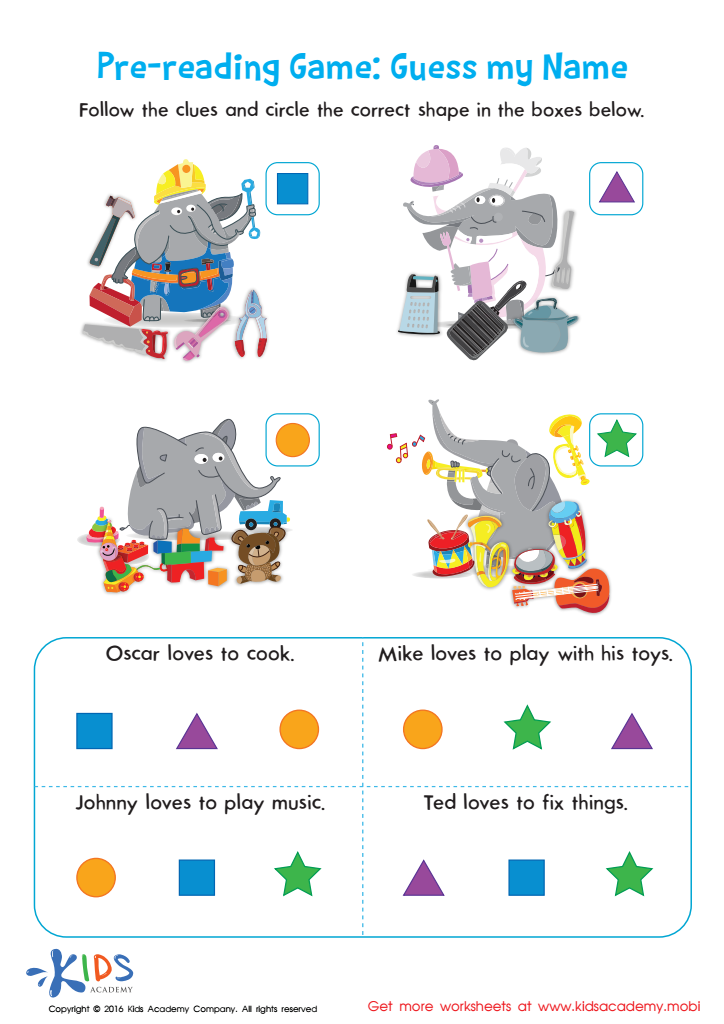
Pre Reading Worksheet Guess My Name
Guess My Name is a fun way to practice inference skills.
Guess My Name is a fun pre-reading game to help your child practice drawing inferences from clues. With colorful illustrations, they'll use clues to match each elephant with its sentence and sharpen their inference skills.
Pre Reading Worksheet Guess My Name
Worksheet
Join Kids Academy for Free
Who is primarily going to use this learning content?




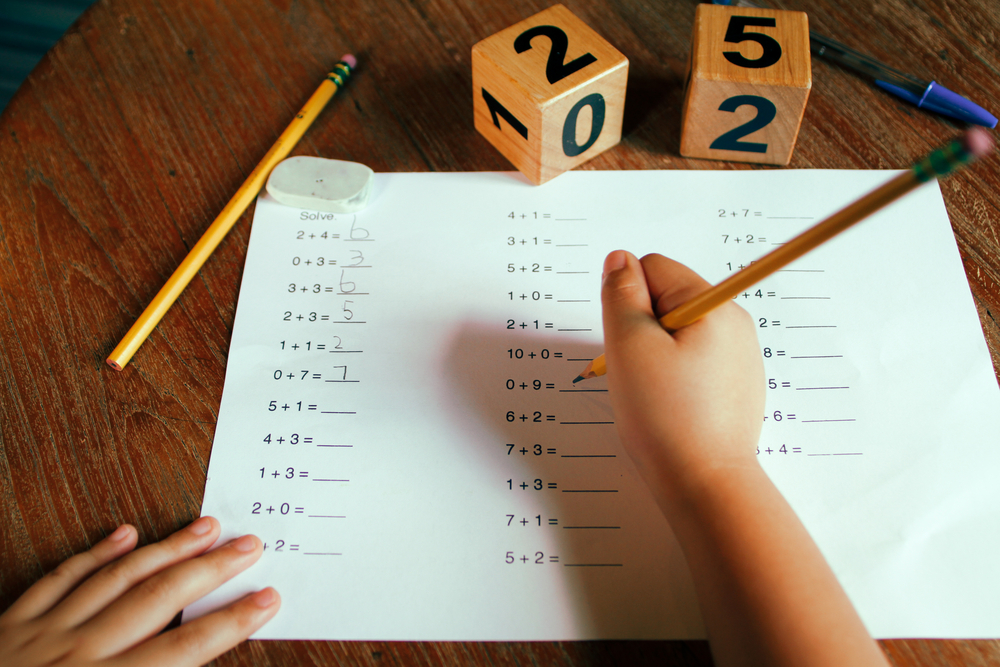


Letter recognition is a fundamental skill for early literacy development, particularly for children aged 4-6. For parents and teachers, fostering this skill is crucial as it forms the foundation for reading and writing. Understanding letters helps children make connections between spoken and written language, enabling them to decode words, which enhances their overall communication abilities.
Engaging in extra challenge reading activities promotes not only letter recognition but also critical thinking and cognitive skills. These activities often involve interactive games, storytelling, and creative exercises that capture a child's interest, making learning enjoyable. Additionally, they encourage curiosity and a love for reading that can last a lifetime.
Support for letter recognition can also bridge socio-economic gaps; children who receive this early education are often better prepared for formal schooling, leading to more positive academic outcomes. By investing time in these activities, parents and teachers can create tailored learning experiences that instill confidence and competence in literacy.
Ultimately, a focus on letter recognition through challenge reading empowers children as they embark on their educational journey, equipping them with essential tools for success in reading, writing, and lifelong learning.