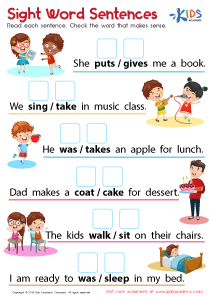
Extra Challenge Reading Non-Fiction Worksheets for Ages 4-6
6 filtered results
-
From - To
Discover engaging "Extra Challenge Reading Non-Fiction Worksheets for Ages 4-6" designed to foster young learners' reading and comprehension skills. Perfectly tailored for curious minds, these worksheets blend educational content with captivating topics to enhance your child’s understanding of the world. Each worksheet offers a variety of exercises that promote critical thinking, vocabulary development, and factual knowledge. With colorful illustrations and simple instructions, these resources make learning enjoyable and effective. Empower your child to excel in reading non-fiction while having fun with high-quality materials from Kids Academy. Engage, educate, and inspire your little readers with these valuable learning tools!
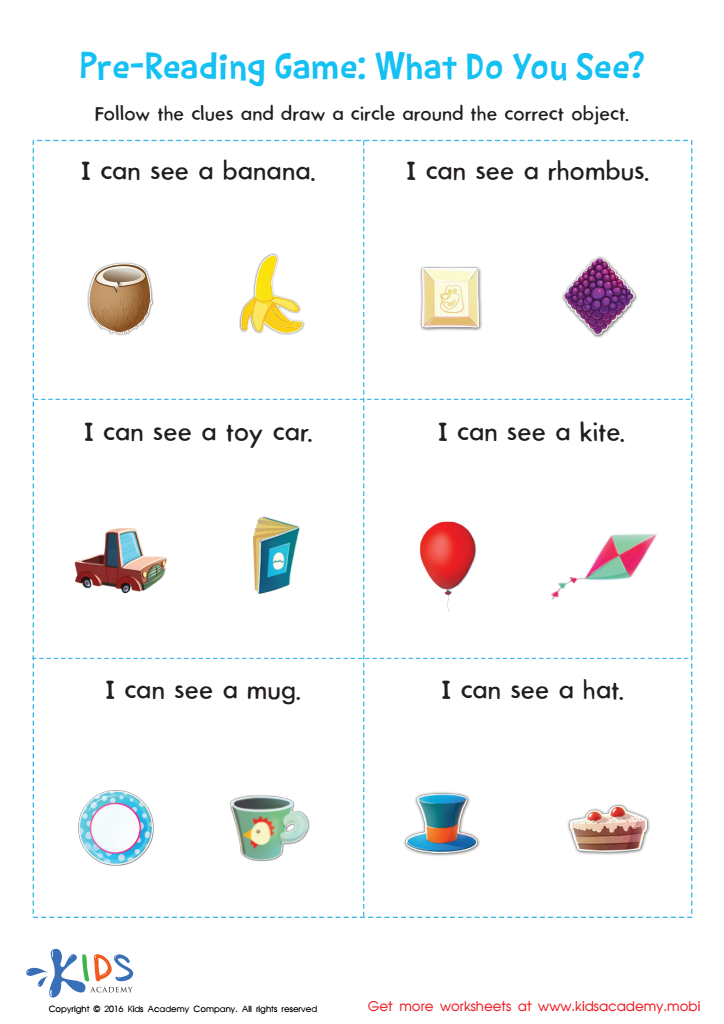
Pre–reading Worksheet: What Do You See?
 Assign to My Students
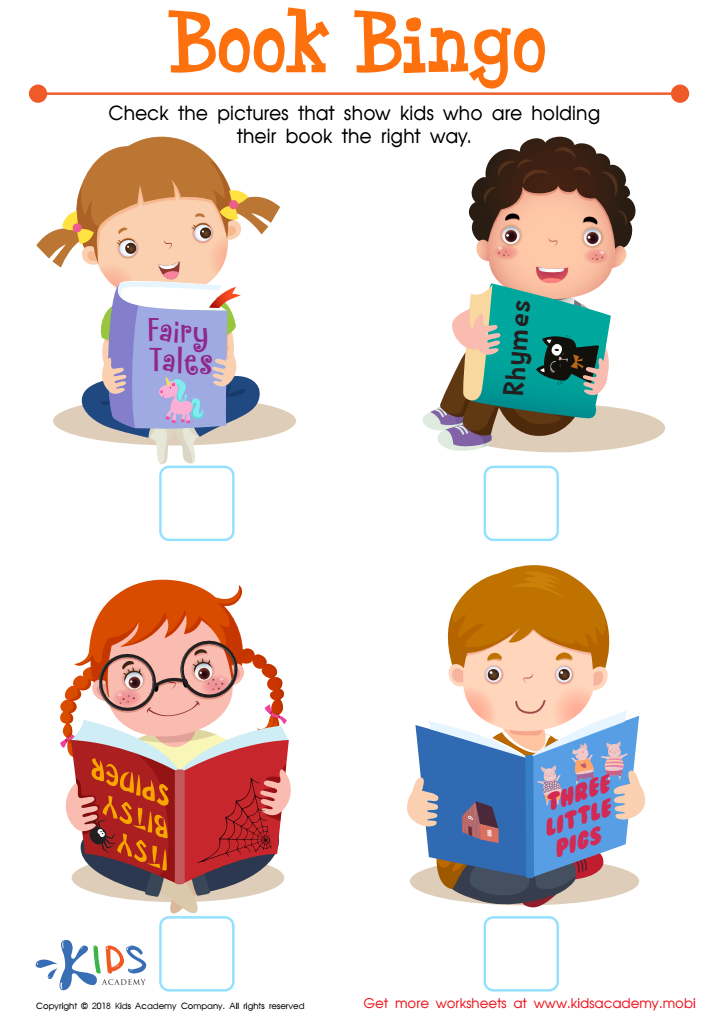
Book Bingo Worksheet
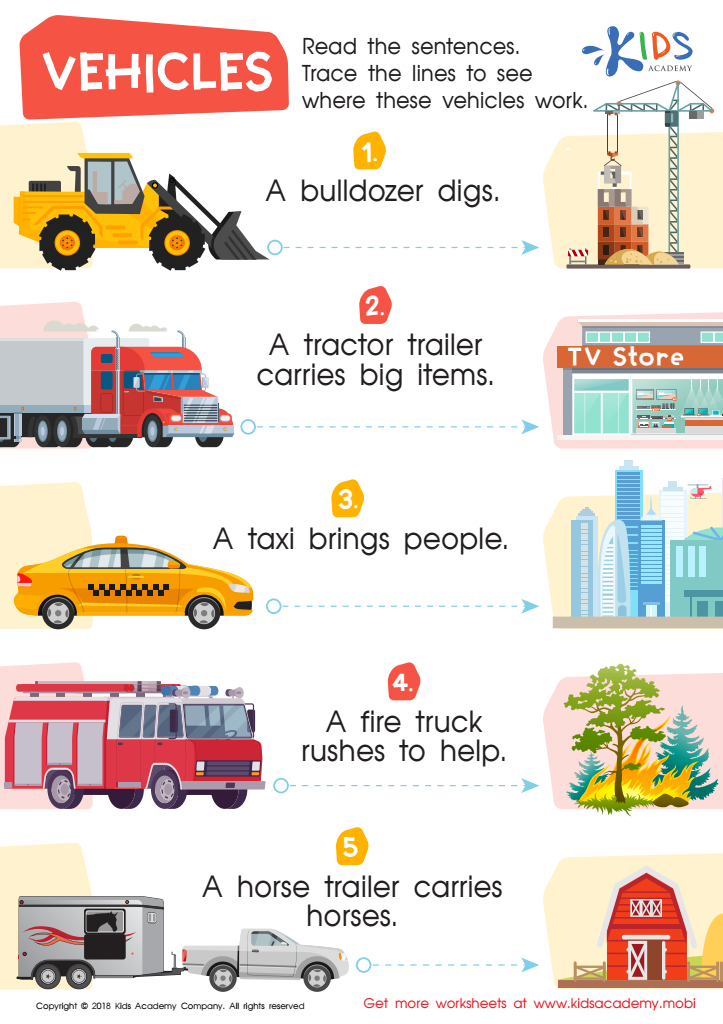
Vehicles Worksheet
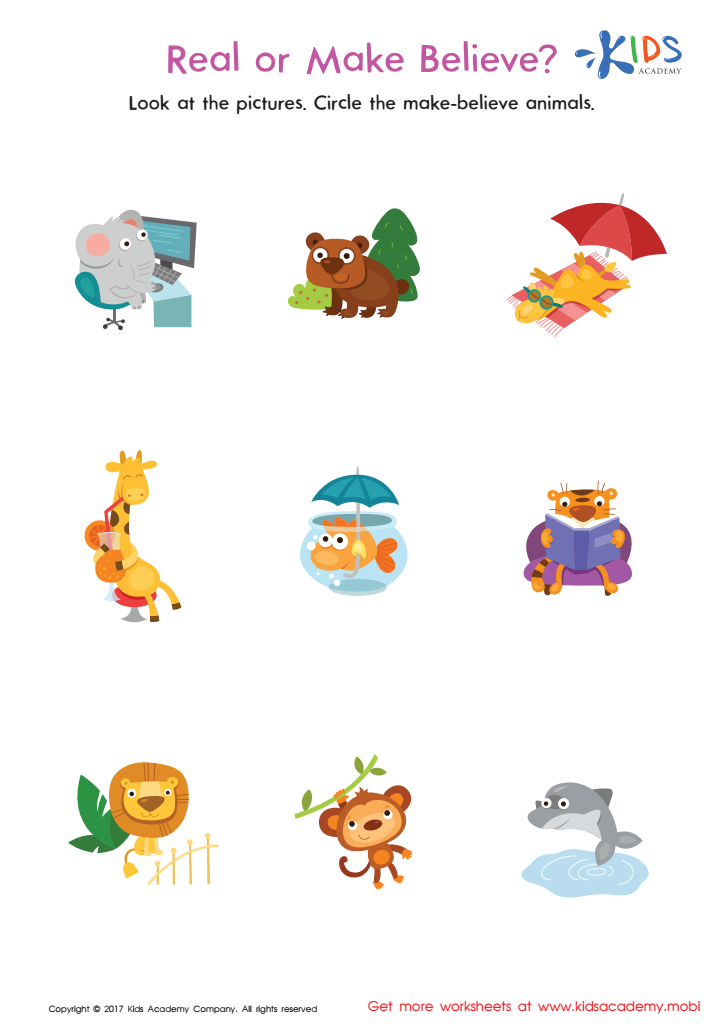
Fact or Make Believe Worksheet
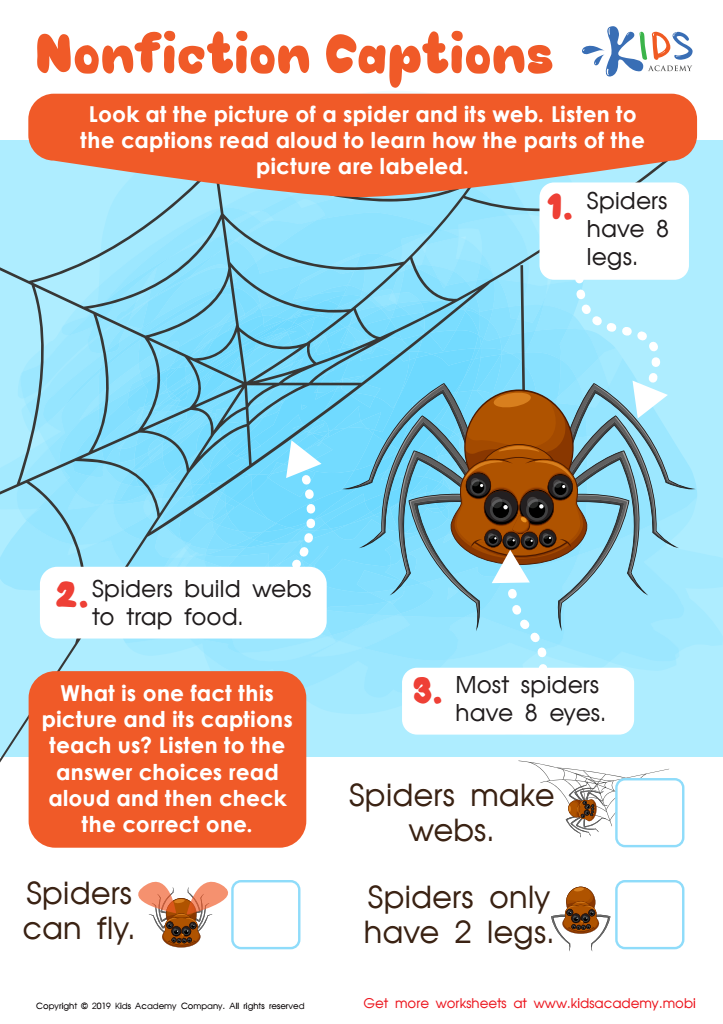
Nonfiction Captions Worksheet
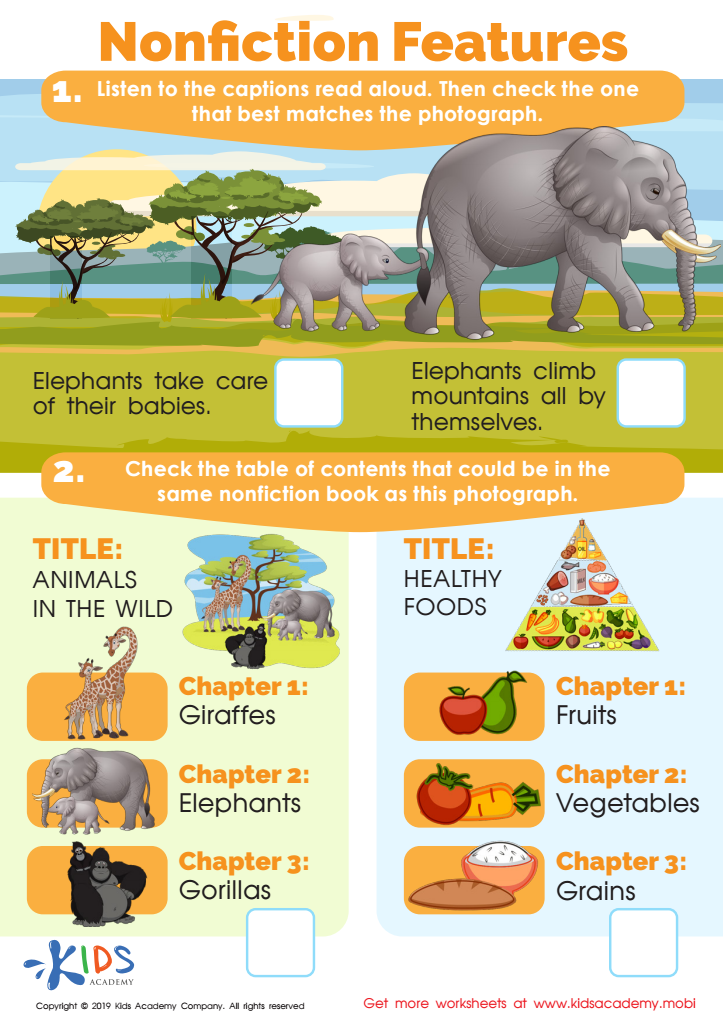
Nonfiction Features Worksheet








Encouraging children ages 4-6 to engage in Extra Challenge Reading Non-Fiction is crucial for their development, and both parents and teachers should prioritize it because this resource cultivates several essential skills and attributes in young learners. Non-fiction reading exposes children to factual information about the world around them, expanding their general knowledge and sparking natural curiosity. This early exposure helps children develop an understanding of various topics, from animals to historical events, aligning closely with their inquisitive nature.
Moreover, reading non-fiction strengthens comprehension skills critical to academic success. Children practice distinguishing between important facts and minor details, enhancing their ability to summarize and retain information. Challenging non-fiction texts also build their vocabulary, introducing them to specific terms related to different subjects which they wouldn't typically encounter in everyday conversation or fiction books.
Additionally, the experience of tackling more challenging texts at a young age nurtures perseverance and a growth mindset. When children successfully read and understand moderately complex non-fiction, their self-confidence blooms, and they become more enthusiastic about learning. Therefore, by incorporating Extra Challenge Reading Non-Fiction into daily routines, parents and teachers can significantly boost early literacy, foster intellectual curiosity, and lay a solid foundation for lifelong learning and exploration.