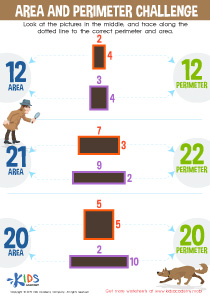
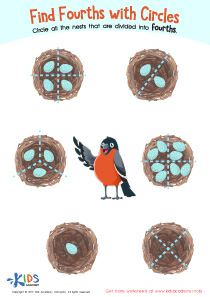
Cognitive Development Extra Challenge 2D Shapes Worksheets for Ages 4-7
4 filtered results
-
From - To
Boost your child's cognitive development with our "Cognitive Development Extra Challenge 2D Shapes Worksheets for Ages 4-7." These engaging worksheets are designed to enhance critical thinking and problem-solving skills through fun, interactive activities centered on recognizing and understanding 2D shapes. Perfect for early learners, our worksheets offer a variety of challenges that encourage exploration and hands-on learning. With vibrant visuals and diverse exercises, children build a solid foundation in geometry while developing essential cognitive abilities. Ideal for classroom use or at-home enrichment, these worksheets make learning both exciting and effective. Unlock your child's potential today!
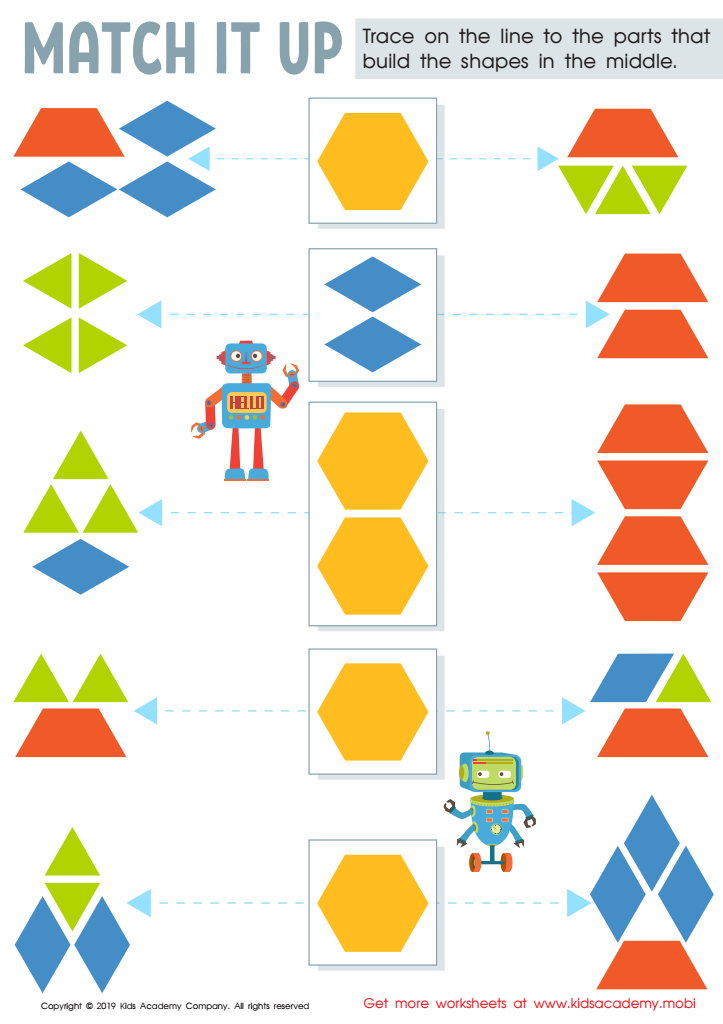
Match It up Worksheet
 Assign to My Students


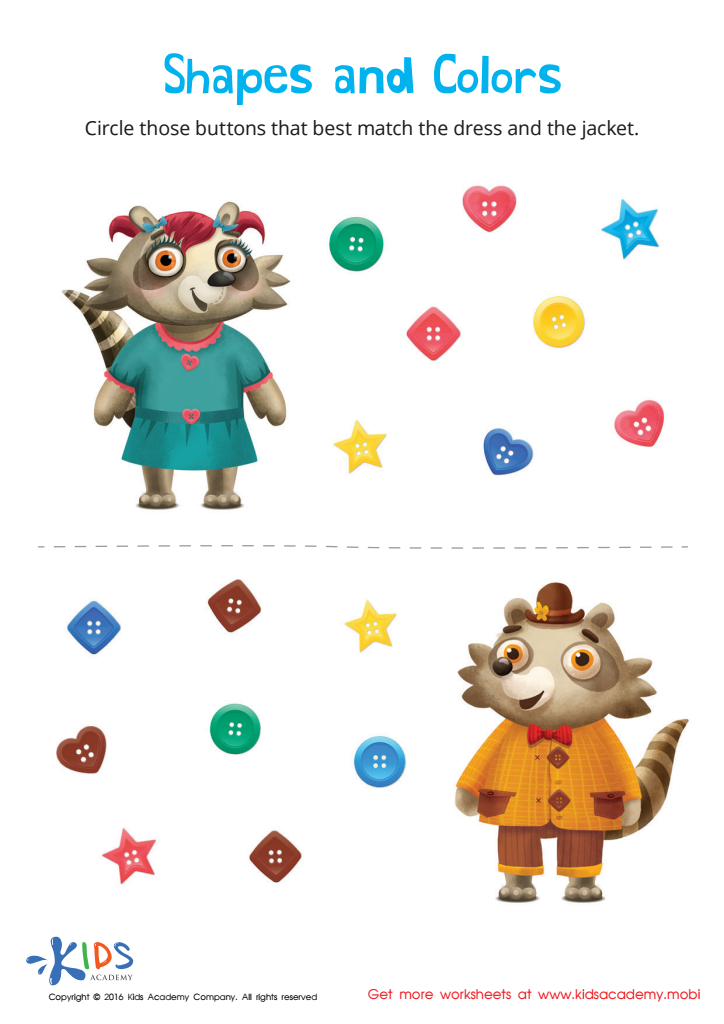
Matching: Shapes and Colors Worksheet
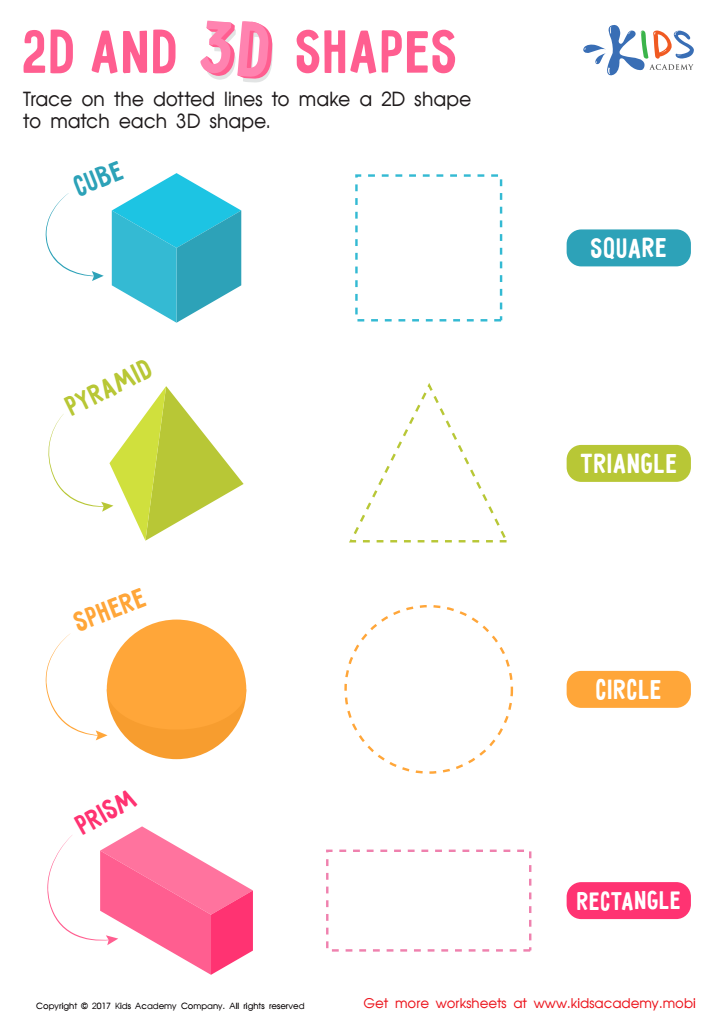
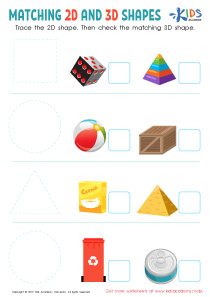
2D and 3D Shapes Worksheet
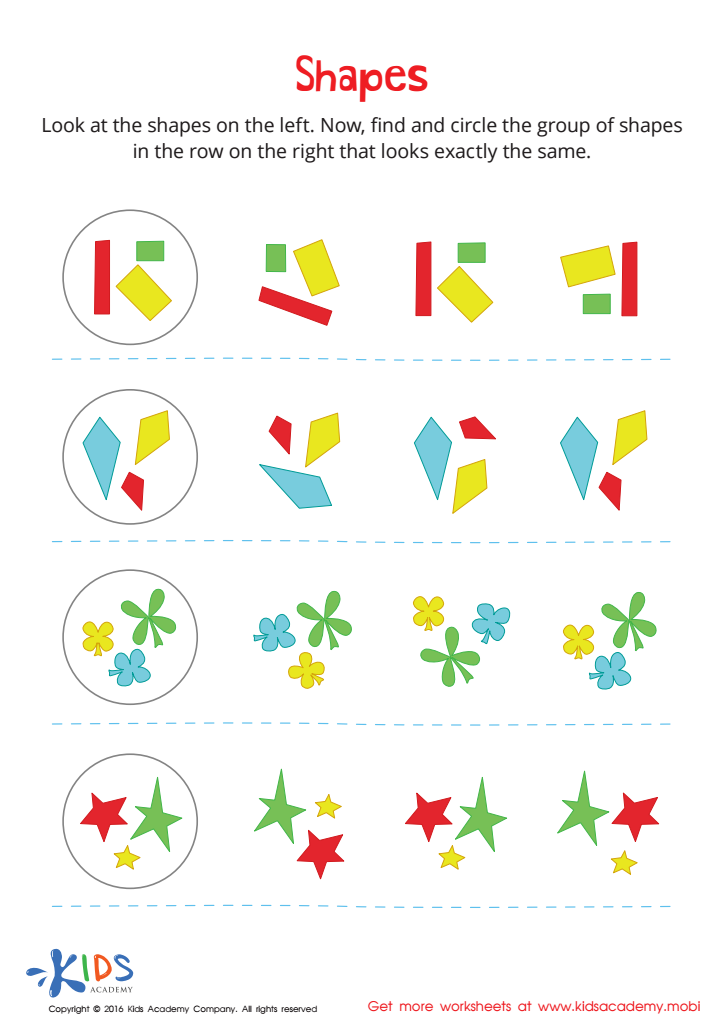
Shapes Worksheet








Parents and teachers should care deeply about cognitive development activities, such as Extra Challenge 2D Shapes, for children ages 4-7 because these activities are foundational to a child’s learning and intellectual growth. Engaging in tasks that involve 2D shapes helps develop critical thinking, spatial awareness, and problem-solving skills which are essential at this developmental stage. When children work with shapes, they are not just learning how to identify circles, squares, triangles, and rectangles; they are also beginning to understand how shapes interact, fit together, and relate to each other, which paves the way for more complex mathematical concepts in the future.
Moreover, cognitive development activities centered around 2D shapes can enhance fine motor skills as children manipulate and draw shapes, hone their visual perception, and improve their ability to recognize patterns. These tasks promote concentration, attention to detail, and persistence. Additionally, involving parents and teachers in these activities allows for quality interactions and positive reinforcement, further encouraging children’s enthusiasm for learning.
Understanding basic geometry concepts at an early age also supports early literacy; discussing shapes and their properties builds vocabulary and language skills. Given these multifaceted benefits, investing in cognitive development challenges featuring 2D shapes equips children with a robust foundation that supports their overall educational journey and lifelong learning.