Basic Addition Skills Extra Challenge Addition & Subtraction Worksheets for Ages 4-7
6 filtered results
-
From - To
Enhance your child's mathematical abilities with our "Basic Addition Skills Extra Challenge Worksheets," specially designed for ages 4-7. These engaging worksheets provide a fun and interactive way to reinforce addition and subtraction concepts. With a variety of challenges tailored to different skill levels, children will build their confidence as they complete puzzles, explore math games, and solve problems that keep them motivated. Designed to promote early numeracy, these worksheets are perfect for classroom use or at-home learning. Watch your young learners thrive as they master essential math skills in a playful and supportive environment!
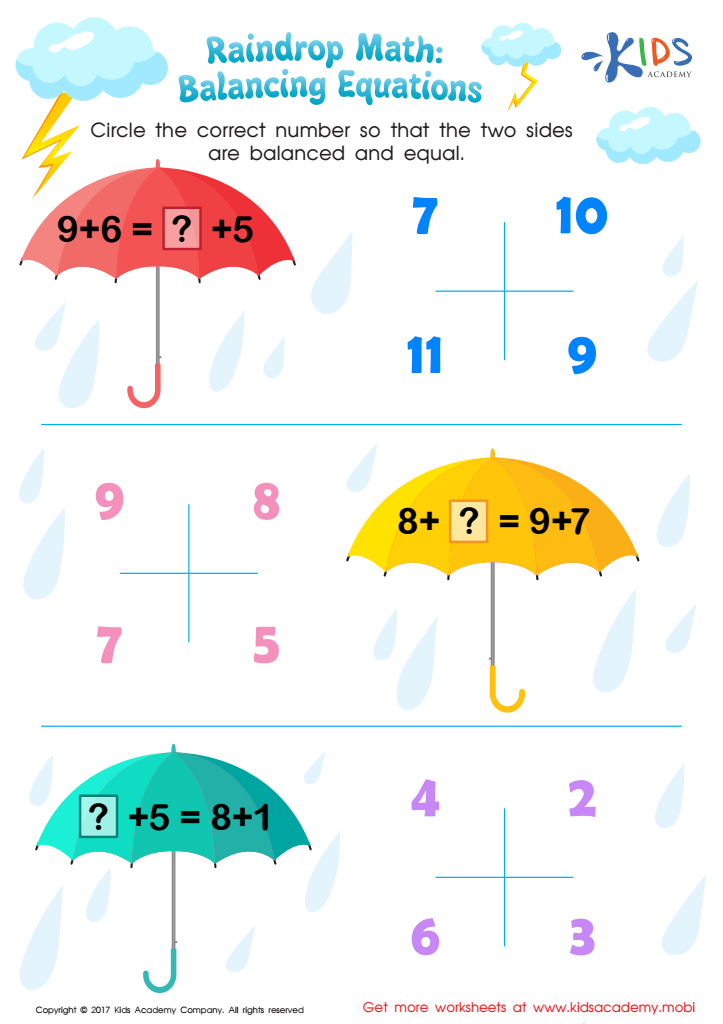
Raindrop Math Printable
 Assign to My Students
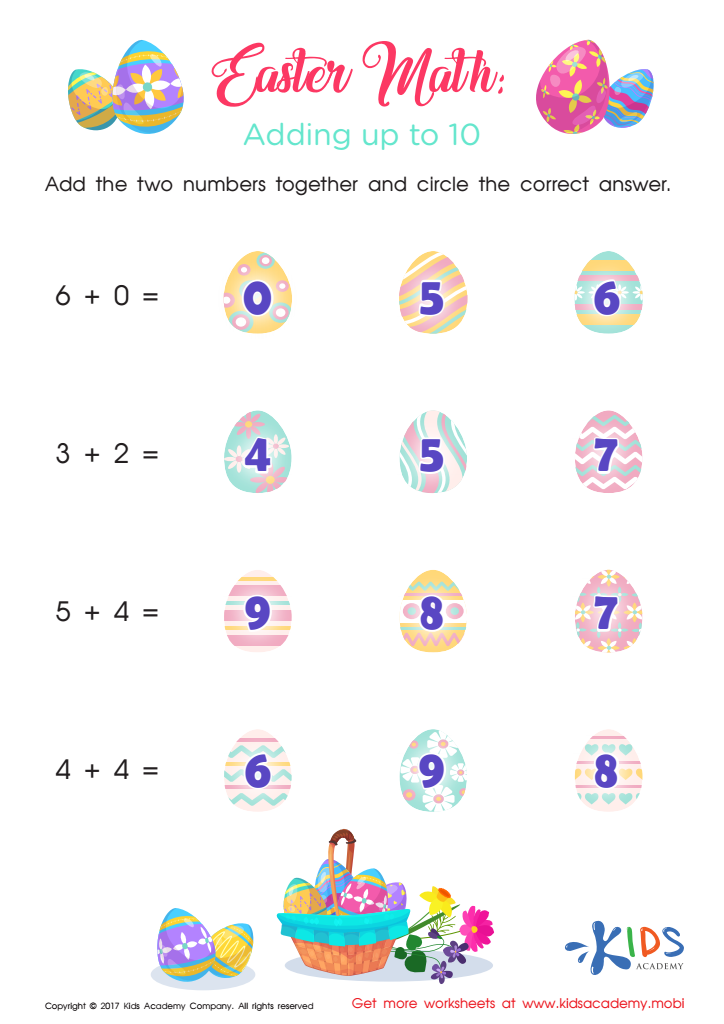
Addition Up To 10 Worksheet
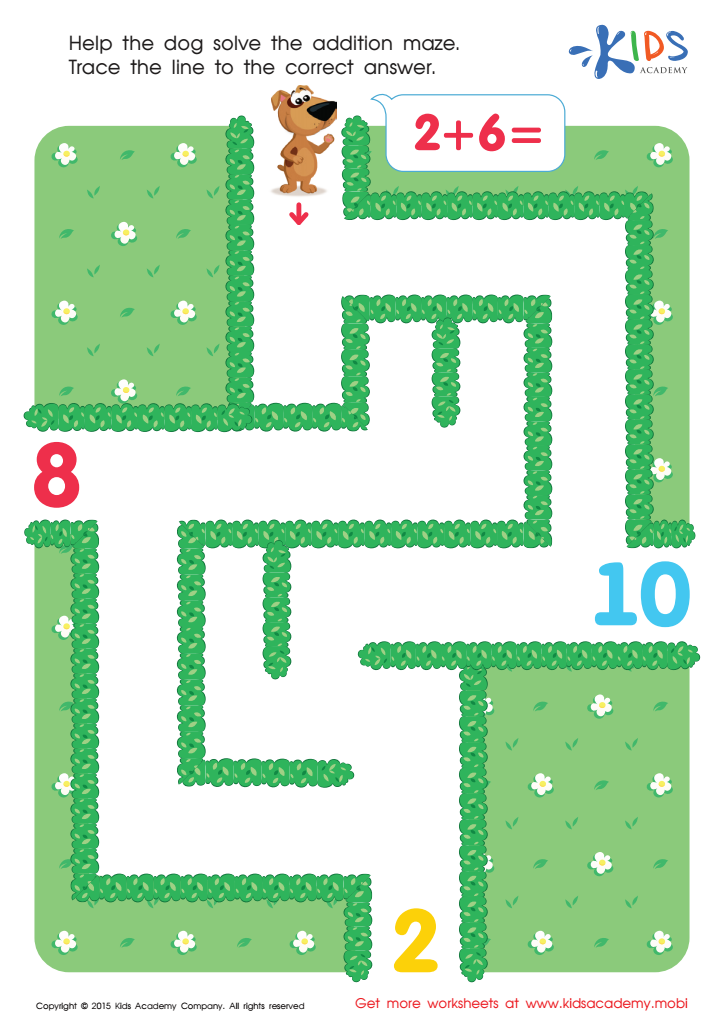
Two Plus Six Addition Worksheet
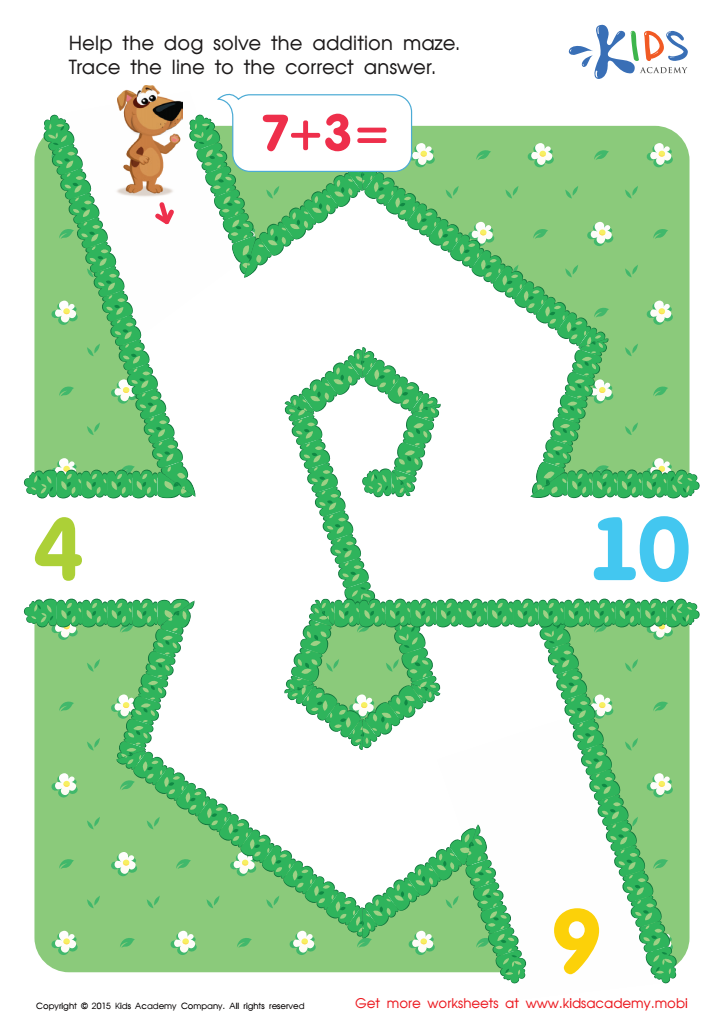
Seven Plus Three Worksheet
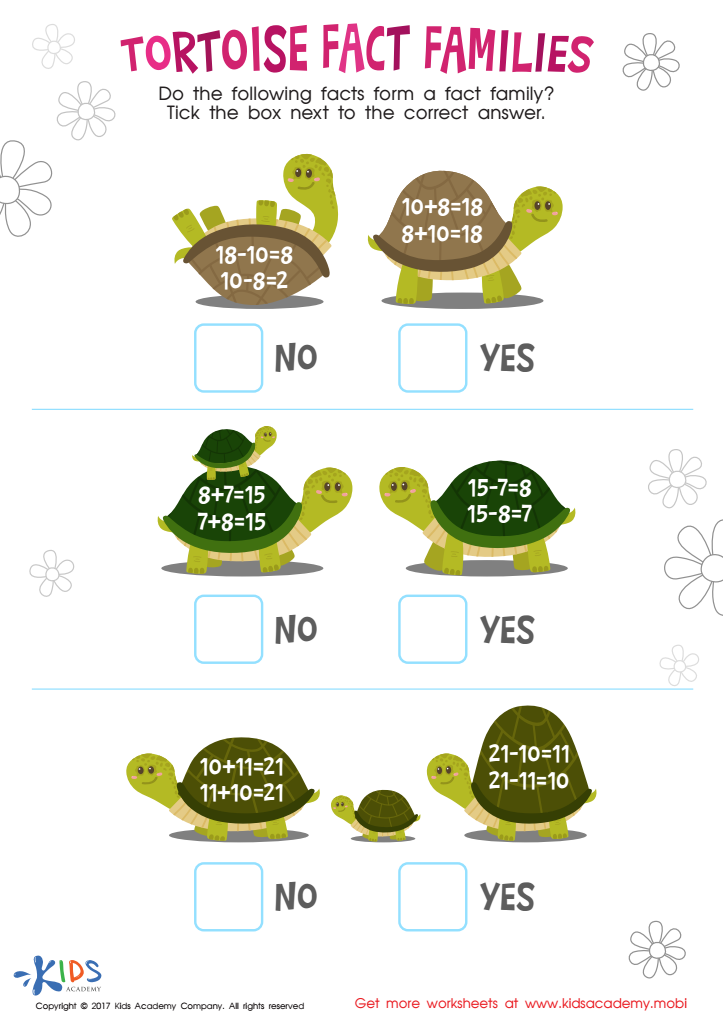
Tortoise Fact Families Printable
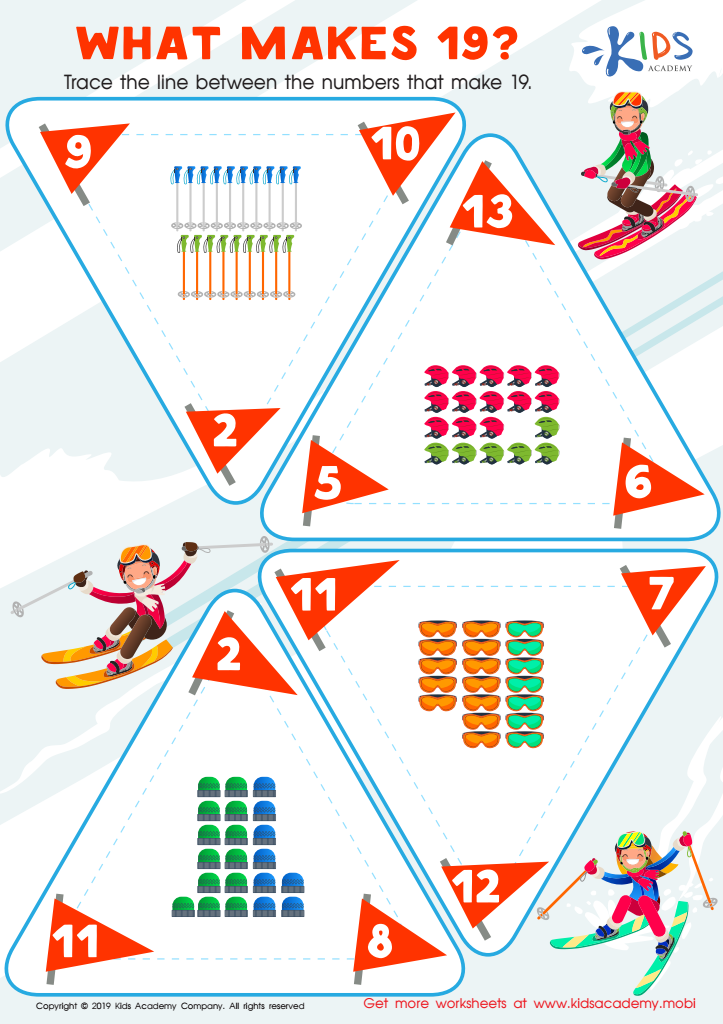
What Makes 19? Worksheet








Parents and teachers should prioritize Basic Addition Skills, including Extra Challenge Addition & Subtraction, for children ages 4-7 because these foundational skills are crucial for a child's mathematical development and overall cognitive growth. Mastering basic addition and subtraction provides children with the tools they need to solve problems, understand relationships between numbers, and engage in critical thinking.
At this age, children are naturally curious and eager to learn, making it an ideal time to introduce them to math concepts through fun and engaging activities. By incorporating challenging addition and subtraction exercises, educators and parents can stimulate a child’s interest in math, fostering a growth mindset that encourages perseverance in the face of difficulties.
Moreover, strong fundamental skills in math build confidence, preparing students for future academic challenges. Proficiency in basic arithmetic allows children to excel in more advanced topics as they progress in school. Early intervention in building math skills often leads to better academic performance and improved attitudes toward learning.
Finally, math skills are not just academic; they're used in everyday life activities, such as cooking, shopping, and budgeting. Teaching children these skills in their early years equips them with essential tools for success, fostering lifelong abilities that will benefit them in various aspects of their lives.








