Spatial awareness Extra Challenge Math Worksheets for Ages 4-7
9 filtered results
-
From - To
Enhance your child's spatial awareness with our Extra Challenge Math Worksheets designed specifically for ages 4-7. These engaging, carefully crafted worksheets focus on developing crucial spatial skills such as understanding shapes, sizes, positions, and patterns. By tackling these fun and interactive challenges, young learners will strengthen their problem-solving abilities and boost their confidence in math. Available in printable format, our worksheets offer a perfect blend of learning and play, catering to diverse learning styles. Watch your child thrive as they tackle these stimulating activities that lay the foundation for future mathematical success! Explore our collection today to ignite their love for learning!
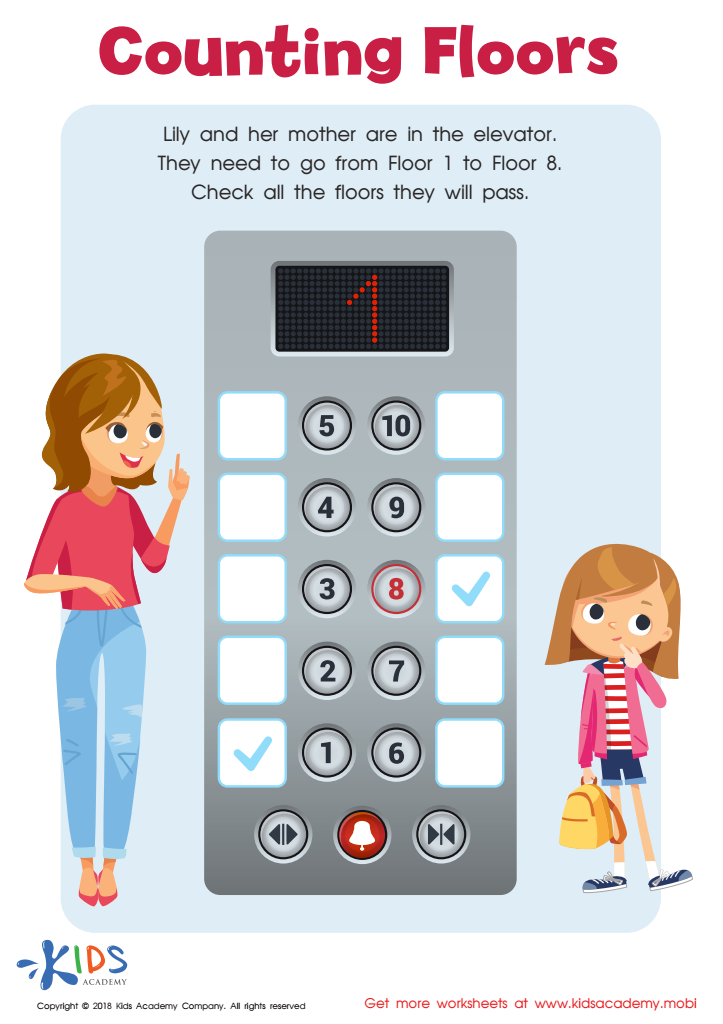
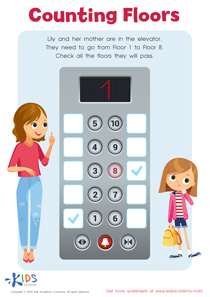
Counting Floors Worksheet
 Assign to My Students
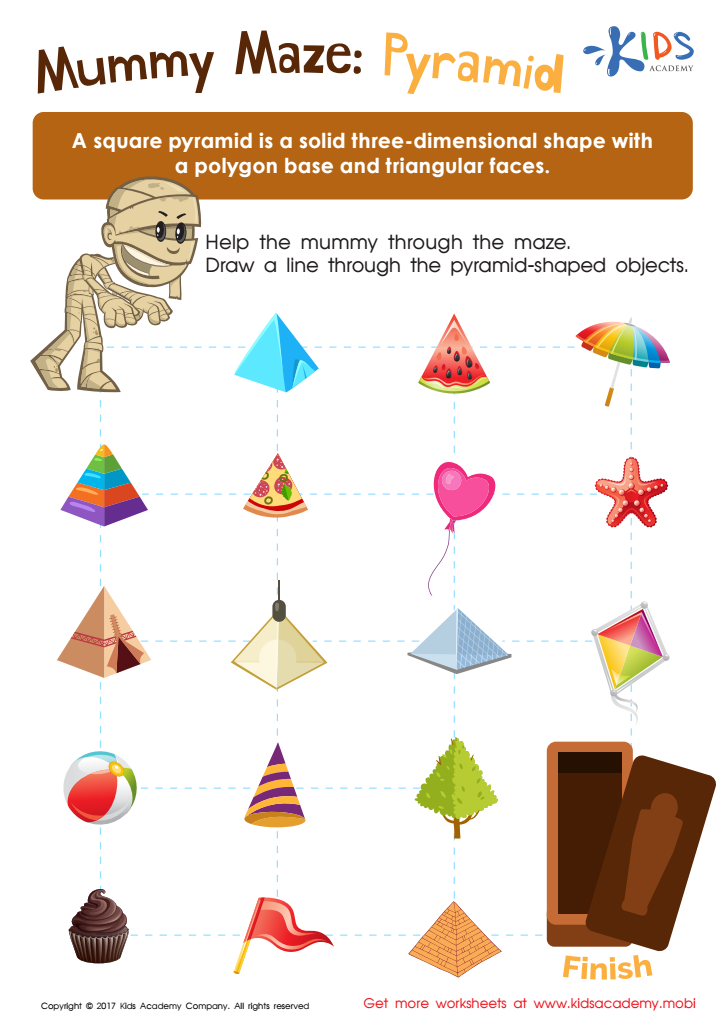
Mummy Maze: Pyramid Printable
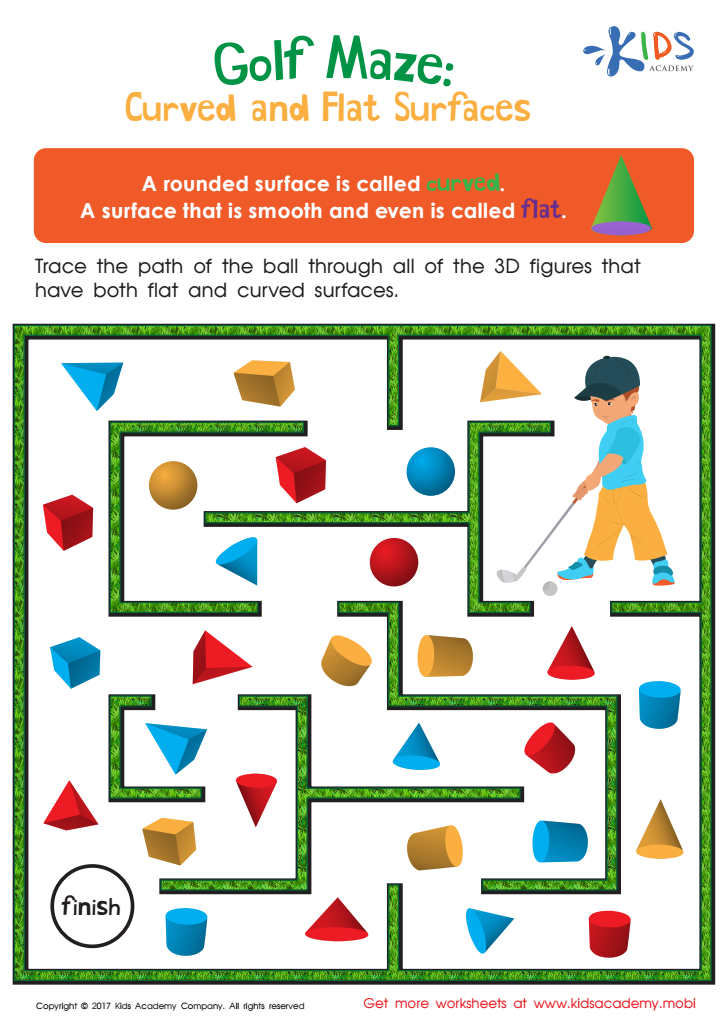
Golf Maze: Curved and Flat Surfaces Worksheet
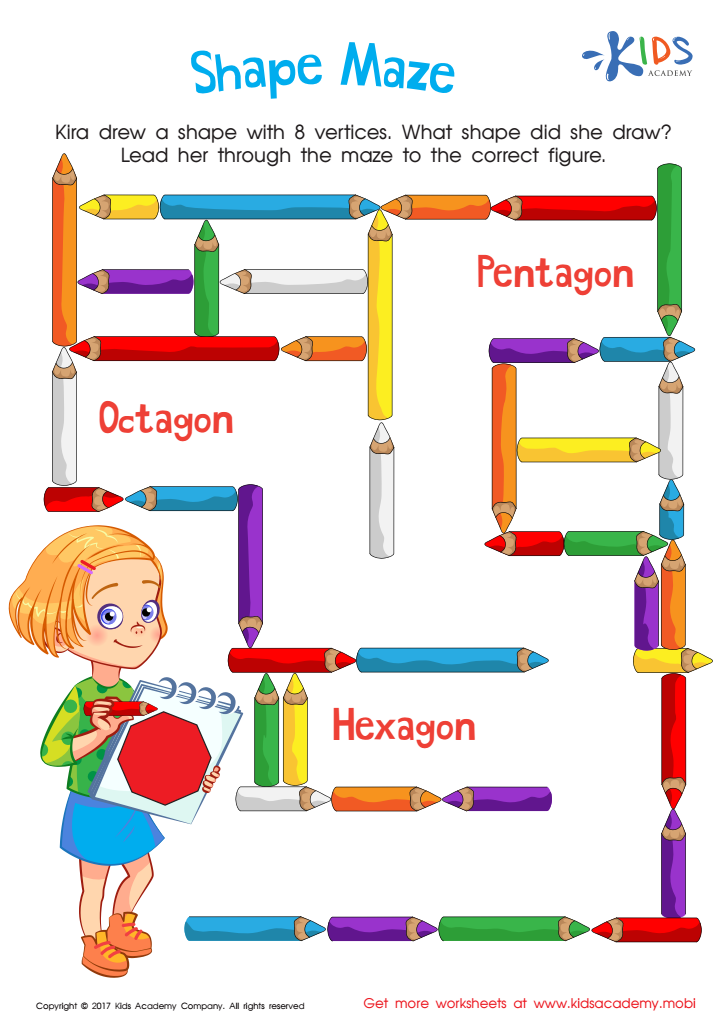
Shape Maze Worksheet
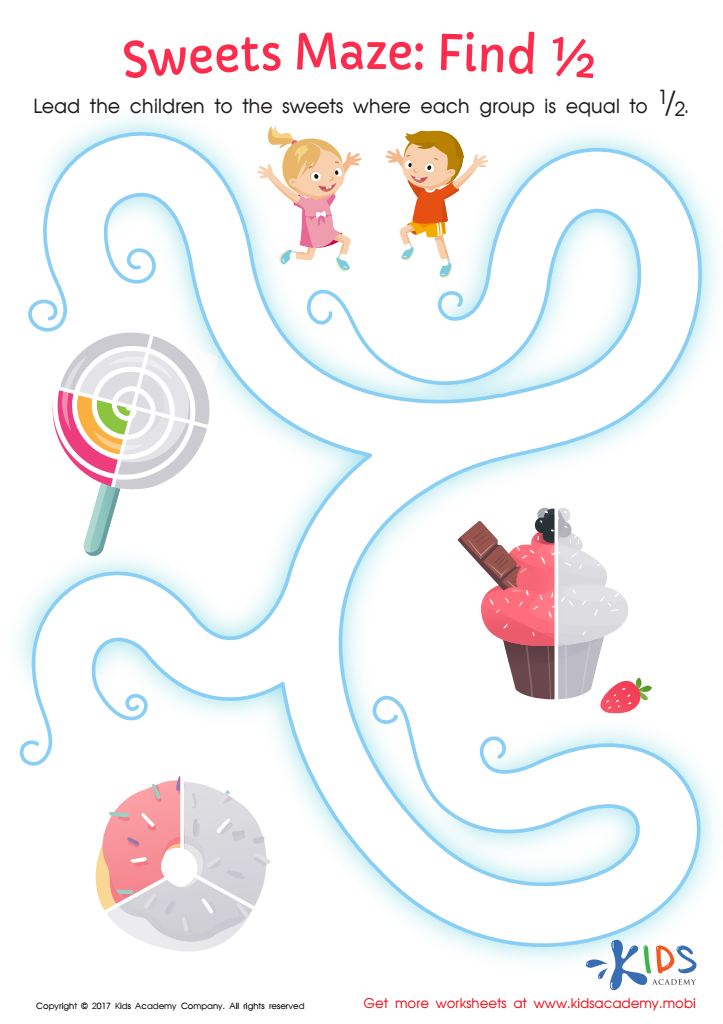
Fractions: Sweets Maze Worksheet
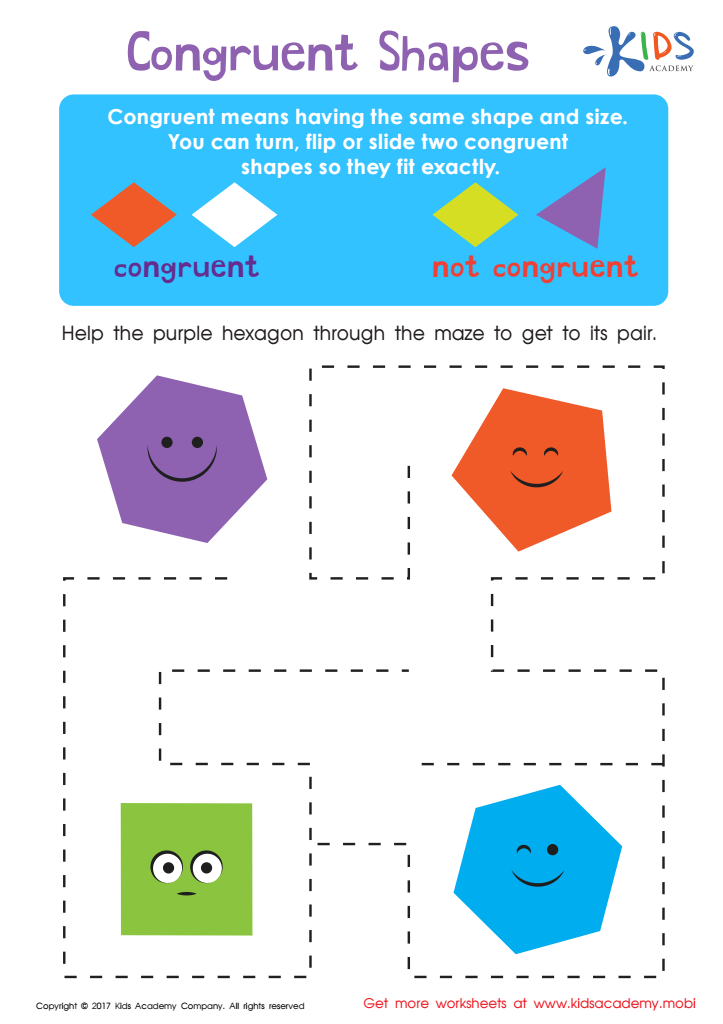
Congruent Shapes Worksheet
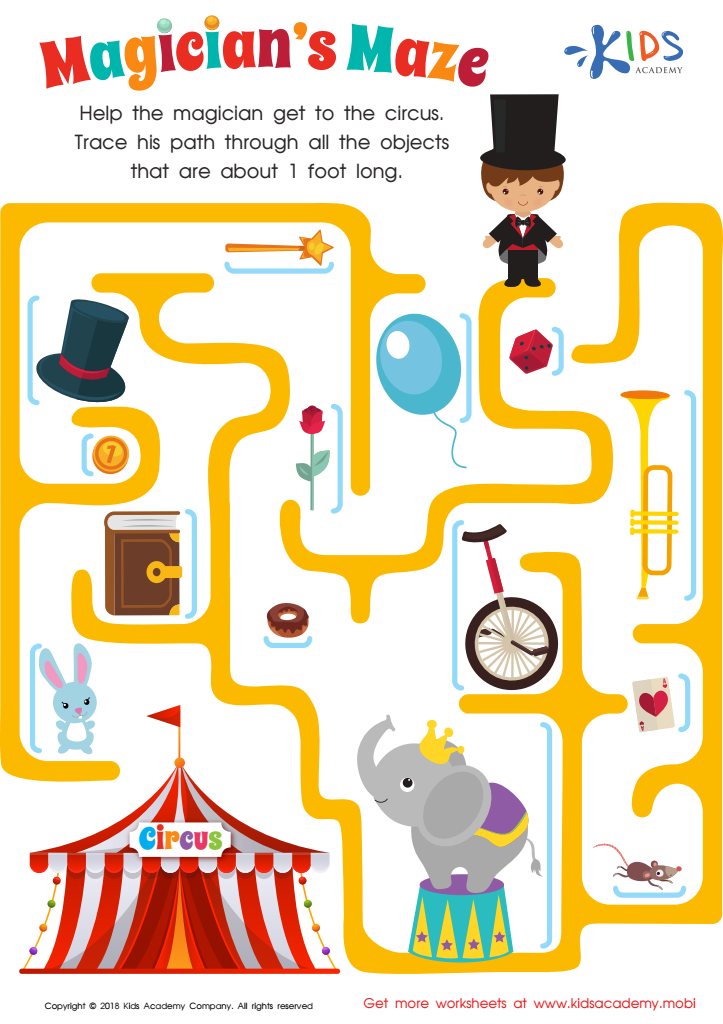
Estimating Length: Magician's Maze Worksheet
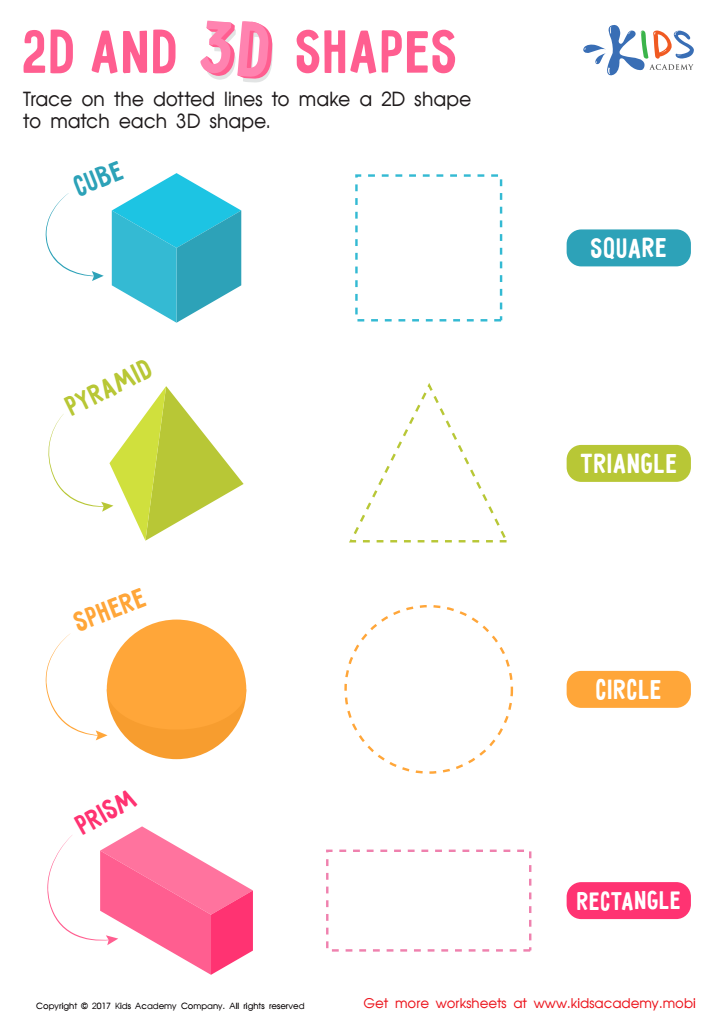
2D and 3D Shapes Worksheet
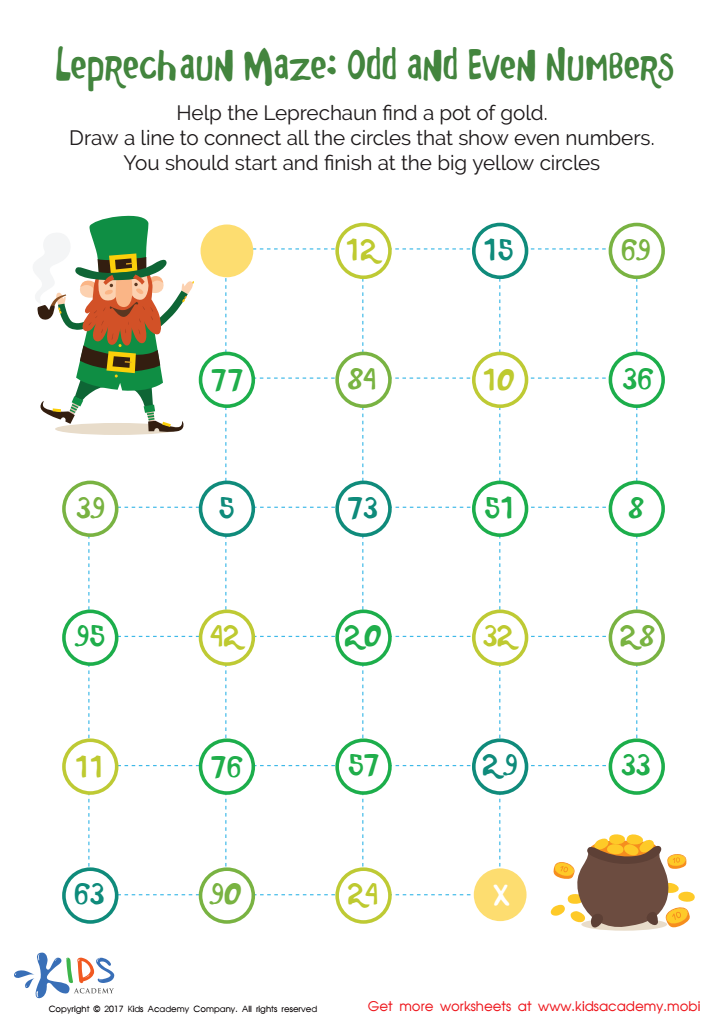
Leprechaun Maze Printable


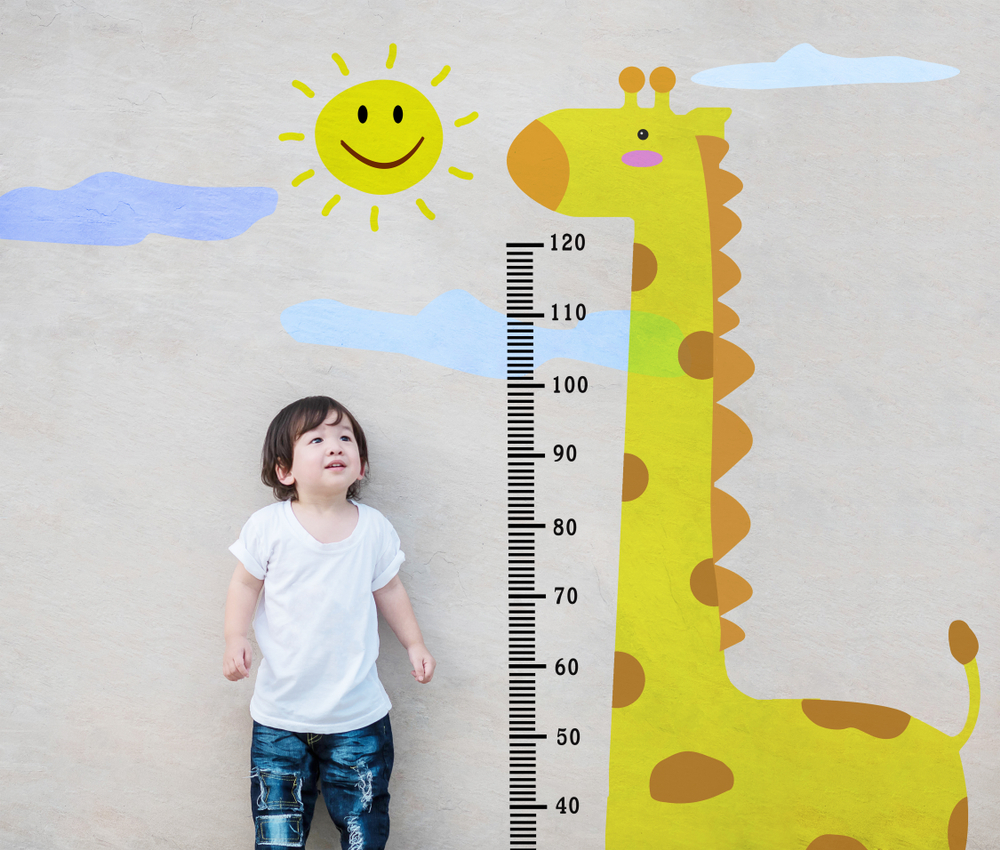





Spatial awareness plays a crucial role in a child's cognitive development and overall learning, especially in early math education. For parents and teachers, nurturing this skill through activities like Spatial Awareness Extra Challenge Math for Ages 4-7 is essential. Spatial awareness involves understanding the relationships between objects in space, which is foundational for essential math concepts such as geometry, measurement, and problem-solving.
Children with strong spatial skills tend to excel in STEM (Science, Technology, Engineering, and Mathematics) fields as they grow older. Engaging in spatial awareness activities not only enhances mathematical ability but also fosters critical thinking and creativity. These activities provide a playful yet structured way for young learners to visualize and manipulate objects, improving their ability to organize and interpret space effectively.
Moreover, fostering spatial awareness in early childhood can have long-term benefits for academic achievement, as children who struggle in this area may face challenges in higher-level math. By incorporating Spatial Awareness Extra Challenge Math into learning, both parents and teachers can equip children with vital skills, making learning enjoyable and setting a solid foundation for their future academic success. Investing time in these activities helps children develop confidence, persistence, and a strong mathematical mindset.