Filters

10 filtered results

Clear all filters
Favorites
With answer key
Interactive

10 filtered results

Difficulty Level

Grade


Explore the "Extra Challenge Plants and Animals Worksheets for Ages 4-7" designed to engage young learners in the fascinating world of flora and fauna! These worksheets provide a perfect blend of fun and education, encouraging children to discover and understand essential concepts about plants and animals. Tailored for early grade students, the enriching activities include identifying various species, learning about their habitats, and understanding the importance of biodiversity. With vibrant illustrations and age-appropriate challenges, kids will sharpen their critical thinking skills while developing a love for nature. Help your child cultivate their curiosity and knowledge of the natural world beyond the classroom!

Check out this FREE Trial Lesson on Plants and Animals for age 4-7!

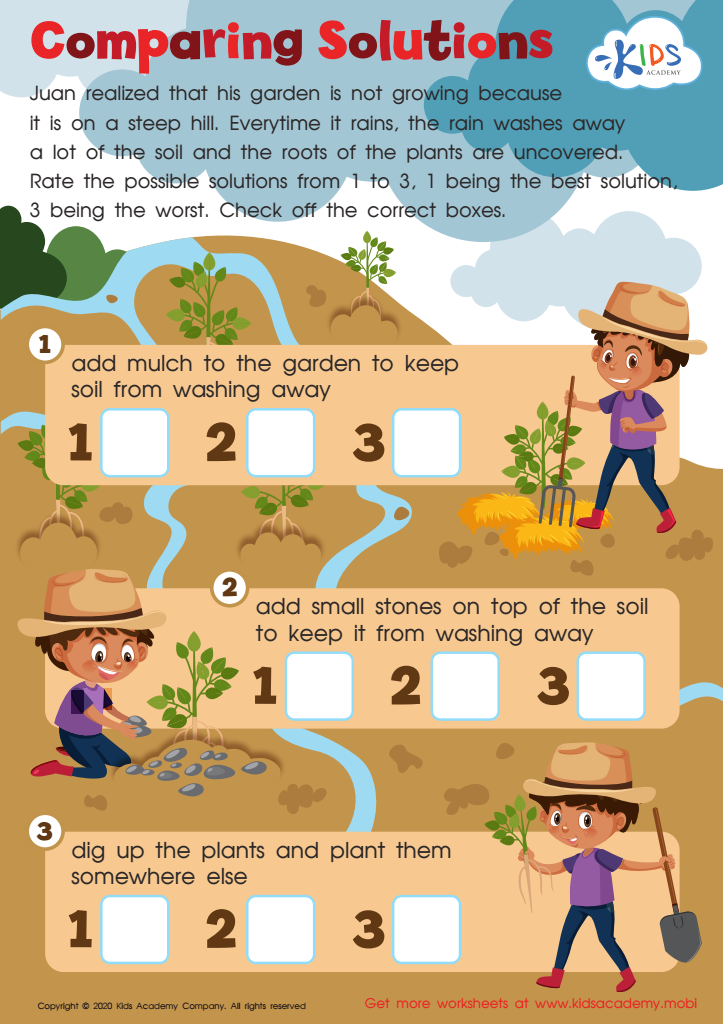
Comparing Solutions

Favorites
With answer key
Interactive
  • 4-7
  • Plants and Animals
  • Extra Challenge
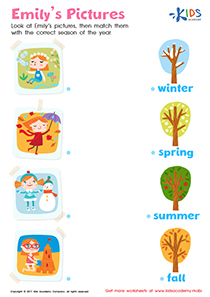
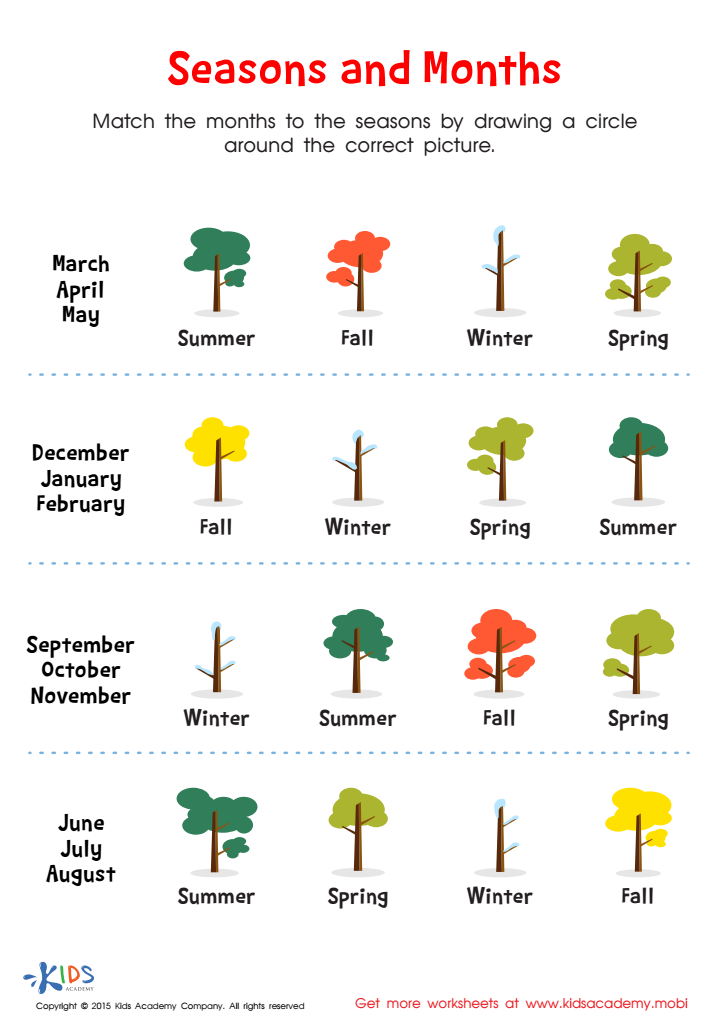
Seasons and Months Printable

Seasons and Months Worksheet

Help your child explore the world around them with this fun seasons and months printable worksheet. It'll help them understand the months of the year and the seasons connected to them, teaching valuable science knowledge and skills. Plus, engaging in conversations about the current month and season will extend their learning!
Seasons and Months Worksheet
Worksheet
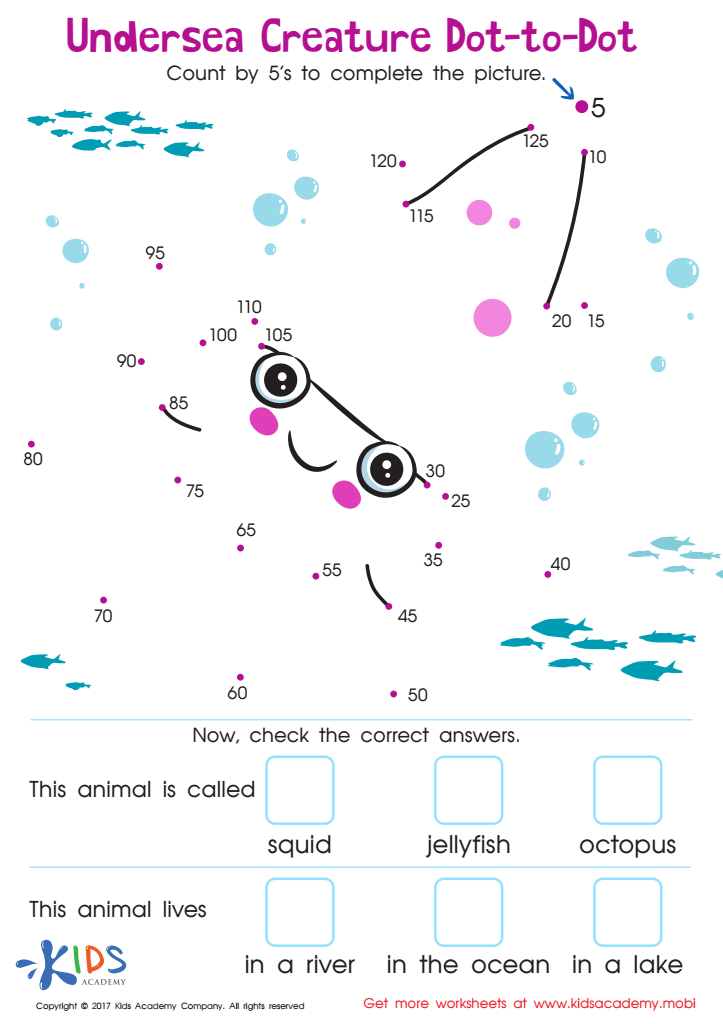
Undersea creature dot to dot worksheet

Undersea: Dot To Dot Worksheet
This dot-to-dot worksheet is a great way to teach kids about the undersea world while having fun. Kids will love connecting the dots and counting in 5s. Then they can check their answers.
Undersea: Dot To Dot Worksheet
Worksheet
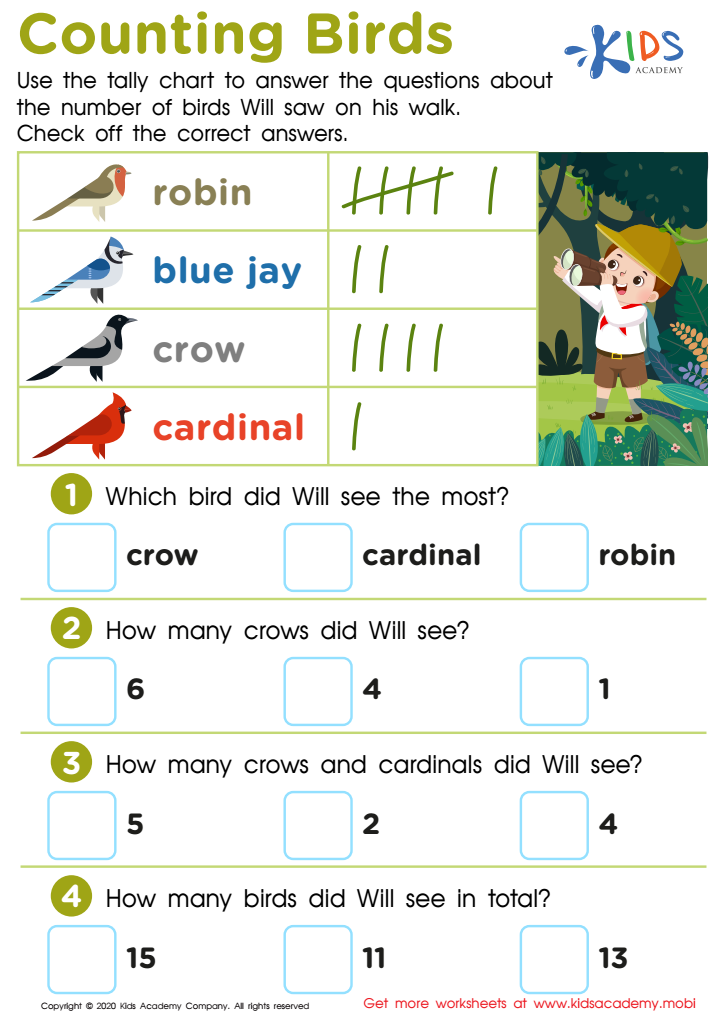
Counting Birds Worksheet

Counting Birds Worksheet

Introduce your child to the exciting activity of bird watching! This PDF worksheet features a tally chart of the different types of birds Will saw on his walk. Have your kid use the tally chart to organize information and use it to answer the questions that follow, thus boosting early science and math skills.
Counting Birds Worksheet
Worksheet
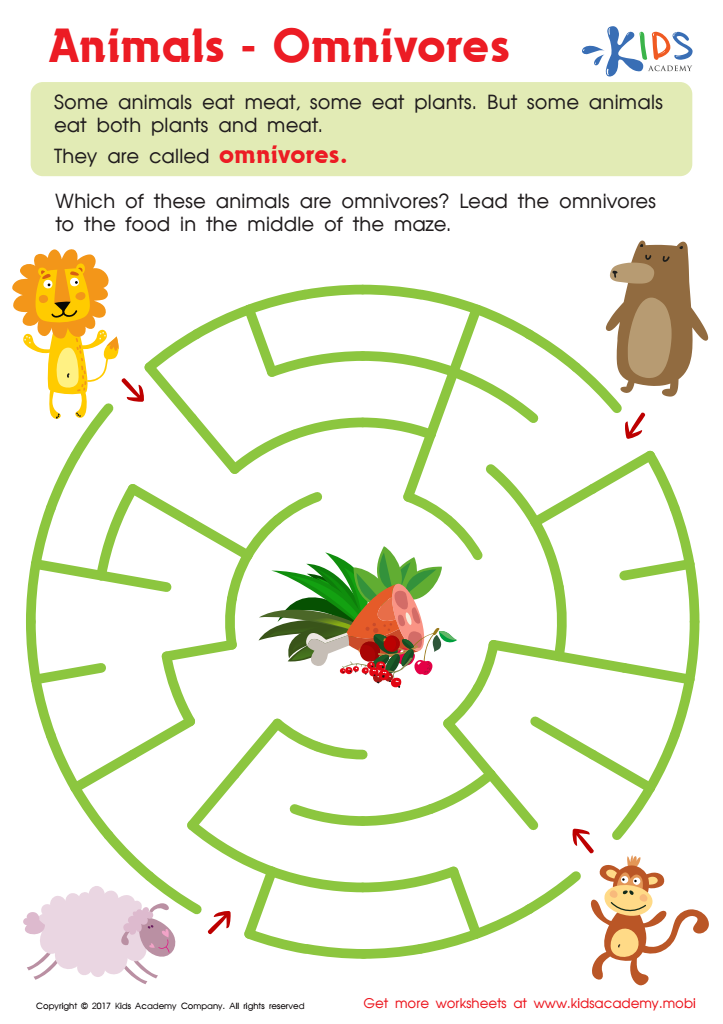
Omnivores animals worksheet pdf

Omnivores Animals Worksheet

Kids can explore omnivores animals with this worksheet! It presents herbivores, carnivores and omnivores, with the main activity being a maze. Kids must guide a bear through it to get to its food. See how much they know about omnivores!
Omnivores Animals Worksheet
Worksheet
Comparing Solutions Worksheet

Comparing Solutions Worksheet

Juan can't get his veg garden growing as he'd like, planted on a steep hill. Help your child practice problem-solving by comparing solutions and rating them from most to least effective. With this thought-provoking worksheet, learners can hone the important skill of finding the best solution from a range of options.
Comparing Solutions Worksheet
Worksheet
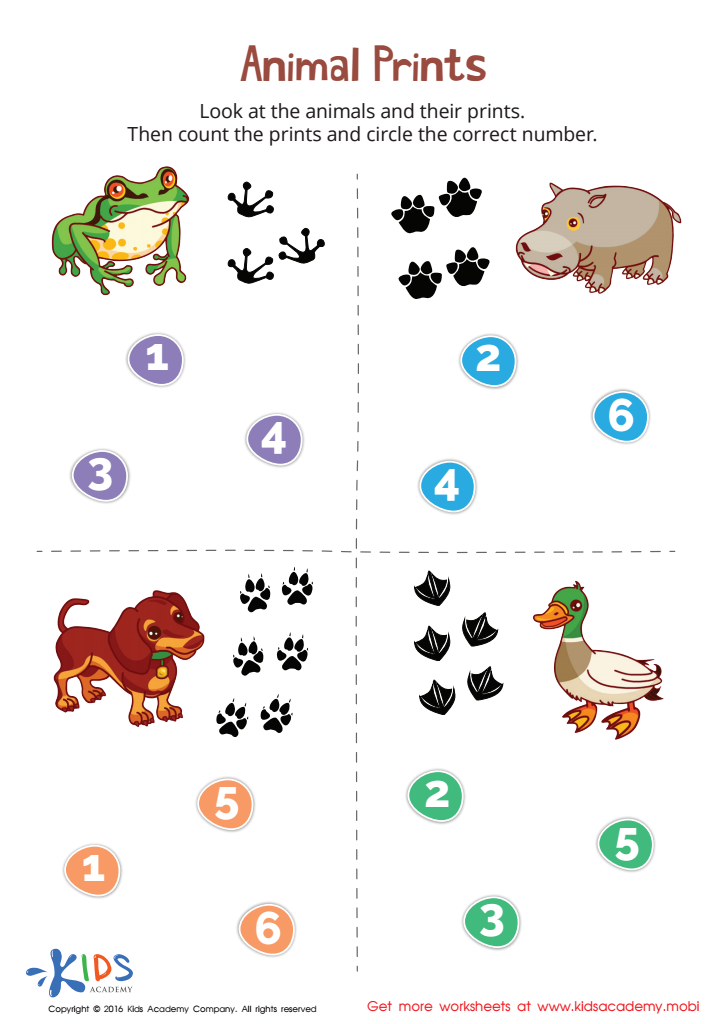
Animal Paw Prints Worksheet

Animal Prints Match-Up Worksheet
Help your little learner build early math skills with this fun animal paw prints worksheet. With it, they'll count, recognize numbers, and learn about the animals that make the paw prints. Talk to them about the prints and ask them to count. They'll love exploring and learning about the different animals, all while sharpening essential math skills!
Animal Prints Match-Up Worksheet
Worksheet
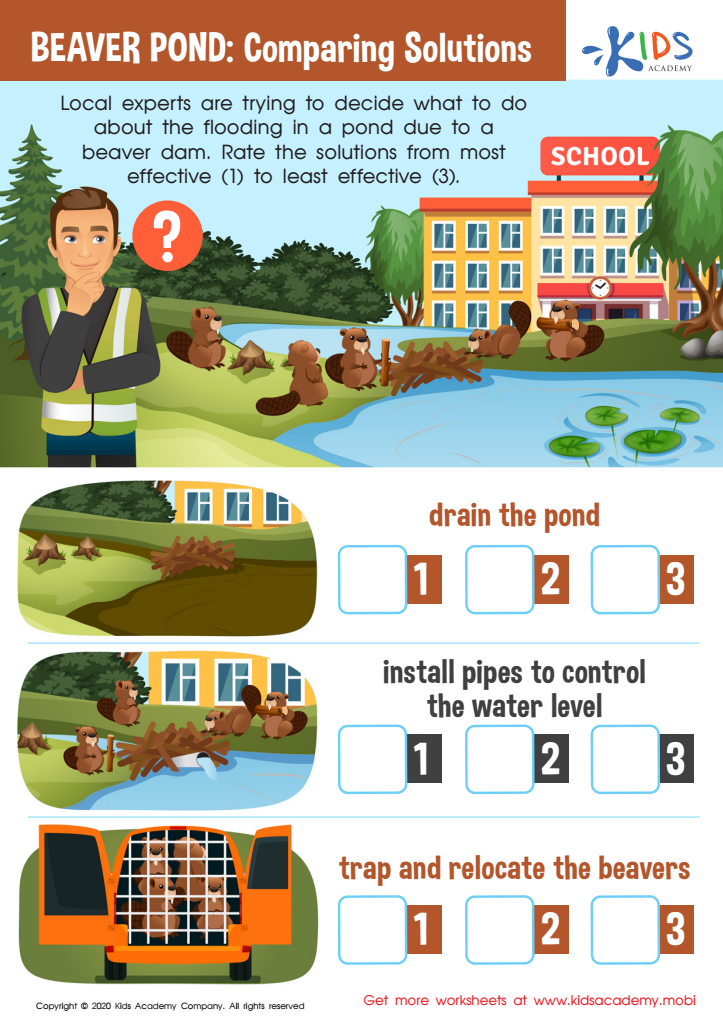
Beaver Pond: Comparing Solutions Worksheet

Beaver Pond: Comparing Solutions Worksheet

Got a problem? This science worksheet is great for helping your child compare solutions and pick the best one. Kids get to rate each option's effectiveness by ticking off boxes, from most to least. It's a great way to encourage problem-solving skills, while having fun!
Beaver Pond: Comparing Solutions Worksheet
Worksheet
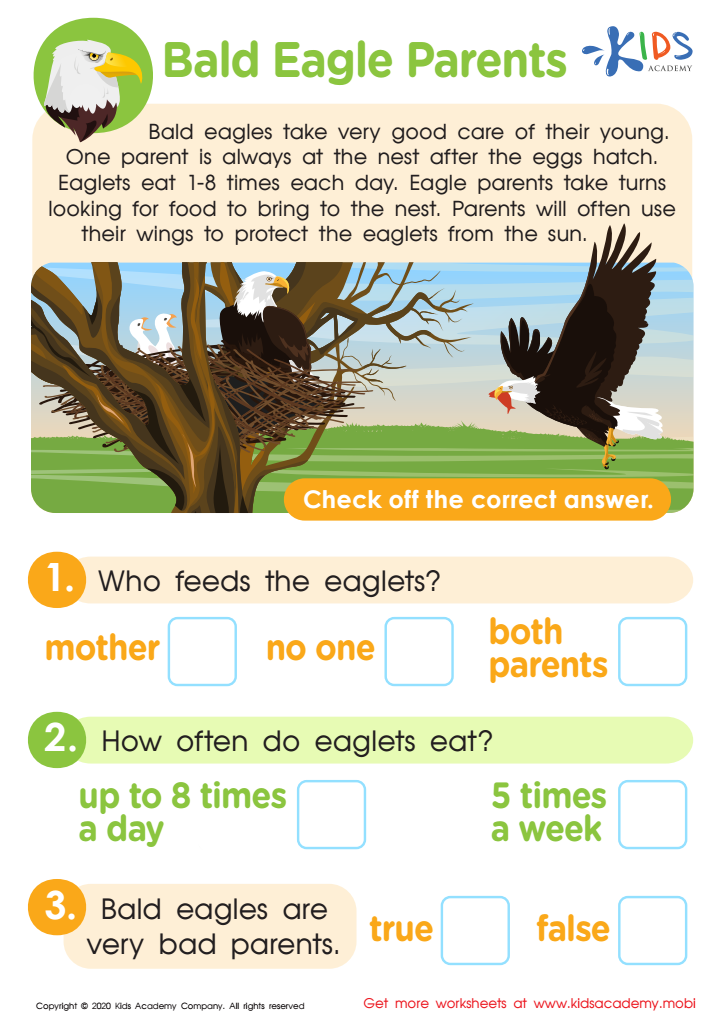
Bald Eagle Parents Worksheet

Bald Eagle Parents Worksheet

Teach your child about bald eagle parenting with this science worksheet! Read the passage and answer the questions to learn how these majestic birds protect their young from predators. Eaglets need protection, and the bald eagle parents are masters of providing it!
Bald Eagle Parents Worksheet
Worksheet
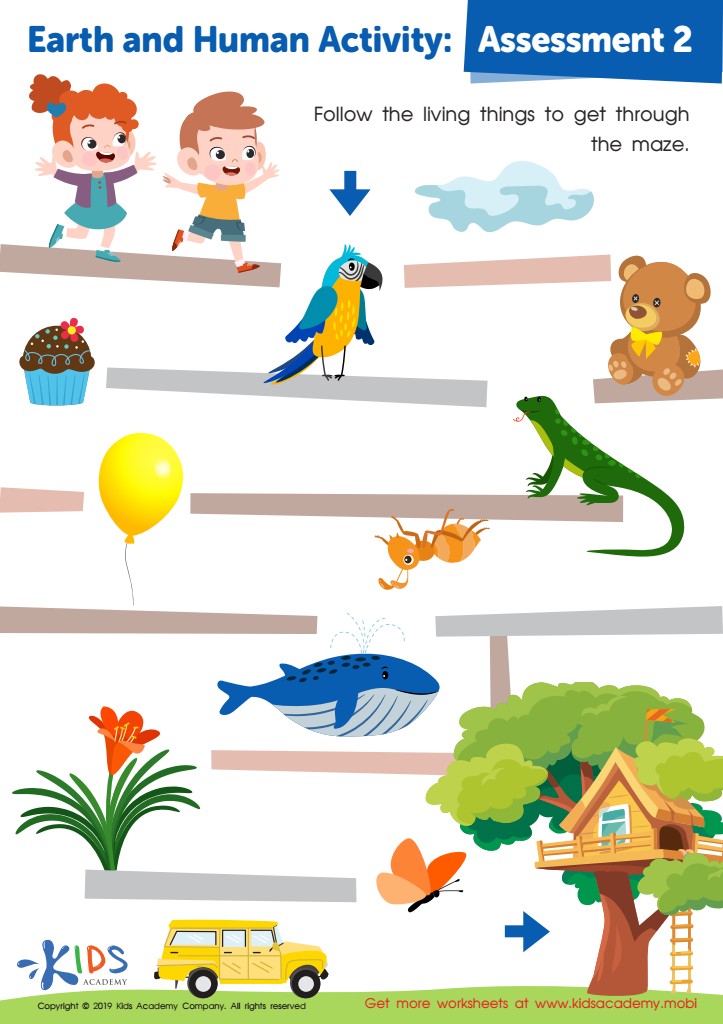
Earth and Human Activity: Assessment 2 Worksheet

Earth and Human Activity: Assessment 2 Worksheet

Earth is alive with birds, trees, insects, and animals. Explain to your kids that the environment on Earth supports life. Ask for examples, then use the worksheet pictures to help them identify living things and complete the maze.
Earth and Human Activity: Assessment 2 Worksheet
Worksheet
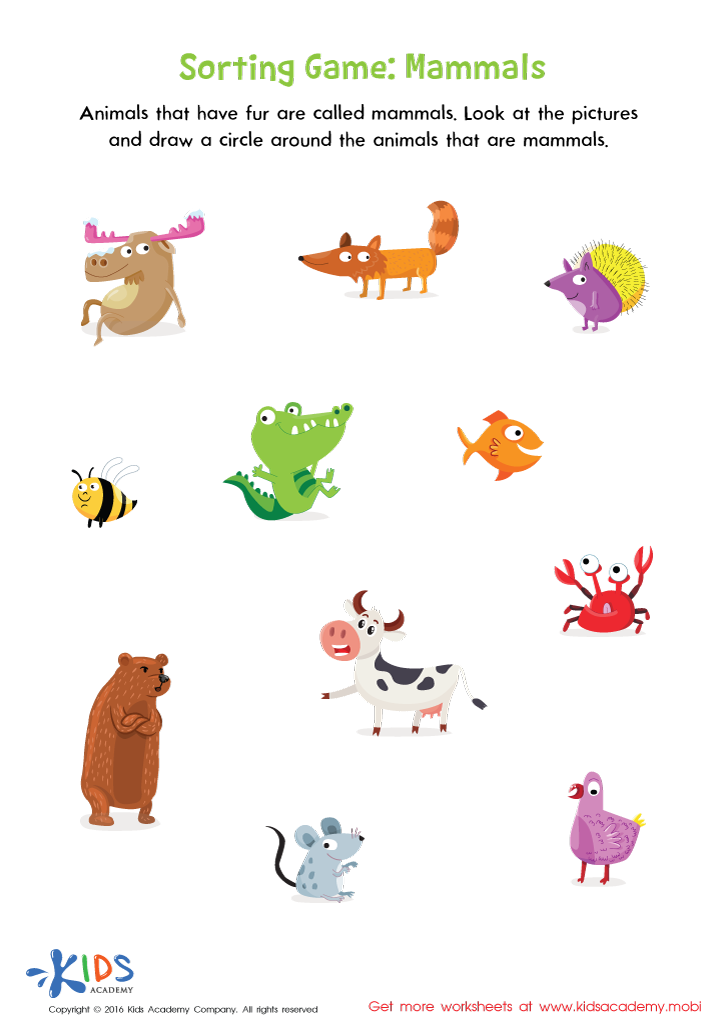
Sorting worksheet - mammals

Mammals Sorting Worksheet

They'll practice sorting animals and learn their features with this fun worksheet. Kids can test their scientific knowledge with this fun worksheet! They'll view pictures of animals, identify mammals based on their fur, and practice sorting them. This colorful worksheet is a great way for kids to learn about the differences between mammals and other animals.
Mammals Sorting Worksheet
Worksheet


Parents and teachers should pay close attention to Extra Challenge Plants and Animals for Ages 4-7 because it fosters early curiosity and a love for nature in young children. At this developmental stage, children are naturally inquisitive, exploring the world around them. Engaging them with challenging activities about plants and animals enriches their learning experience, encouraging critical thinking and creativity.

These activities can enhance children's observational skills, helping them identify and understand the roles of different plants and animals in ecosystems. Furthermore, understanding biodiversity cultivates a sense of environmental stewardship, instilling values that promote care for our planet from a young age.

Utilizing Extra Challenge resources can also support the development of important cognitive skills, including problem-solving and pattern recognition. Additionally, integrating interactive and hands-on learning experiences enriches literacy and vocabulary as children describe and discuss their findings.

Incorporating elements of nature into early education can bridge the gap between theoretical science and real-world experiences. Overall, prioritizing exploration of plants and animals offers myriad development benefits, ensuring children build strong foundational knowledge and skills that will serve them throughout their educational journey.