Fine Motor Skills Extra Challenge ABC Letters Worksheets for Ages 4-8
7 filtered results
-
From - To
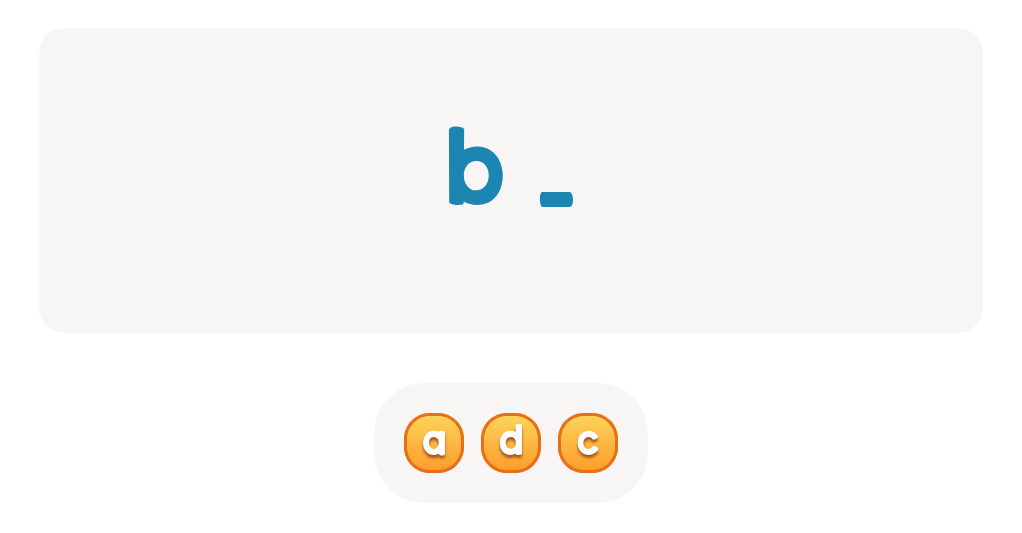
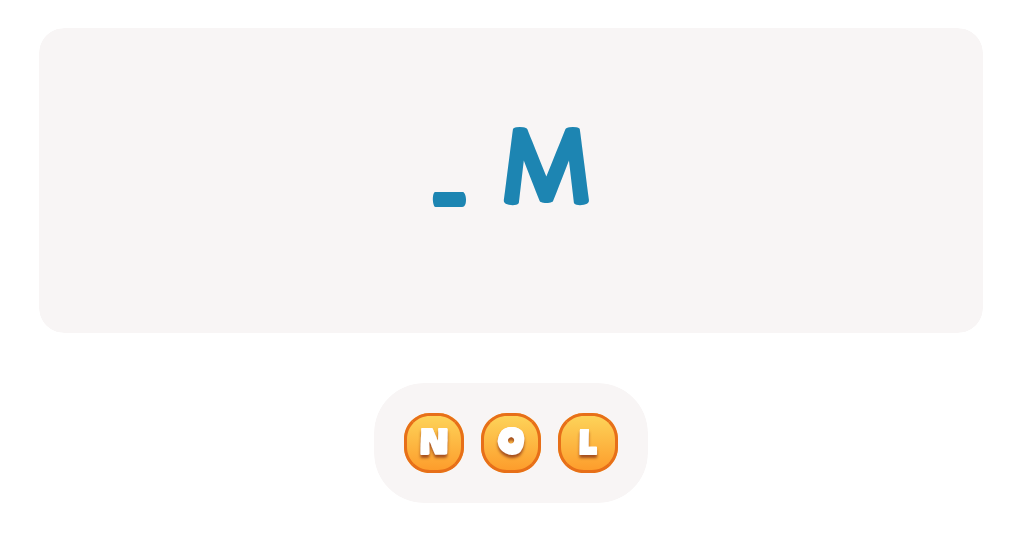
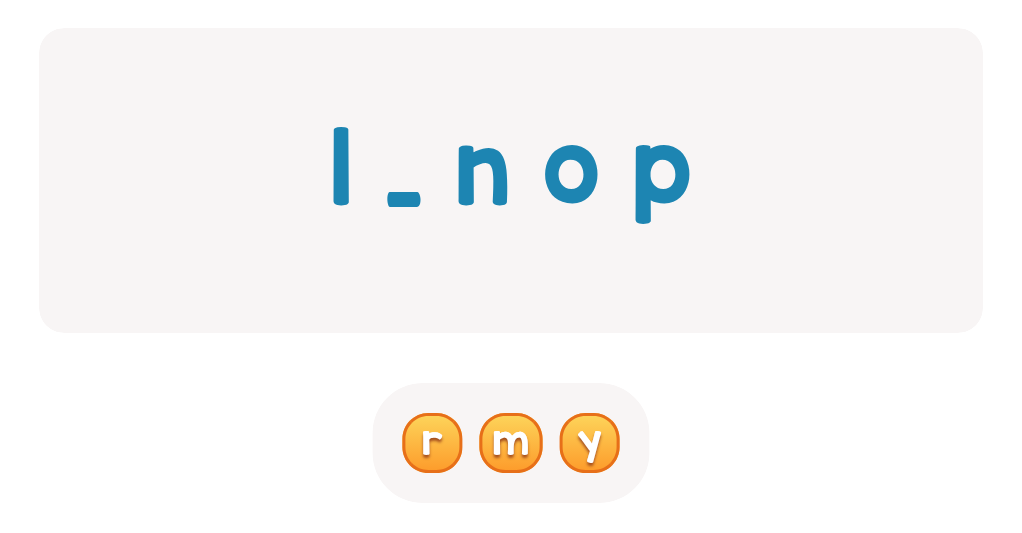
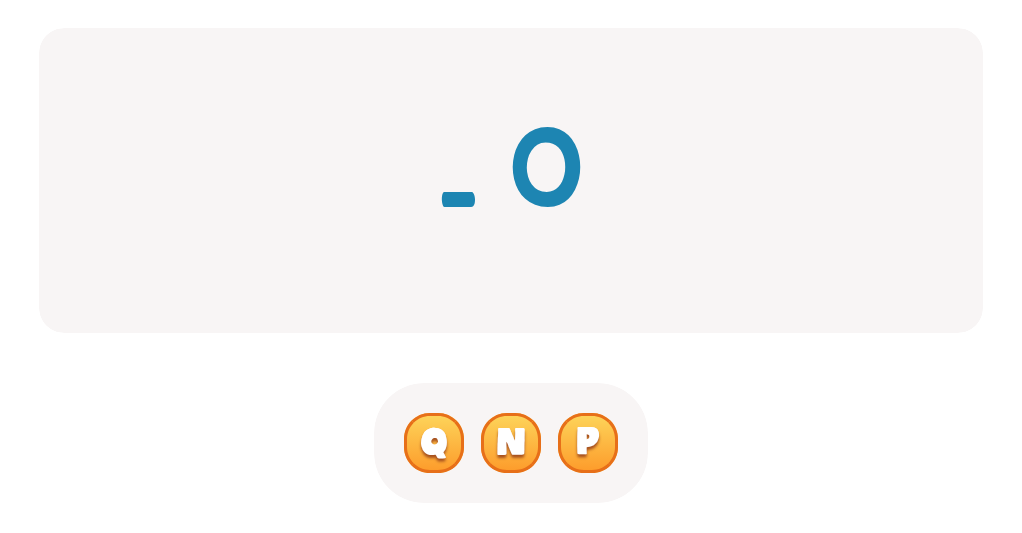
Enhance your child's fine motor skills with our engaging ABC Letters Worksheets designed for ages 4-8. These fun and challenging activities promote letter recognition while developing essential hand-eye coordination and dexterity. Each worksheet features a variety of tasks, such as tracing, coloring, and crafting, making learning enjoyable. Perfect for preschool and early elementary students, these worksheets are ideal for at-home practice or classroom use. Encourage creativity and boost confidence as children master their letters through hands-on experiences. Download our Fine Motor Skills Extra Challenge ABC Letters Worksheets today and watch your child's skills flourish!
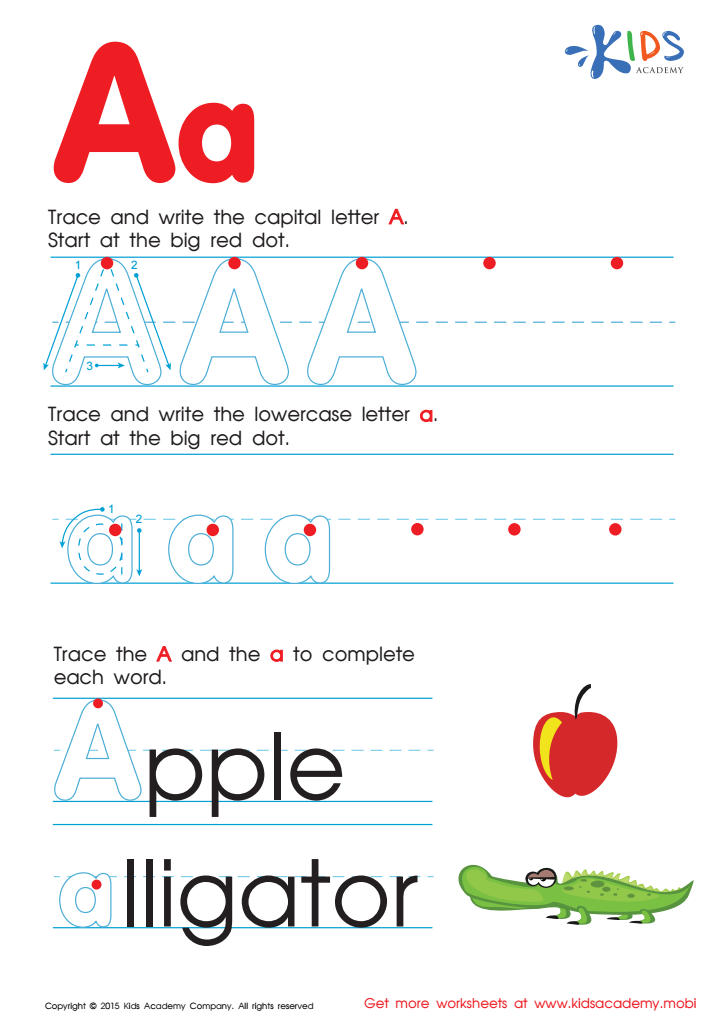
Letter A Tracing Page
 Assign to My Students


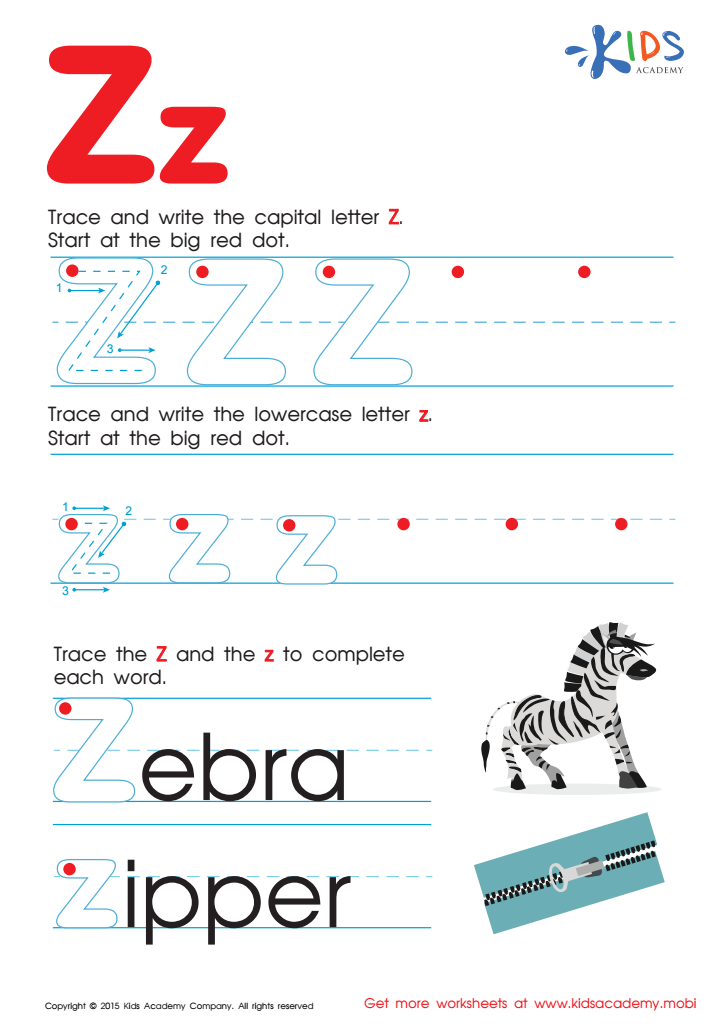
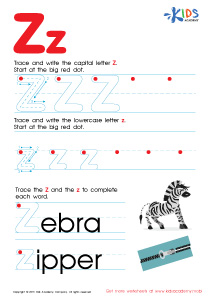
Letter Z Tracing Page
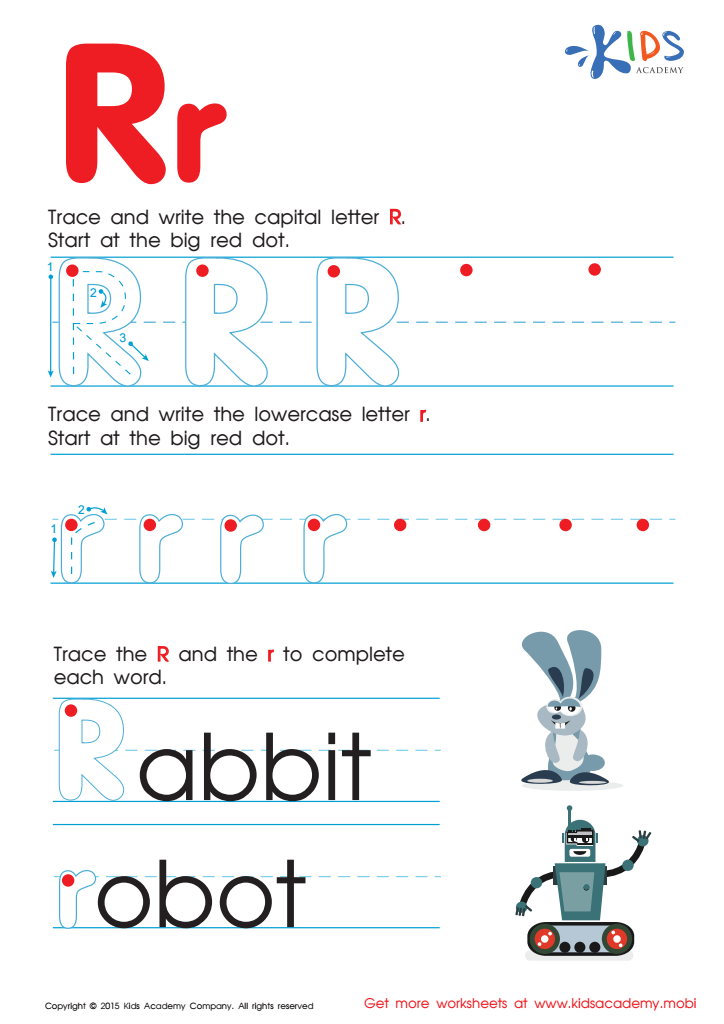
Letter R Tracing Page
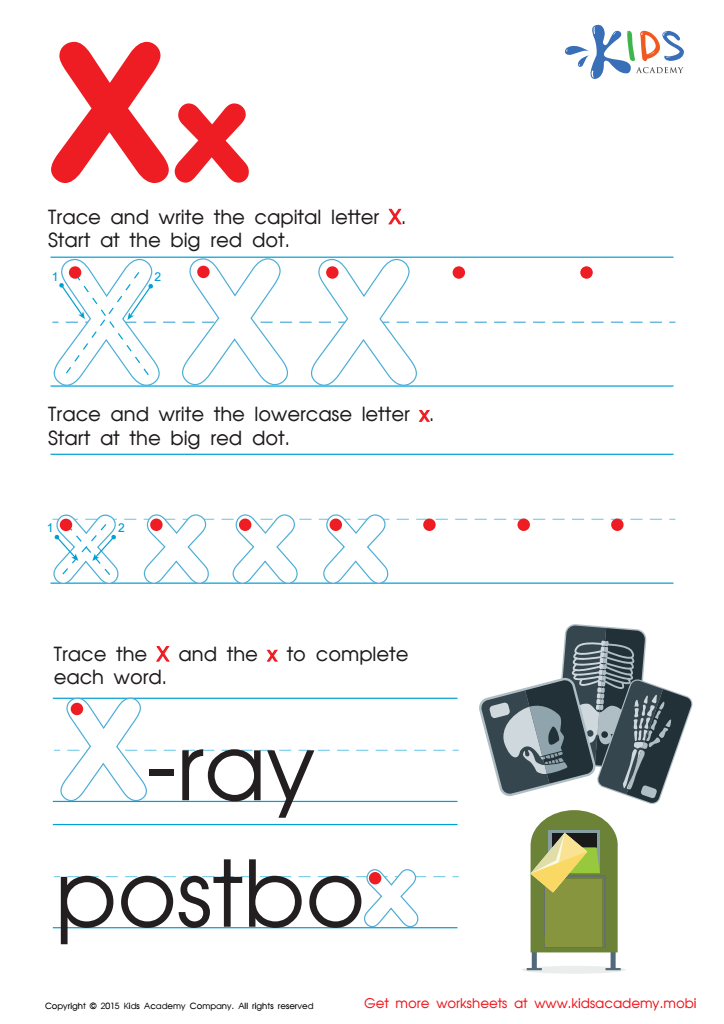
Letter X Tracing Page
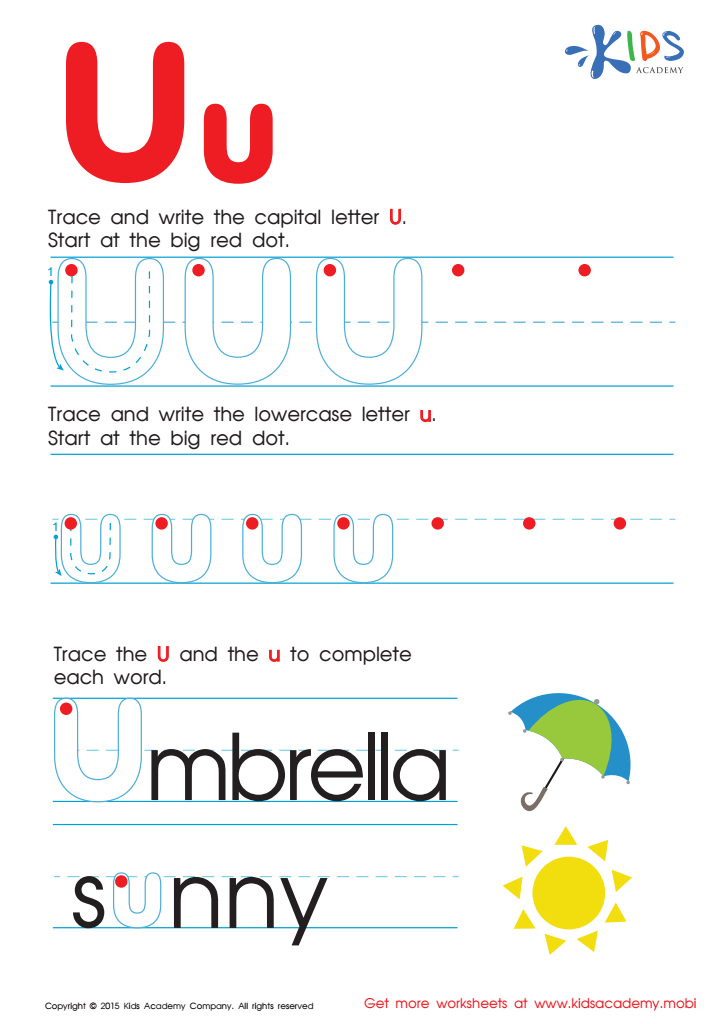
Letter U Tracing Page
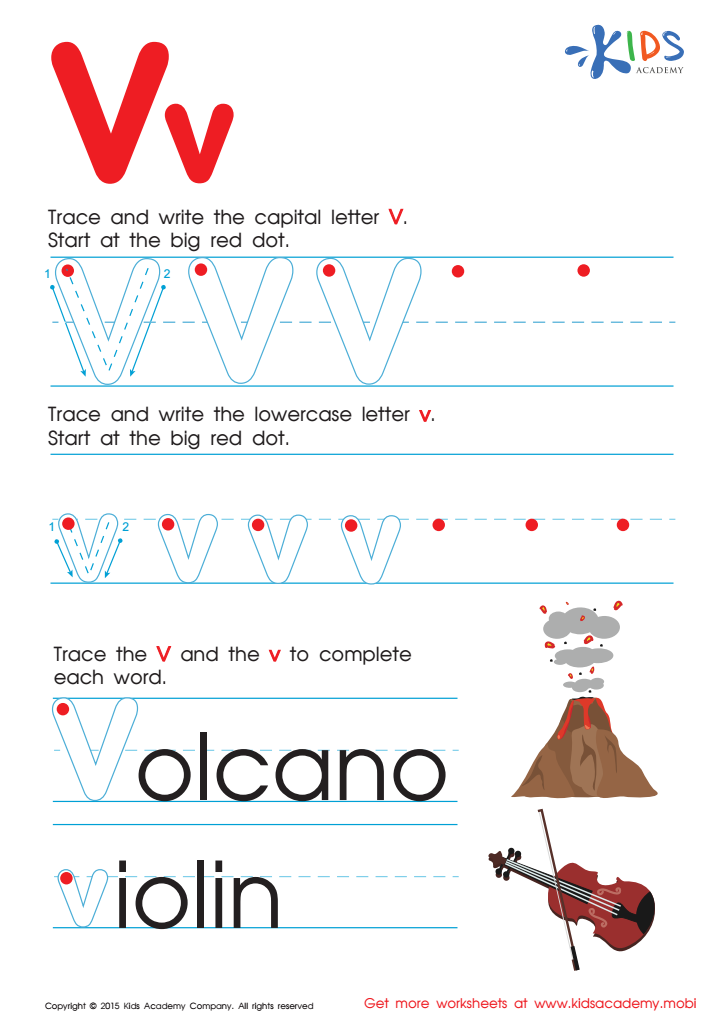
Letter V Tracing Page
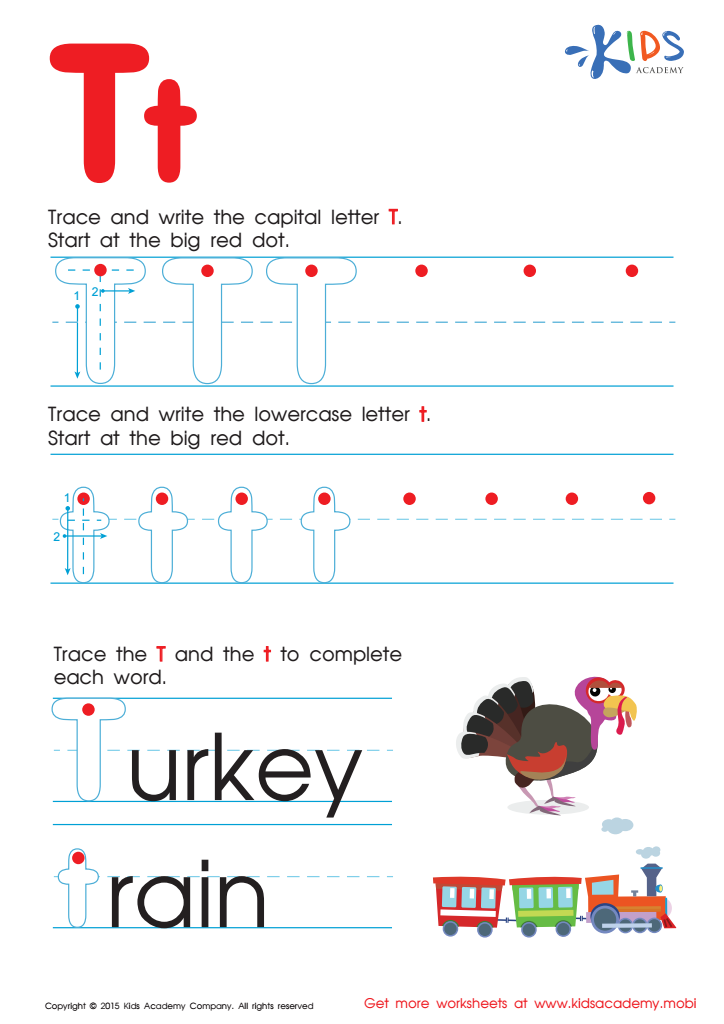
Letter T Tracing Page






Fine motor skills are crucial for children's overall development, especially for those aged 4-8, as they lay the foundation for a variety of everyday tasks. Engaging in activities that focus on fine motor skills, such as the Fine Motor Skills Extra Challenge ABC Letters, provides numerous benefits that parents and teachers should prioritize.
Firstly, developing fine motor skills enhances a child's ability to control and manipulate small objects, which is vital for tasks like writing, drawing, and using utensils. Mastery of these skills contributes to greater confidence and independence in school and home activities.
Additionally, such challenges encourage hand-eye coordination and spatial awareness, which are essential in both academic and social settings. They also promote concentration, persistence, and problem-solving ability, helping children tackle challenges creatively and effectively.
Moreover, activities centered around the ABC letters allow for language development and literacy skills, as children learn to recognize letters and associate them with sounds. This dual focus on fine motor skill development and early literacy education creates a holistic learning experience.
Ultimately, investing time in Fine Motor Skills Extra Challenge ABC Letters fosters school readiness, supports cognitive growth, and cultivates a love for learning, making it a vital component of early education.