Fine Motor Skills Extra Challenge Letter Recognition Worksheets for Ages 4-8
7 filtered results
-
From - To
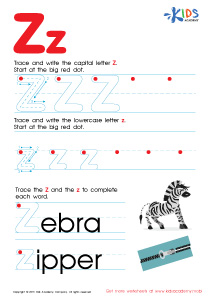
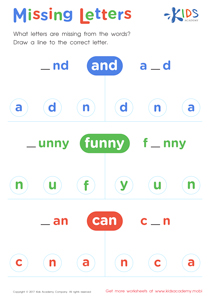
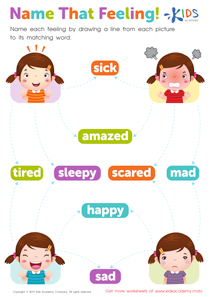
Explore our Fine Motor Skills Extra Challenge Letter Recognition Worksheets, specifically designed for children ages 4-8. These engaging worksheets combine fun activities with essential letter recognition practice, enhancing your child's fine motor skills along the way. Each printable page features interactive tasks that encourage pencil grip, letter tracing, and creative expression, making learning both effective and enjoyable. Perfect for preschoolers and early students, our resources support cognitive development through play-based learning. Ideal for home or classroom use, these worksheets provide an excellent opportunity for young learners to refine their skills while building confidence in their reading abilities.

Letter A Tracing Page
 Assign to My Students
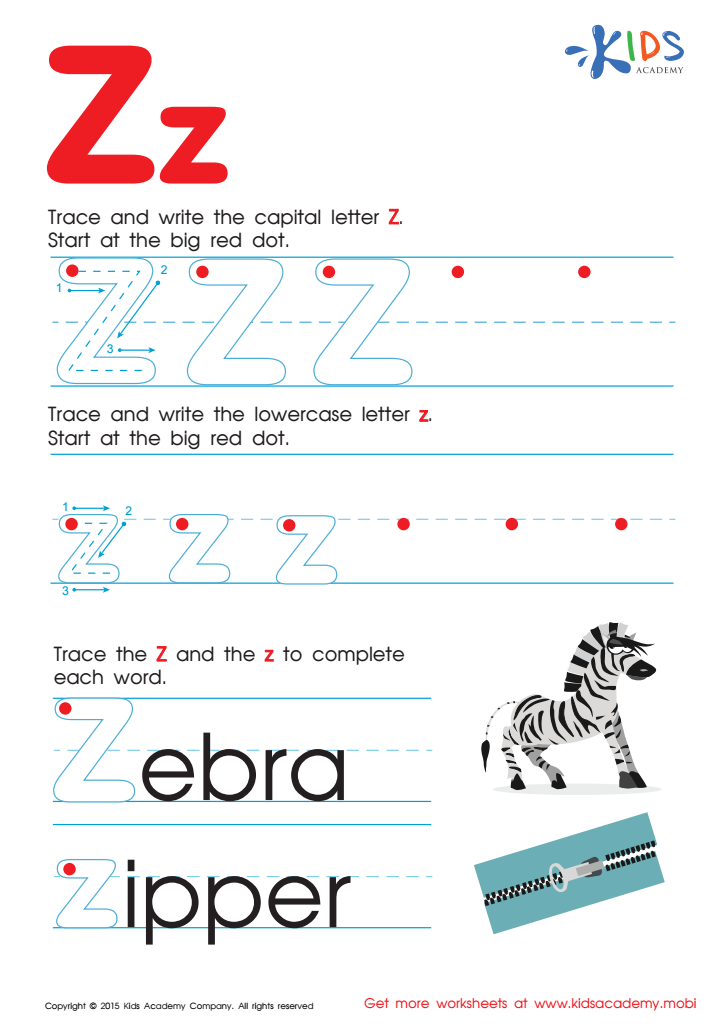
Letter Z Tracing Page
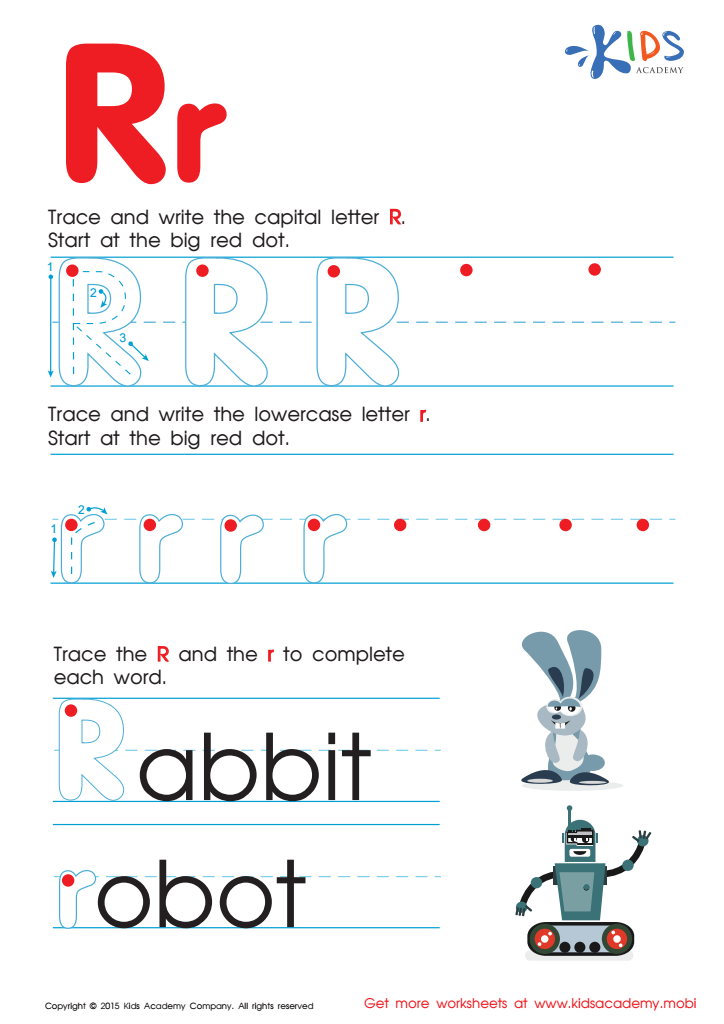
Letter R Tracing Page
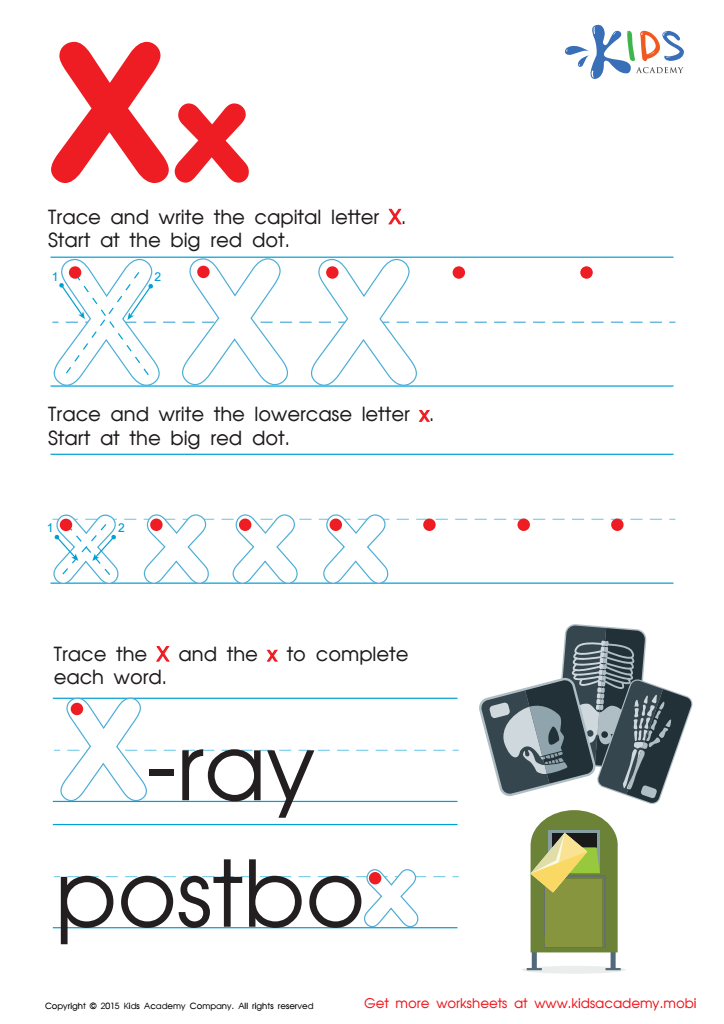
Letter X Tracing Page
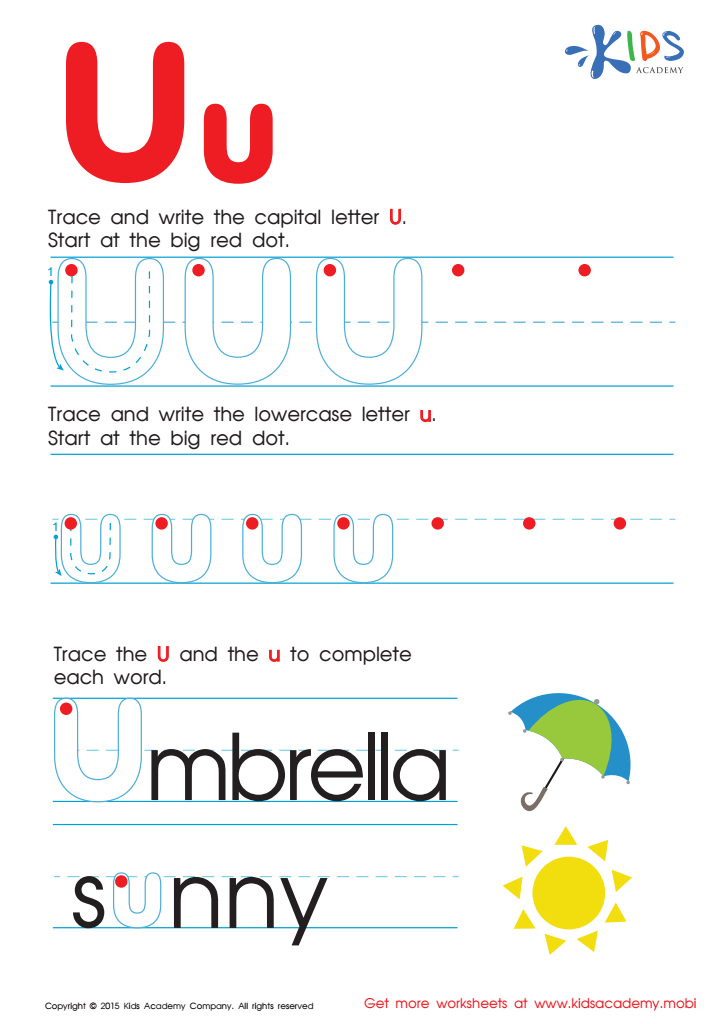
Letter U Tracing Page
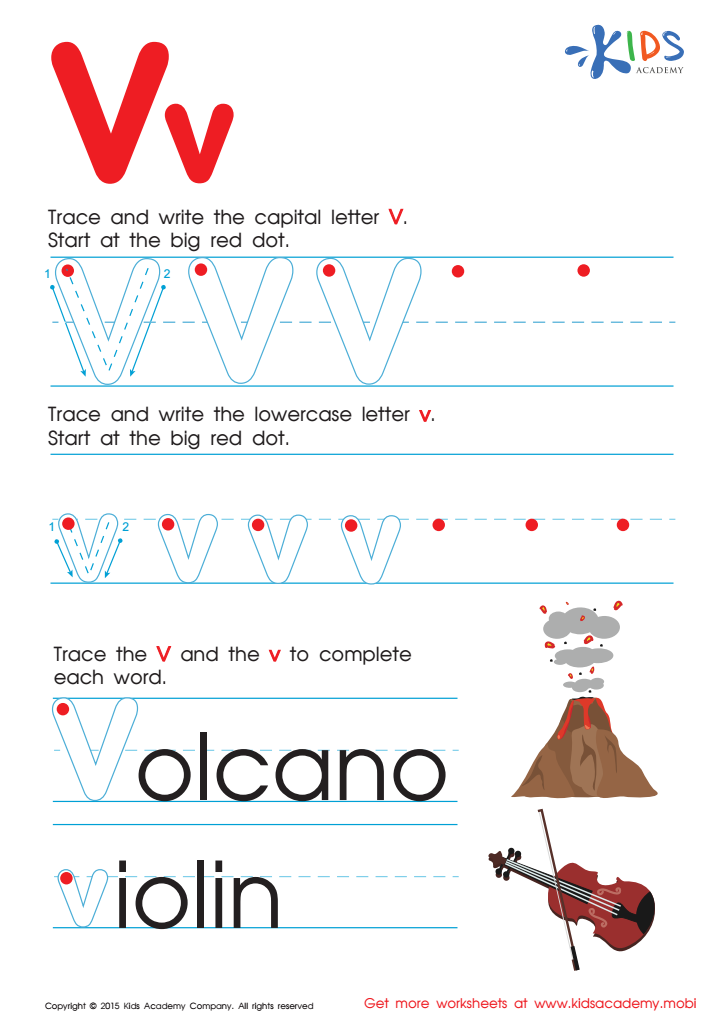
Letter V Tracing Page
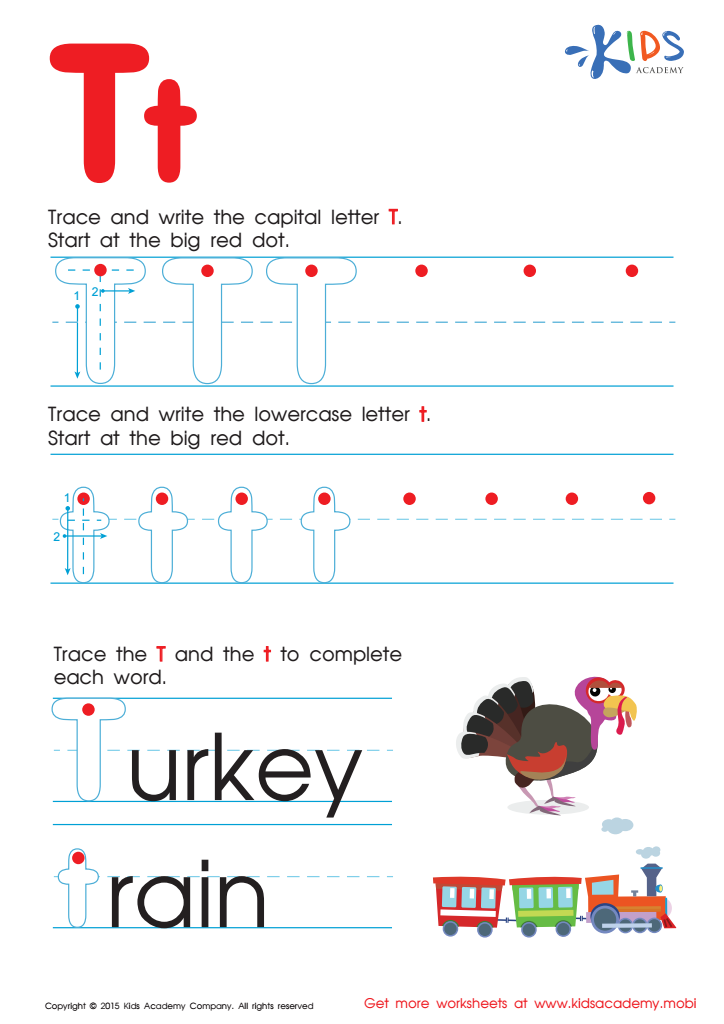
Letter T Tracing Page








Fine motor skills and letter recognition are foundational components of early childhood education, significantly influencing a child's academic success and daily activities. Parents and teachers should prioritize these skills for children aged 4-8 because they promote not only literacy but also coordination and control, essential for tasks like writing, cutting, and buttoning clothes.
Fine motor skills involve the use of small muscles in the hands and fingers, which allows children to manipulate objects with precision. Developing these skills helps enhance a child's ability to form letters correctly, an early prerequisite for writing readiness. When children efficiently recognize letters, they can make connections between sounds and symbols, ultimately improving their reading and communication skills.
Moreover, integrating fine motor challenges with letter recognition fosters engagement and makes learning enjoyable. Activities such as tracing letters, using building blocks, or engaging in crafts provide opportunities for practice while keeping children motivated. Encouraging these skills strengthens cognitive abilities and builds a child's confidence, laying the groundwork for future learning. Consequently, by emphasizing fine motor skills and letter recognition, parents and teachers are empowering children to thrive not only in academics but also in their everyday lives.