Extra Challenge Measurement Worksheets for Ages 4-8 - Page 2
29 filtered results
-
From - To
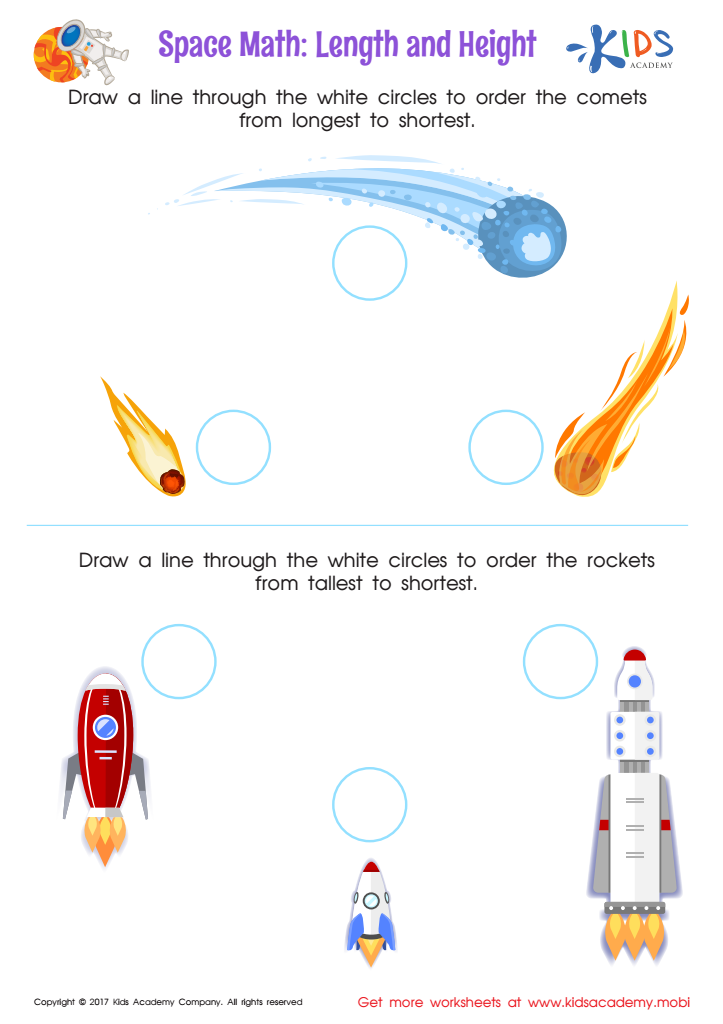
Space Math Worksheet
 Assign to My Students
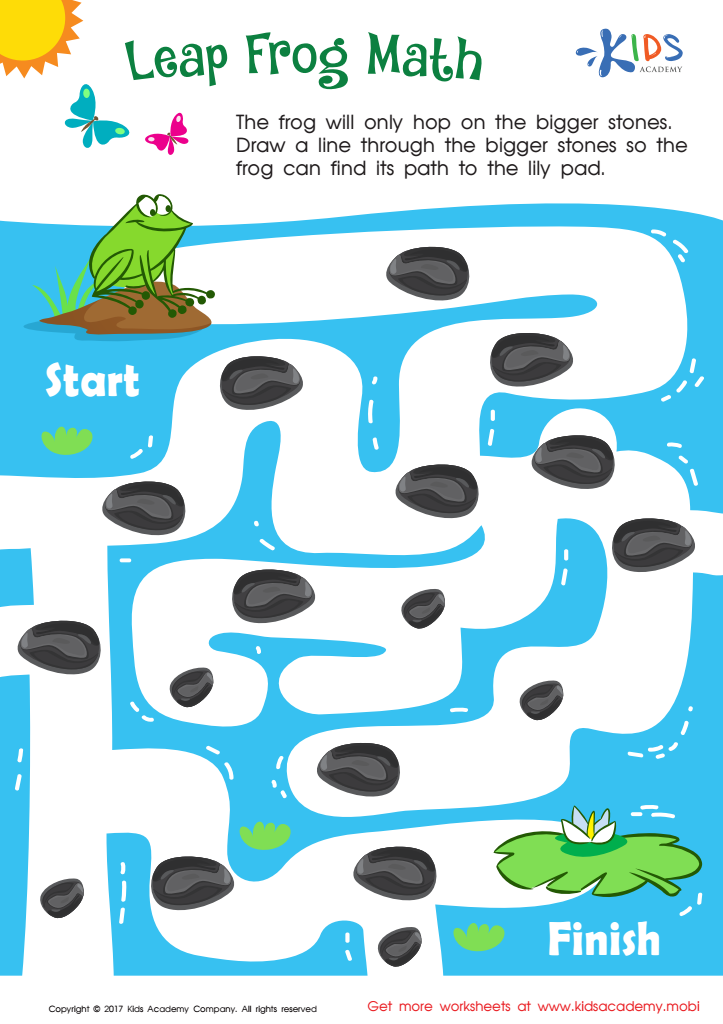
Math Puzzle Worksheet
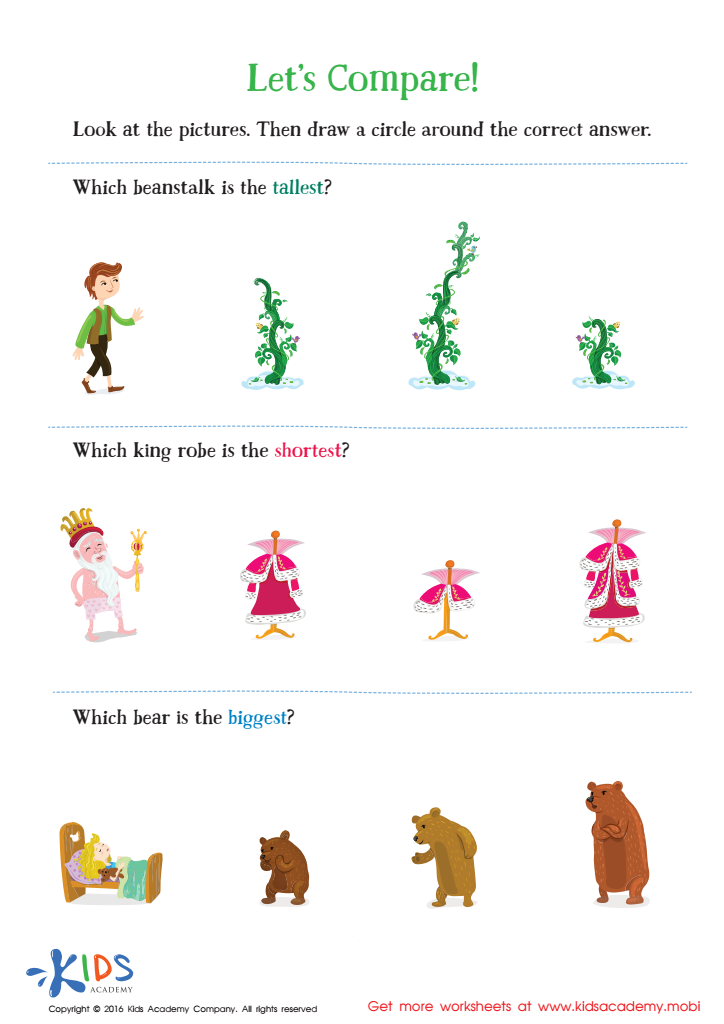
Fairy Tale Worksheet: Let's Compare
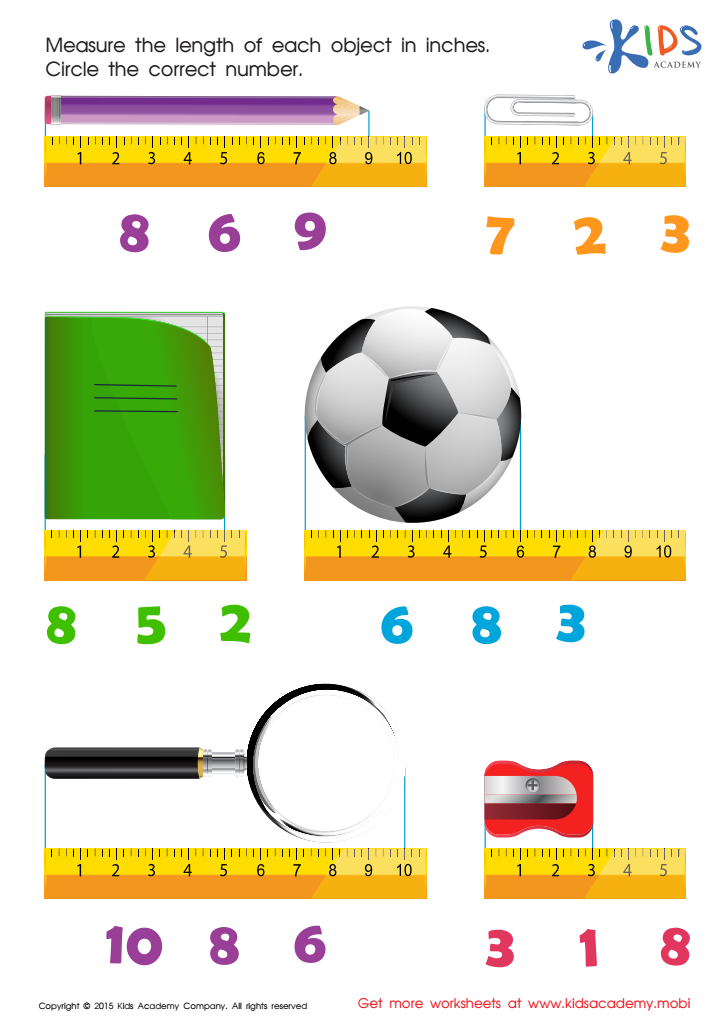
Learning measuring objects in inches Worksheet
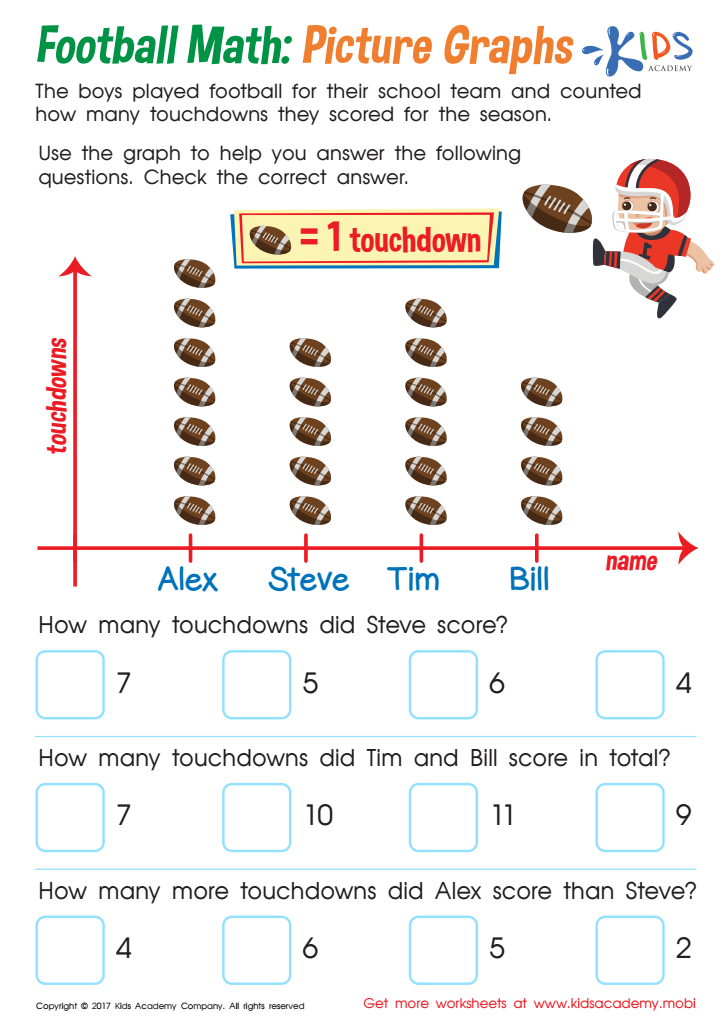
Football Math Worksheet








Parents and teachers should care deeply about Extra Challenge Measurement (ECM) for children aged 4-8 because it plays a crucial role in their cognitive and socio-emotional development. ECM encompasses activities and assessments designed to gauge a child's problem-solving abilities, critical thinking, and creativity, all essential skills for future academic and personal success.
During these formative years, children's brains are exceptionally malleable, and introducing extra challenges can stimulate neural growth and fortify connections that support learning. By engaging with ECM, children learn how to approach tasks with resilience and imagination, fostering a growth mindset that views challenges as opportunities rather than obstacles. This positive attitude towards learning can significantly impact their motivation and success in later years.
Moreover, ECM can help educators and parents identify individual strengths and areas needing support. Early identification of these factors allows for tailored educational strategies that align with each child's unique needs, making learning more effective and enjoyable.
Lastly, ECM activities often emphasize collaboration and communication, essential components of social competency. By working on these challenges, children develop teamwork skills and learn to express themselves more clearly, both critical abilities in their personal and future professional lives. In summary, Extra Challenge Measurement is vital because it supports holistic child development, ensuring a well-rounded and resilient foundation for future learning.








