Vocabulary Building Extra Challenge Building Vocabulary Worksheets for Ages 4-8
3 filtered results
-
From - To
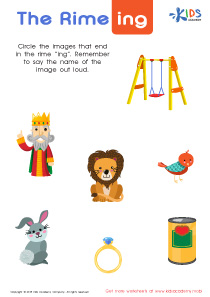
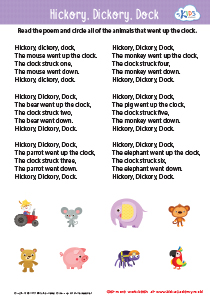
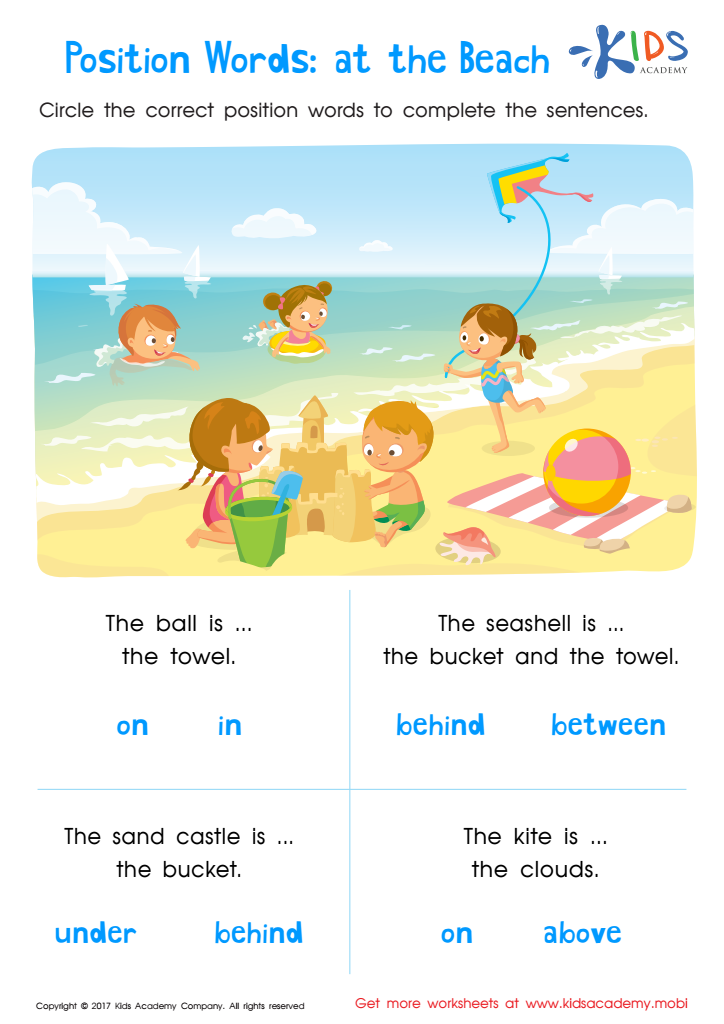
Enhance your child's language skills with our "Vocabulary Building Extra Challenge Worksheets" designed for ages 4-8. These engaging worksheets provide interactive activities that encourage early learners to explore and expand their vocabulary. Filled with fun exercises, children will enjoy matching words to meanings and completing sentences while developing critical reading and comprehension skills. Tailored for young readers, these worksheets foster creativity and confidence, making vocabulary learning an exciting adventure. Perfect for both classroom and home use, our resources support educators and parents in nurturing a love for words in their little learners. Start your vocabulary journey today!
 Assign to My Students











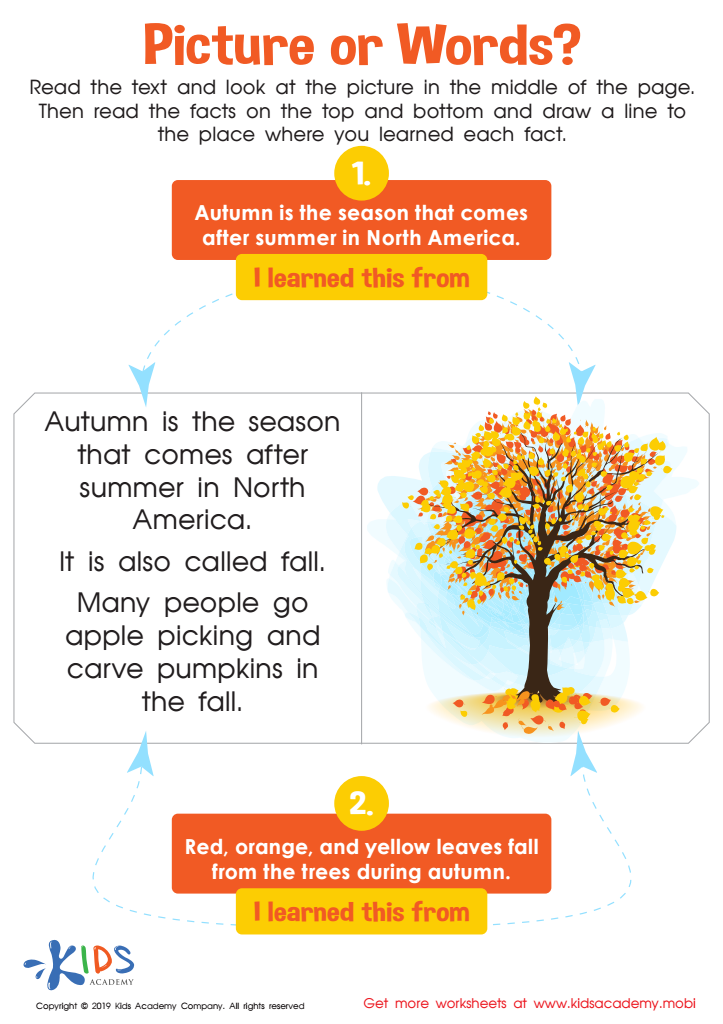
Picture Words Worksheet
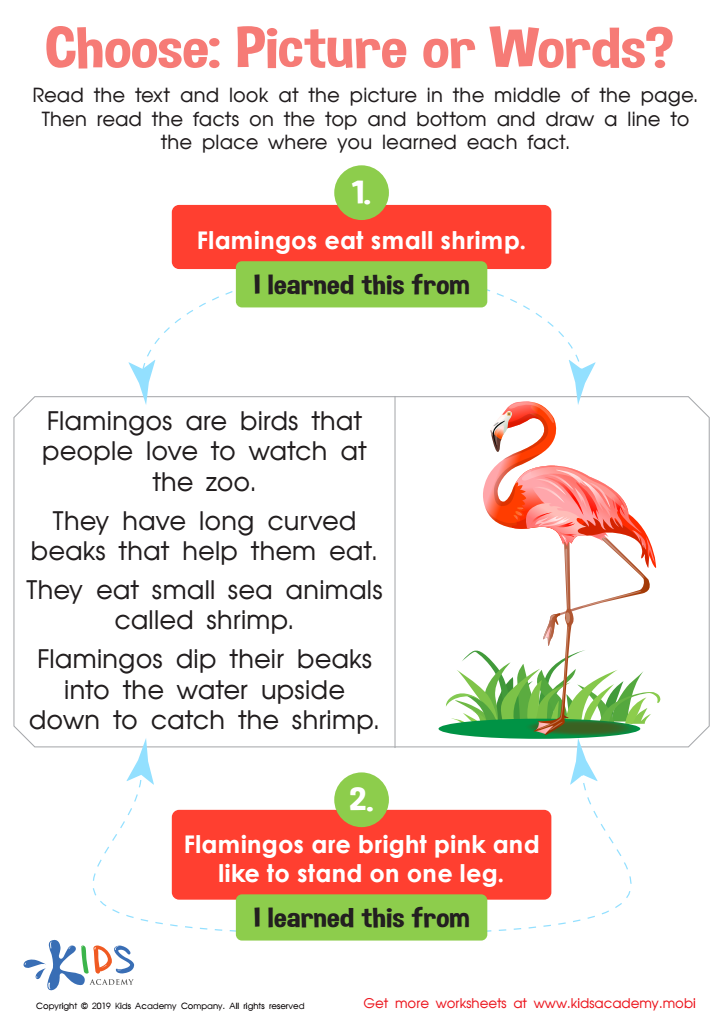
Choose Picture Words Worksheet


.jpg)

.jpg)



Parents and teachers should prioritize vocabulary building for children aged 4-8 due to its significant impact on overall literacy development and academic success. During these formative years, children are like sponges, absorbing new words and concepts at an incredible rate. A strong vocabulary foundation not only bolsters reading comprehension but also enhances communication skills, allowing children to express their thoughts and emotions more effectively.
Engaging in vocabulary-building activities fosters critical thinking, creativity, and confidence. By introducing new words through playful and interactive methods—such as games, storytelling, and songs—children are more likely to retain and use them in everyday conversation. This early exposure helps them navigate increasingly complex texts and concepts in later grades, instilling a love for learning.
Moreover, a robust vocabulary is linked to social-emotional growth. Children who can articulate their feelings and needs are better equipped to interact with peers positively and productively. Immersing children in rich language experiences not only strengthens their cognitive abilities but also prepares them for lifelong success in personal and academic realms. Therefore, investing time and resources in vocabulary-building activities should be a key focus for both parents and educators to nurture well-rounded, confident communicators.