Word Recognition Extra Challenge Reading Worksheets for Ages 4-8
5 filtered results
Difficulty Level
Grade
Age
-
From - To
Subject
Activity
Standards
Enhance your child's reading skills with our "Word Recognition Extra Challenge Reading Worksheets" designed for ages 4-8. These printable worksheets offer engaging activities that promote word recognition through fun and interactive exercises. Tailored to challenge young learners, each worksheet helps improve vocabulary, comprehension, and reading fluency. Kids will enjoy the variety of exercises, including word matching, fill-in-the-blanks, and visual prompts, making learning enjoyable and effective. Perfect for homeschoolers, classrooms, or supplementary learning at home, our worksheets provide a comprehensive approach to early literacy. Empower your child’s reading journey today and watch their confidence soar!
Favorites
With answer key
Interactive
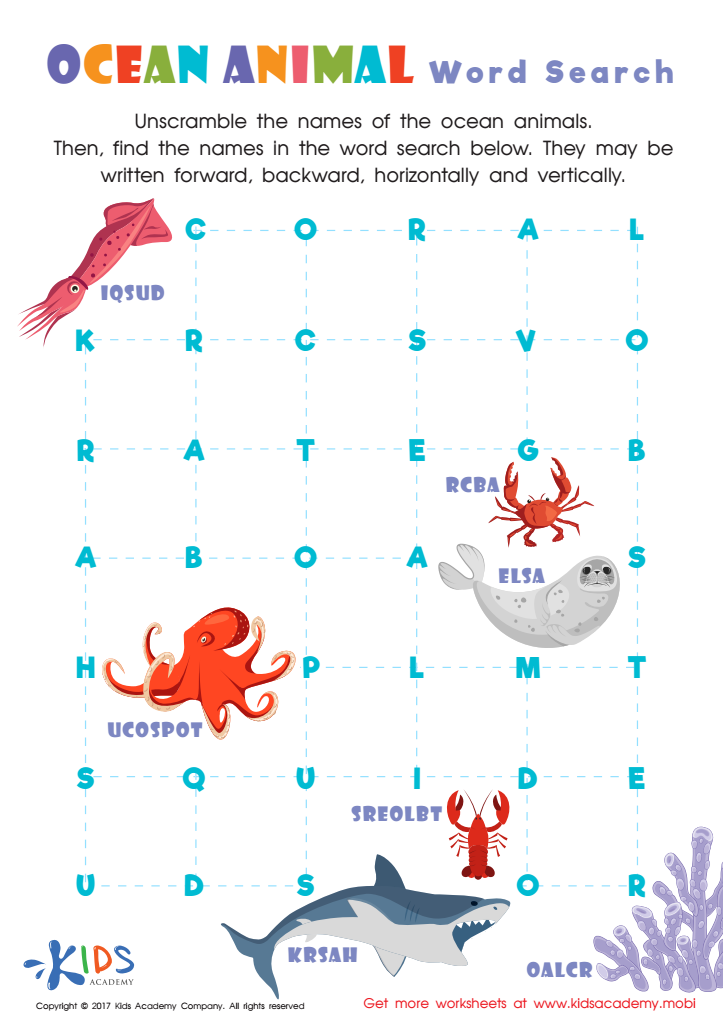
Ocean Animals Word Search Printable
Challenge your child to unscramble the names of ocean animals and find them in the word search. This ocean animals printable is a fun way to teach kids more about these fascinating creatures!
 Assign to My Students
Ocean Animals Word Search Printable
Worksheet
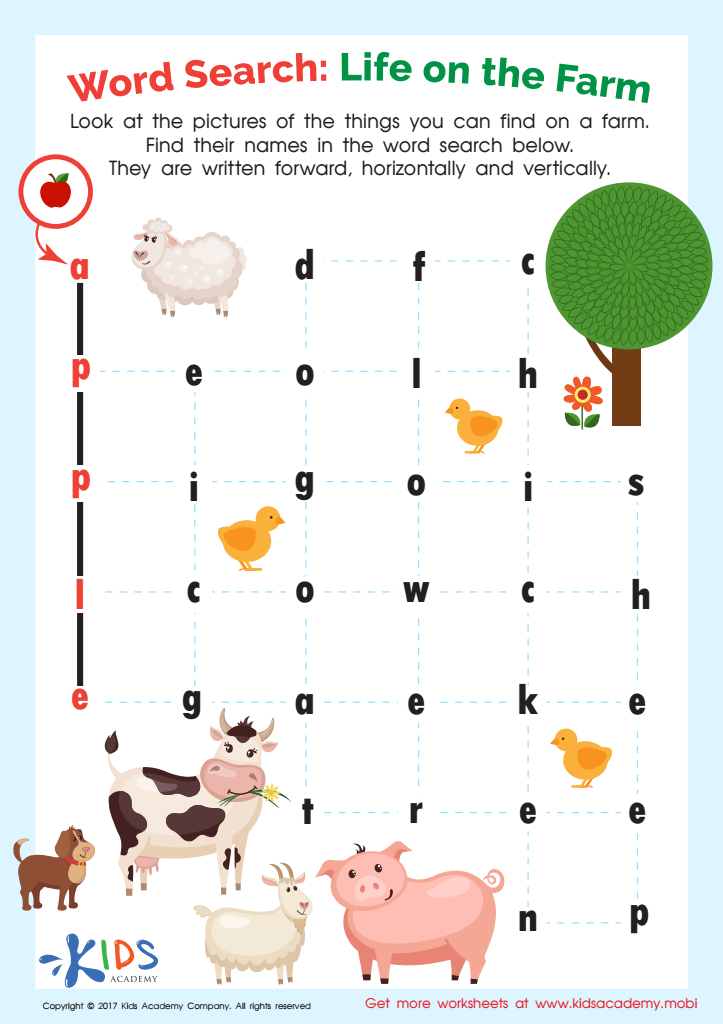
Word Search Puzzles Worksheet
2nd grade word search puzzles are great fun, helping kids flex their knowledge of words and spellings. Kids can use the pictures to find farm-themed words hidden on the page. It's a great way to learn!
Word Search Puzzles Worksheet
Worksheet
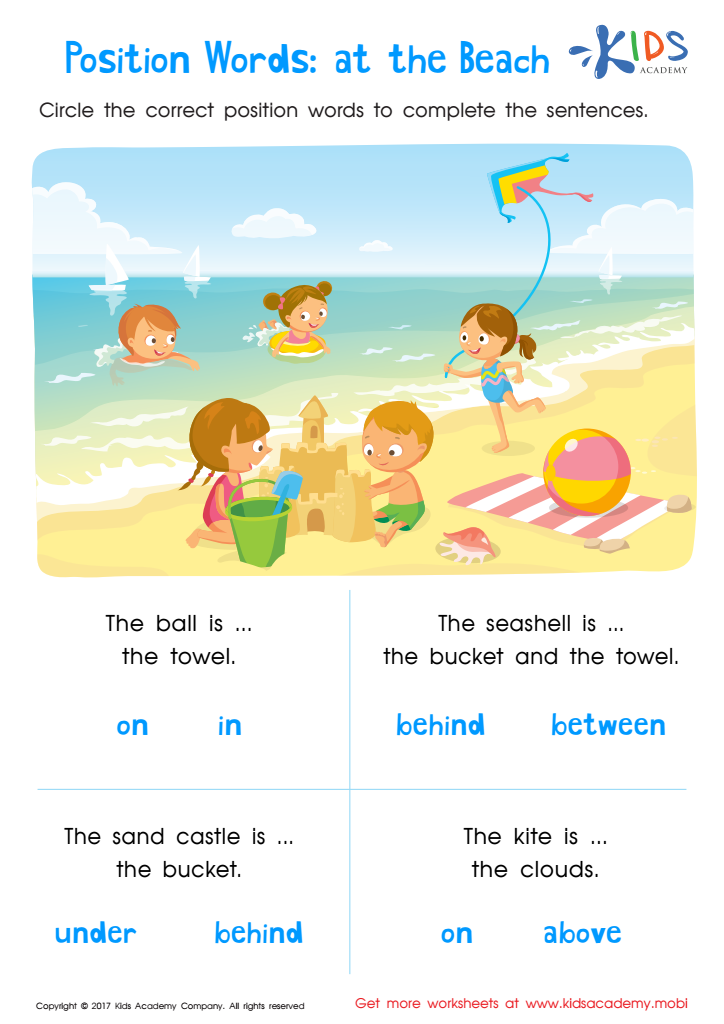
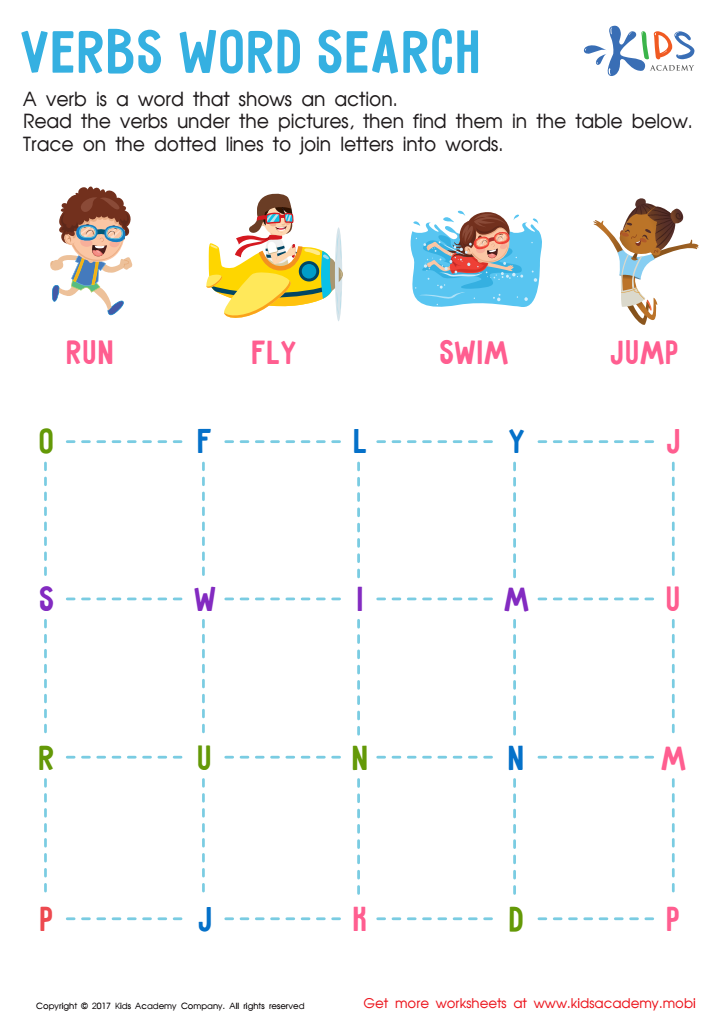
Verbs Word Search Worksheet
Ask your child if they understand the meaning of the word "verb". If not, explain that it's a word that shows an action. Give examples of familiar verbs. Then look at the pictures in the tracing sheet and read the words. Ask your child to follow the dotted lines to find the hidden words. Perfect tool to teach spot and use verbs!
Verbs Word Search Worksheet
Worksheet
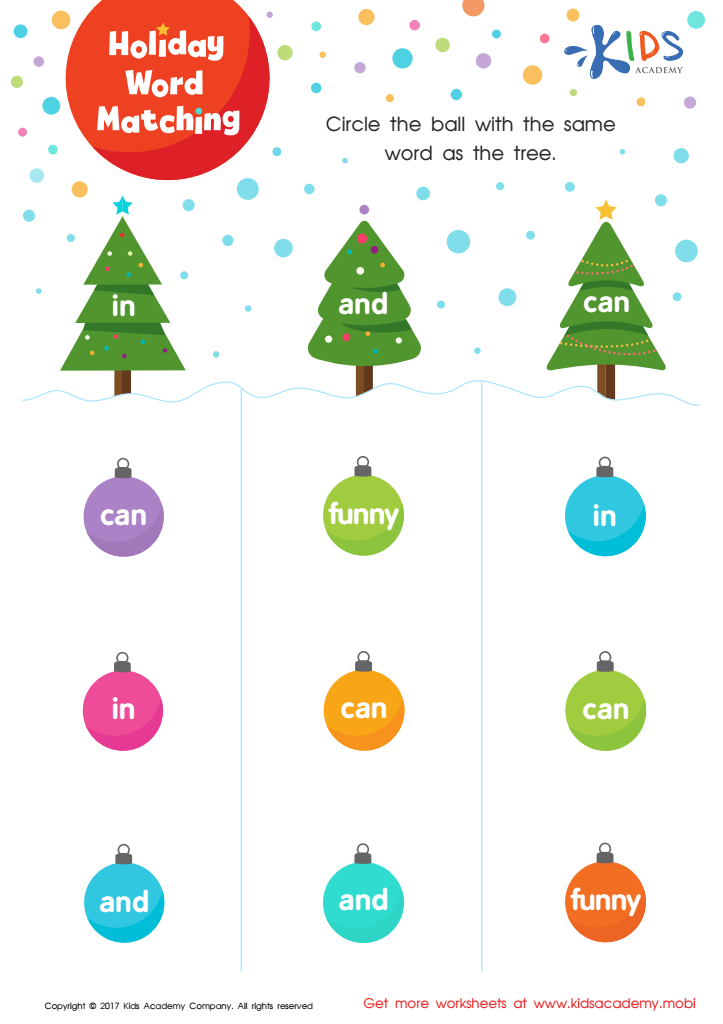
Holiday Word Matching Worksheet
Decorate with Kids Academy this year! Keep kids learning this holiday season with this festive worksheet. Let them look for sight words on Christmas trees then circle the matching ornament to decorate. It's a fun and educational way to enjoy the holidays!
Holiday Word Matching Worksheet
Worksheet
Join Kids Academy for Free
Who is primarily going to use this learning content?






Word recognition is a critical skill for young learners aged 4-8, and incorporating Extra Challenge Reading can significantly enhance their literacy development. For parents and teachers, fostering strong word recognition skills lays the foundation for fluent reading, comprehension, and academic success. It encourages children to identify, understand, and use words effectively, which boosts their confidence and motivation to engage with texts.
Extra Challenge Reading sessions invest time and resources in providing activities that strengthen word recognition through phonics, sight words, and contextual learning, ensuring that children not only recognize words but also comprehend their meaning in various contexts. This tailored approach benefits emerging readers by accommodating diverse learning styles and paces, allowing students who might struggle or excel to thrive in a supportive environment.
Moreover, strong word recognition skills are linked to increased vocabulary development, better writing skills, and improved overall literacy, making children better equipped for future academic challenges. Investing in Extra Challenge Reading nurtures a love for reading by making it engaging and meaningful, setting the stage for lifelong learning and a curiosity about the world around them. Consequently, parents and teachers should prioritize and promote these interventions to create proficient, enthusiastic readers who can contribute positively to society.