Historical Knowledge Extra Challenge Social Studies Worksheets for Ages 4-8
3 filtered results
-
From - To
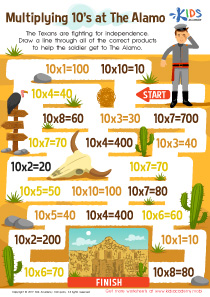
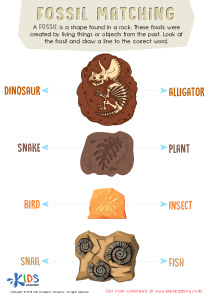
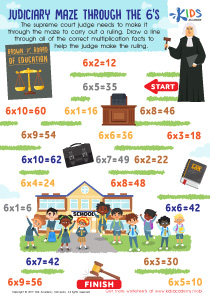
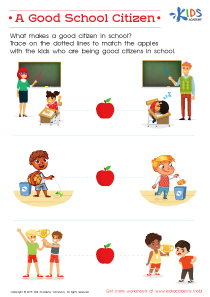
Introduce young learners to the wonders of history with our "Historical Knowledge Extra Challenge Social Studies Worksheets." Designed for ages 4-8, these engaging and educational printables help children explore important events, notable figures, and cultural milestones. Each worksheet is crafted to stimulate their curiosity, reinforce understanding, and build foundational social studies skills in a fun, interactive manner. Perfect for home or classroom use, these challenges support critical thinking and spark a love for learning about the past. Equip your child with historical insights that make learning enjoyable and meaningful. Download now and embark on a historical adventure!
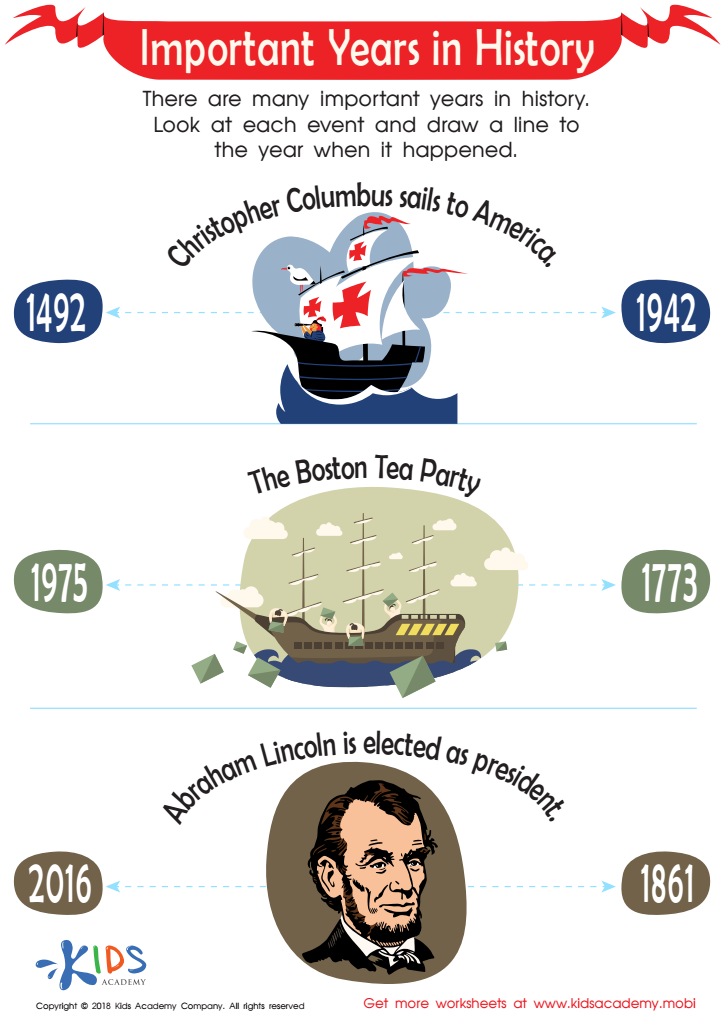
Important Years in History Worksheet
 Assign to My Students
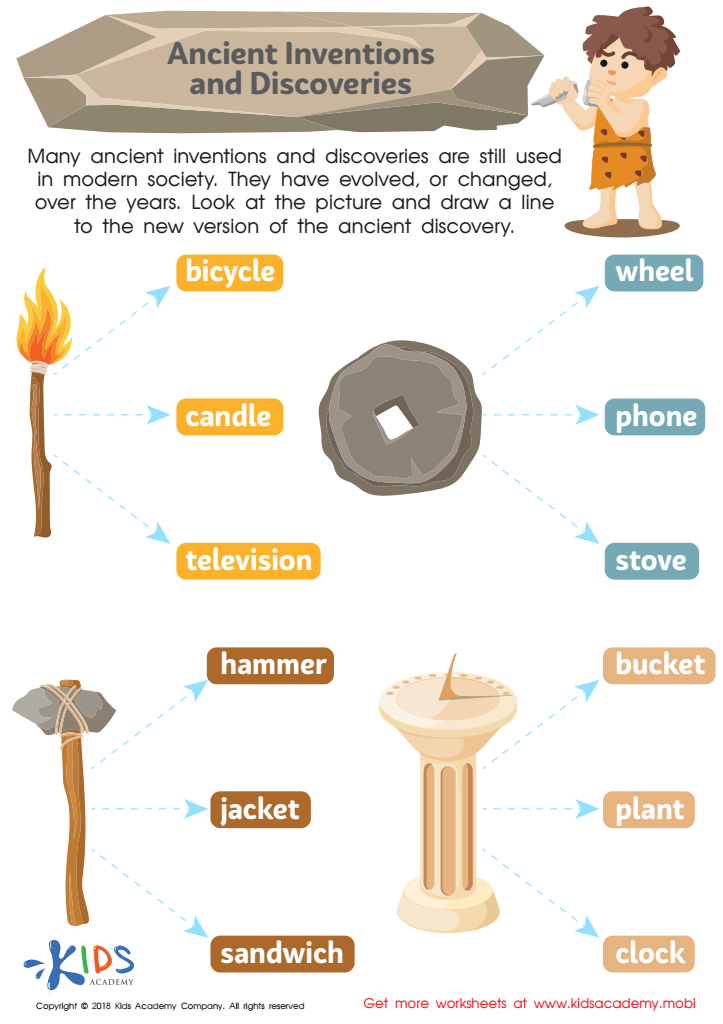
Ancient Inventions and Discoveries Worksheet
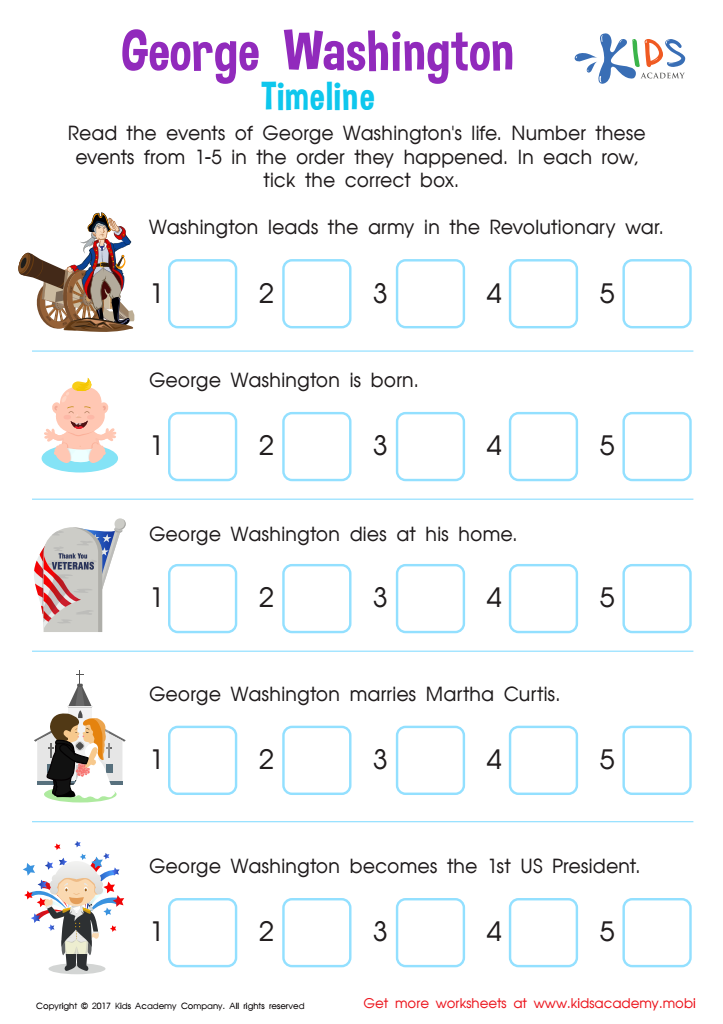
George Washington Timeline Worksheet






Parents and teachers should care about the Historical Knowledge Extra Challenge in Social Studies for ages 4-8 because it lays a strong foundation for critical thinking and fosters a sense of identity and cultural understanding. Engaging young children with history in an age-appropriate manner nurtures curiosity and inquisitiveness, encouraging them to ask questions and seek out answers. This early engagement helps kids develop a framework for understanding the complexities of the world around them.
Moreover, historical knowledge can teach important values such as empathy, respect, and justice. When children learn about diverse cultures and historical events, they begin to appreciate different perspectives, which promotes inclusiveness and tolerance. These lessons are fundamental in creating well-rounded individuals who are mindful of the past's lessons as they grow into adulthood.
Additionally, aligning these lessons with playful activities and challenges makes learning fun and memorable, which holds the attention span of young learners. It also supports the development of literacy and communication skills as children articulate their thoughts about historical stories and figures. Therefore, parents and teachers prioritizing these early social studies experiences contribute significantly to a child's intellectual and emotional development, helping them become informed, empathetic, and engaged citizens.