Understanding plurals Extra Challenge Grammar Worksheets for Ages 4-8
5 filtered results
Difficulty Level
Grade
Age
-
From - To
Subject
Activity
Standards
Unlock the world of grammar with our "Understanding Plurals Extra Challenge Worksheets" designed for children ages 4 to 8! These engaging worksheets promote essential literacy skills through fun and interactive activities focused on plurals. Kids will explore the rules of pluralization, transforming singular nouns into their plural forms. With illustrations and stimulating exercises, these resources make learning enjoyable and effective. Ideal for both classroom and home use, the worksheets are perfect for reinforcing grammar concepts. Foster confidence in your child's writing abilities while challenging them to understand the quirks of pluralization. Join us and make grammar a delightful adventure!
Favorites
With answer key
Interactive
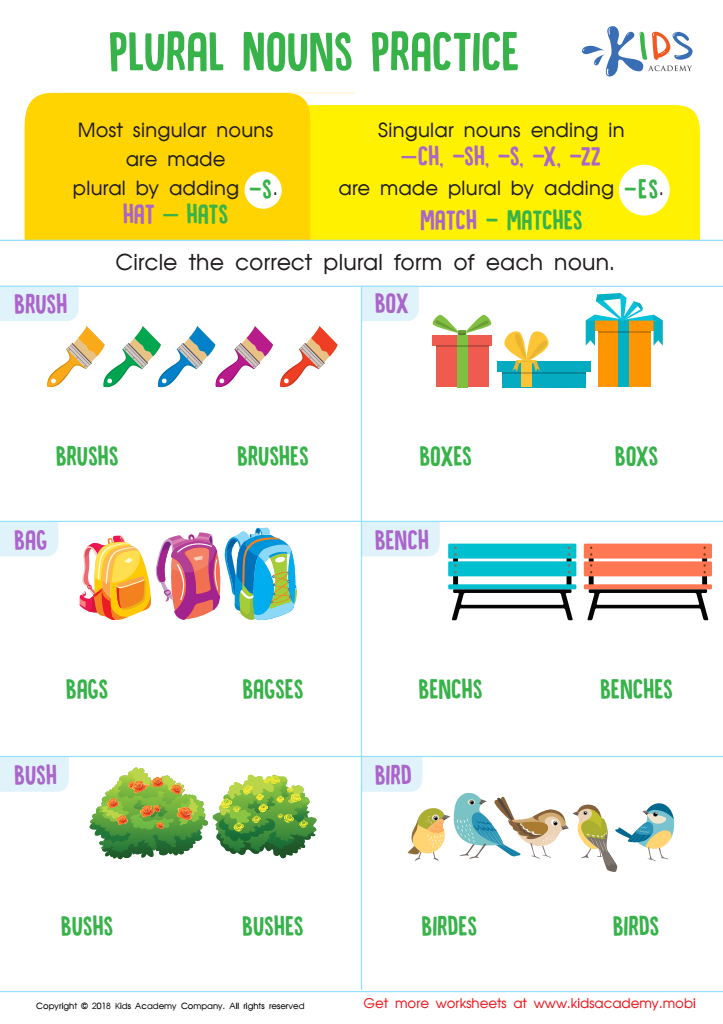
Plural Nouns Practice Worksheet
Explain to your child that most singular nouns become plural by adding "-s". E.g. "cat"->"cats". For words ending in "-ch", "-sh", "-s", "-x", or "-zz", add "-es". E.g. "buzz"->"buzzes". Then, get them to circle the right plural form of each noun on the worksheet.
 Assign to My Students
Plural Nouns Practice Worksheet
Worksheet
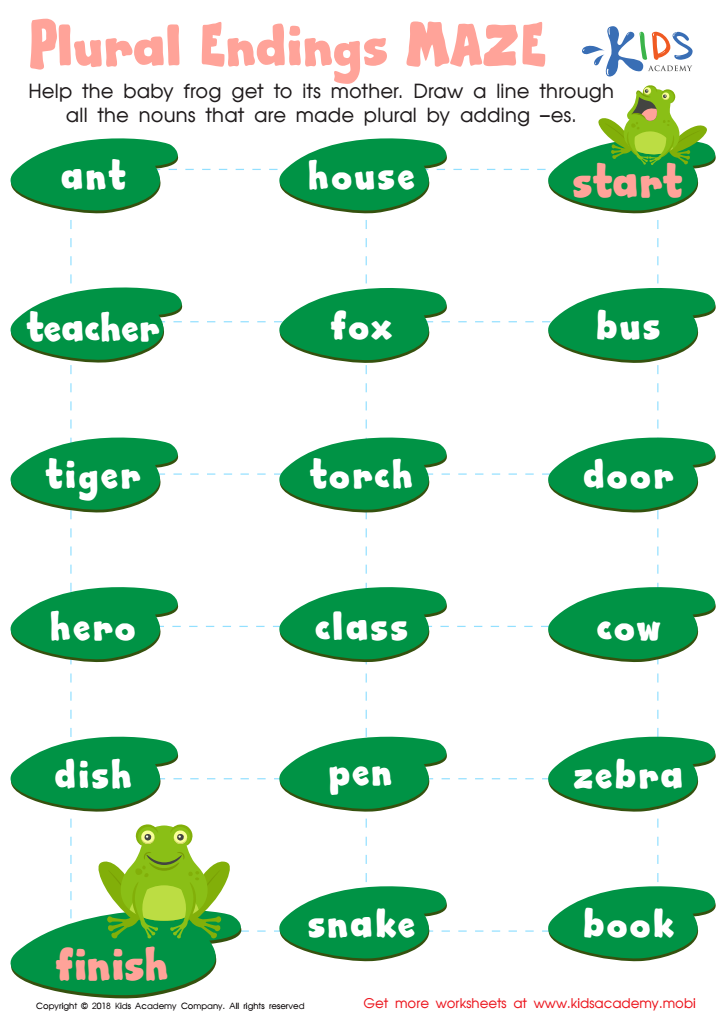
Plural Endings Maze Worksheet
Help your child have fun while learning new things with this worksheet. Does your child know that some nouns require '-es' to make them plural? Use this pdf to teach them the rule and get the little frog to its mother – draw a line through the words with '-es' plural forms.
Plural Endings Maze Worksheet
Worksheet
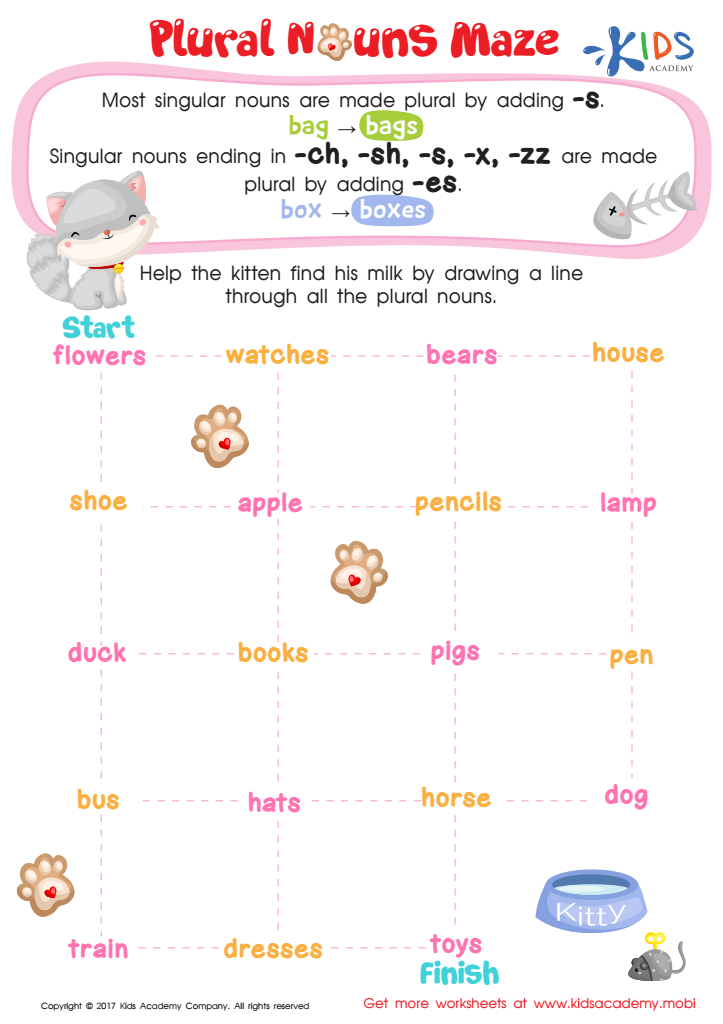
Plural Nouns Maze Worksheet
Oh no, the kitty needs her milk! Help your learner navigate the maze by drawing a line through the plural words. Review the grammar rules on -s and -es endings, then get to work to guide the kitten to her bowl! Download this PDF worksheet to start.
Plural Nouns Maze Worksheet
Worksheet
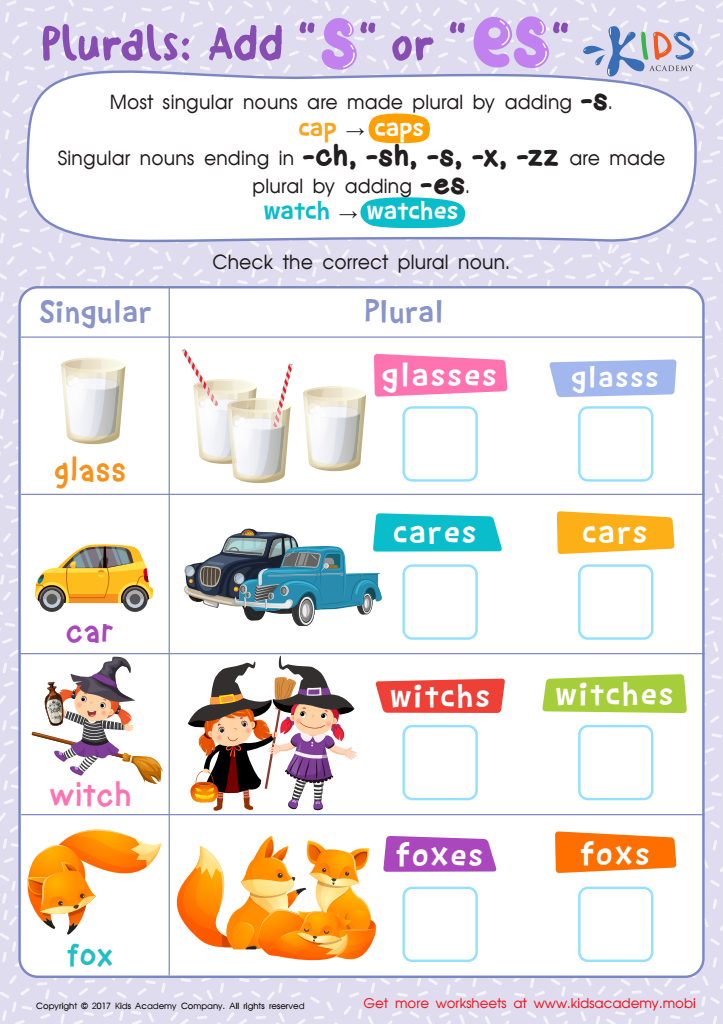
Plurals: "–es" or "–es"? Worksheet
Learning plural nouns can be tough for young readers. This worksheet shows them the difference between singular and plural spelling with cute images. Read each word and check the correct version. Remind them why the other ending can't be used.
Plurals: "–es" or "–es"? Worksheet
Worksheet
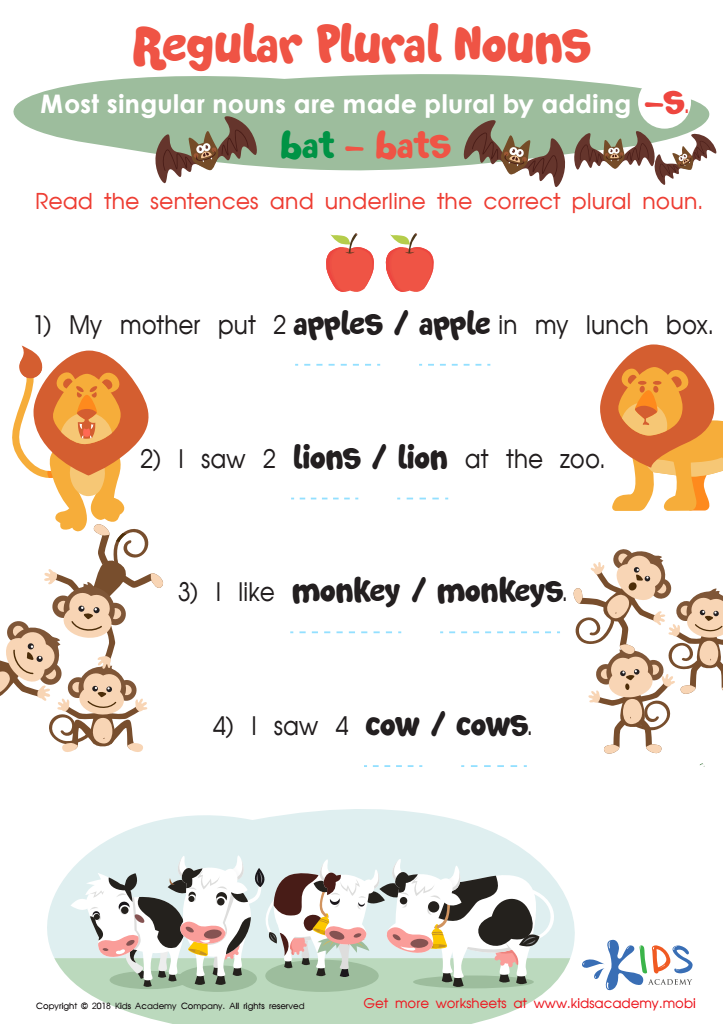
Regular Plural Nouns Worksheet
Your child should know the rule of adding '-s' to form plurals of nouns by now. Examples: bat-bats, cat-cats, song-songs etc. If they understand this, the task in the worksheet should be easy. Read the sentences and ask them to underline the correct plural noun.
Regular Plural Nouns Worksheet
Worksheet
Join Kids Academy for Free
Who is primarily going to use this learning content?




.jpg)


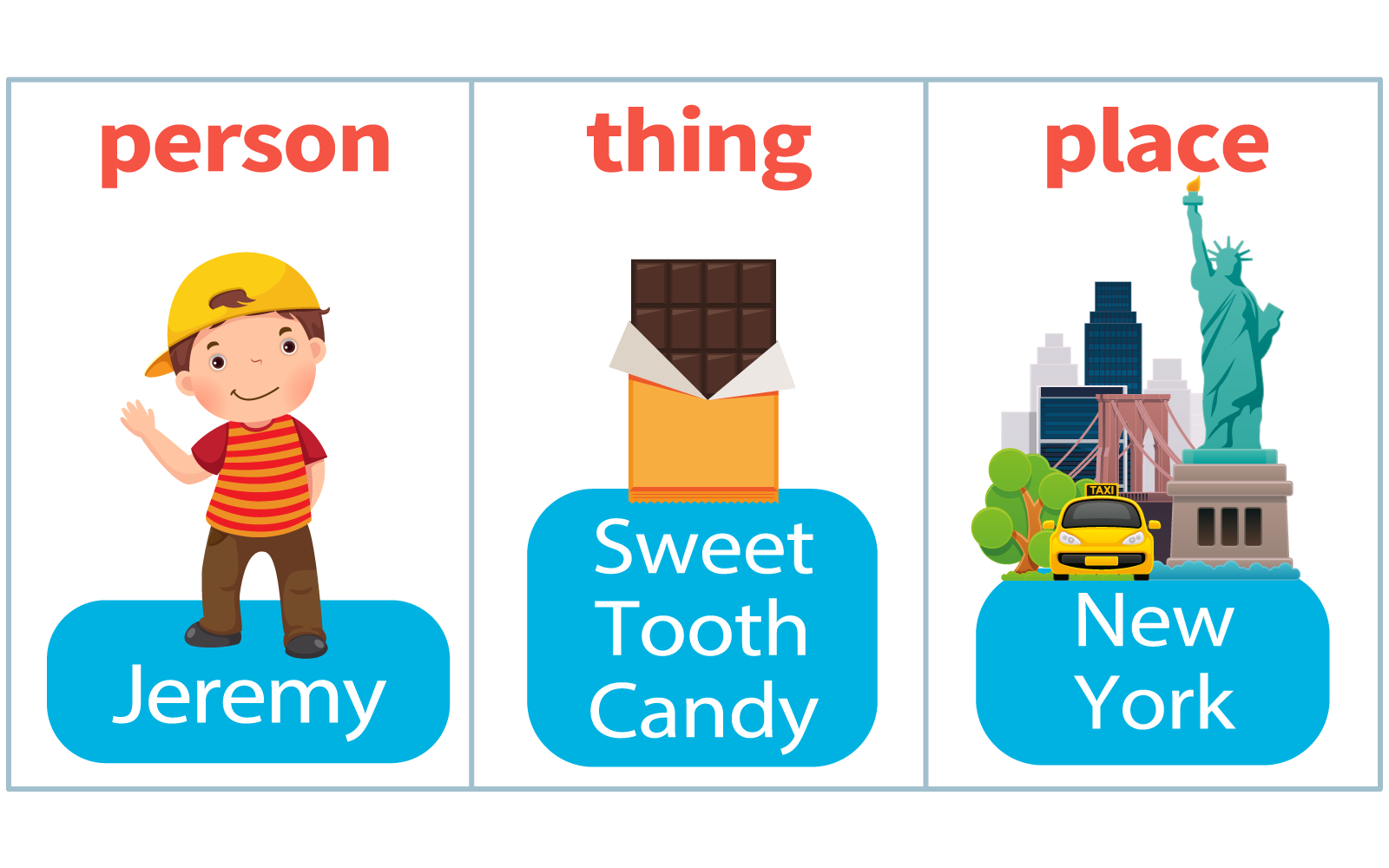
Understanding pluralization is crucial for young learners, as it forms the foundation of language development. For children aged 4 to 8, mastering singular and plural forms helps enhance their vocabulary and communication skills. Plurals reveal the relationship between objects and quantities, fostering critical thinking as kids learn to categorize and describe the world around them.
Parents and teachers play a significant role in guiding the child’s language acquisition. Early instruction in plurals sets the stage for more complex grammatical structures and literacy skills down the line. By grasping how to manipulate nouns from singular to plural forms—like understanding that “cat” becomes “cats”—children gain confidence in expressing their thoughts accurately.
Moreover, learning plurals encourages creativity and imagination as children explore different contexts and narratives involving multiple objects or beings. This understanding also surges reading comprehension as they encounter varied texts filled with plural nouns.
In a diverse classroom or family environment, facilitating discussions around plurals enriches social interaction and dialogue, allowing for meaningful exchanges. Emphasizing the importance of plural forms paves the way for a richer language experience, ensuring children are better equipped for academic success and self-expression. Together, parents and teachers can foster a fun, engaging learning atmosphere where effective communication thrives.