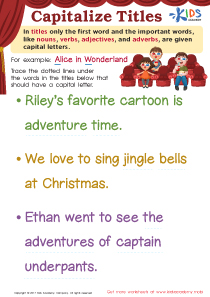
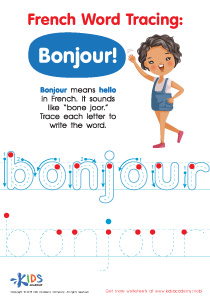
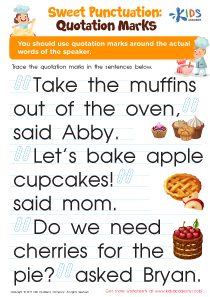
Vocabulary development Extra Challenge Grammar Worksheets for Ages 4-8
3 filtered results
-
From - To
Discover our Vocabulary Development Extra Challenge Grammar Worksheets, specially designed for children ages 4-8! These engaging worksheets help young learners enhance their vocabulary and grasp essential grammar concepts. Each activity is perfectly tailored to promote creativity and critical thinking, making learning both fun and effective. Kids will explore words, practice using them in context, and strengthen their language skills through interactive exercises. Ideal for parents and educators seeking to provide extra challenges, these worksheets are a fantastic resource to complement early literacy development. Help your child build a strong foundation in language with our carefully curated activities today!
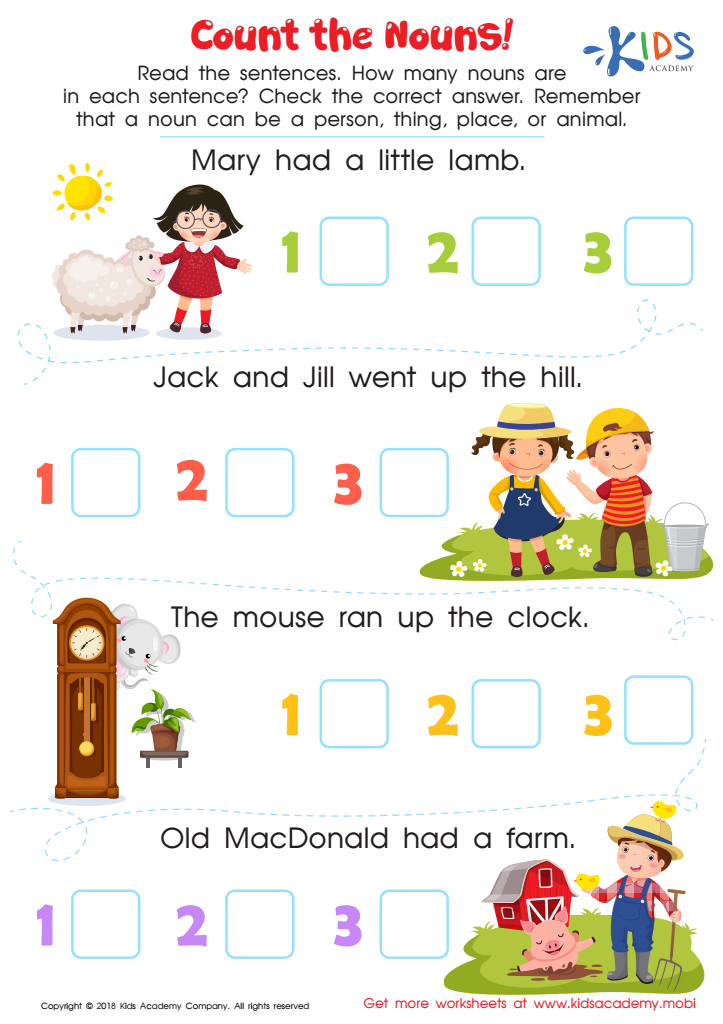
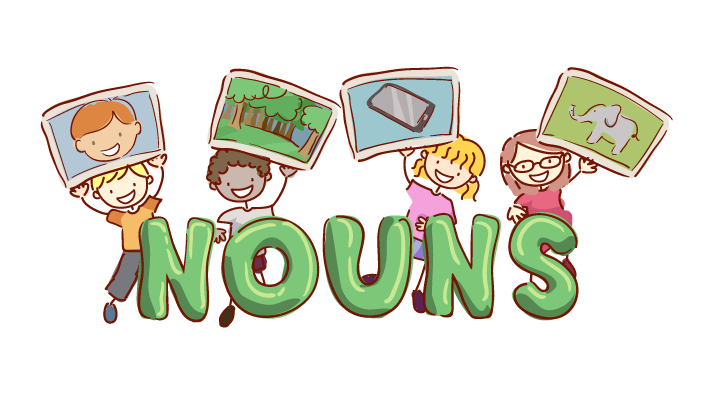
Count the Nouns Worksheet
 Assign to My Students
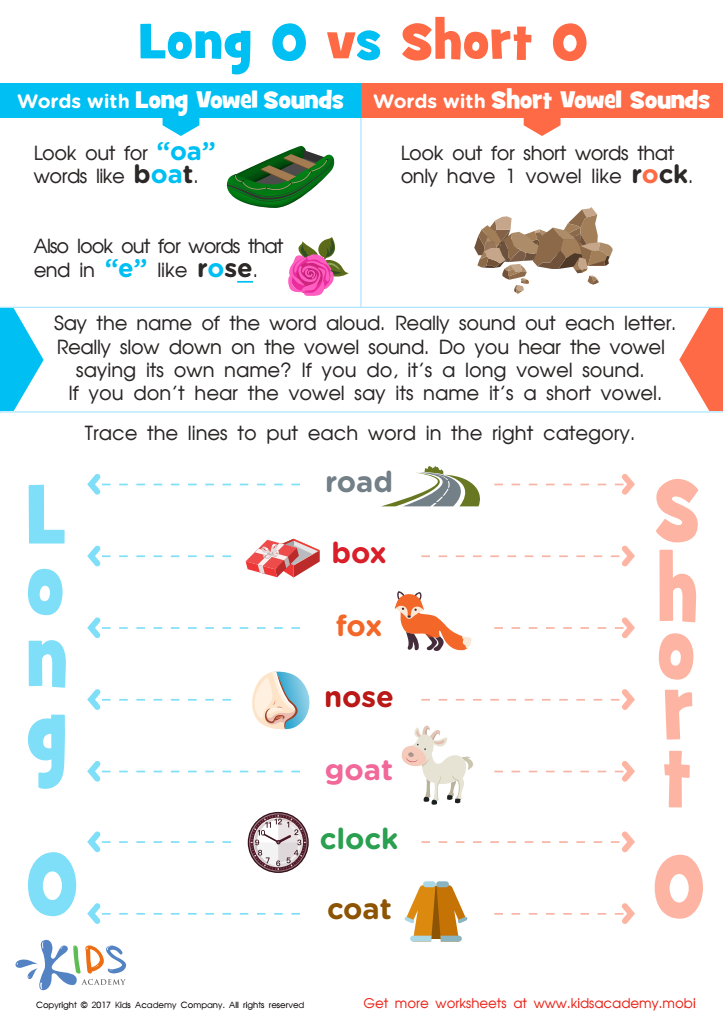
Long and Short Vowel O Spelling Worksheet
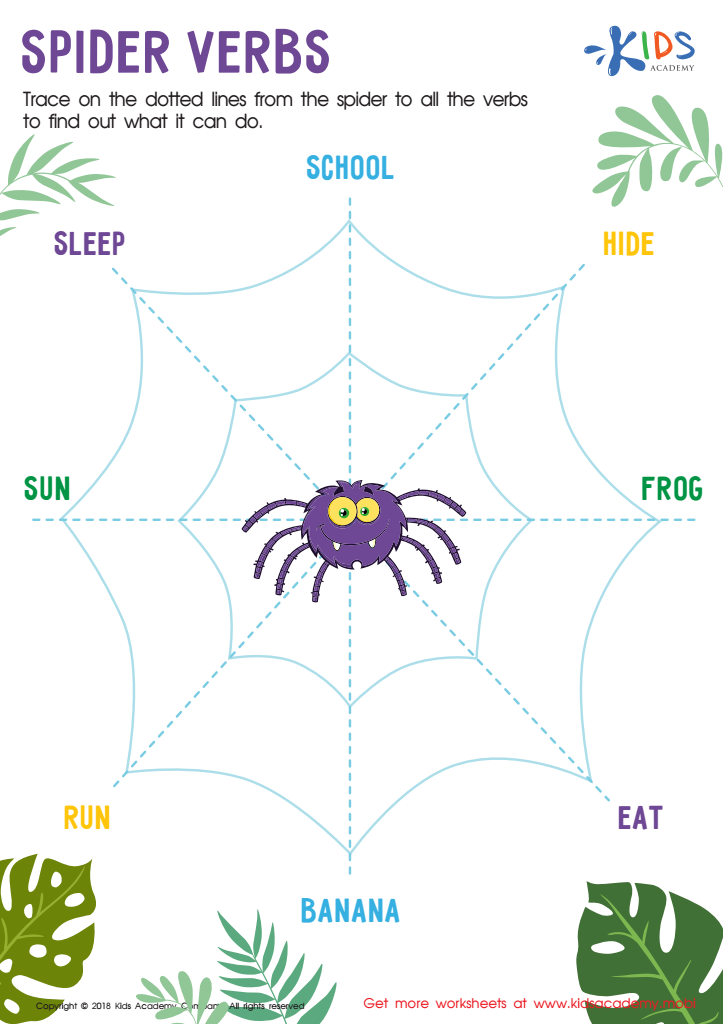
Spider Verbs Worksheet






Vocabulary development is crucial for children aged 4-8 as it lays the foundation for effective communication, reading comprehension, and overall academic success. During these formative years, children are rapidly acquiring language skills. A rich vocabulary enhances their ability to express thoughts, emotions, and ideas, fostering confidence in social interactions and academic settings.
Teachers and parents play a pivotal role in vocabulary comprehension and expansion. Engaging children through vocabulary-rich conversations, storytelling, and interactive activities helps them explore new words and their meanings. Implementing grammar exercises can also deepen understanding. Knowledge of grammar rules such as sentence structure and parts of speech is essential for effective communication. It allows children to construct coherent sentences and understand the nuances of language, which takes their overall literacy skills to the next level.
Incorporating vocabulary and grammar into everyday lessons creates a supportive environment where children can engage creatively with language. It's important to create a word-rich atmosphere, both at home and in classrooms, illustrating the relevance of language in their lives. Ultimately, focusing on vocabulary development coupled with grammar understanding equips children with the communication skills crucial for future learning and interpersonal relationships. This foundation greatly influences academic achievement and lifelong literacy skills.