Fine Motor Skills Extra Challenge Letter Recognition Worksheets for Ages 4-9
7 filtered results
-
From - To
Enhance your child's fine motor skills and letter recognition with our engaging Extra Challenge Worksheets, designed for ages 4-9! These printable worksheets provide a fun and interactive way for children to explore letters while improving their dexterity. Featuring a variety of activities that promote tracing, cutting, and coloring, these worksheets make learning exciting. As children work through the challenges, they build confidence in their writing abilities while also developing crucial hand-eye coordination. Perfect for homeschooling or supplemental learning, our Fine Motor Skills Extra Challenge Letter Recognition Worksheets turn educational activities into enjoyable adventures. Get started today for a well-rounded learning experience!
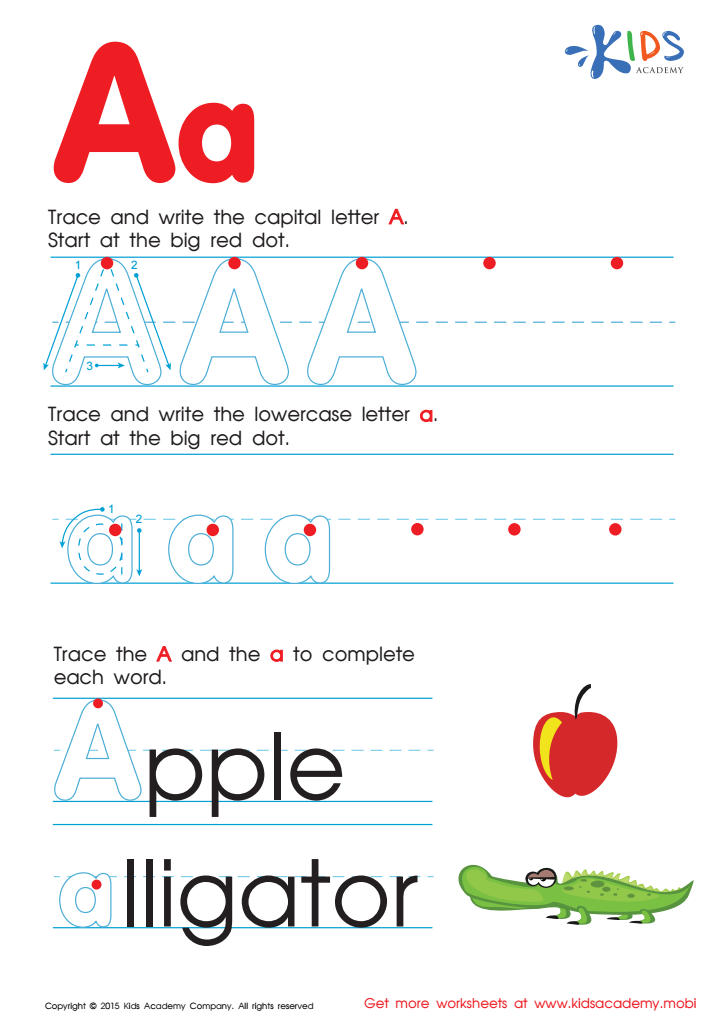
Letter A Tracing Page
 Assign to My Students
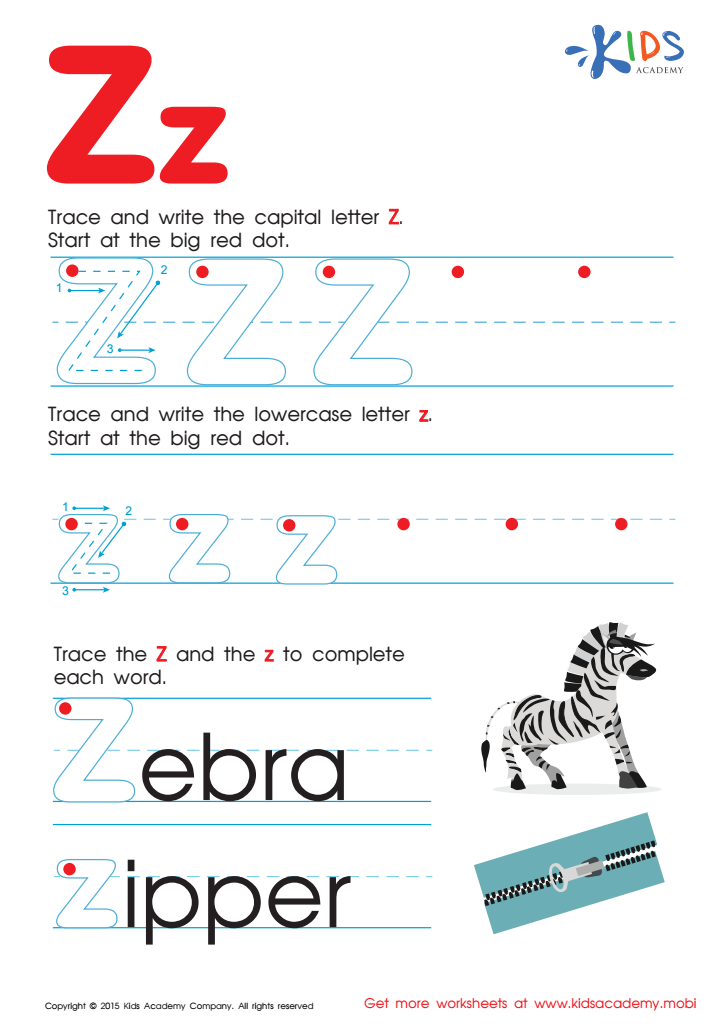
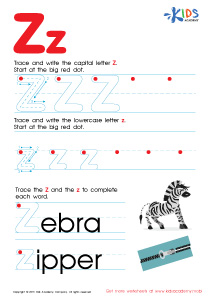
Letter Z Tracing Page
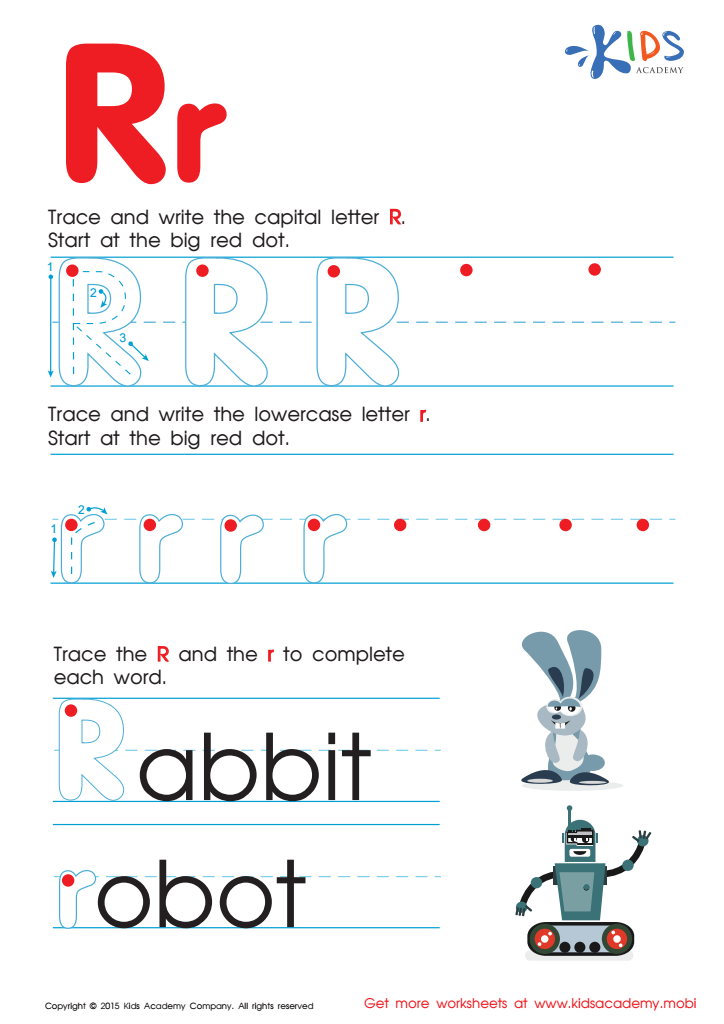
Letter R Tracing Page
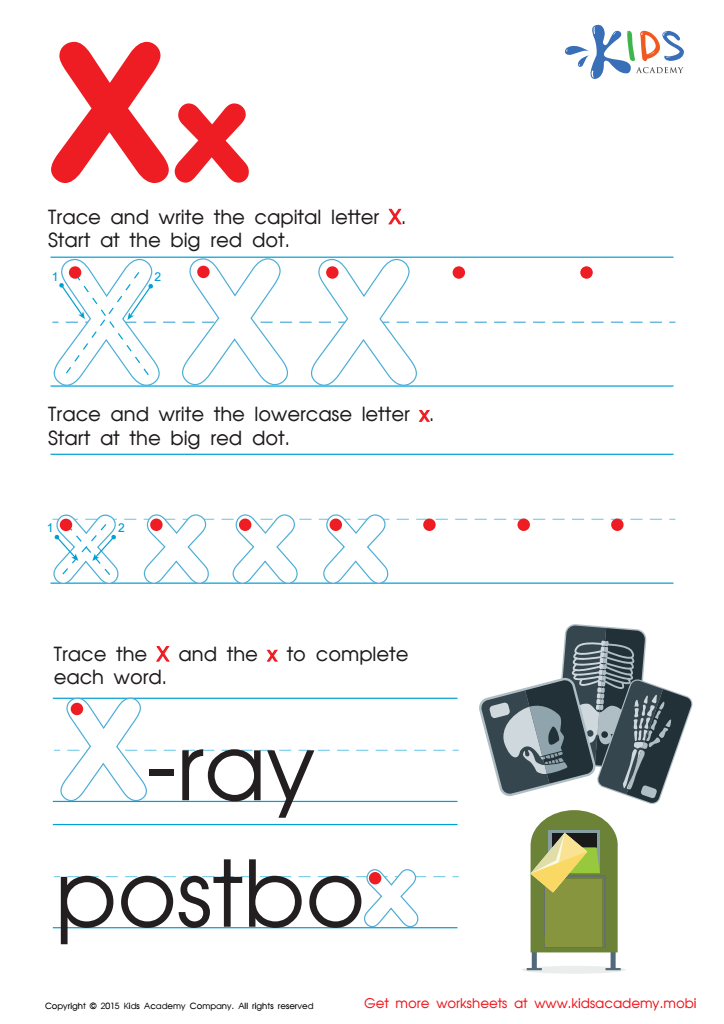
Letter X Tracing Page
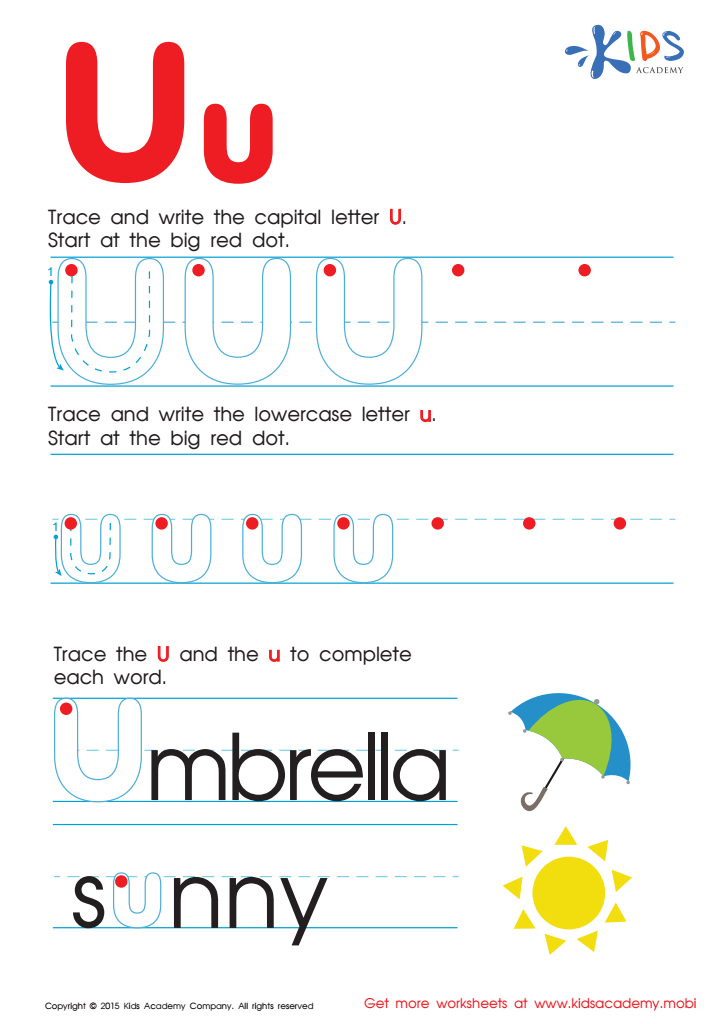
Letter U Tracing Page
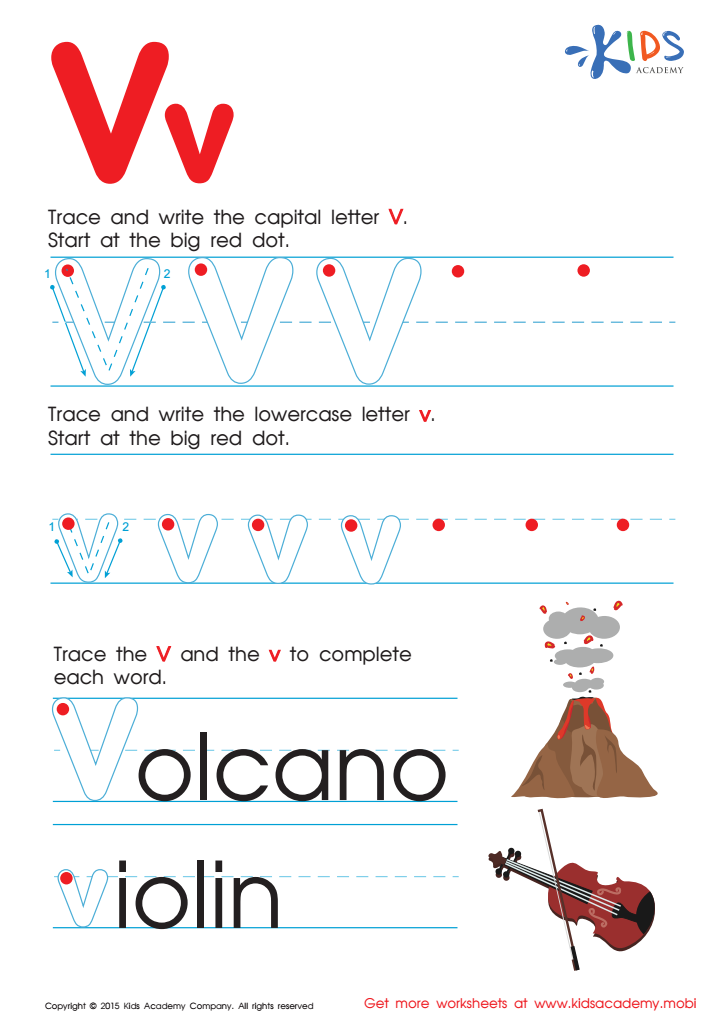
Letter V Tracing Page

Letter T Tracing Page








Fine motor skills and letter recognition are crucial for children's early development, particularly for ages 4-9. Parents and teachers should prioritize these skills as they are foundational for successful learning and overall growth. Fine motor skills help children develop hand-eye coordination and dexterity, enabling them to perform tasks like writing, drawing, and using classroom tools. As children harness these skills, they gain confidence in their abilities, setting a positive tone for their educational journey.
Letter recognition is equally important. It not only prepares children for reading and writing but also enhances their communication skills. Familiarity with letters forms the basis for vocabulary development and literacy. When children can easily identify letters, they tend to decode words more effectively, leading to greater comprehension and fluency.
Incorporating extra challenges that focus on fine motor skill activities and letter recognition fosters a stimulating learning environment. This can be accomplished through fun, engaging activities like crafting, puzzles, or interactive games, making the learning process enjoyable. Ultimately, supporting children in these areas equips them with essential tools for academic success and lifelong learning, allowing parents and teachers to guide their development in meaningful ways. Investing in these skills now will result in a strong educational foundation.