
Handwriting improvement Extra Challenge Worksheets for Ages 4-9
3 filtered results
Difficulty Level
Grade
Age
-
From - To
Subject
Activity
Standards
Enhance your child's handwriting skills with our "Handwriting Improvement Extra Challenge Worksheets" designed specifically for ages 4-9. These engaging and interactive worksheets provide a variety of exercises to strengthen fine motor skills, promote proper letter formation, and boost confidence in writing. With fun themes and captivating illustrations, your child will enjoy practicing essential writing techniques. Each worksheet is tailored to accommodate different learning levels, ensuring that every student can progress at their own pace. Perfect for classrooms or at-home learning, these worksheets make handwriting practice enjoyable and effective. Give your child the tools they need to write with ease and confidence today!
Favorites
With answer key
Interactive
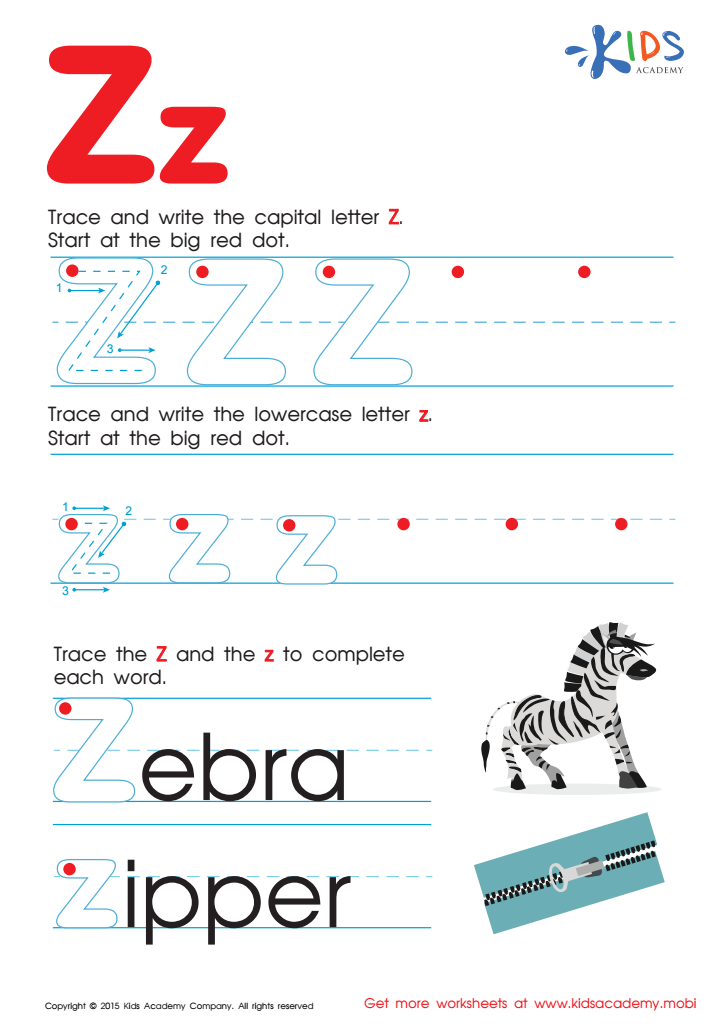
Letter Z Tracing Page
Trace and write capital "Z" and lowercase "z". Complete words "zebra" and "zipper". Be attentive and have fun! (80 words)
 Assign to My Students
Letter Z Tracing Page
Worksheet
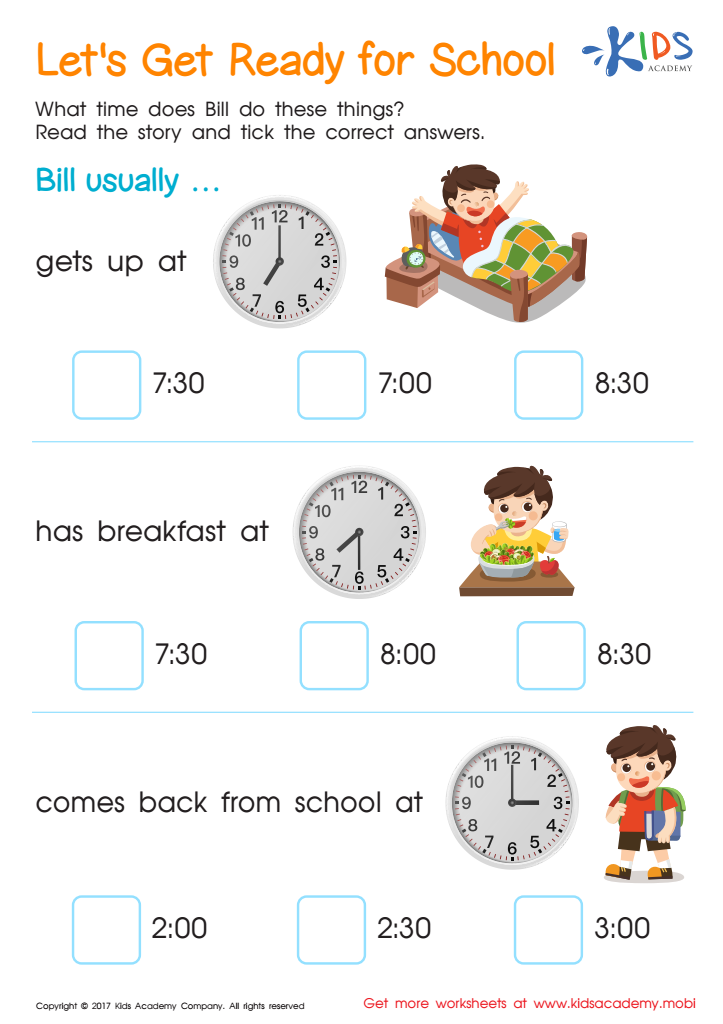
Lets Get Ready For School Time Printable
Believe it or not, kids today are struggling with reading traditional clocks. This vital skill shouldn't be lost, so why not try this fun telling time worksheet to get ready for school? Don't miss out!
Lets Get Ready For School Time Printable
Worksheet
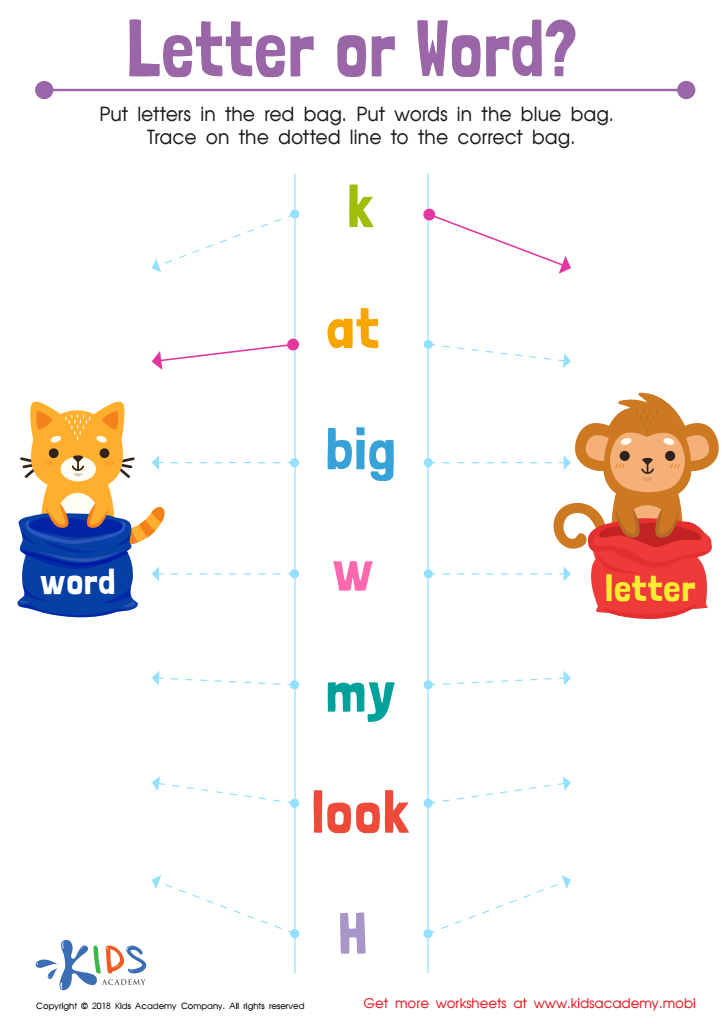
Letter or Word? Worksheet
Help your kids differentiate between words and letters. If they can recite their alphabets and identify common words, this tracing sheet will be a breeze. Have them trace on the dotted lines to place the letters in the red bag with the kitten, and the words in the blue bag with the monkey.
Letter or Word? Worksheet
Worksheet
Join Kids Academy for Free
Who is primarily going to use this learning content?







Handwriting improvement is essential for children aged 4-9 as it lays the foundation for effective communication skills. At this critical developmental stage, fine motor skills are still strengthening, and encouraging children to practice handwriting can support their overall dexterity. Improved handwriting contributes not only to better academic performance but also enhances confidence. When students take pride in their writing, they are more likely to engage in written assignments, express their ideas more fluently, and participate actively in learning.
Moreover, clear handwriting fosters better comprehension opportunities. As children work on organizing their thoughts on paper, they also cultivate critical thinking and spelling skills. In an age increasingly dominated by technology, mastering handwriting sets children apart and reinforces the importance of traditional literacy skills.
Furthermore, neglected handwriting can lead to frustration and disengagement in school settings. By prioritizing handwriting improvement, parents and teachers can create enjoyable activities, such as fun writing prompts or drawing and writing games, reinforcing learning through creativity. Promoting handwriting skills early ensures greater literacy success, making it vital for educators and parents to focus on ongoing practice and support for children’s writing abilities during this formative age.








