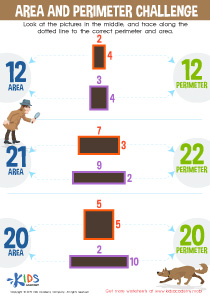
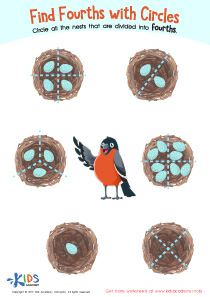
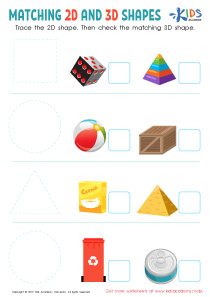
Fine Motor Skills Extra Challenge 2D Shapes Worksheets for Ages 4-9
3 filtered results
-
From - To
Enhance your child's development with our "Fine Motor Skills Extra Challenge 2D Shapes Worksheets for Ages 4-9." Designed to boost both cognitive and motor abilities, these engaging worksheets seamlessly blend shape recognition with dexterity exercises. Children will practice tracing, cutting, and coloring a variety of 2D shapes such as circles, squares, and triangles. Perfect for young learners aiming to improve precision and hand-eye coordination, these printable activities provide an enjoyable way to reinforce essential math skills. Give your child the advantage they deserve by transforming learning into a fun and interactive experience with our expertly crafted worksheets.
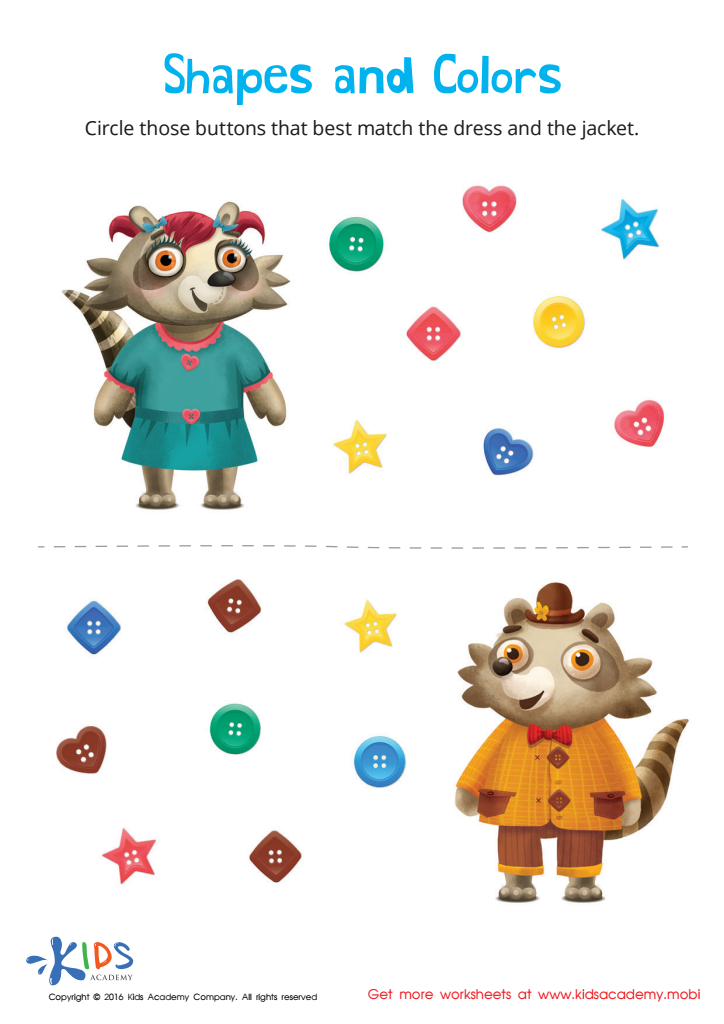
Matching: Shapes and Colors Worksheet
 Assign to My Students

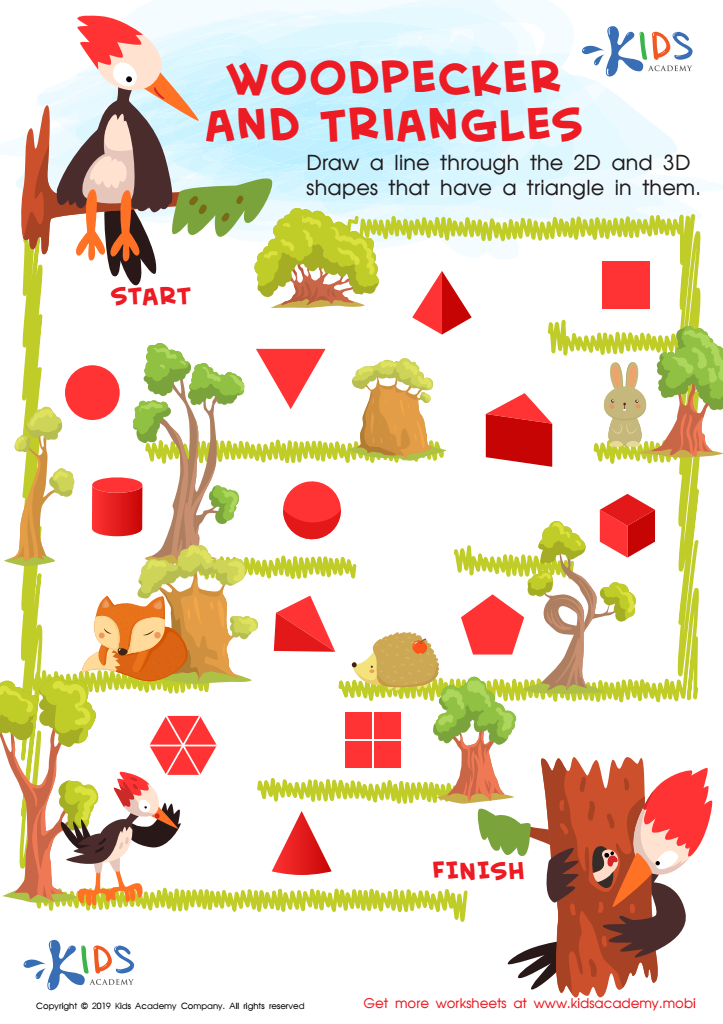
Woodpecker and Triangles Worksheet
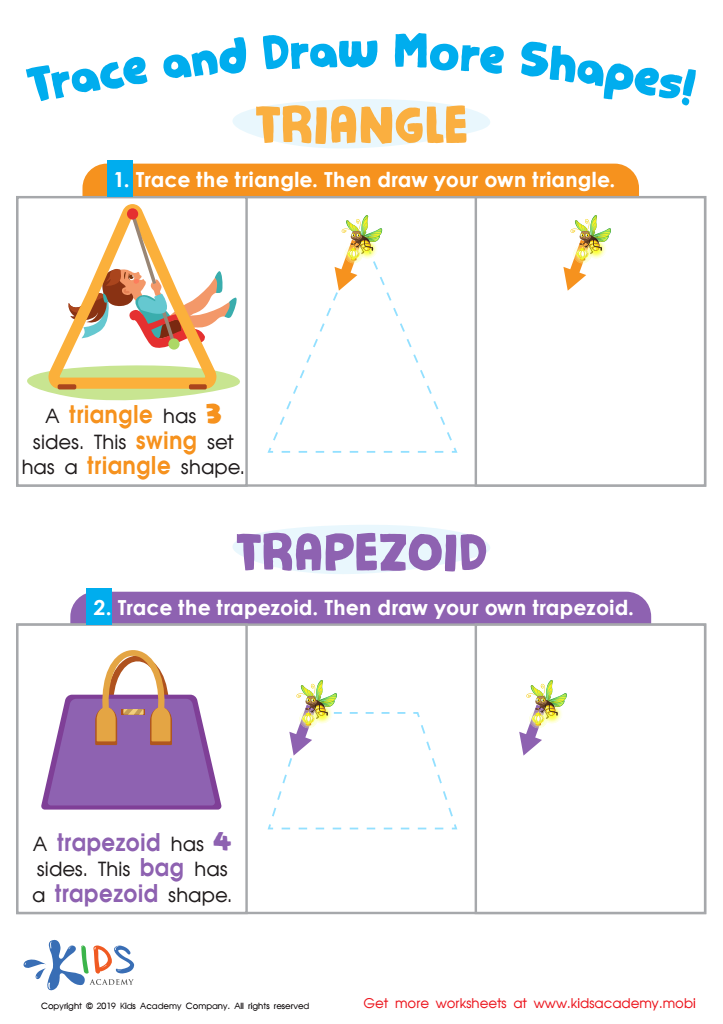
Trace and Draw More Shapes Worksheet








Fine motor skills are crucial for young children as they involve the coordination of small muscles in movements—usually in coordination with the eyes. Parents and teachers should pay attention to Fine Motor Skills Extra Challenges involving 2D shapes for children aged 4-9 because these activities can significantly impact a child's academic and everyday life success.
Engaging in activities that require manipulation of 2D shapes such as drawing, cutting, or tracing, helps children develop the strength and dexterity in their hands and fingers, which is essential for writing, buttoning clothes, or tying shoelaces. As children master the control of these small muscles through these challenges, they also improve their hand-eye coordination and visual perception skills, both of which are foundational for reading and spatial awareness—the ability to comprehend and navigate the physical world.
Additionally, these exercises promote cognitive development by enhancing problem-solving abilities, concentration, and attention to detail. Identifying and understanding different shapes encourages mathematical thinking and lays the groundwork for geometry skills in later years.
Moreover, fine motor skill activities can boost a child’s self-confidence and independence. Successfully completing tasks that require precision and control translates into a sense of accomplishment and motivates further learning.
In essence, fine motor skills challenges involving 2D shapes offer a multi-faceted developmental boost, making them a vital focus for educators and parents committed to fostering well-rounded, capable, and confident children.