Fine Motor Skills Extra Challenge Geometry Worksheets for Ages 4-9
6 filtered results
-
From - To
Introduce your child to the exciting world of geometry with our Fine Motor Skills Extra Challenge Worksheets, tailored for ages 4-9. These engaging activities are meticulously designed to develop fine motor skills while reinforcing geometric concepts. Each worksheet presents fun challenges that encourage precision, concentration, and hand-eye coordination. With varying levels of difficulty, young learners can progress at their own pace, exploring shapes, patterns, and spatial awareness. Perfect for both classroom and at-home learning, these worksheets ensure educational growth and skill enhancement in an enjoyable and interactive manner. Discover the perfect blend of learning and motor skill development today!
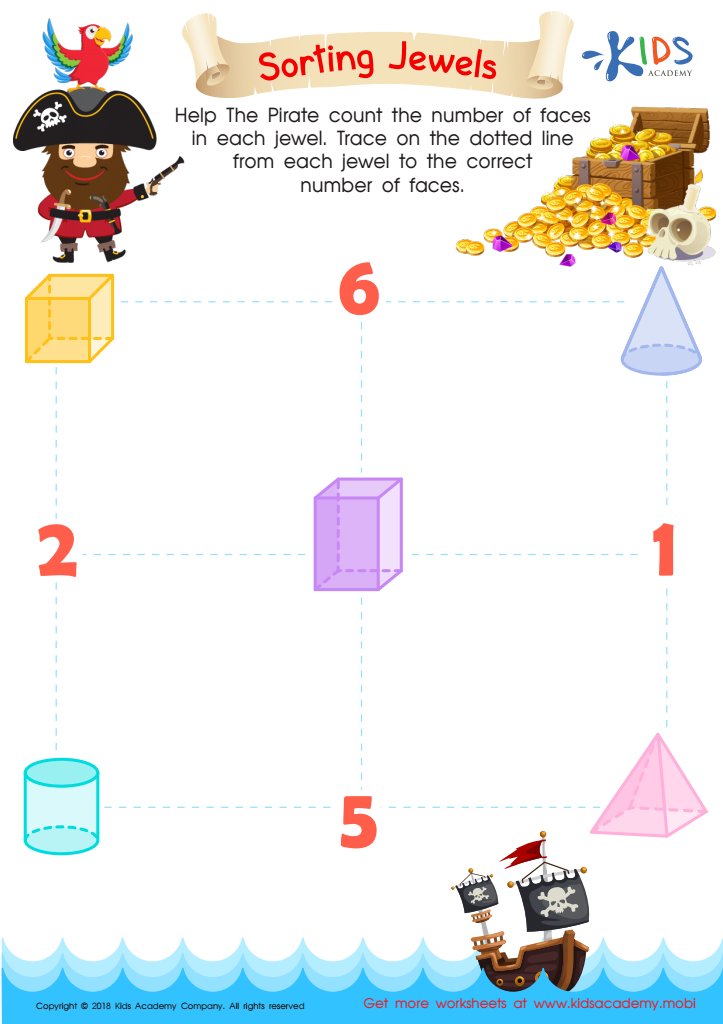
Sorting Jewels Worksheet
 Assign to My Students











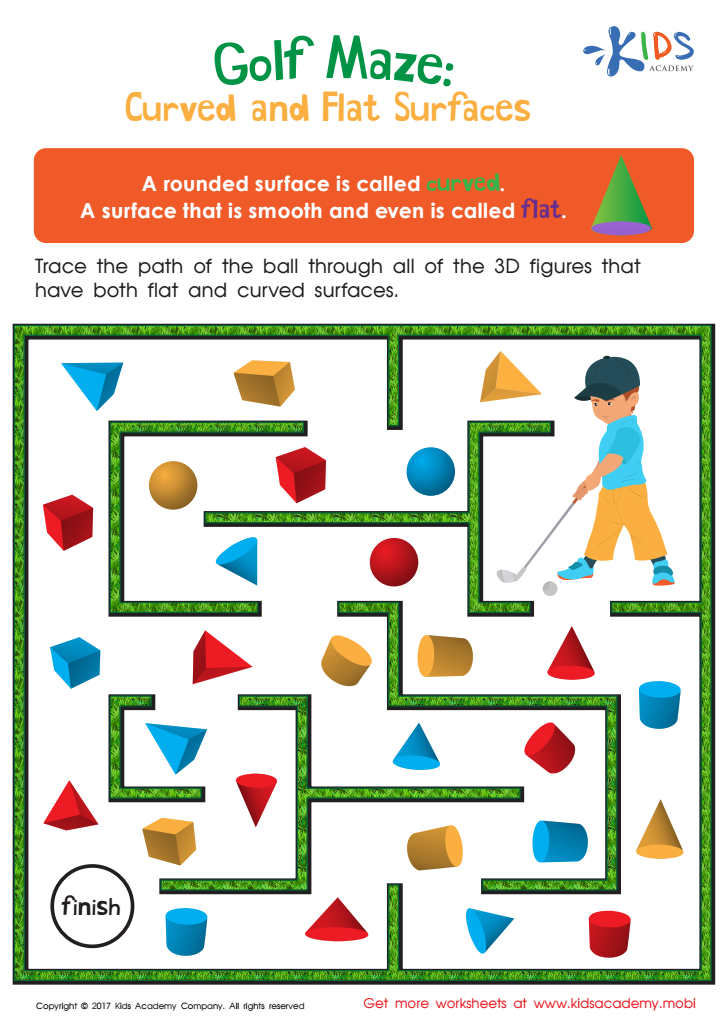
Golf Maze: Curved and Flat Surfaces Worksheet
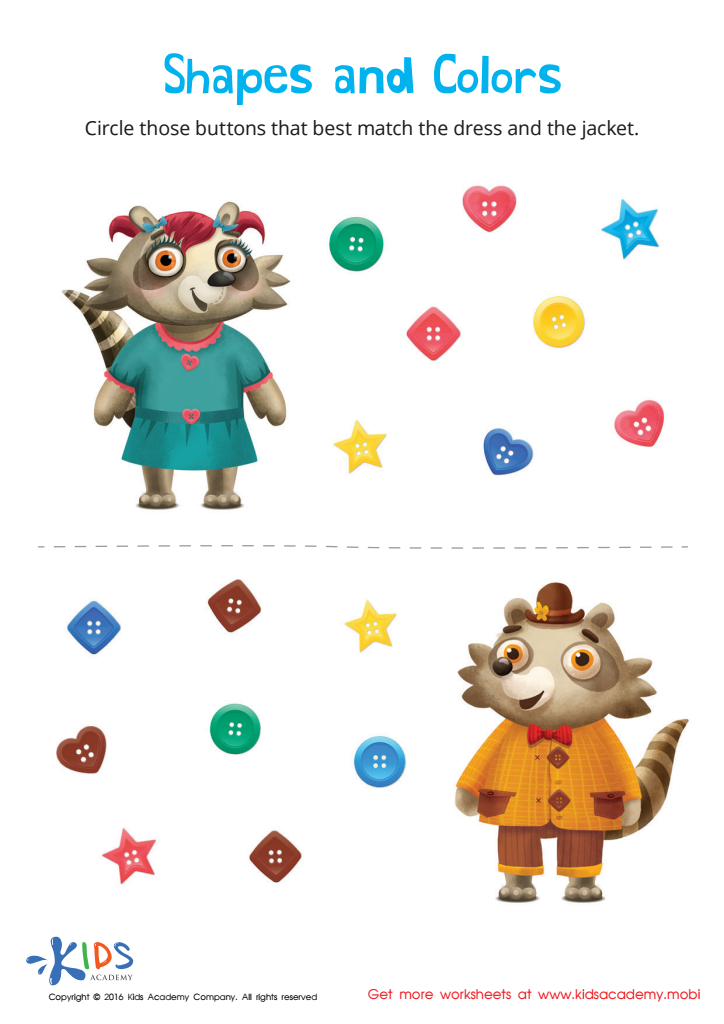
Matching: Shapes and Colors Worksheet
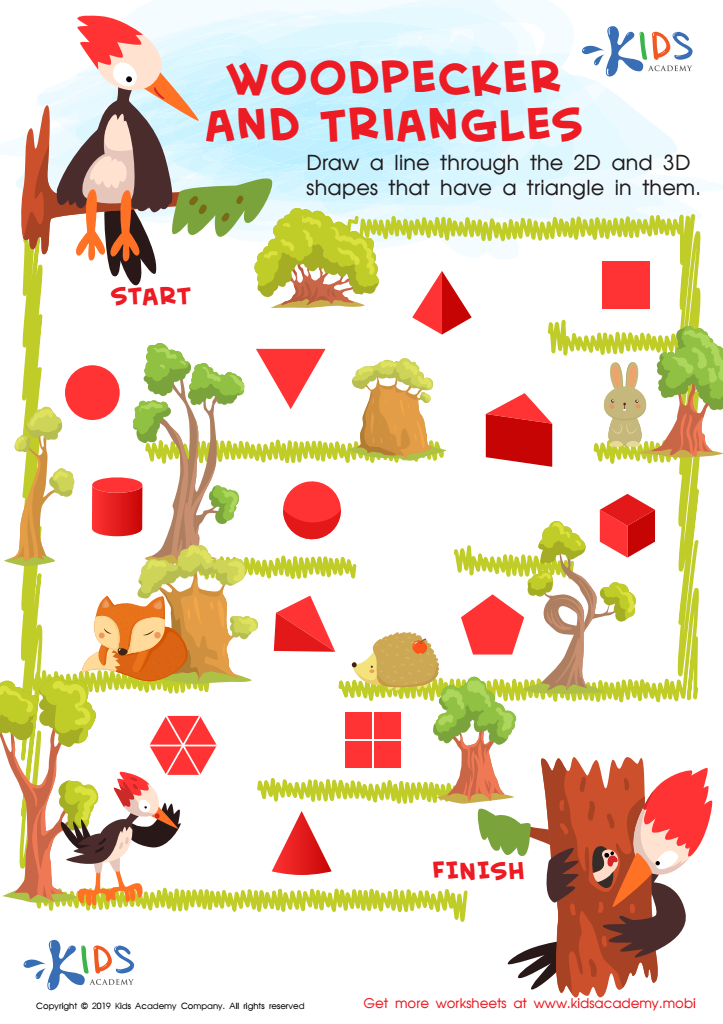
Woodpecker and Triangles Worksheet
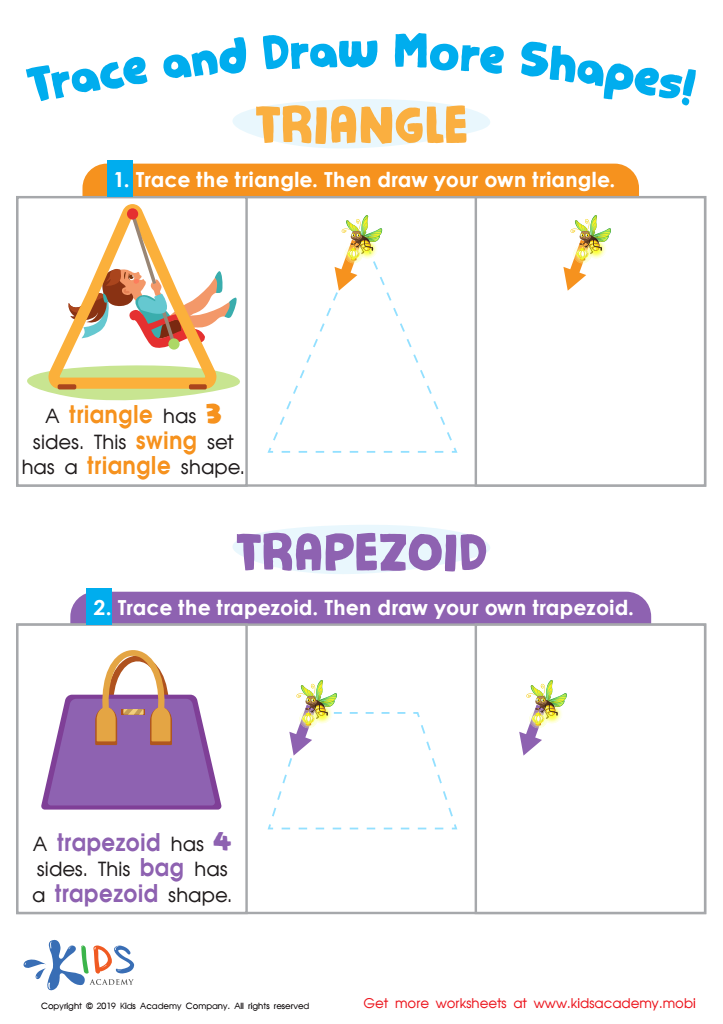
Trace and Draw More Shapes Worksheet
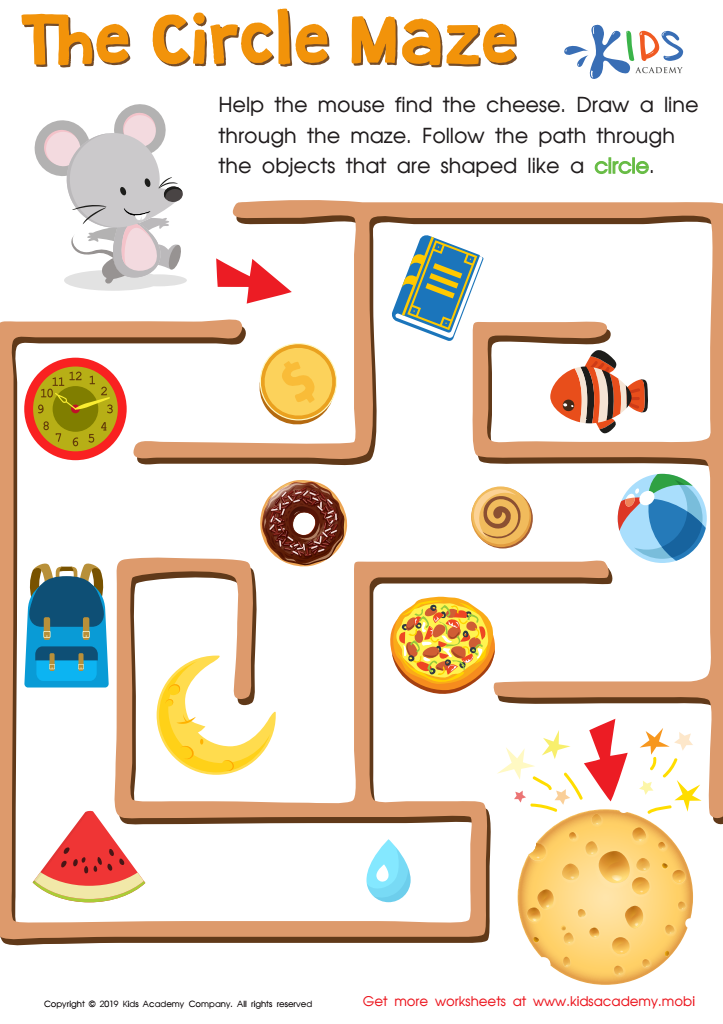
The Circle Maze Worksheet








Parents and teachers should care about Fine Motor Skills Extra Challenge Geometry for ages 4-9 because it plays a critical role in the overall development of children's early learning skills. Fine motor skills pertain to the coordination of small muscles, particularly in the hands and fingers, which are essential for tasks such as writing, buttoning clothes, and using scissors. When these skills are honed through geometry challenges, children not only improve their dexterity and hand-eye coordination but also their cognitive abilities.
Geometry challenges encourage spatial awareness and cognitive development, both of which are crucial during early childhood. Engaging in activities that require precise movements helps children build neural connections that support problem solving and critical thinking skills. Moreover, these challenges foster patience and focus, attributes that are beneficial in all areas of learning.
On a social and emotional level, successfully completing fine motor skill tasks boosts children’s confidence and independence. These skills are foundational for academic achievement, especially in writing and mathematics. When children reach school age, having strong fine motor skills sets them up for success as they are better prepared to meet the demands of the classroom.
Thus, integrating fine motor skills challenges with geometry not only supports physical development but also enhances cognitive growth, laying a solid foundation for future educational success.