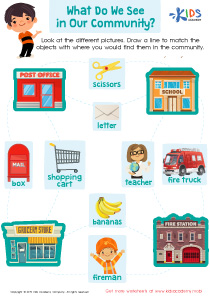
Interpreting data Extra Challenge Graphs Worksheets for Ages 4-9
3 filtered results
-
From - To
Explore our "Interpreting Data Extra Challenge Graphs Worksheets" designed specifically for children ages 4-9. These engaging worksheets offer a fun and interactive way for young learners to develop essential data interpretation skills. Through various graphing activities, children will learn to compare, analyze, and interpret information displayed in different formats. Our worksheets emphasize critical thinking and foster a love for numbers while providing an exciting challenge beyond standard curriculum offerings. Perfect for classroom activities or at-home learning, these resources encourage children to think mathematically and enhance their problem-solving abilities, laying a strong foundation for future academic success. Get started today!
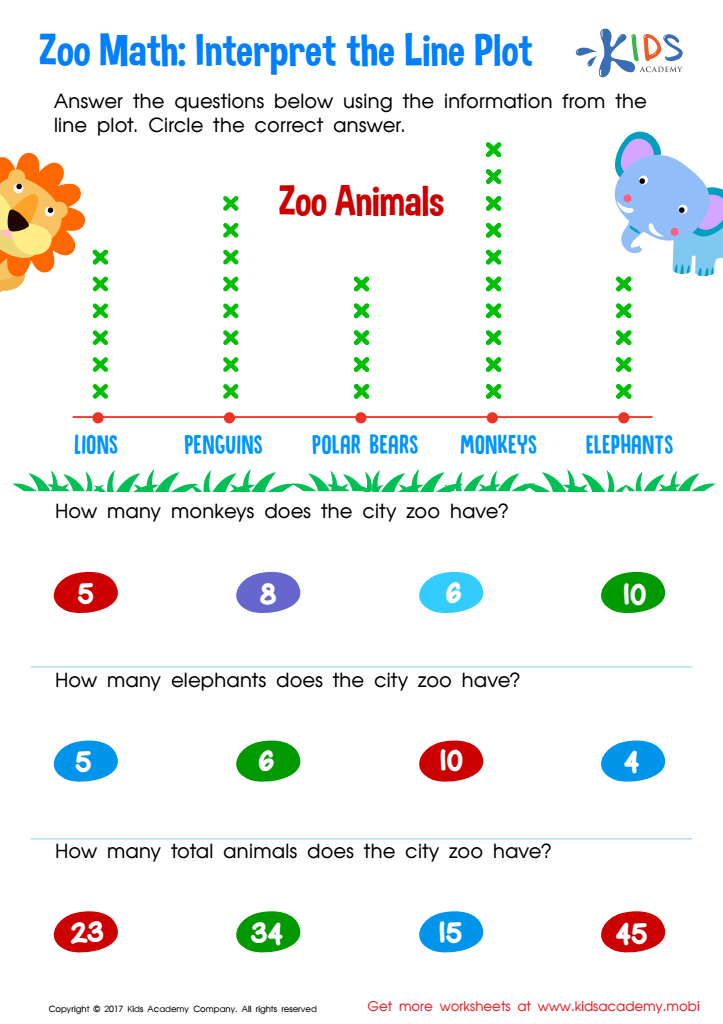
Interpret Line Plot Worksheet
 Assign to My Students
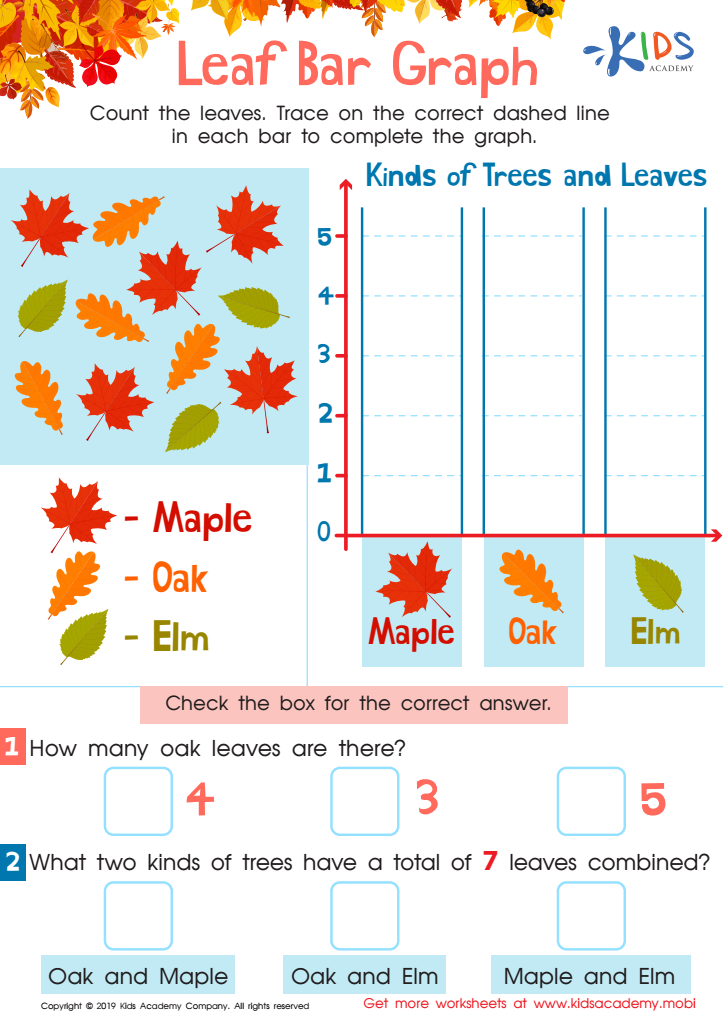
Leaf Bar Graph Worksheet
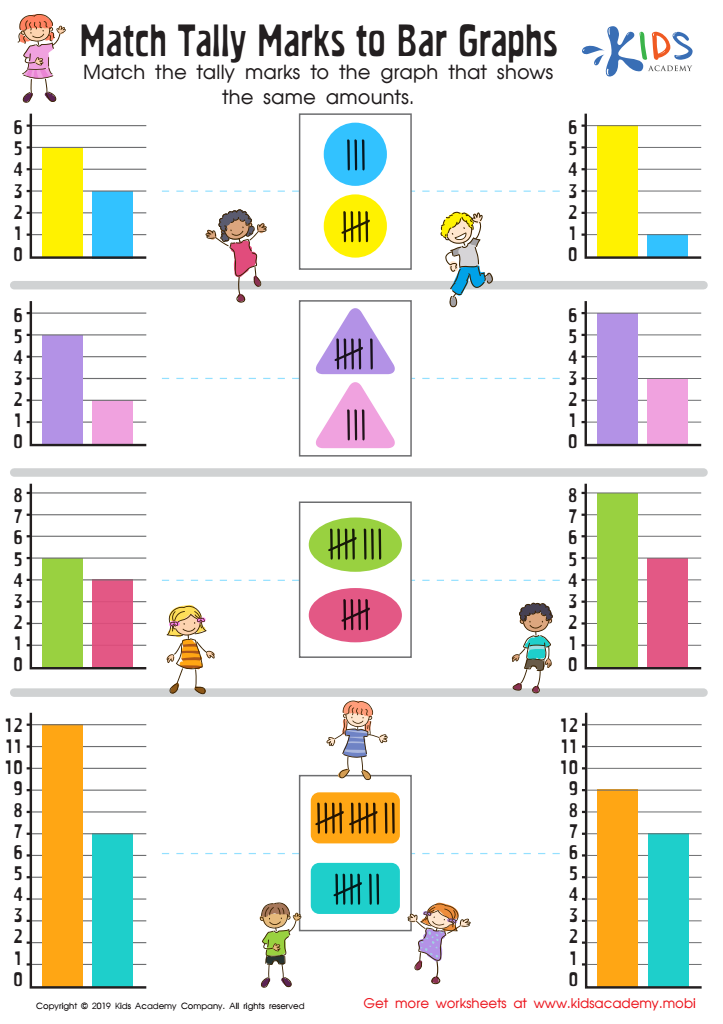
Match Tally Marks to Bar Graphs Worksheet








Interpreting data through Extra Challenge Graphs is essential for parents and teachers of children aged 4-9 as it fosters critical thinking, enhances mathematical skills, and promotes early numeracy. Understanding graphs teaches children how to analyze information visually, enabling them to define relationships and patterns, which are foundational skills in both mathematics and daily life.
By engaging with graphs, children learn to categorize data, understand scales, and communicate findings effectively. This practice helps them develop an analytical mindset and promotes curiosity about the world around them. Parents and teachers can use graphs to make learning interactive and relatable, demonstrating real-world applications of data interpretation, such as through weather patterns, classroom activities, or personal interests.
Moreover, fostering data interpretation skills can boost children's confidence and participation in discussions about facts and figures, making learning more enjoyable and relevant. When adults model enthusiasm for data, children are more likely to mimic this behavior, paving the way for a lifelong appreciation, and understanding of mathematics and science. Overall, understanding and interpreting Extra Challenge Graphs encourages early cognitive development, supports academic success, and instills a love for learning.