Vocabulary expansion Extra Challenge Science Worksheets for Ages 4-9
3 filtered results
-
From - To
Ignite your child's curiosity with our Vocabulary Expansion Extra Challenge Science Worksheets, designed for ages 4-9. These printable worksheets are tailored to enrich your young learner’s science vocabulary, promoting a deeper understanding of the world around them. Each engaging activity introduces new scientific terms through fun, interactive exercises, fostering both critical thinking and a love for learning. Perfect for classroom use or at-home practice, these worksheets support children in building a strong vocabulary foundation while exploring fascinating scientific concepts, one word at a time. Empower your child's academic journey with these engaging, educational worksheets!
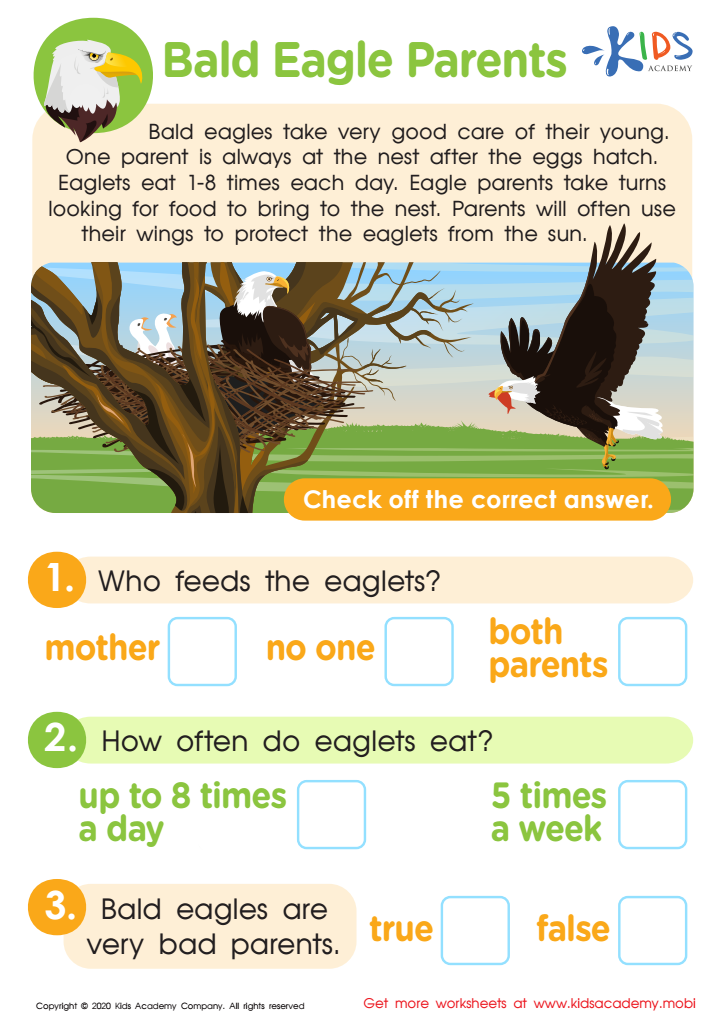
Bald Eagle Parents Worksheet
 Assign to My Students
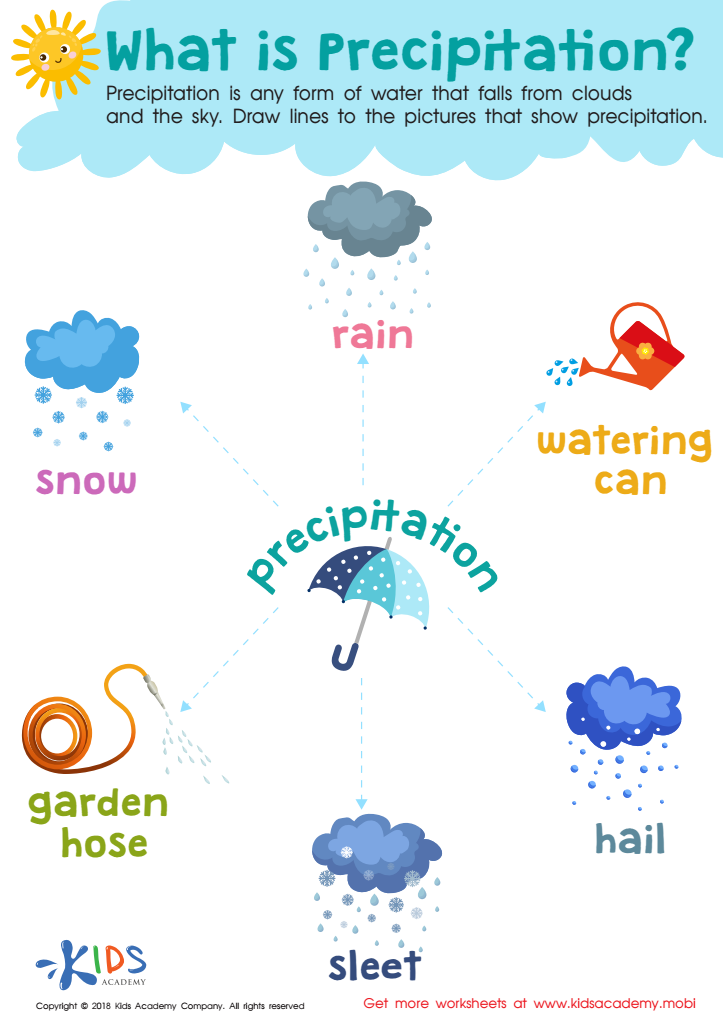
What Is Precipitation? Worksheet
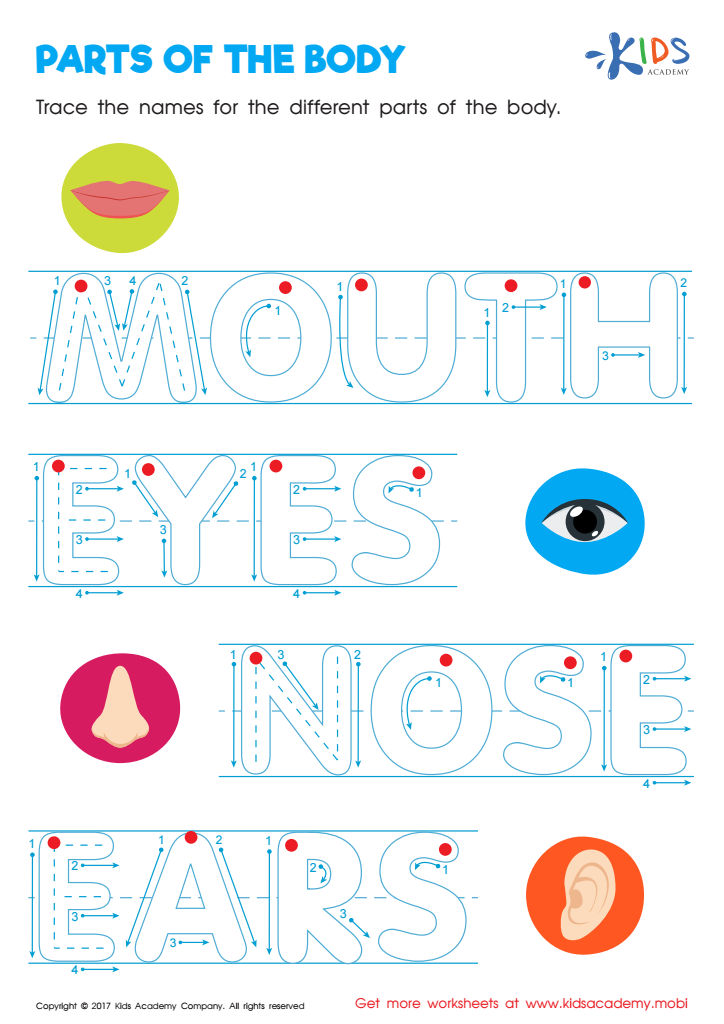



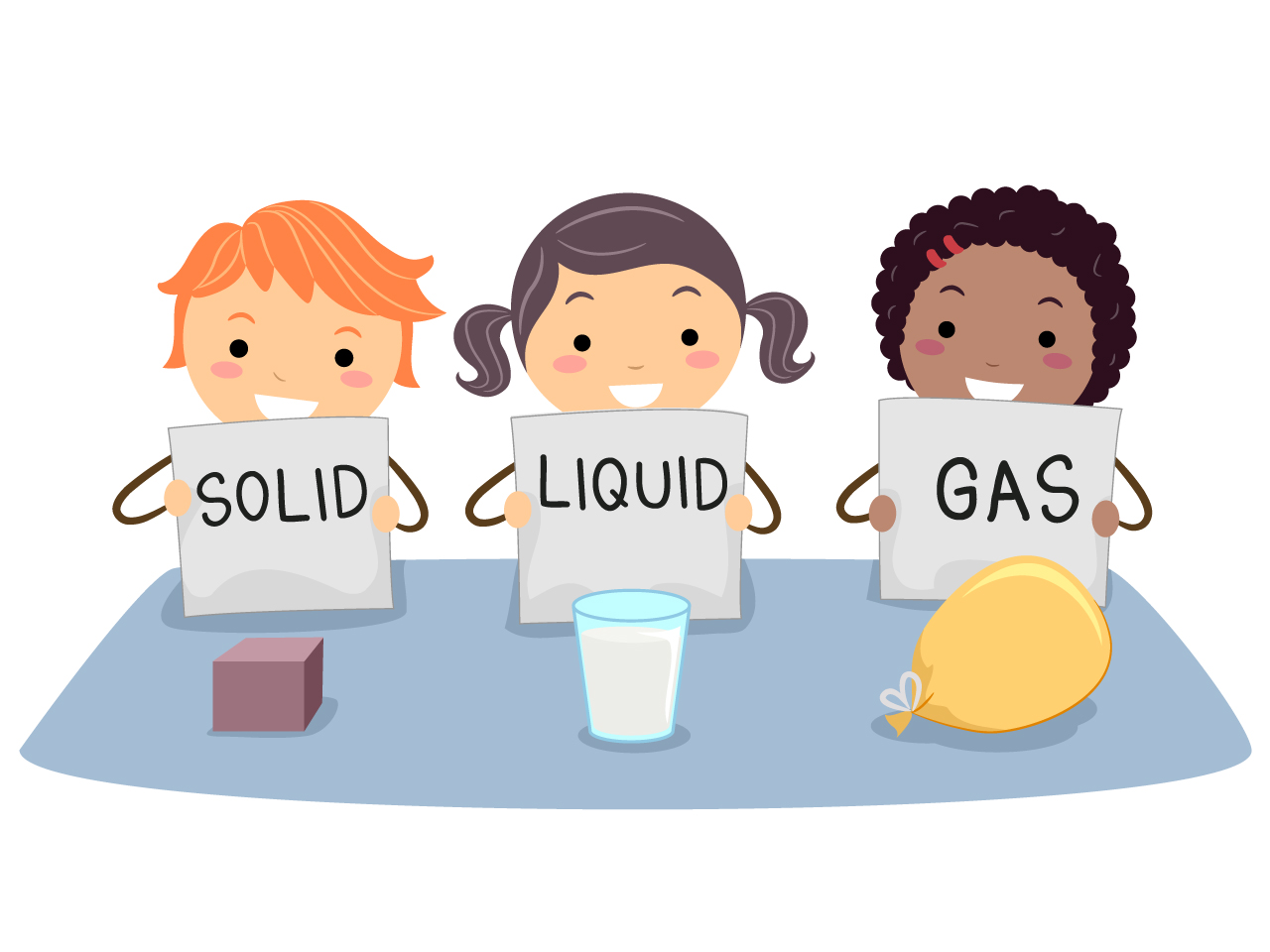




Parents and teachers should care about vocabulary expansion through extra challenges in science for children aged 4-9 because it lays an essential foundation for their academic, cognitive, and social development. During these formative years, children are exceptionally receptive to learning new words and concepts, which can significantly enhance their language skills and comprehension abilities.
Introducing science-related vocabulary in particular not only expands their overall word bank but also sparks curiosity and fosters a love for learning about the world around them. When children understand and use scientific terms, they develop critical thinking skills and are better able to categorize and describe their observations. This early engagement with science prepares them for more complex STEM subjects in later grades, promoting long-term academic success.
Moreover, an expanded vocabulary allows children to express themselves more clearly and confidently, improving their communication skills both in and out of school. This social benefit is crucial as it aids in building relationships, participating in group activities, and enhancing overall emotional intelligence.
In summary, vocabulary expansion through science challenges equips children with the necessary tools for intellectual growth, curiosity about their environment, and improved interpersonal skills, providing a strong, holistic educational foundation.