Logical thinking Extra Challenge Grammar Worksheets for Ages 4-9
3 filtered results
-
From - To
Boost your child’s cognitive abilities with our Logical Thinking Extra Challenge Grammar Worksheets for Ages 4-9 from Kids Academy. Perfectly designed to enhance grammar skills and logical reasoning, these engaging exercises encourage young learners to think critically and solve problems effectively. Each worksheet is crafted to challenge kids without overwhelming them, fostering a fun and educational experience. Whether at home or in the classroom, these resources can help improve your child’s writing, grammar knowledge, and logical skills, laying a strong foundation for future academic success. Explore our extensive collection today and watch your child’s confidence and abilities soar!
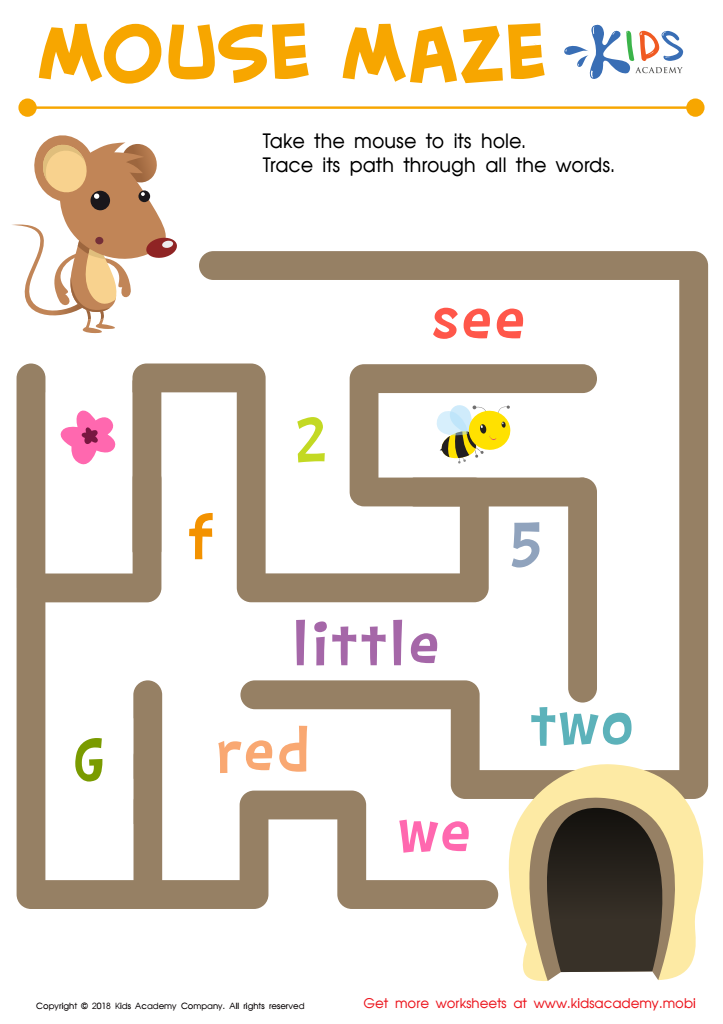
Find Words Mouse Maze Worksheet
 Assign to My Students

Spider Verbs Worksheet
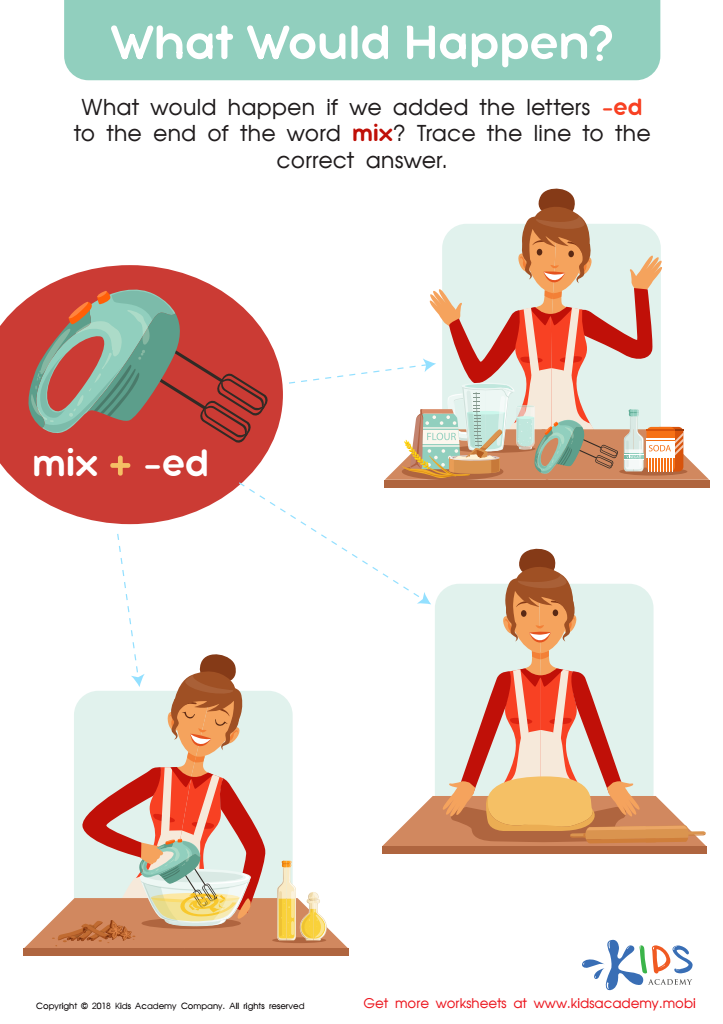
What Would Happen? Worksheet








Engaging children aged 4-9 in logical thinking, extra challenges, and grammar is fundamental to their cognitive development and academic success. During these formative years, young minds are incredibly malleable and receptive to learning new concepts. Encouraging logical thinking helps children develop problem-solving skills and the ability to reason through situations effectively. This cognitive skill is essential not only for academic performance, especially in subjects like math and science, but also for everyday decision-making and critical thinking.
Incorporating extra challenges can stimulate children's curiosity and foster a growth mindset. When children are presented with tasks that stretch their current abilities, they learn persistence, adaptability, and resilience. This proactive approach to learning can mitigate frustration and instill a lifelong love of learning and discovery.
Grammar instruction is equally critical, as it forms the foundation for effective communication. Understanding grammar rules enhances children’s ability to express their thoughts clearly and accurately, both in writing and verbally. Mastery of grammar at a young age can lead to better reading comprehension and more fluid writing skills as they advance in their education.
Therefore, by nurturing logical thinking, presenting extra challenges, and teaching proper grammar, parents and teachers equip children with essential tools that will benefit them throughout their educational journey and beyond.