Spelling practice Extra Challenge Writing Worksheets for Ages 4-9
7 filtered results
-
From - To
Unleash your child’s spelling potential with our Spelling Practice Extra Challenge Writing Worksheets tailored for ages 4-9. Designed to push young learners toward mastering their spelling skills, these worksheets blend fun and challenging activities. Each page is crafted to foster improved vocabulary, letter recognition, and fine motor skills. Enjoy a diverse range of exercises, including word matching, fill-in-the-blanks, and crosswords, to keep kids engaged and motivated. With these high-quality learning tools, turn spelling practice into a rewarding and enjoyable experience. Ideal for both classroom and at-home learning, our worksheets are essential for burgeoning spellers!
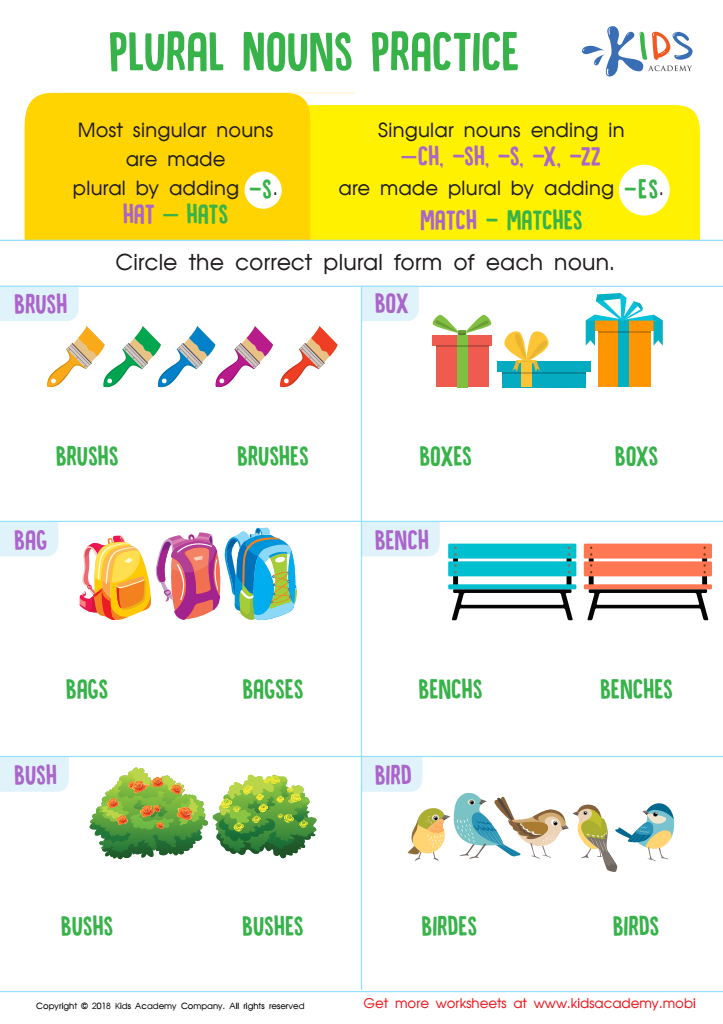
Plural Nouns Practice Worksheet
 Assign to My Students
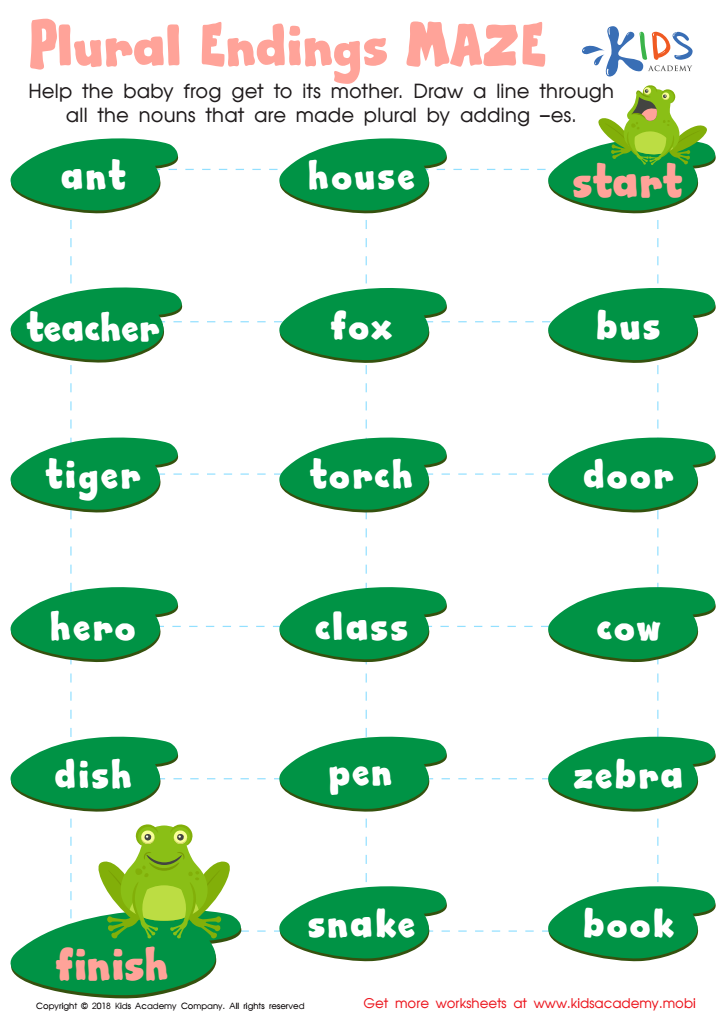
Plural Endings Maze Worksheet
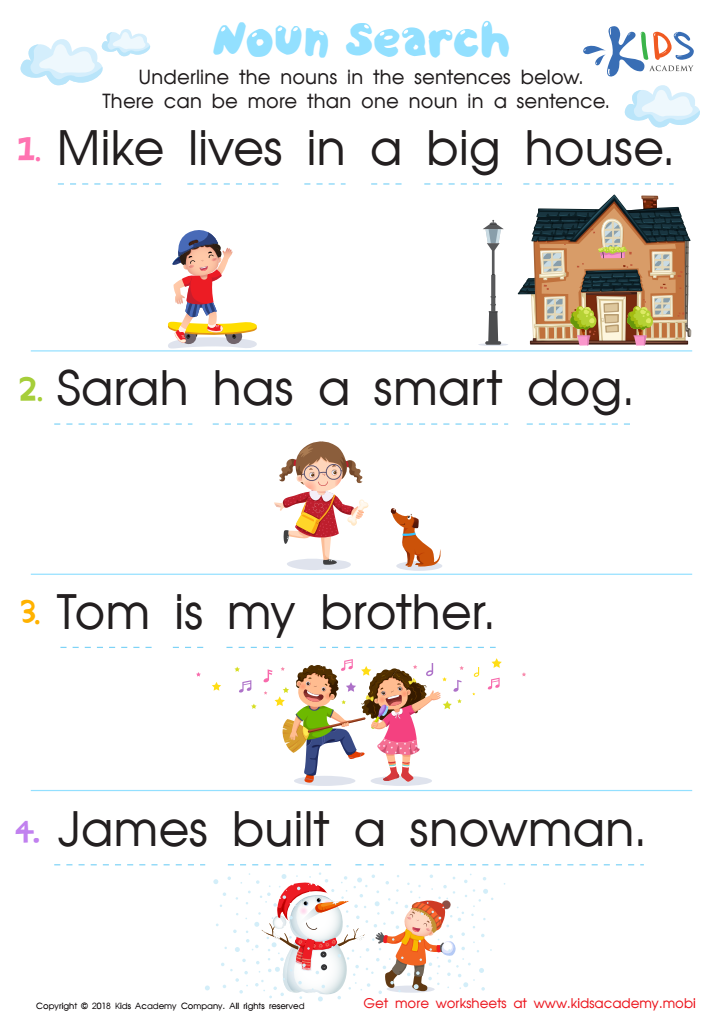
Noun Search Worksheet
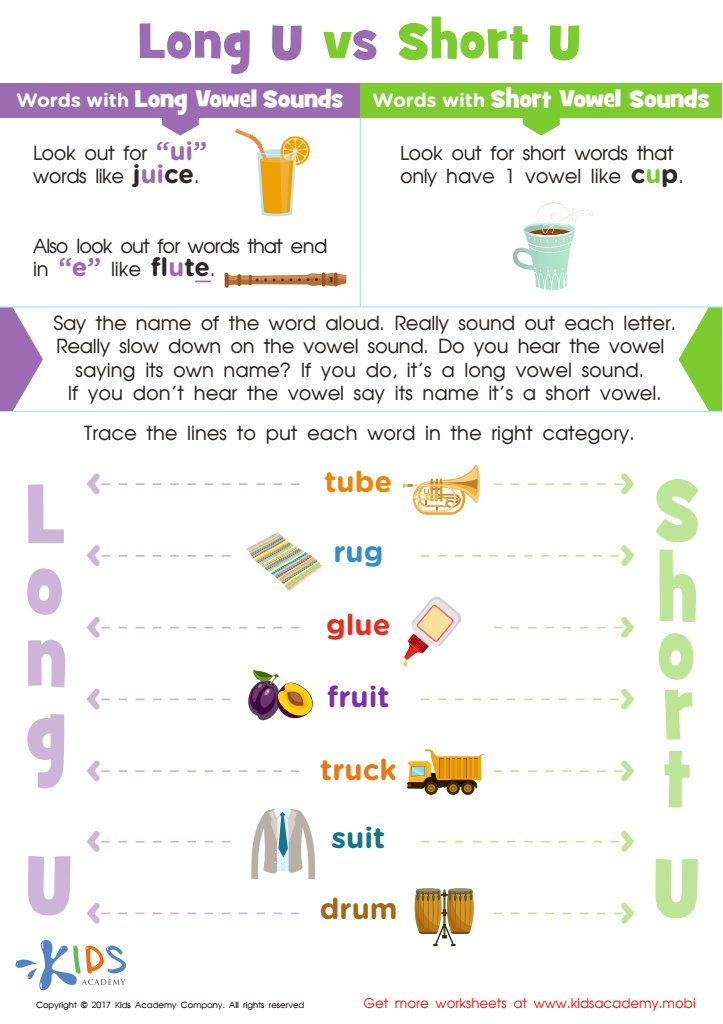
Long and Short Vowel U Spelling Worksheet
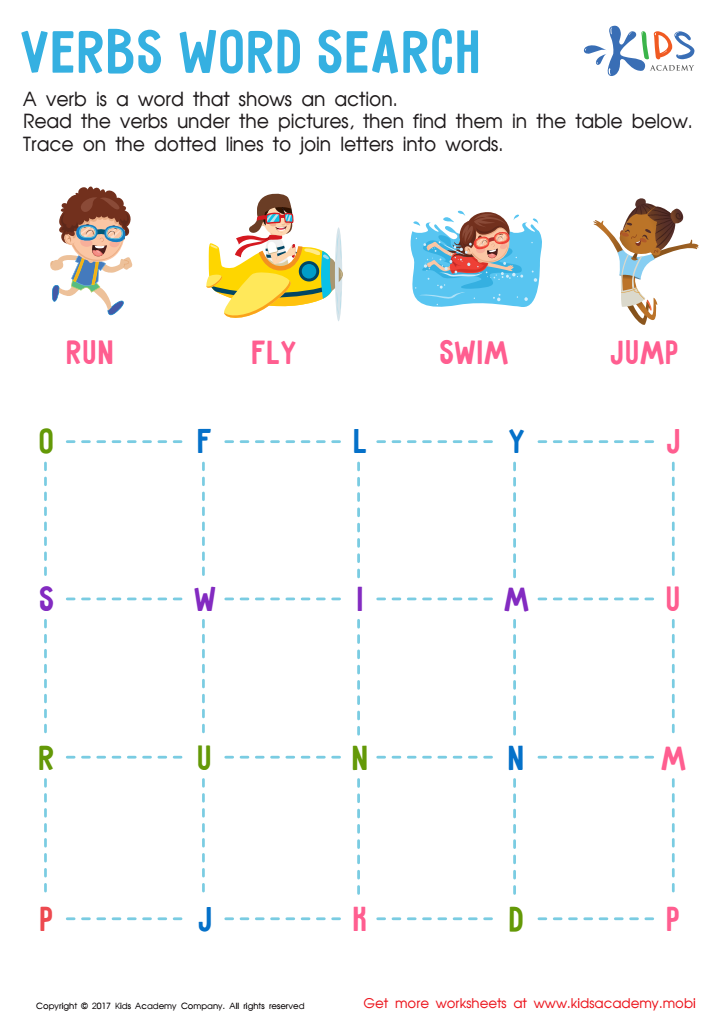
Verbs Word Search Worksheet
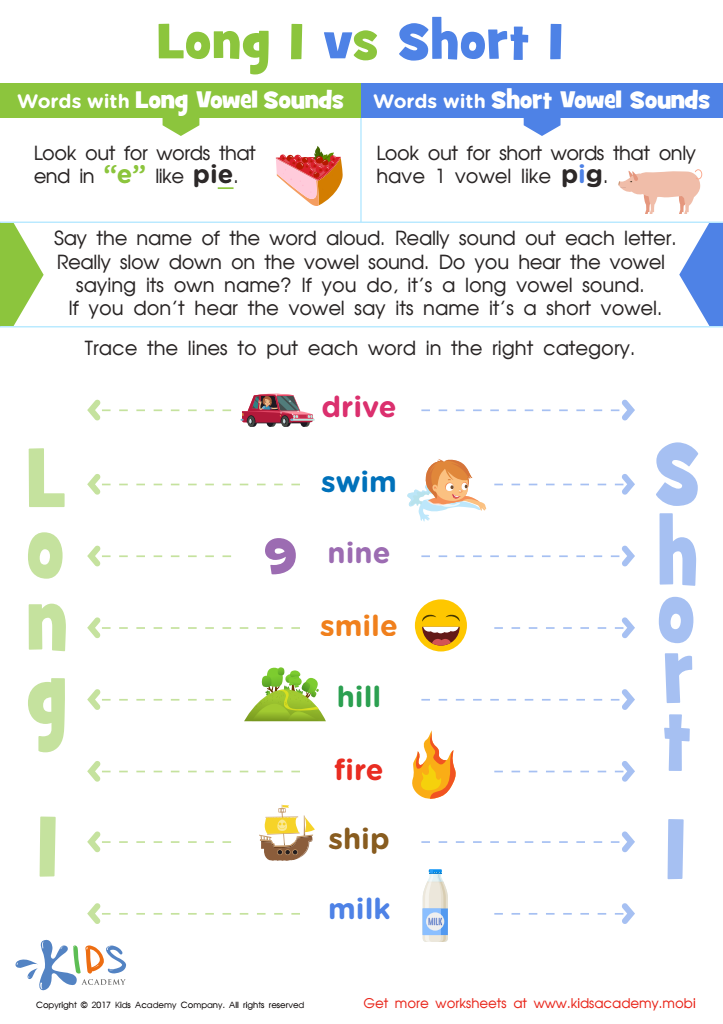
Long and Short Vowel I Spelling Worksheet
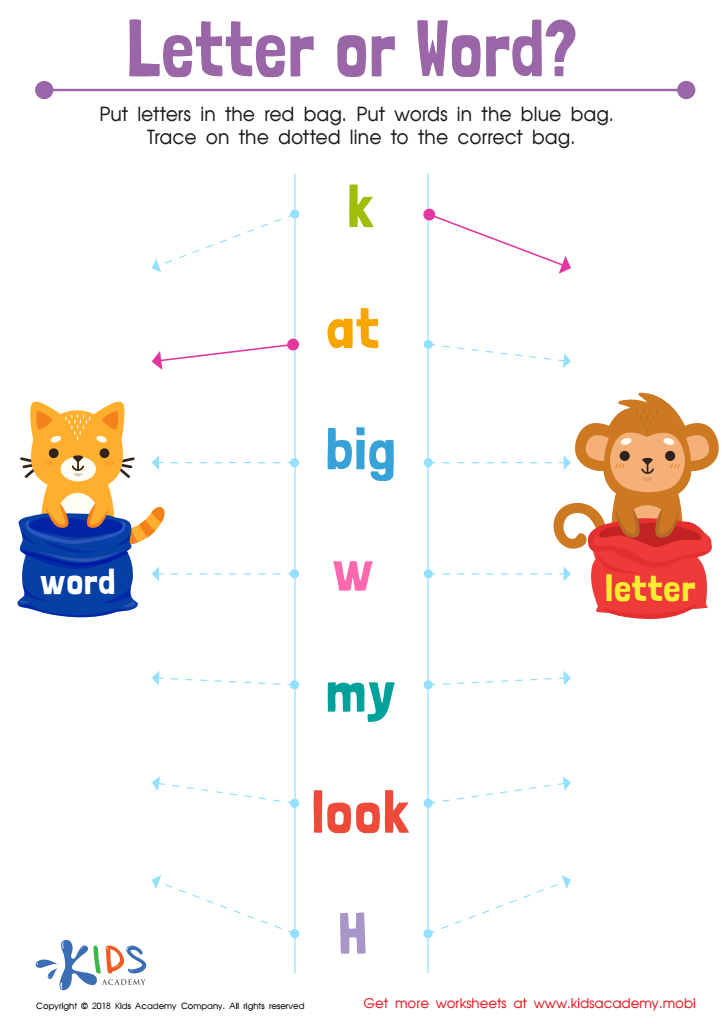
Letter or Word? Worksheet








Parents and teachers should care about spelling practice and extra challenge writing for children aged 4-9 because these activities build essential literacy skills during a critical period of development. At this age, children are beginning to grasp the fundamentals of language, including phonics, vocabulary, and sentence structure. Spelling practice aids in reinforcing these foundational skills, ensuring children can accurately decode words and understand their meanings.
Incorporating extra challenge writing tasks stimulates cognitive growth and encourages creativity, helping children overcome the basic level of word recognition to explore more complex language uses. These challenges can strengthen a child's ability to express thoughts coherently, enhance fine motor skills, and promote a sense of achievement and confidence in their writing capabilities.
Additionally, early and consistent engagement with these practices can have lasting impacts on academic success. Competent spellers are often more proficient readers, which supports strong comprehension skills across all subjects. Parents and teachers can play a crucial role in creating a supportive environment that fosters a love for learning. By emphasizing spelling practice and challenging writing activities, they can help children develop a solid linguistic foundation, preparing them for more complex literacy tasks in higher grades and everyday life. These foundational skills set the stage for effective communication and lifelong learning.