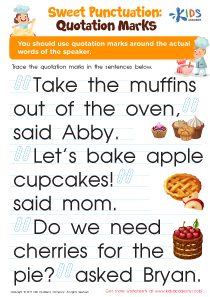
Vocabulary development Extra Challenge Writing Worksheets for Ages 4-9
3 filtered results
-
From - To
Boost your child's vocabulary skills with our Extra Challenge Writing Worksheets, designed for ages 4-9! These engaging worksheets offer fun and interactive activities that encourage young learners to explore new words and enhance their language abilities. With a variety of exercises, including fill-in-the-blanks, word puzzles, and creative writing prompts, kids will develop confidence in their vocabulary usage. Perfect for supplementing classroom learning or enjoying at home, these resources make vocabulary development both enjoyable and effective. Foster a love for language while helping your child expand their understanding and use of words through our thoughtfully curated writing challenges!
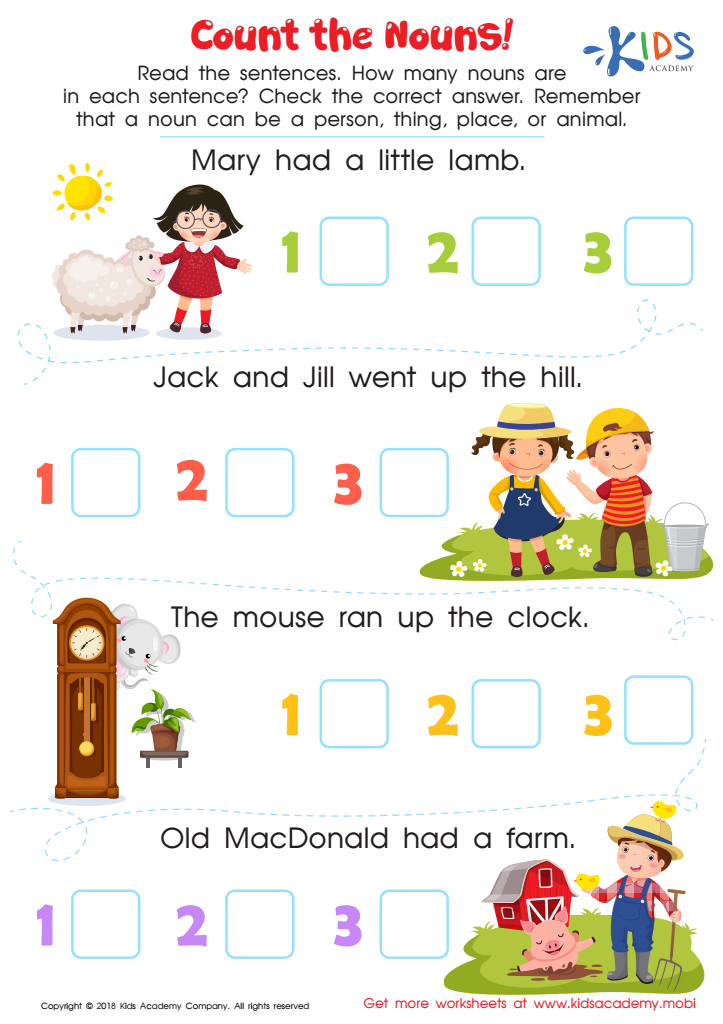
Count the Nouns Worksheet
 Assign to My Students
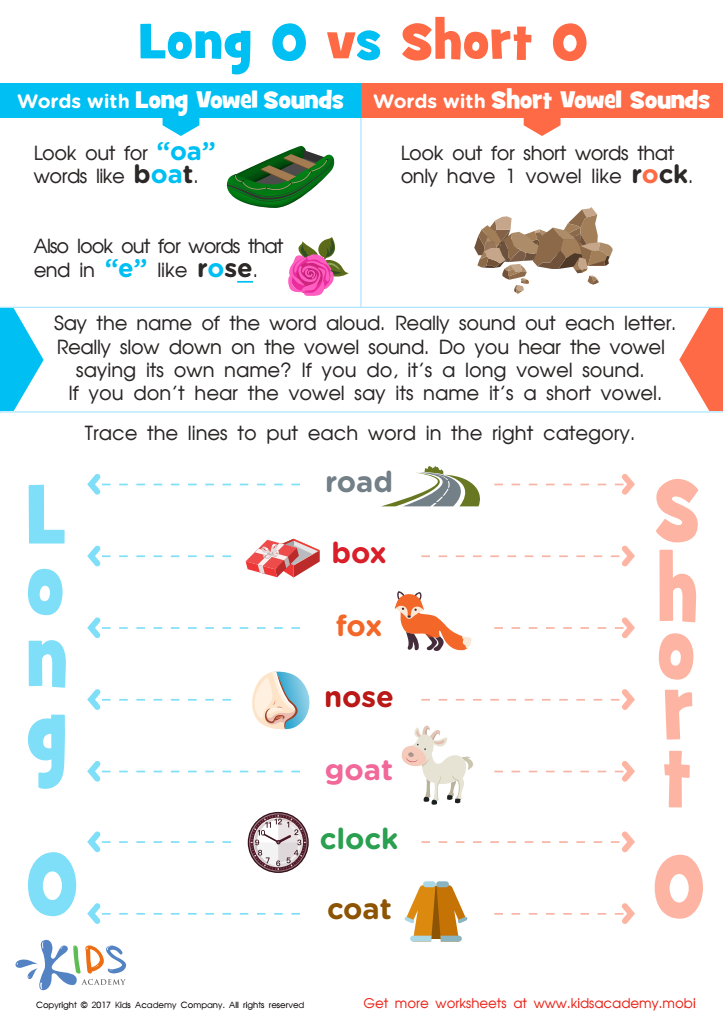
Long and Short Vowel O Spelling Worksheet
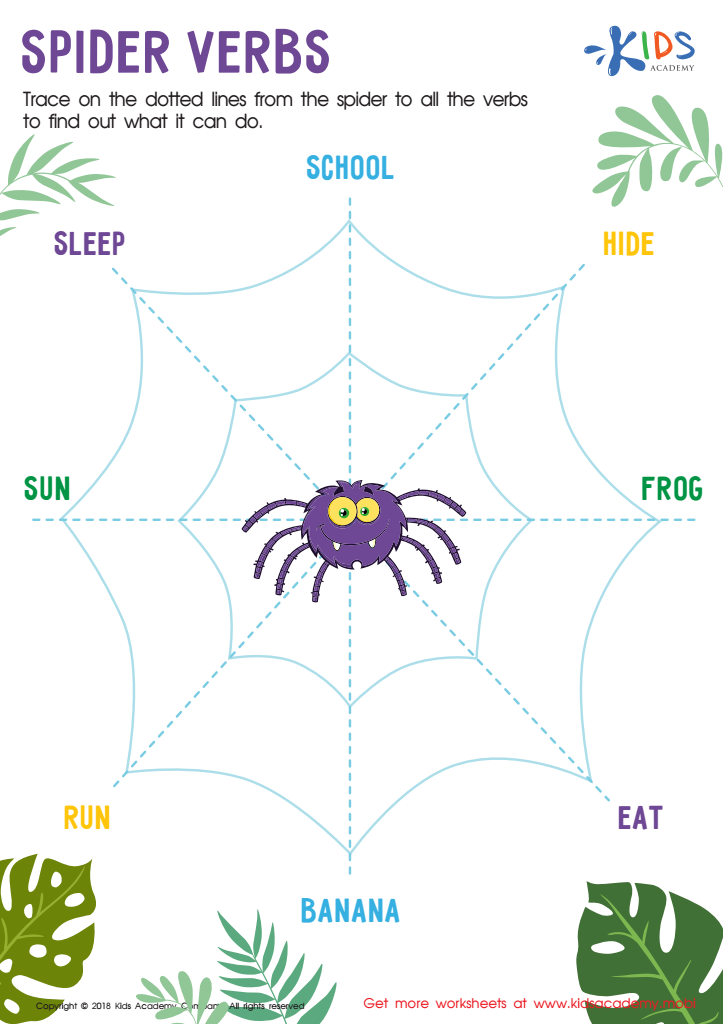
Spider Verbs Worksheet








Vocabulary development is crucial for children aged 4-9 as it lays the foundation for effective communication, reading comprehension, and overall academic achievement. Parents and teachers should care about this aspect of language development because a rich vocabulary equips children with the tools they need to express their thoughts, emotions, and ideas. A strong vocabulary also enhances their ability to grasp complex concepts, critical for their learning journey.
During this stage, children's brains are highly receptive, making it an optimal time to introduce new words through engaging activities like storytelling, rhymes, and interactive games. Expanding vocabulary directly correlates with improved literacy skills; children with a wide range of words tend to perform better in reading and writing tasks.
Moreover, vocabulary development fosters confidence in social situations. Children who can articulate well are more likely to engage with peers, participate in classroom discussions, and build meaningful relationships. This, in turn, contributes to their emotional and social growth.
Investing time and effort in vocabulary development not only enriches children's language skills but also prepares them for future academic challenges, ensuring they thrive both inside and outside the classroom. Thus, a collaborative effort between parents and teachers is essential for nurturing this crucial skill.