Handwriting practice Extra Challenge Tracing Letters Worksheets for 4-Year-Olds
5 filtered results
-
From - To
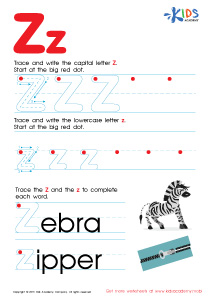
Enhance your 4-year-old's handwriting skills with our Handwriting Practice Extra Challenge Tracing Letters Worksheets. Specially designed for preschoolers, these engaging worksheets go beyond basic letter tracing to reinforce fine motor skills, letter recognition, and writing confidence. Each page provides a fun and educational journey, guiding your child through uppercase and lowercase letter formation. Perfect for both home and classroom settings, these worksheets make learning to write enjoyable and effective. Download our expertly crafted sheets today and watch your little learner's handwriting flourish with every stroke!
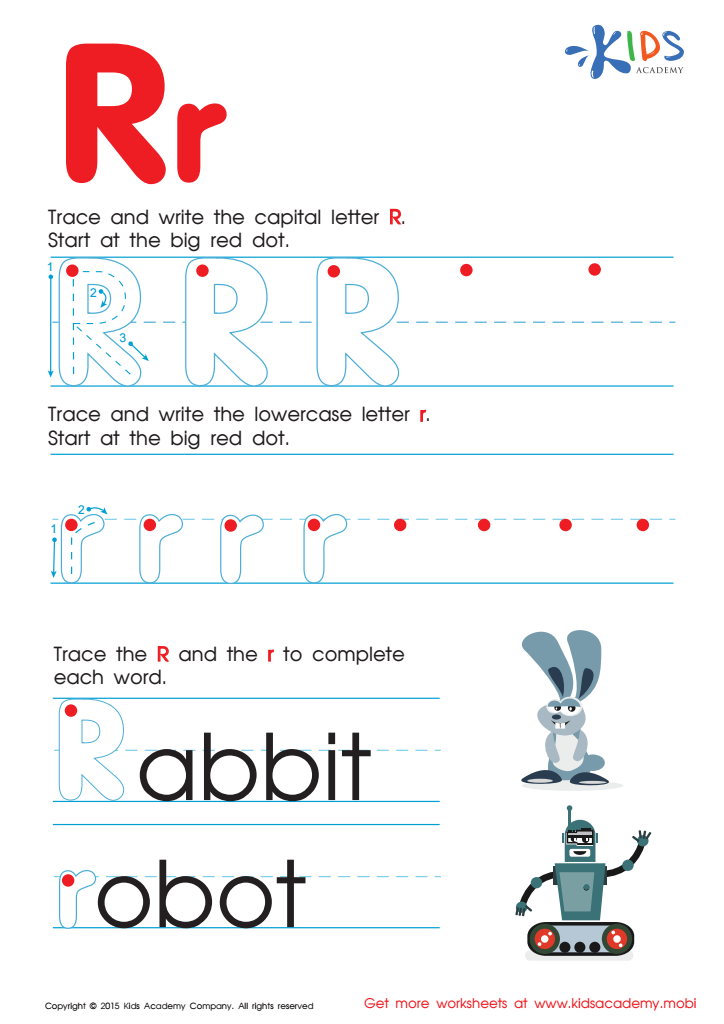
Letter R Tracing Page
 Assign to My Students
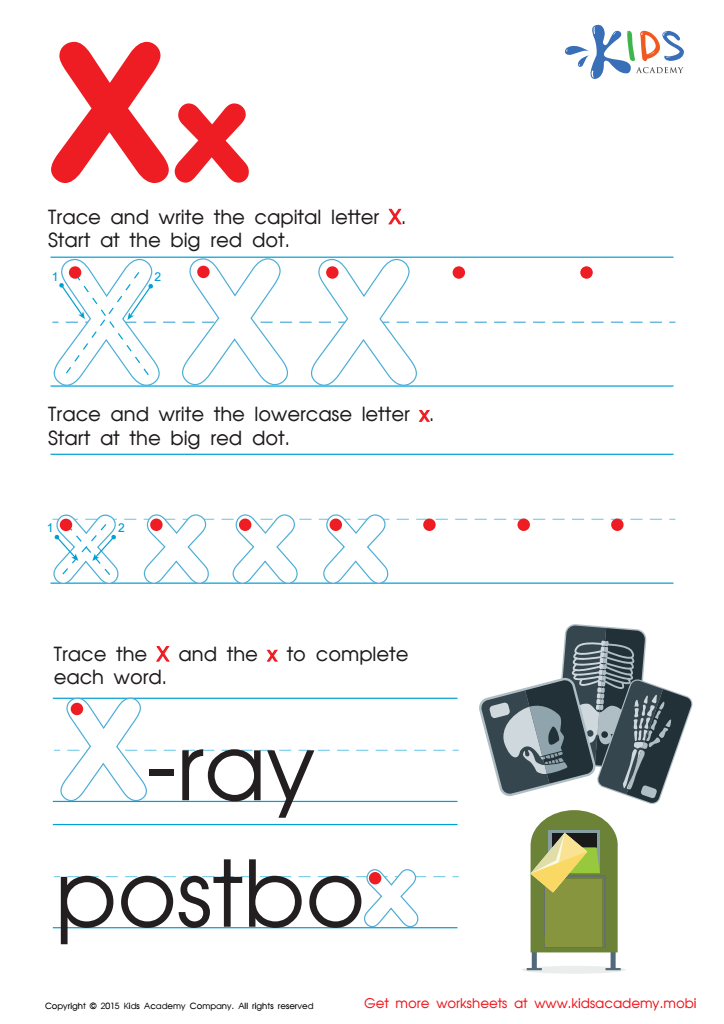
Letter X Tracing Page
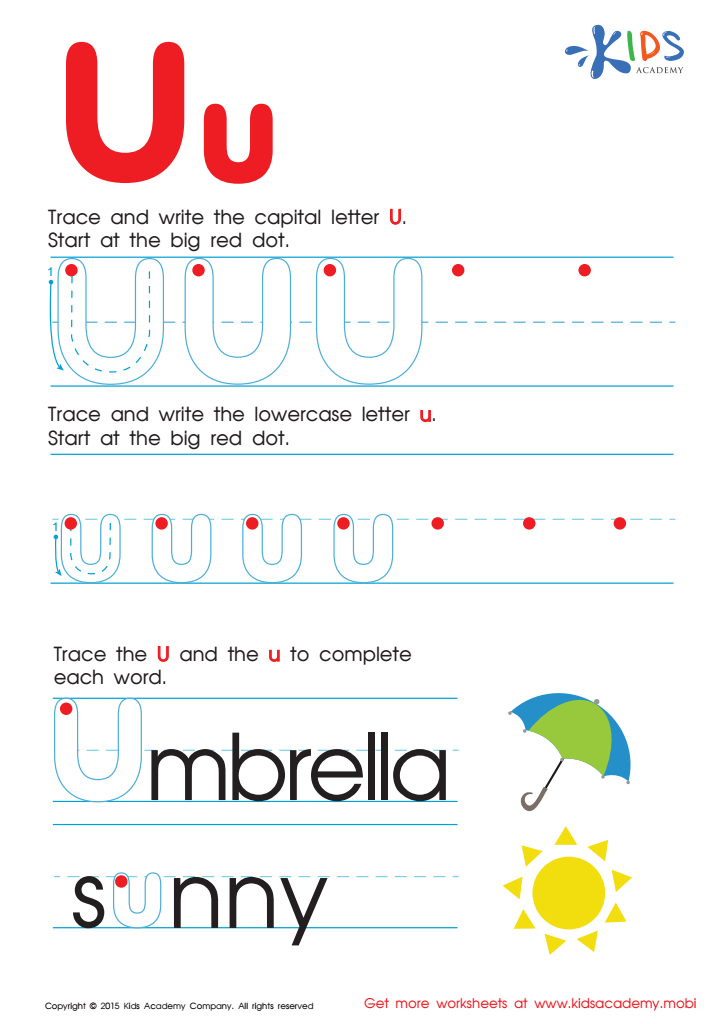
Letter U Tracing Page
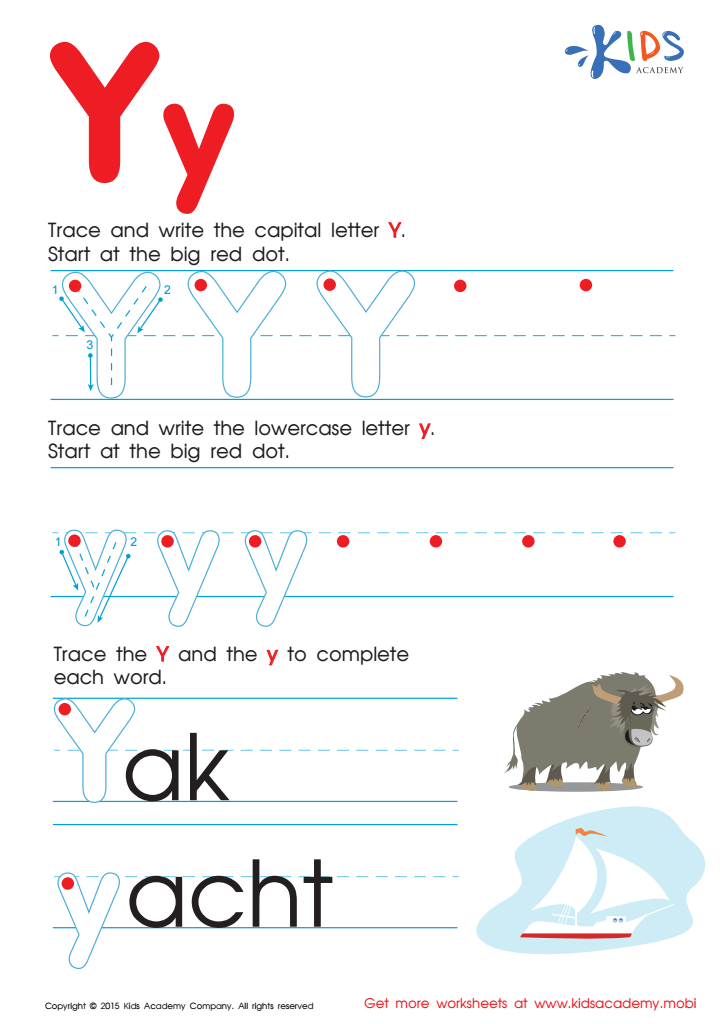
Letter Y Tracing Page
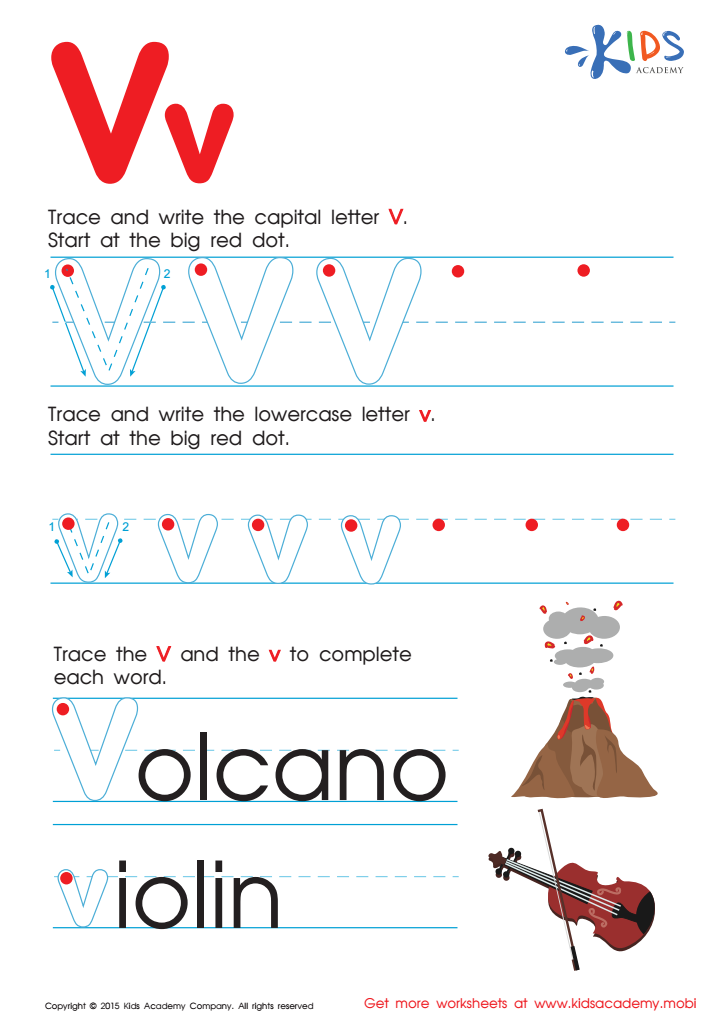
Letter V Tracing Page








Ensuring that 4-year-olds engage in handwriting practice, particularly through activities like Extra Challenge Tracing Letters, is crucial for their early development. For young children, these exercises are foundational in fostering fine motor skills, which are essential for their overall coordination and dexterity. Tracing letters helps them develop the muscles in their hands and fingers that are necessary for writing, drawing, and manipulating small objects — skills they will use throughout their lives.
Moreover, handwriting practice contributes to cognitive development. As children trace letters, they not only learn the shapes and sounds associated with each letter but also improve their concentration, memory, and attention to detail. This lays a groundwork for literacy, as recognizing and forming letters are the first steps toward reading and writing independently. It also reinforces the relationship between spoken and written language, supporting clear communication skills.
Additionally, these activities can boost a child's confidence and persistence. By completing tracing exercises, youngsters experience a sense of accomplishment that motivates them to tackle more complex tasks. For teachers and parents, encouraging handwriting practice at this age means investing in a child's ability to succeed academically and socially, laying a robust foundation for their future education and everyday interactions.