Vowel Recognition Extra Challenge Worksheets for 4-Year-Olds
7 filtered results
-
From - To
Introducing our "Vowel Recognition Extra Challenge Worksheets" specially designed for 4-year-olds! These engaging and interactive worksheets are perfect for young learners ready to enhance their understanding of vowels. Each activity promotes essential literacy skills through fun exercises that capture children's attention and foster independent learning. Kids will enjoy identifying vowels in words, completing fun phonics exercises, and solving creative puzzles. These worksheets are tailored to support early education development and ignite a passion for reading. Perfect for preschool classrooms or home learning, our vowel recognition challenges will make practicing vowels an exciting adventure for your little learners!
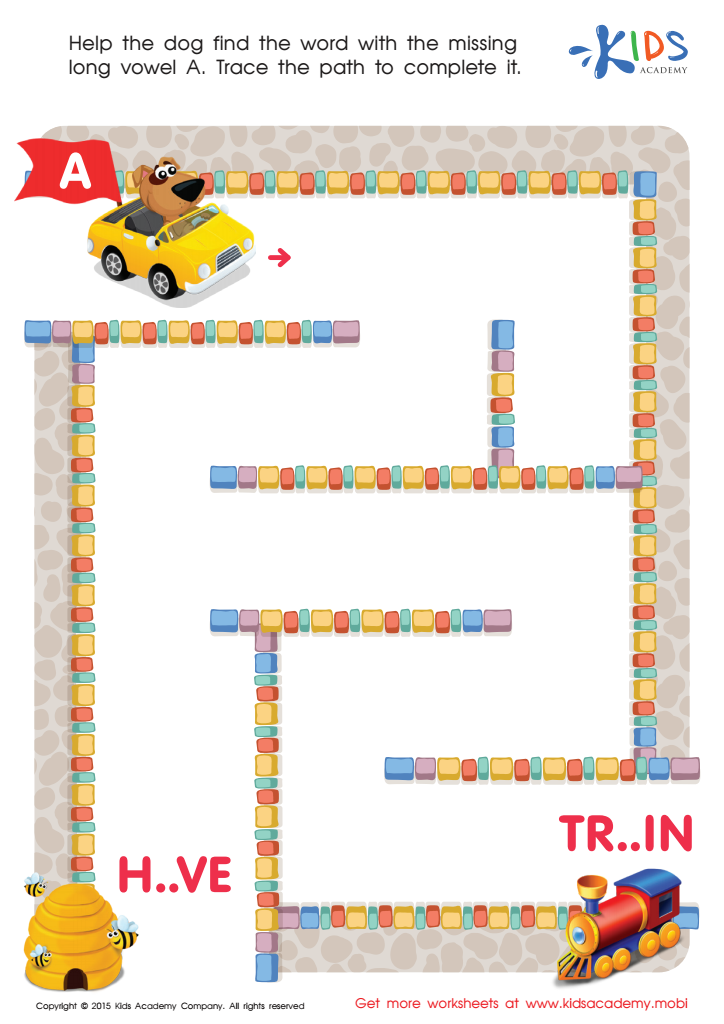
Long Vowel Sound A Worksheet
 Assign to My Students
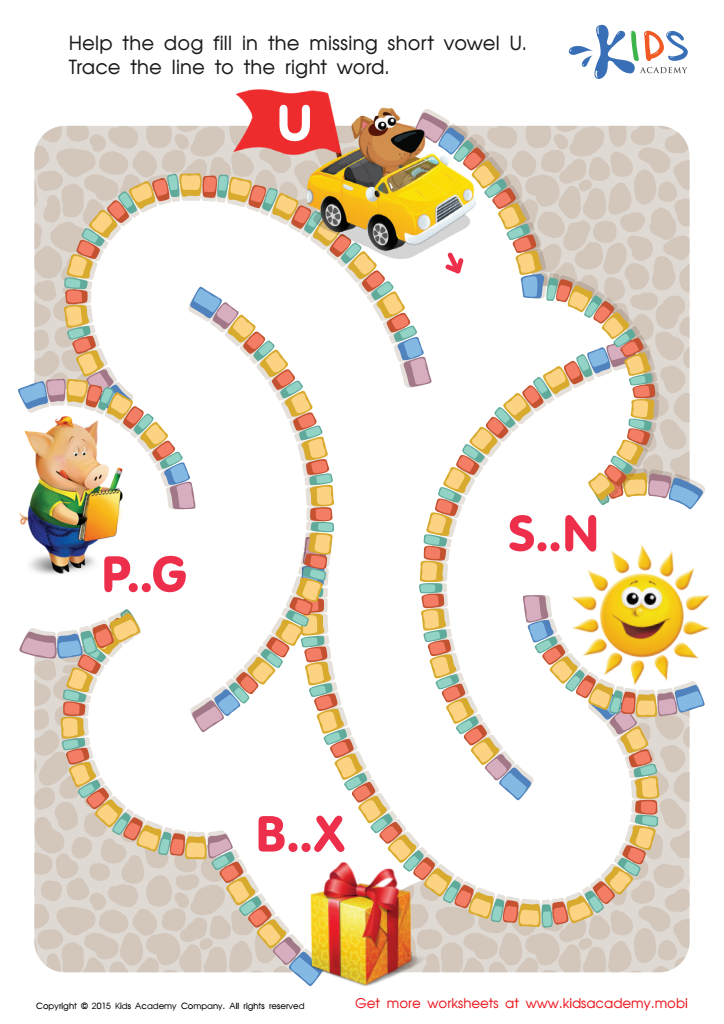
Short Vowel Sound U Worksheet
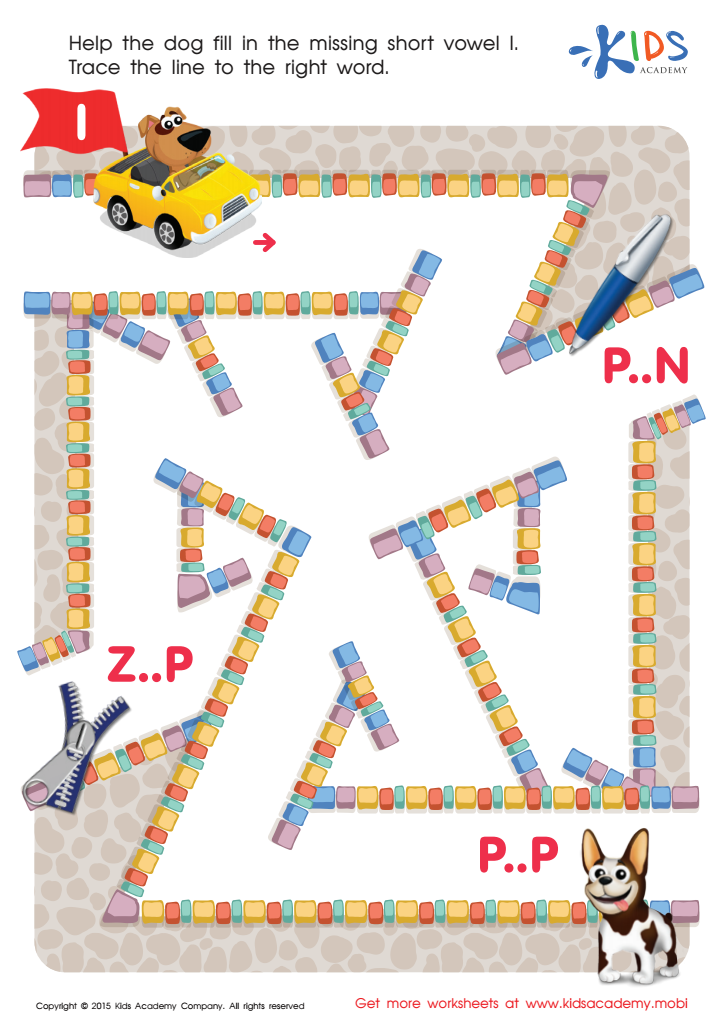
Short Vowel Sound I Worksheet
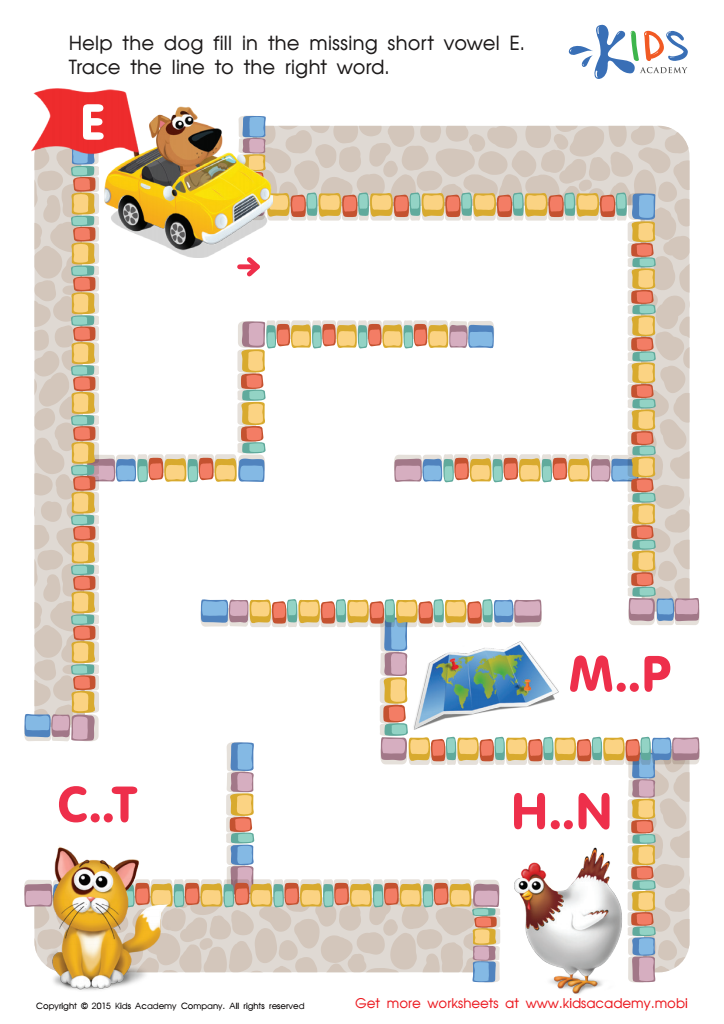
Short Vowel Sound E Worksheet
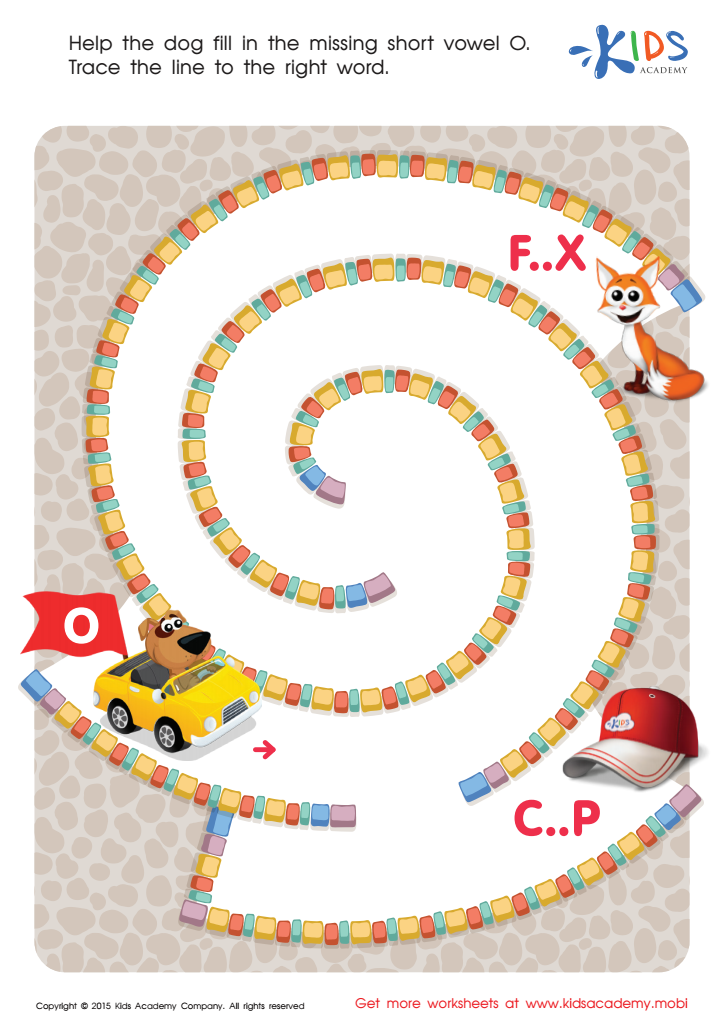
Short Vowel Sound O Worksheet
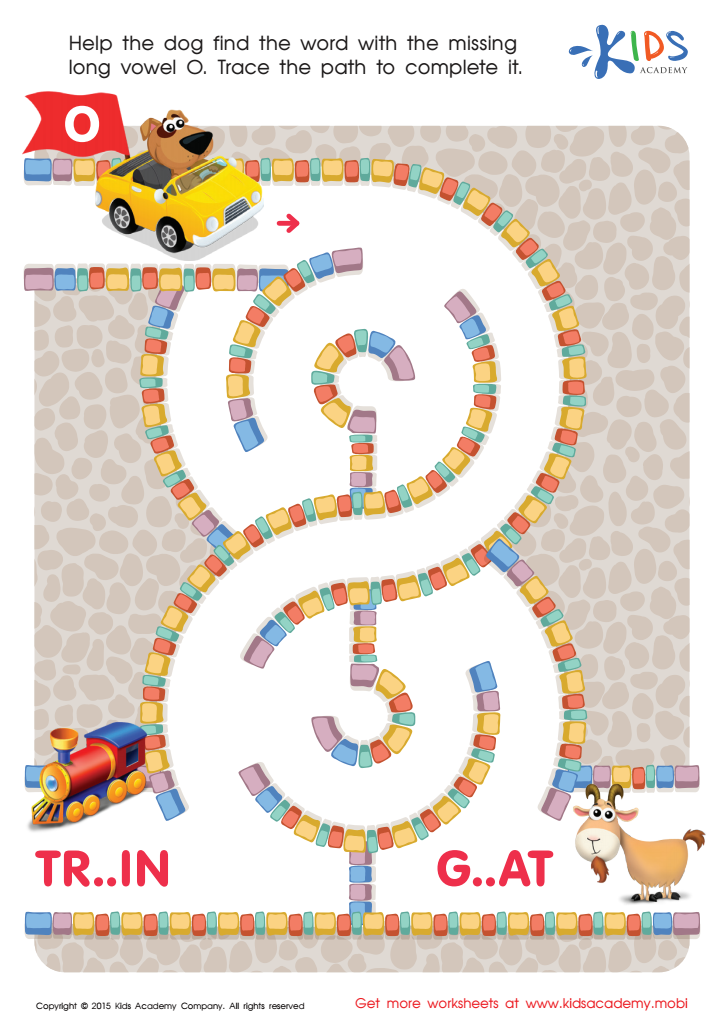
Long Vowel Sound O Worksheet
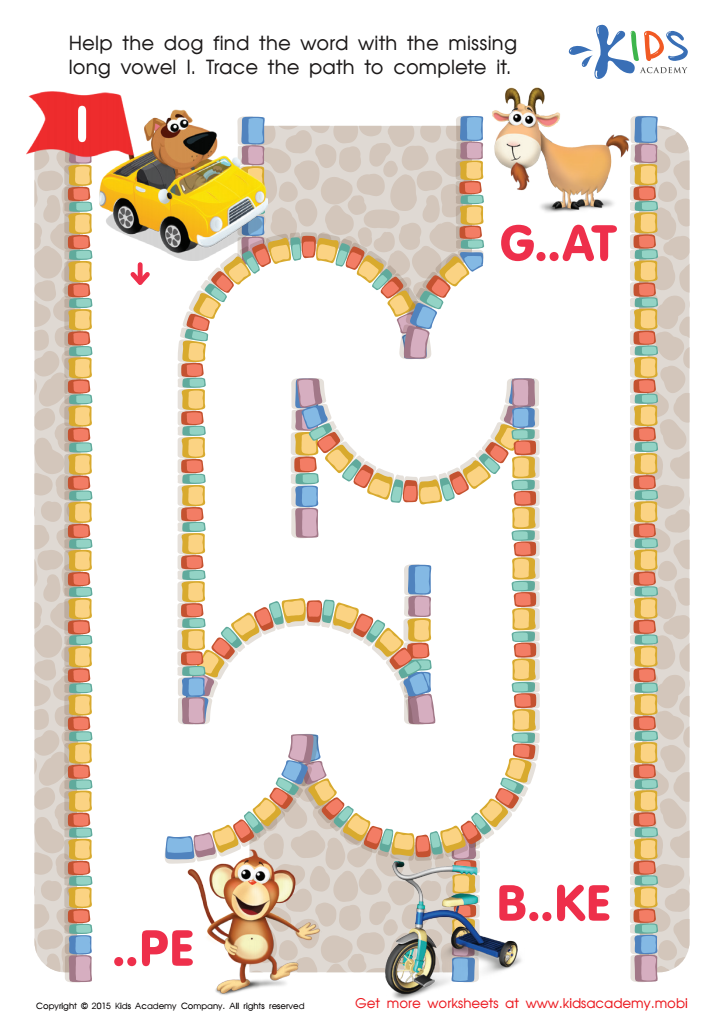
Long Vowel Sound I Worksheet





.jpg)
Vowel recognition is a critical foundation for language development, particularly for young children—especially 4-year-olds. At this age, children are beginning to understand the basics of phonics, which play a vital role in their future reading and writing skills. The "Vowel Recognition Extra Challenge" helps sharpen their ability to identify and articulate vowels, a skill that enhances comprehension and verbal communication.
Parents and teachers should care about this challenge because it promotes cognitive development through playful learning. Engaging activities that involve recognizing and manipulating vowel sounds can make learning enjoyable and effective, fostering a lifelong love for literacy. When children become proficient in vowel recognition, they can more easily decode new words, contributing to greater reading fluency and confidence. Additionally, it sets the stage for more complex language skills as they progress in their education.
By prioritizing vowel recognition, caregivers help children strengthen their phonemic awareness, a crucial predictor of later academic success. This early investment in their literacy skills encourages students to become enthusiastic, capable readers, ultimately influencing their overall educational journey and cognitive growth. Paying attention to such challenges ensures that children are well-equipped for their future learning experiences.








