Writing practice Extra Challenge Worksheets for 4-Year-Olds
4 filtered results
-
From - To
Boost your child’s early writing skills with our engaging Extra Challenge Worksheets for 4-Year-Olds! Tailored for young learners, these worksheets combine fun and education to develop fine motor skills and letter recognition. Each worksheet features creative exercises that make practicing letters an enjoyable adventure. Ideal for preparing preschoolers for kindergarten, our expertly designed activities include tracing, drawing, and coloring tasks. Interactive and stimulating, these worksheets keep kids motivated with colorful visuals and playful themes. Give your 4-year-old a head start in writing and watch their confidence soar. Perfect for parents and teachers seeking top-quality educational resources.
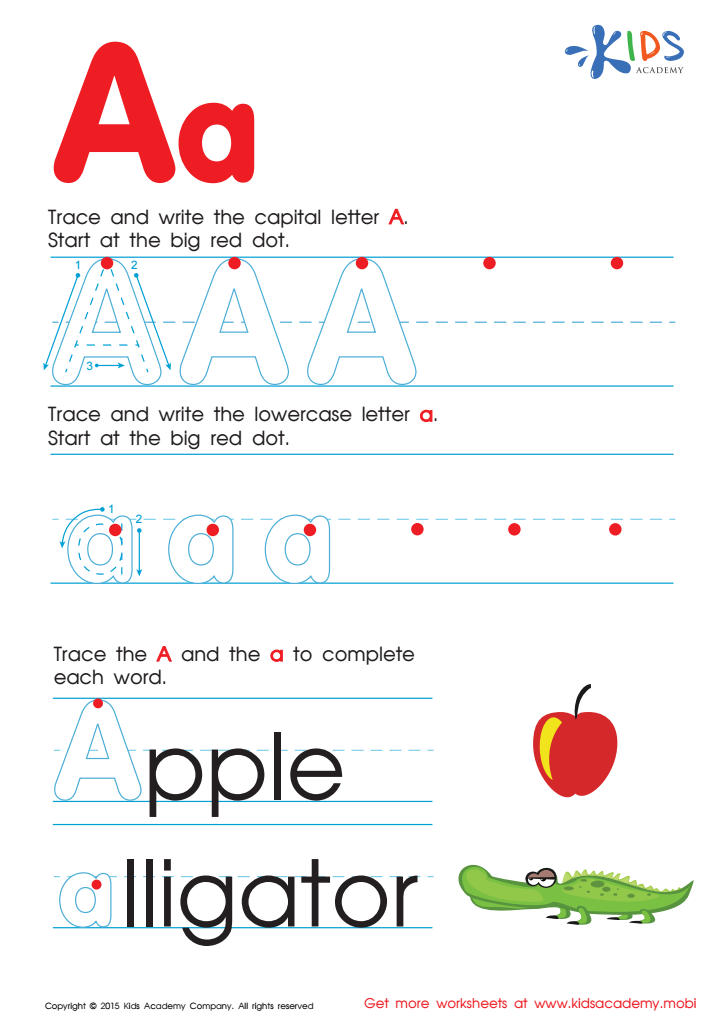
Letter A Tracing Page
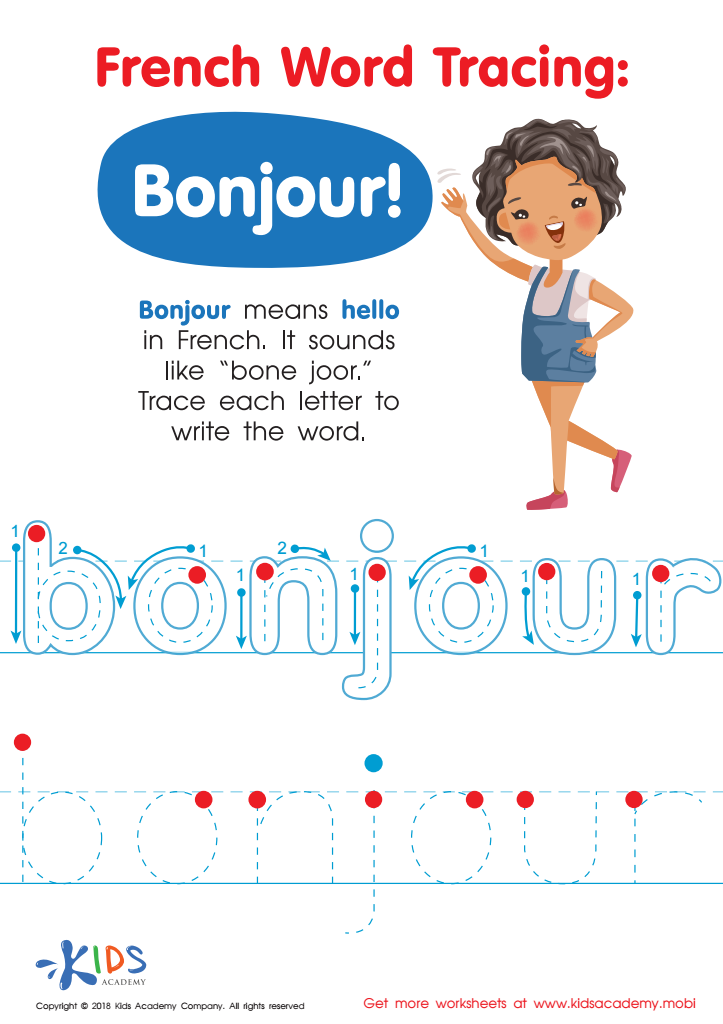
French Word Tracing: Bonjour Worksheet
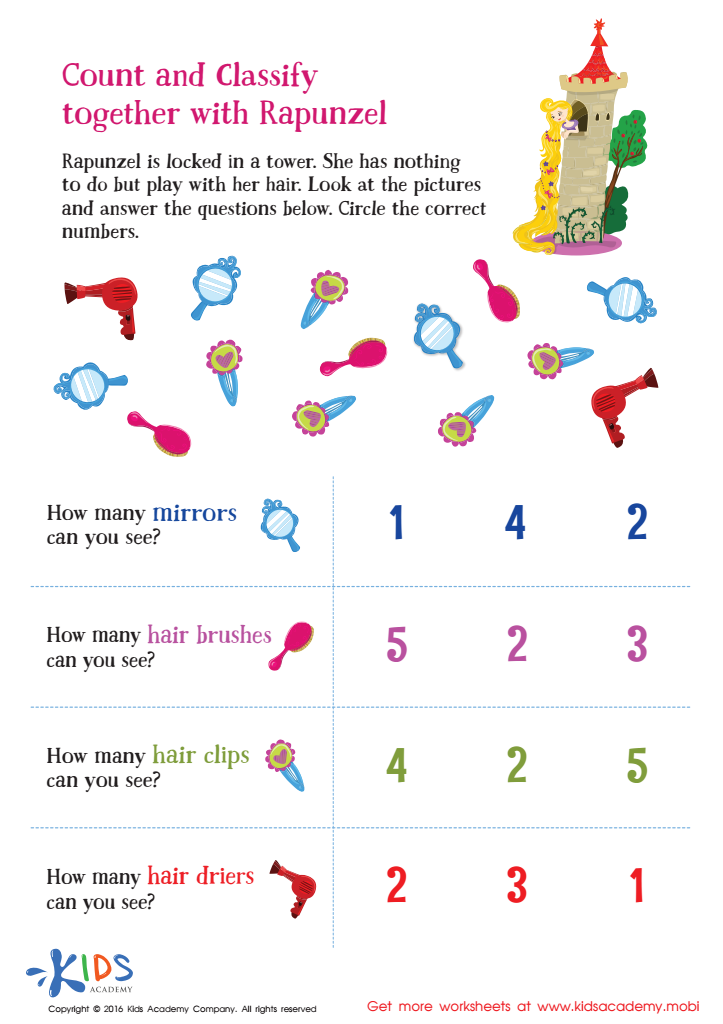
Fairy Tale Worksheet: Count and Classify with Rapunzel
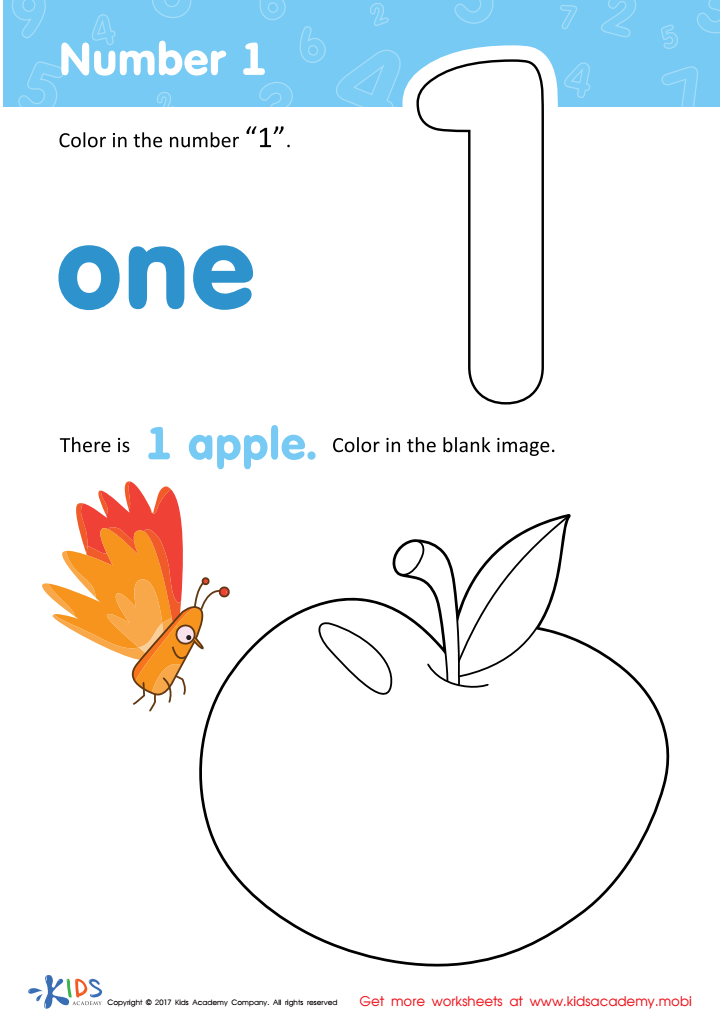
Number 1 Printable
 Assign to My Students








Engaging 4-year-olds in writing practice with extra challenges is crucial for their early development. At this formative age, children's brains are highly receptive to new experiences and learning, making it an optimal period for developing foundational skills. Writing practice helps young children enhance fine motor skills, hand-eye coordination, and muscle control, which are essential for tasks such as buttoning shirts and using utensils. Providing extra challenges helps to spark curiosity and promote problem-solving skills.
Equally important are the cognitive and linguistic benefits. Writing activities encourage children to process thoughts, improve their understanding of language structure, and expand their vocabulary, laying the groundwork for literacy. Extra challenges foster creativity, perseverance, and can instill a sense of achievement, which boosts their confidence and encourages a positive attitude toward learning.
From a social perspective, writing allows children to express their ideas and emotions, enhancing communication skills that are crucial for interactions with peers and educators. Encouraging these practices also sets the stage for future academic success, as the act of writing encompasses not just mechanical skills but also critical thinking and comprehension. Teachers and parents should thus prioritize writing practice with extra challenges to support a child's holistic growth, learning readiness, and emotional wellbeing.








