Cognitive Development Extra Challenge 2D Shapes Worksheets for 4-Year-Olds
3 filtered results
-
From - To
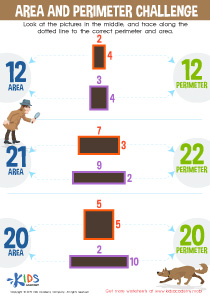
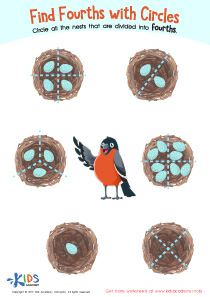
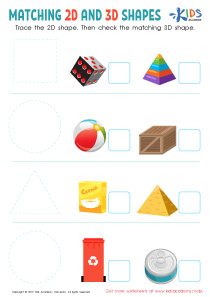
Discover our Cognitive Development Extra Challenge 2D Shapes Worksheets designed specifically for 4-year-olds! These engaging worksheets encourage little ones to enhance their cognitive skills while exploring the world of 2D shapes. Fun and interactive activities, including identify, match, and sort exercises, foster critical thinking and shape recognition. With vibrant graphics and age-appropriate challenges, children will sharpen their problem-solving abilities and improve their hand-eye coordination. Perfect for at-home learning or classroom activities, these worksheets ensure that your child develops essential cognitive skills in a playful manner. Download now and watch your child's confidence and understanding of shapes grow!
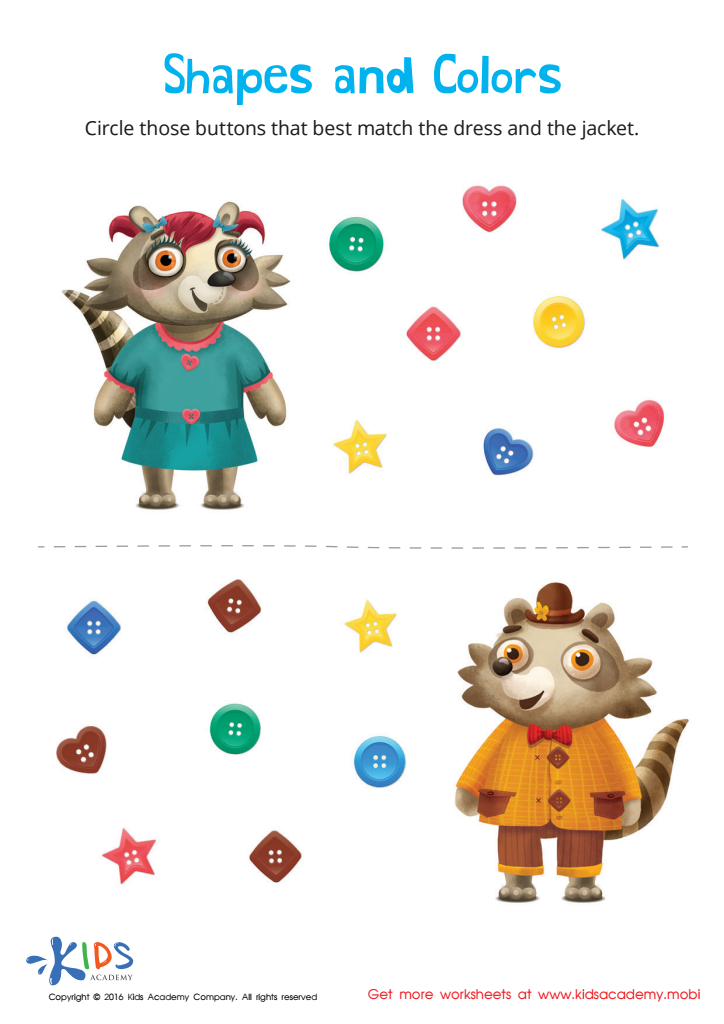
Matching: Shapes and Colors Worksheet
 Assign to My Students

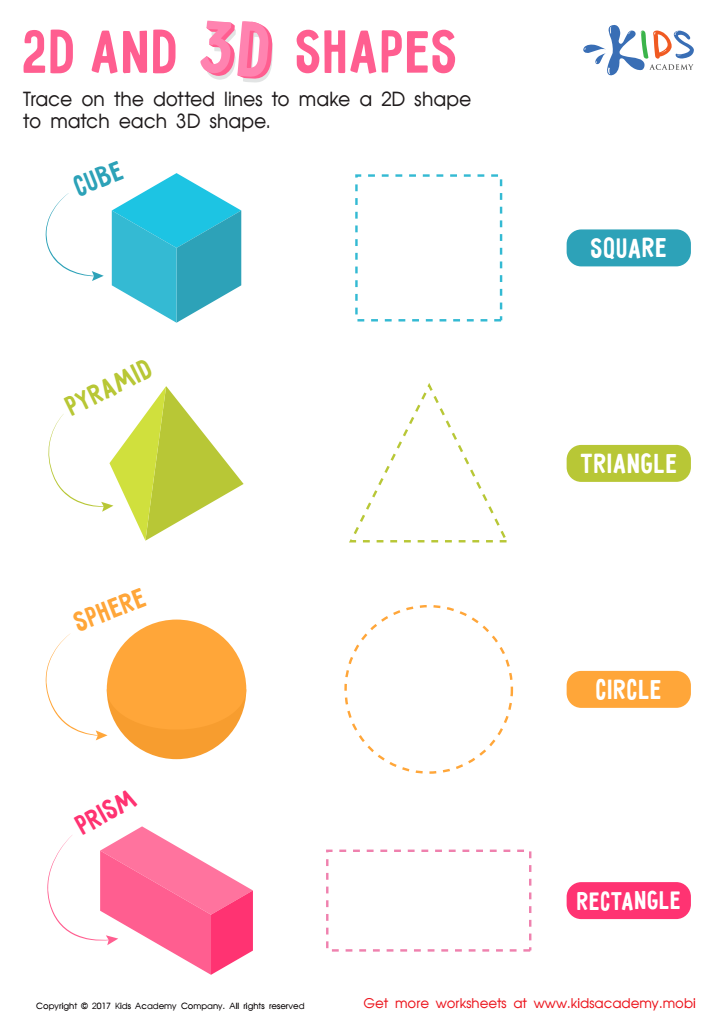
2D and 3D Shapes Worksheet
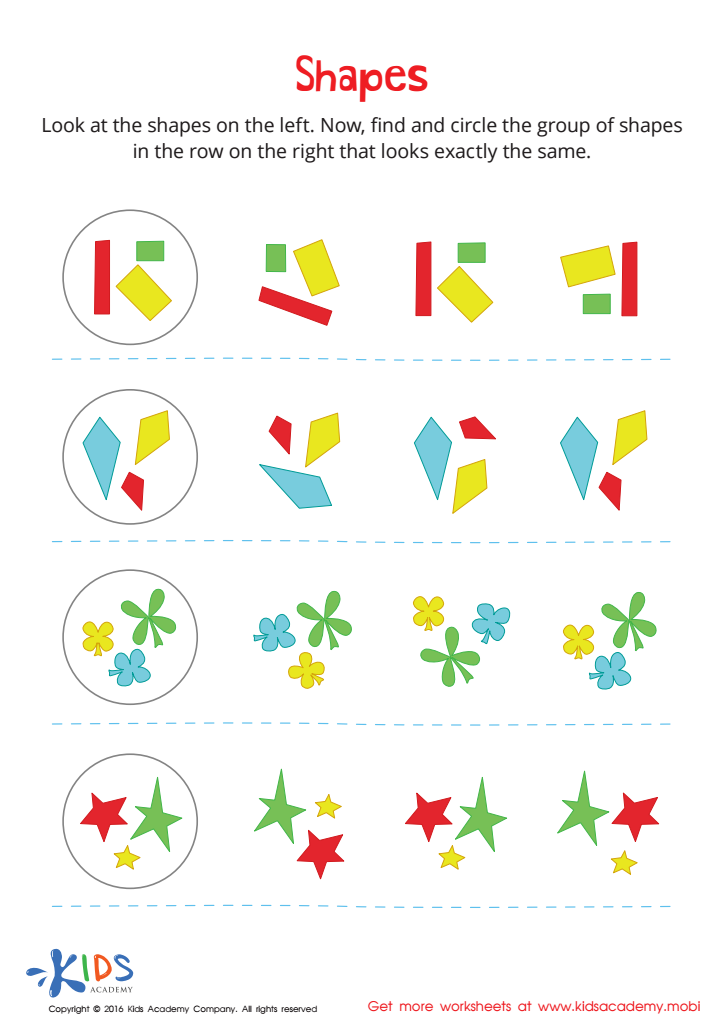
Shapes Worksheet








Caring about cognitive development activities like Extra Challenge 2D Shapes for 4-year-olds is crucial for parents and teachers as it lays the foundation for essential skills. Understanding shapes is one of the first steps in spatial awareness, a key component of cognitive growth that enhances problem-solving abilities. When children engage with 2D shapes, they not only learn to identify different forms but also begin to explore their characteristics, such as size, color, and even symmetry, fostering analytical thinking.
Moreover, activities focusing on shape identification promote fine motor skills through hands-on experiences, such as cutting, drawing, and assembling shapes. These activities enrich children's creative expression and boost their confidence as they grasp basic geometric concepts.
In addition, foundational skills gained from recognizing shapes are intertwined with early mathematics and literacy lessons. For example, understanding shapes provides a basis for learning about patterns and spatial relationships, crucial for advanced mathematical concepts later in education.
Overall, targeting cognitive development through engaging shape activities cultivates critical-thinking, creativity, and spatial reasoning, equipping children with vital life skills and preparing them for future academic success. Parents and teachers play an important role in guiding children through these explorations, turning early learning moments into building blocks for lifelong development.