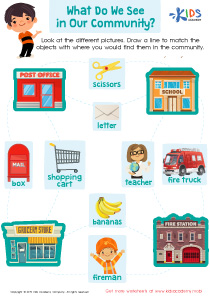
Comparing objects Extra Challenge Math Worksheets for 4-Year-Olds
3 filtered results
-
From - To
Discover our "Comparing Objects Extra Challenge Math Worksheets for 4-Year-Olds" designed to enhance your child's early math skills. These engaging worksheets provide fun activities that encourage children to compare sizes, shapes, and quantities, fostering critical thinking and problem-solving abilities. Perfect for learners ready for a challenge, they feature colorful visuals and interactive exercises to keep young minds engaged. Each worksheet promotes hand-eye coordination and reinforces foundational mathematical concepts, ensuring a well-rounded educational experience. Ideal for both classroom activities and at-home learning, our worksheets make math exciting and accessible for preschoolers. Download now and watch your child's confidence grow!
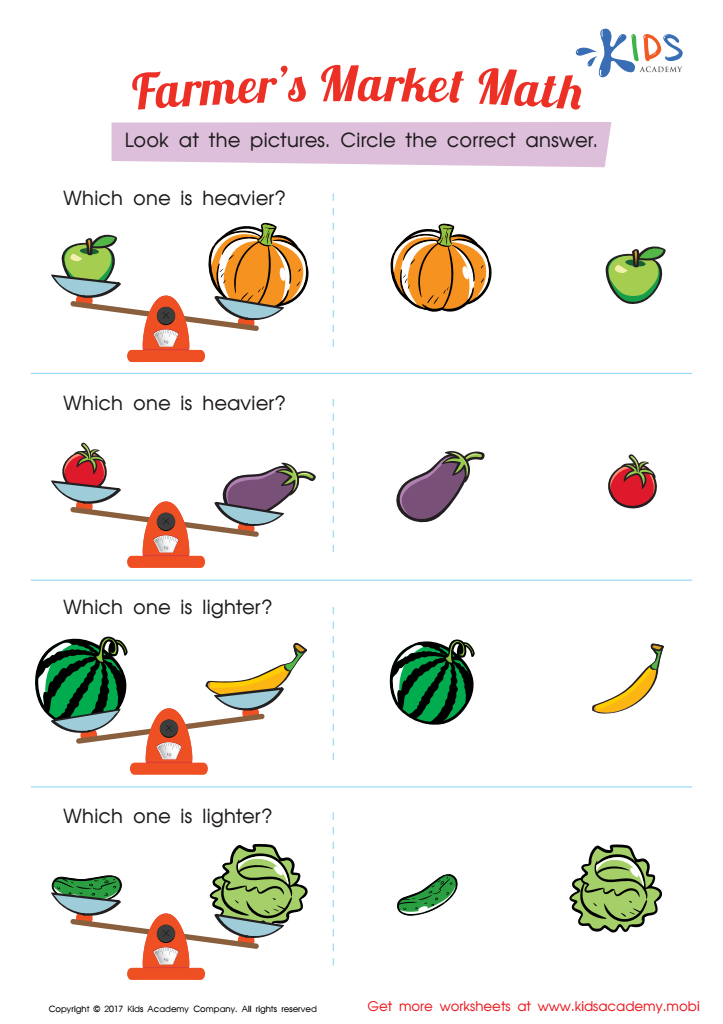
Which One Is Heavier Worksheet
 Assign to My Students
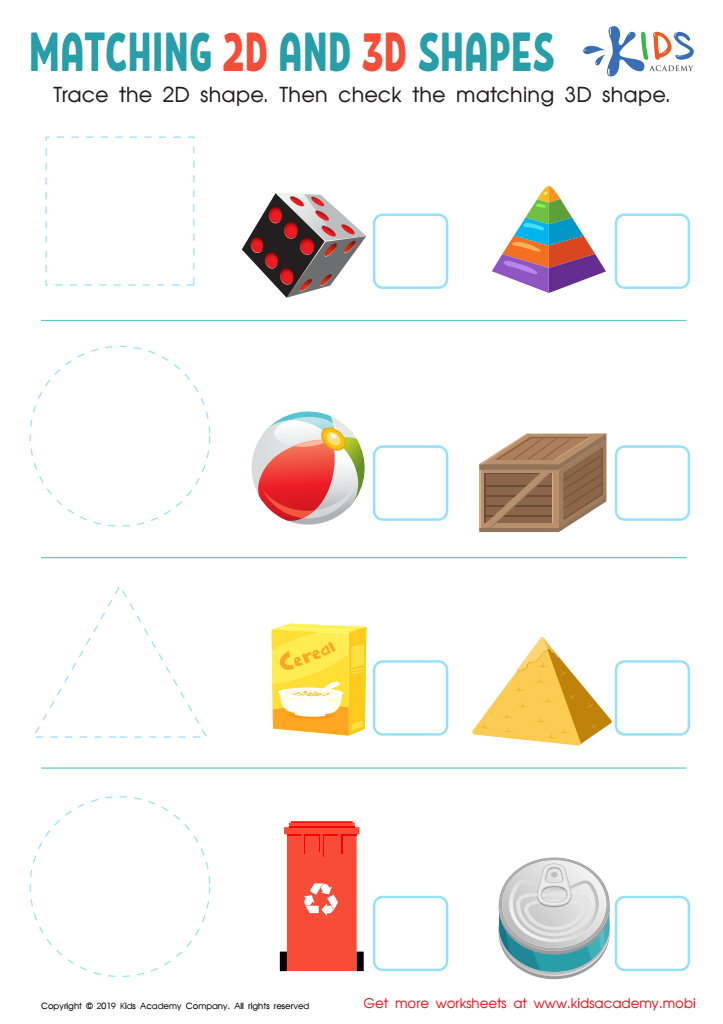
Matching 2D and 3D Shapes Worksheet
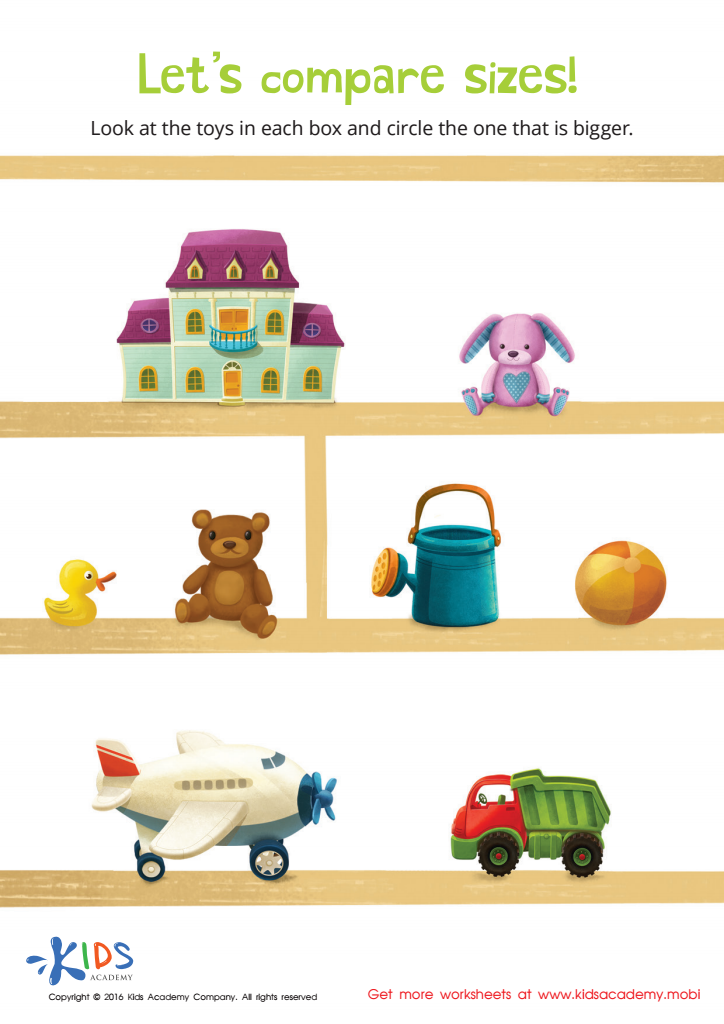
Classifying by Size Sorting Worksheet








Comparing objects is a crucial foundational skill in early mathematics that significantly impacts a child's cognitive development. For parents and teachers, engaging 4-year-olds in comparing objects helps to enhance critical thinking and problem-solving abilities. Through this activity, children learn to identify differences and similarities in size, shape, color, and quantity, which lays the groundwork for future mathematical concepts such as measurement and basic arithmetic.
Moreover, this skill fosters observational and reasoning abilities. As children gain confidence in comparing objects, they develop language skills by articulating their thoughts ("This one is bigger than that one"), experience collaborative learning through group activities, and boost their social skills while sharing their ideas.
Involving young learners in comparing objects sparks their curiosity, making math enjoyable and relatable. It promotes active participation and hands-on learning, allowing children to explore their environment and develop a strong understanding of the world around them. By prioritizing comparing objects, parents and teachers cultivate a positive attitude toward math, encouraging lifelong learning and a solid foundation for future academic success. Ultimately, nurturing these skills early on contributes to a child's overall development, setting them on a path for enhanced cognitive abilities as they grow.