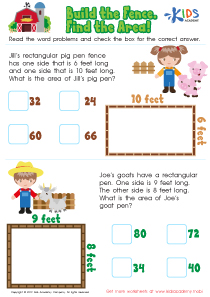
Pattern recognition Extra Challenge Matching Worksheets for 4-Year-Olds
3 filtered results
-
From - To
Boost your child's cognitive development with our Pattern Recognition Extra Challenge Matching Worksheets for 4-Year-Olds. Designed to foster critical thinking and problem-solving abilities, these engaging printable sheets feature various patterns that children must identify and match. Perfect for advanced preschoolers, our worksheets offer both fun and educational value, helping young learners enhance their attention to detail and logical reasoning skills. Ideal for at-home learning or as supplementary classroom material, these extra challenge worksheets will keep your little one excited and motivated while mastering foundational math concepts through playful pattern recognition exercises. Download and watch them thrive!
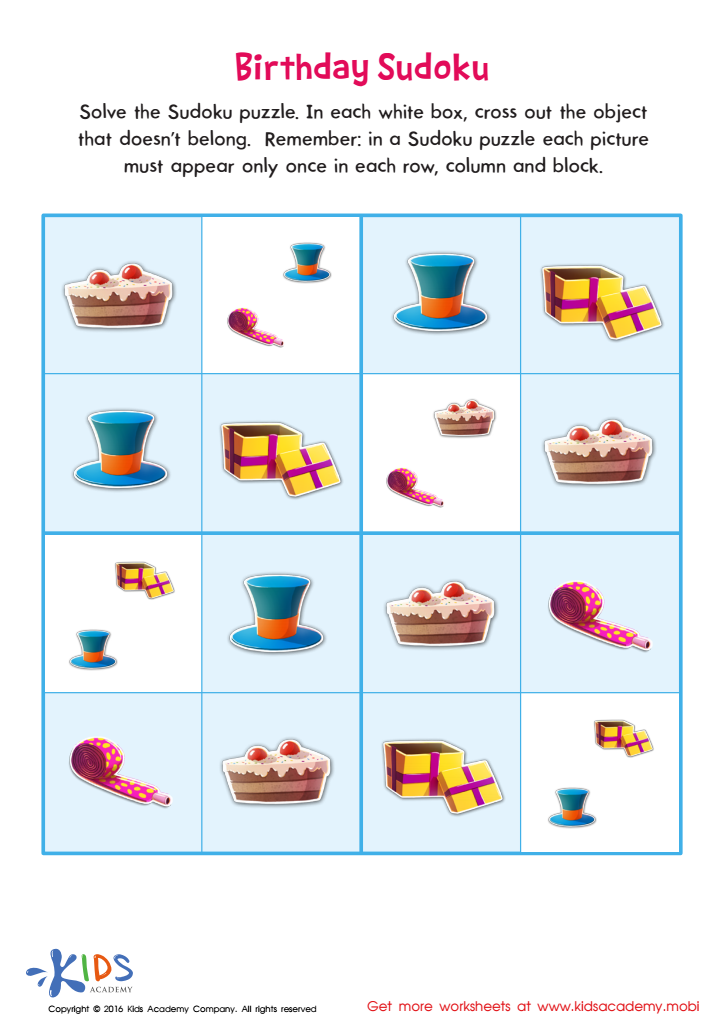
Birthday Sudoku Sorting Worksheet
 Assign to My Students
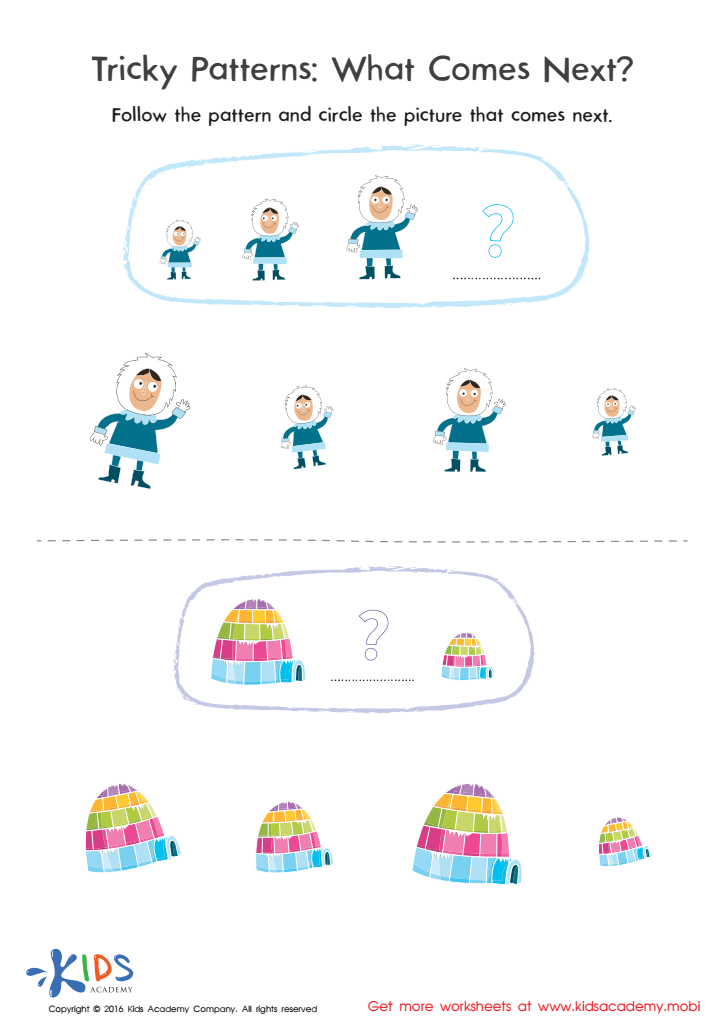
Tricky Patterns Size Worksheet
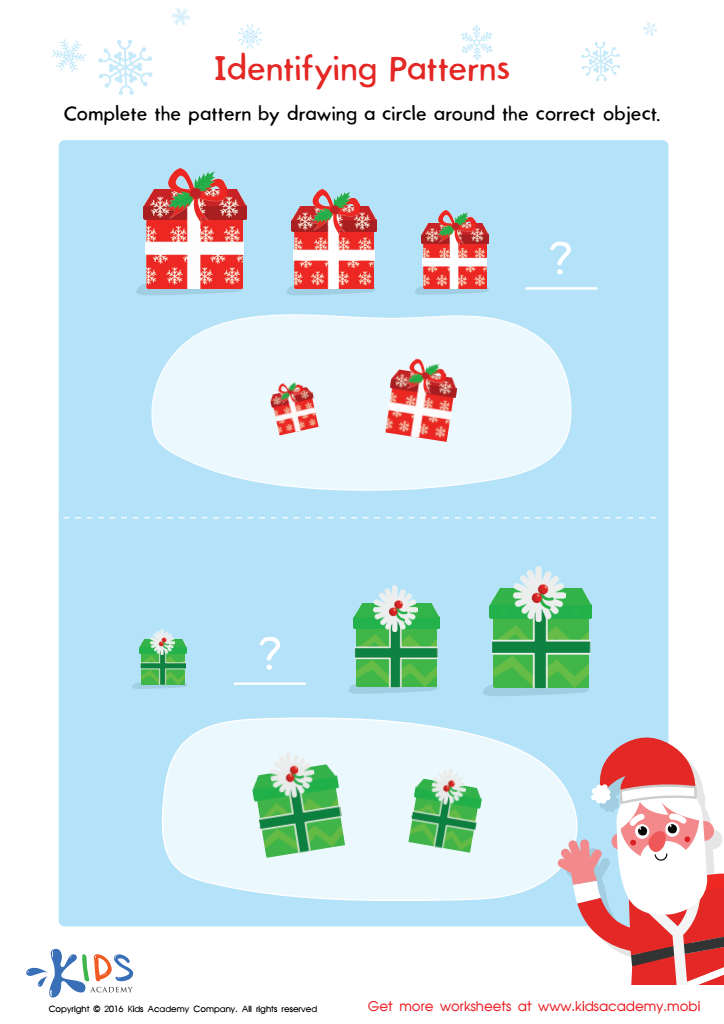
Identifying Patterns Worksheet







Pattern recognition is a critical cognitive skill that significantly impacts a child's development, which is why parents and teachers should prioritize Pattern Recognition Extra Challenge Matching for 4-year-olds. At this age, children's brains are rapidly growing, and engaging them in activities that cultivate pattern recognition strengthens their cognitive flexibility and problem-solving abilities. These skills form the foundation for learning more complex concepts in mathematics and science, promoting academic success later in life.
Additionally, pattern recognition helps enhance visual and spatial awareness. By identifying similarities, differences, and creating predictions based on observed patterns, children refine their observational skills and attention to detail, which are essential across various learning activities. For example, recognizing letter sequences and phonetic patterns considerably aids early reading and language development.
Furthermore, pattern recognition activities can be incredibly fun and engaging for young children, which fosters a positive attitude towards learning. They encourage curiosity and exploration, transforming education into an enjoyable discovery process.
Incorporating extra challenge matching games subsequently builds resilience and persistence, as children learn to tackle tougher tasks incrementally. These social-emotional skills contribute to overall personal development, enabling children to handle frustration gracefully and celebrating their problem-solving achievements with confidence. Therefore, incorporating pattern recognition challenges into early childhood education is key for nurturing well-rounded, capable, and enthusiastic young learners.