Cognitive Development Extra Challenge Math Worksheets for Ages 5-6 - Page 2
27 filtered results
-
From - To
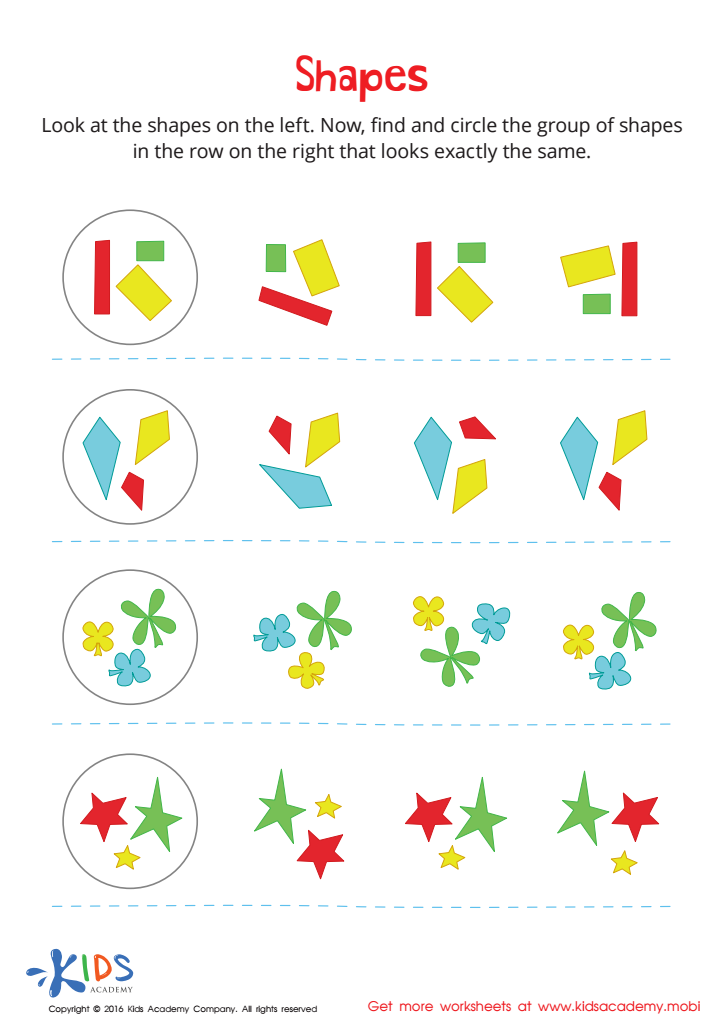
Shapes Worksheet
 Assign to My Students
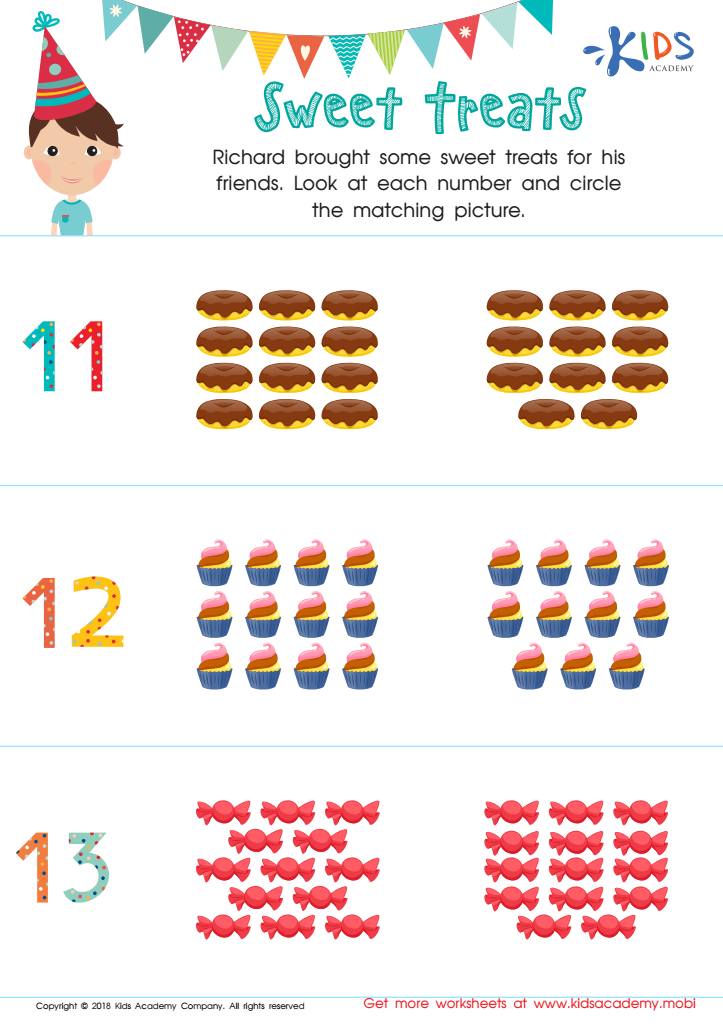
Kindergarten Math Worksheet Matching Numbers
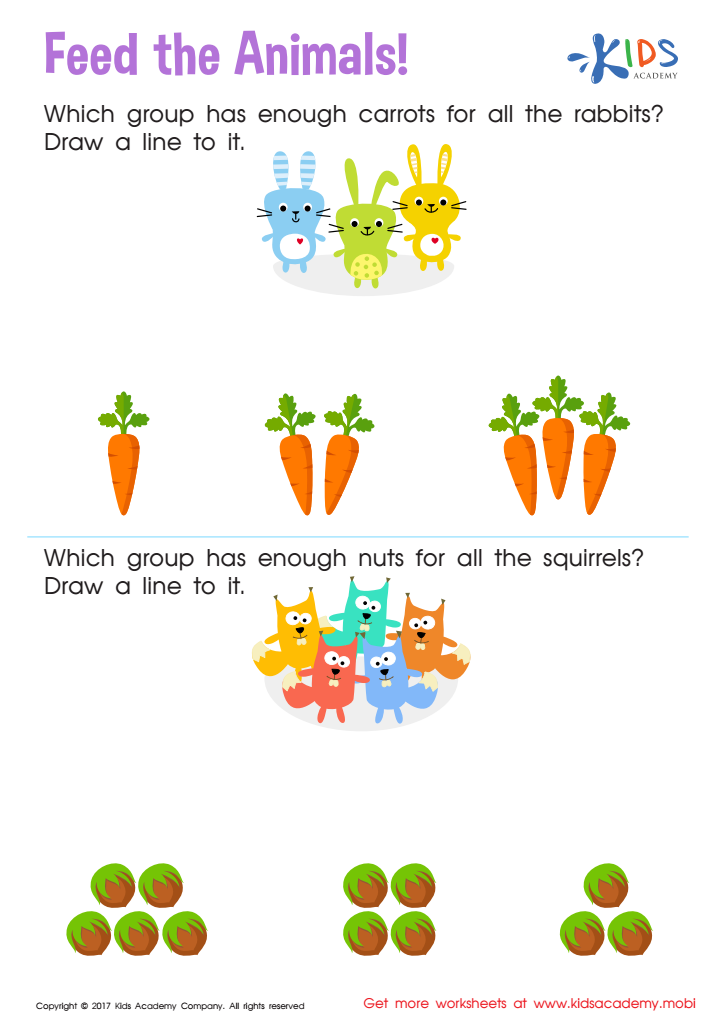
Count and Match: Feed the Animals Worksheet








Parents and teachers should care about Cognitive Development Extra Challenge Math for ages 5-6 because it serves as a crucial foundation for enhancing children's overall cognitive abilities and academic success. At this stage, young children's brains are highly adaptable and are in the prime period for developing critical thinking, problem-solving, and numerical reasoning skills, which are essential for future complex mathematical concepts.
Providing challenging math activities helps stimulate neural connections and builds a child's confidence in their abilities. When children tackle these challenges, they learn perseverance, how to approach problems from various angles, and how to think logically. These skills are not only vital for math; they are transferable and help in other academic areas and real-world scenarios.
Moreover, early exposure to challenging math enriches a child's learning experience and fosters a positive attitude toward mathematics. This early enthusiasm encourages continuous learning, helping children to become more persistent and resilient learners. When parents and teachers invest time and effort into challenging cognitive development in math, they create a supportive environment that promotes lifelong learning and academic excellence.
In conclusion, Cognitive Development Extra Challenge Math activities are instrumental in nurturing a child's cognitive growth, setting the stage for long-term educational success and equipping them with essential life skills.