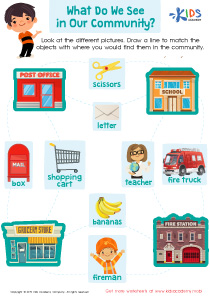
Hand-eye Coordination Extra Challenge Math Worksheets for Ages 5-6
8 filtered results
-
From - To
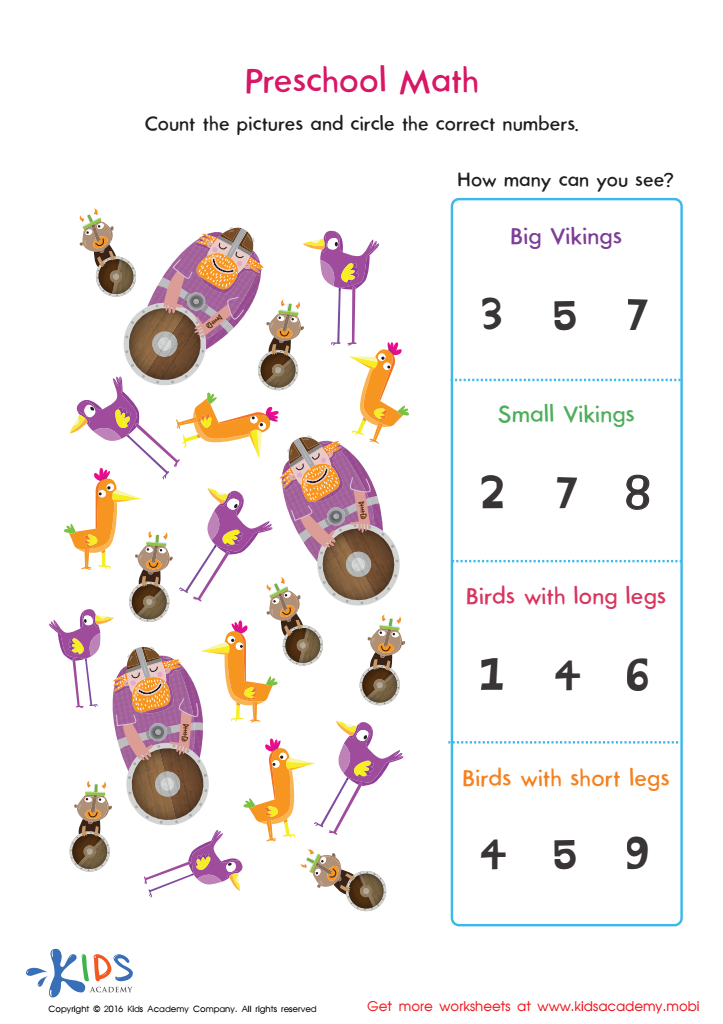
Enhance your child's hand-eye coordination with our engaging "Extra Challenge Math Worksheets" designed for ages 5-6! These worksheets combine essential math skills with fun activities that promote fine motor skills and coordination. Kids will tackle exercises such as counting, matching shapes, and solving simple equations while improving their dexterity and focus. Ideal for early learners, our worksheets provide a balanced approach to math education by integrating fun, interactive elements. Perfect for home or classroom use, these worksheets make learning an enjoyable adventure for young minds eager to develop both cognitive abilities and physical skills. Get ready to inspire creativity and confidence in mathematics!
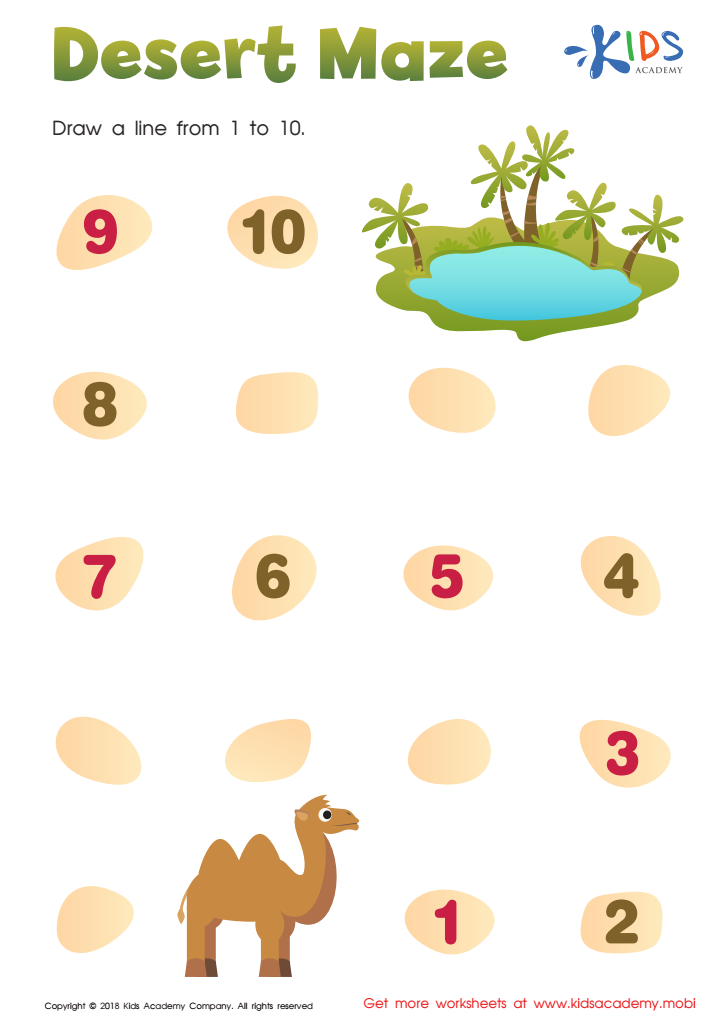
Desert Maze Worksheet
 Assign to My Students
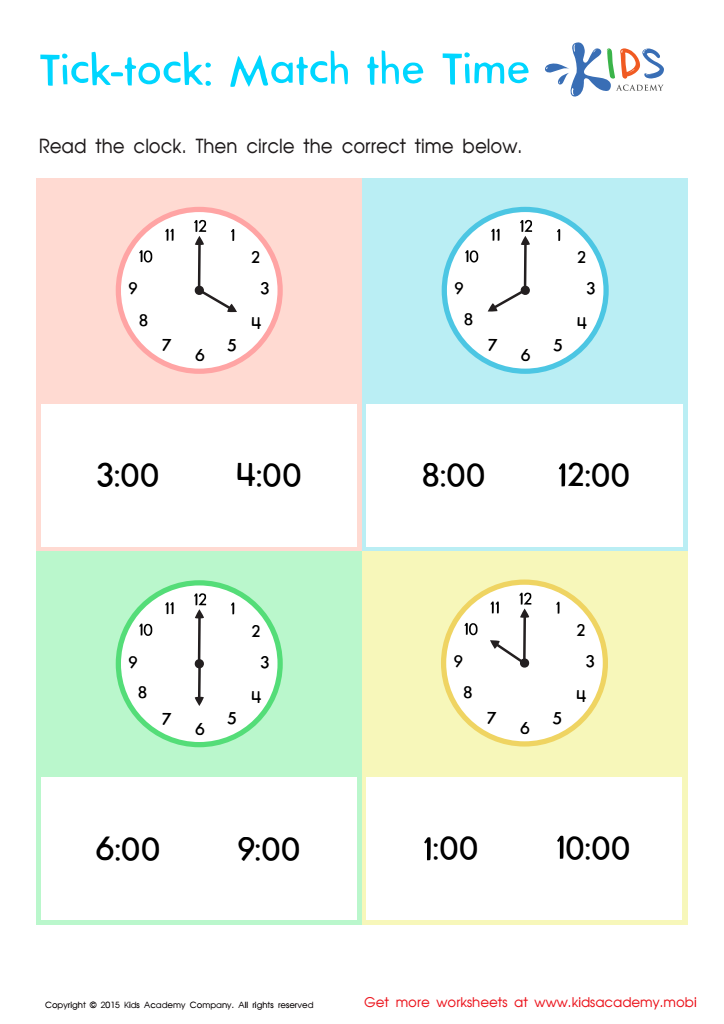
Telling The Time Worksheet: Part 4
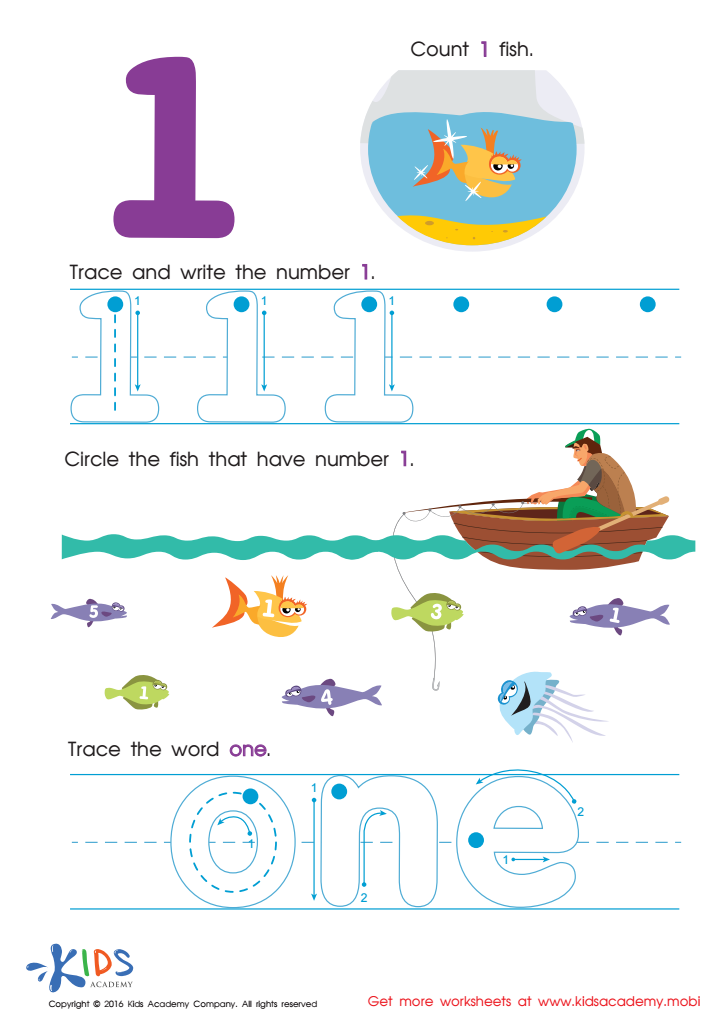
Learning to Write 1 Worksheet
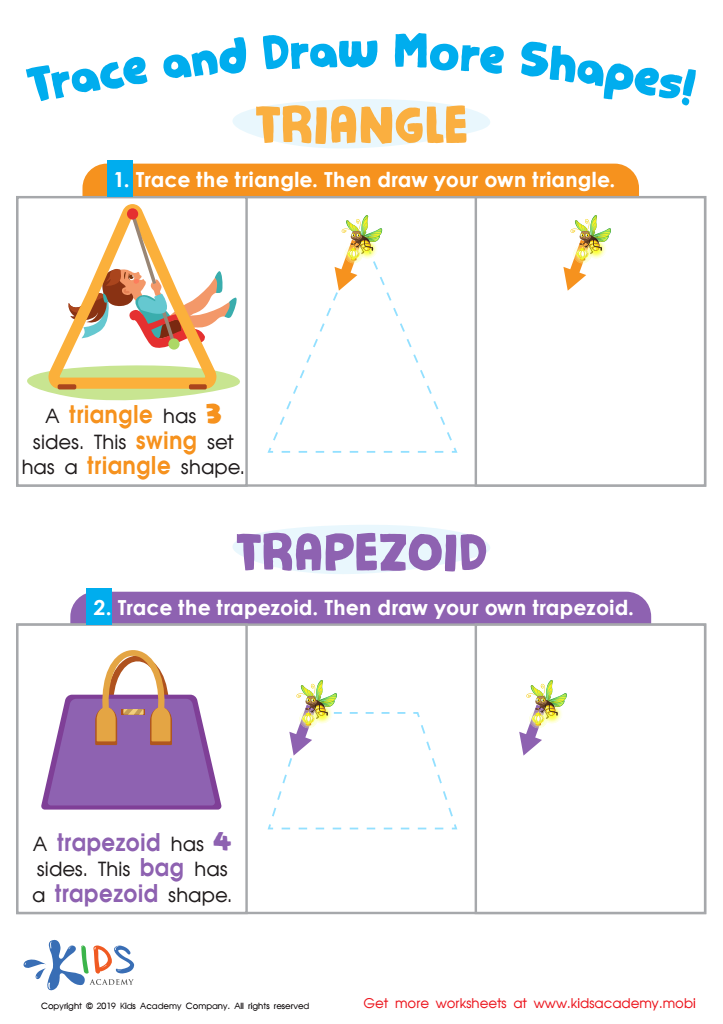
Trace and Draw More Shapes Worksheet
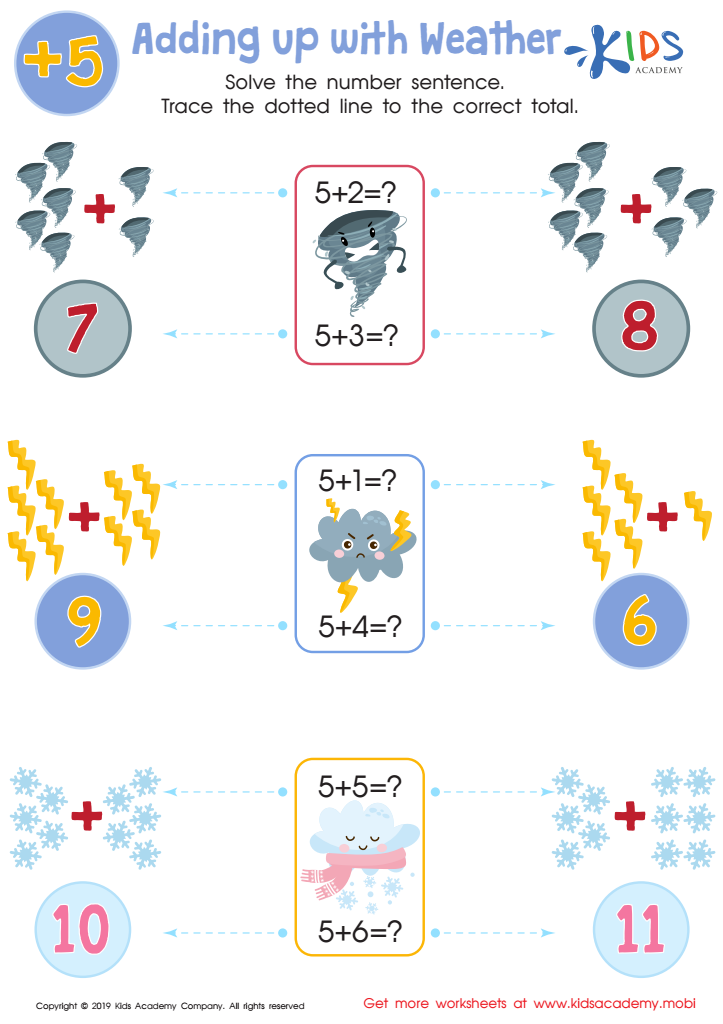
Adding up With Water Worksheet
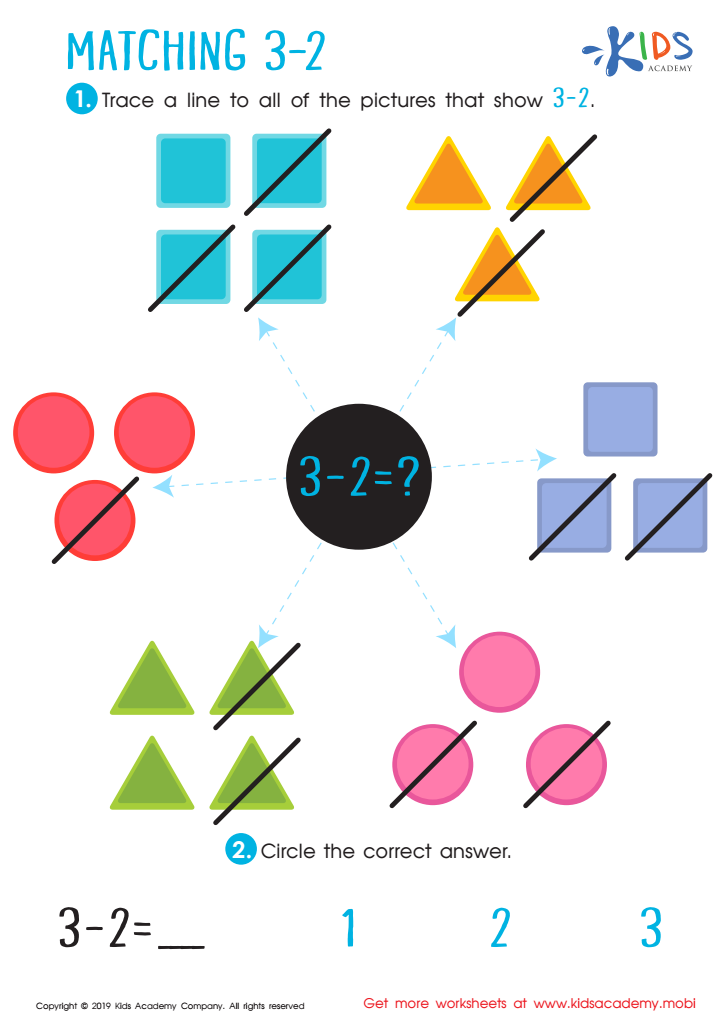
Matching 3-2 Worksheet
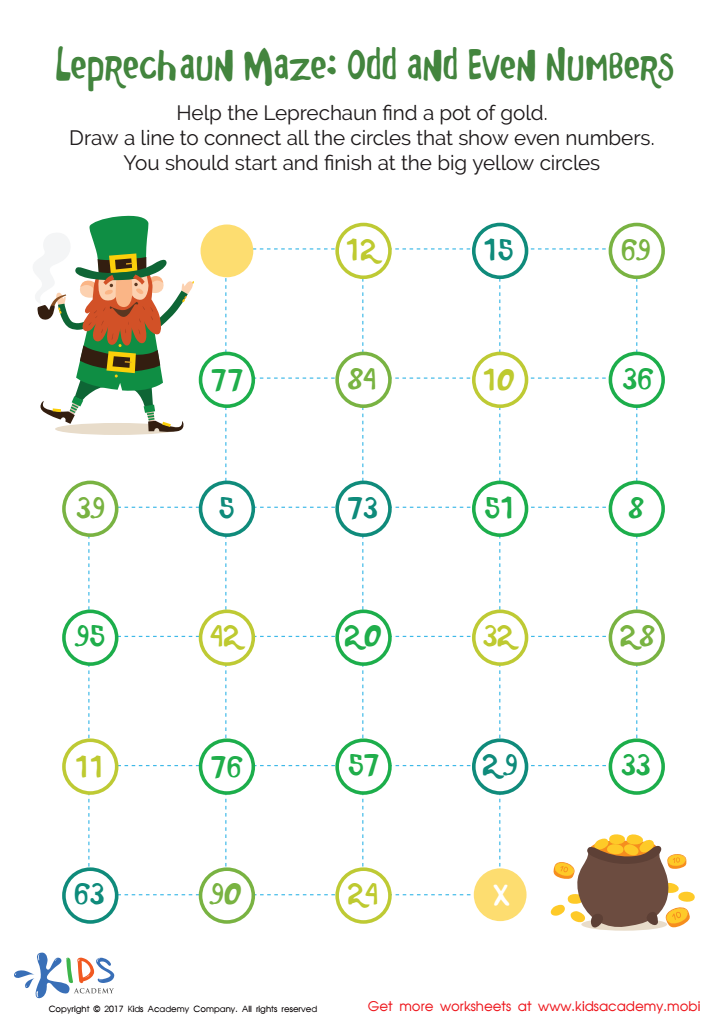
Leprechaun Maze Printable





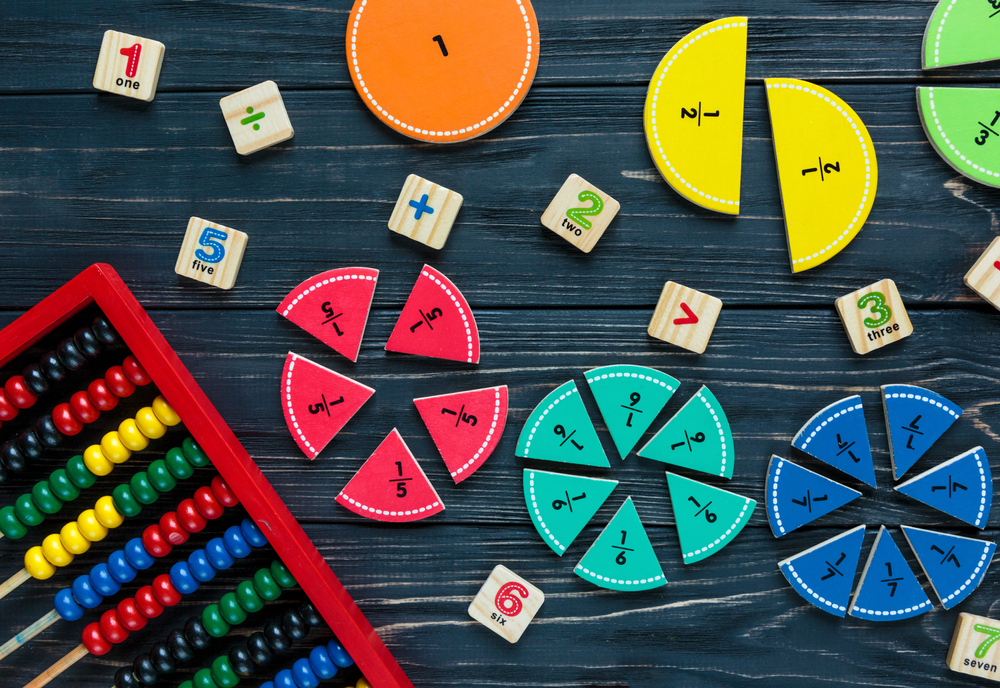

Hand-eye coordination is a vital skill that significantly impacts a child's overall development, particularly in academic settings. For children aged 5-6, a Math program incorporating hand-eye coordination activities can foster essential cognitive and motor abilities, which are crucial for lifelong learning. Engaging young learners through movement-based math activities promotes not only physical coordination but also aids in their ability to process and manipulate mathematical concepts.
By integrating hand-eye coordination into math learning, educators can make abstract concepts more tangible. For instance, using blocks or beads during counting activities helps children visualize quantities and reinforce fine motor skills simultaneously. This multi-sensory approach can lead to better retention of mathematical concepts as children connect physical actions with their learning.
Additionally, such programs can boost children's confidence and motivation to engage in more complex tasks. With improved coordination, children may also demonstrate increased concentration and focus during lessons. As parents or teachers, supporting the development of hand-eye coordination through math activities ensures that children are not only learning foundational skills but are also better equipped to tackle future academic challenges. This investment in their early education lays a strong groundwork for future success in math and beyond.