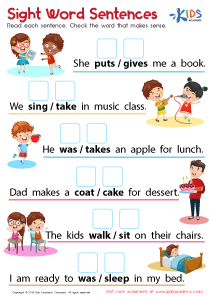
Extra Challenge Reading Non-Fiction Worksheets for Ages 5-6
6 filtered results
-
From - To
Explore our "Extra Challenge Reading Non-Fiction Worksheets" designed specifically for children aged 5-6! These engaging worksheets provide a perfect blend of education and fun, helping young learners develop critical reading skills while exploring fascinating non-fiction topics. Each activity is crafted to enhance comprehension, vocabulary, and factual understanding through vibrant illustrations and age-appropriate text. Ideal for enhancing classroom learning or at-home practice, our worksheets encourage curiosity and independent thinking. Parents and educators can easily download and print the materials, making reading an enjoyable and enriching experience. Dive into the world of knowledge with our innovative non-fiction reading challenges today!
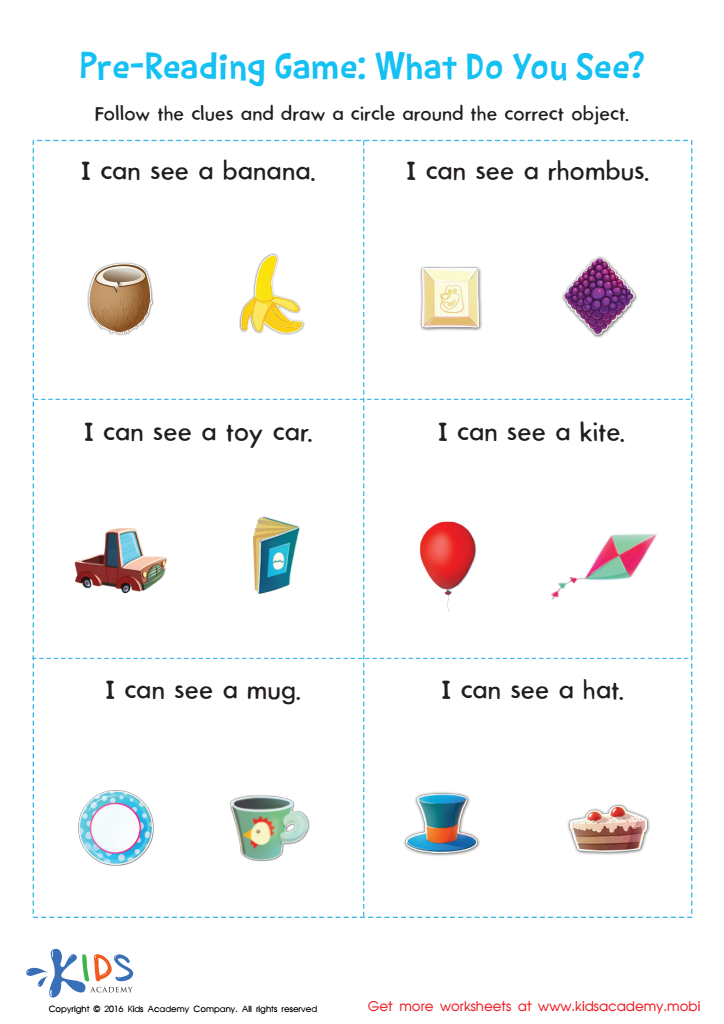
Pre–reading Worksheet: What Do You See?
 Assign to My Students
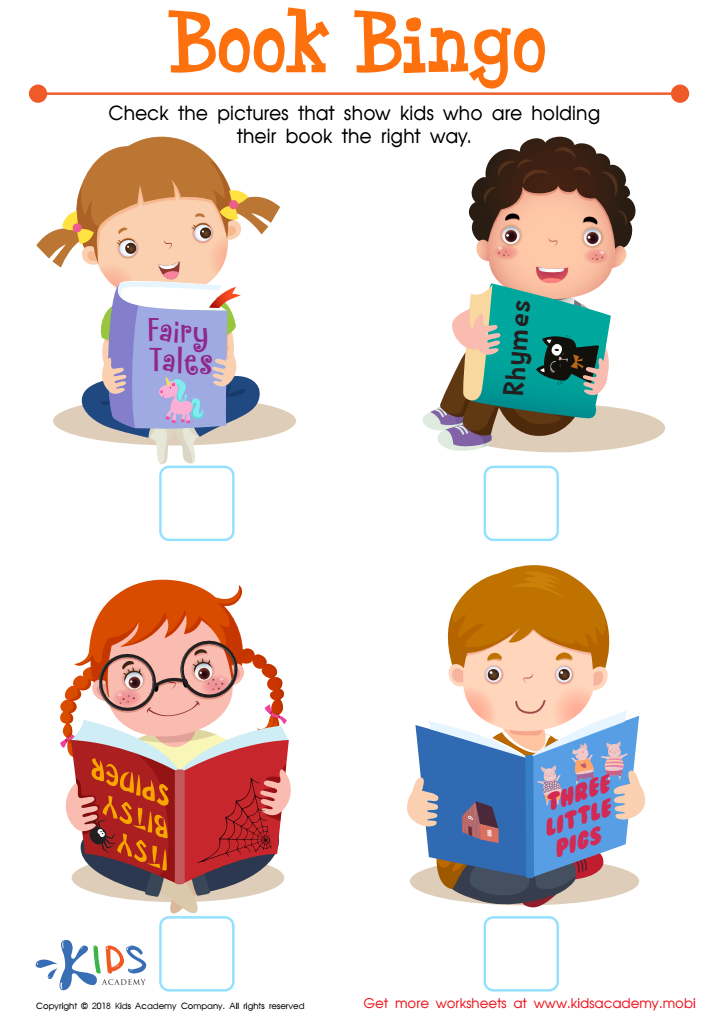
Book Bingo Worksheet
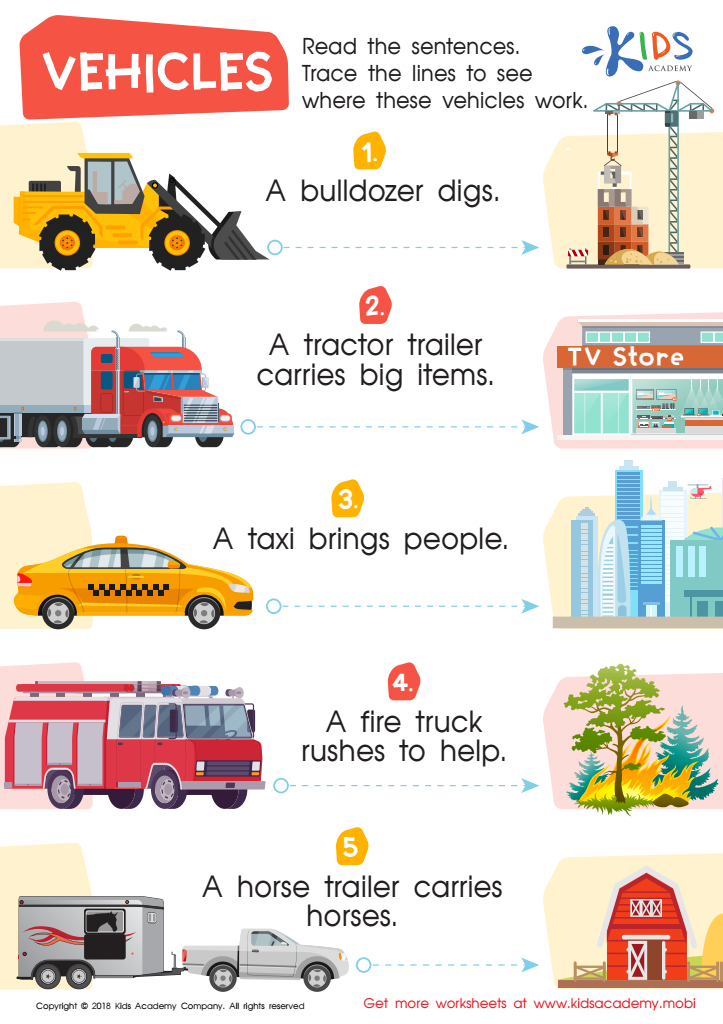
Vehicles Worksheet
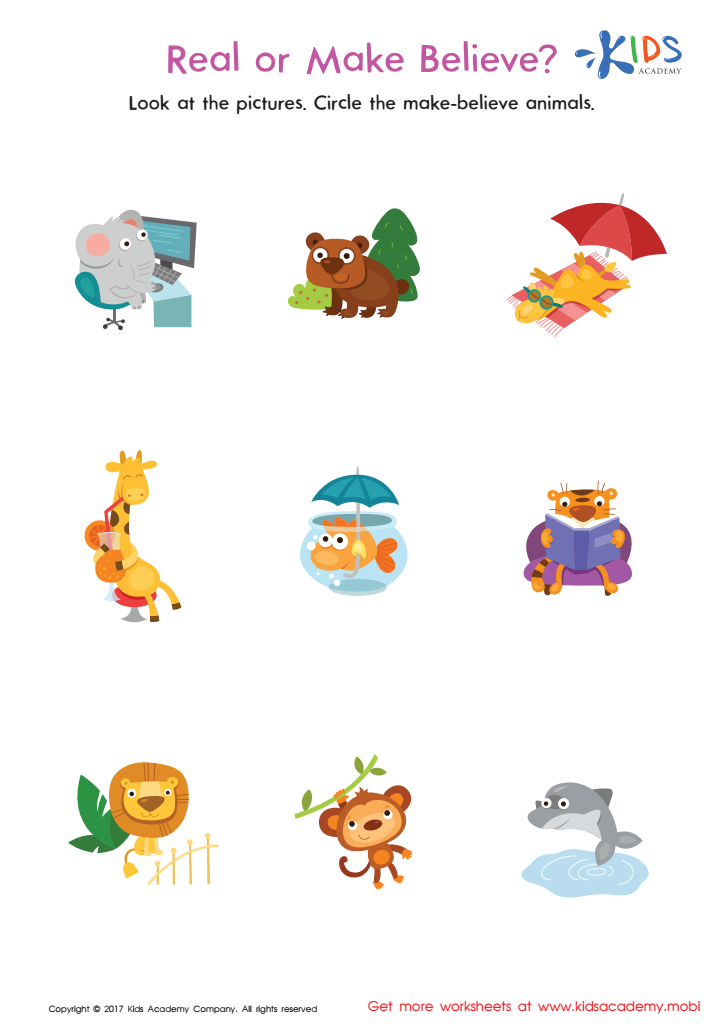
Fact or Make Believe Worksheet
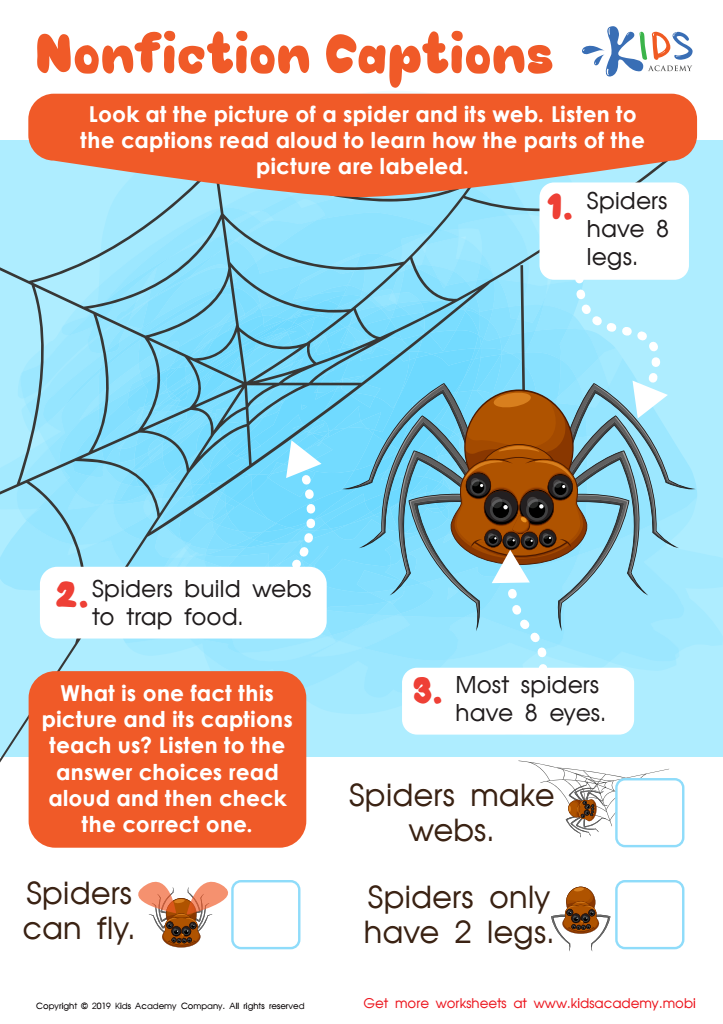
Nonfiction Captions Worksheet
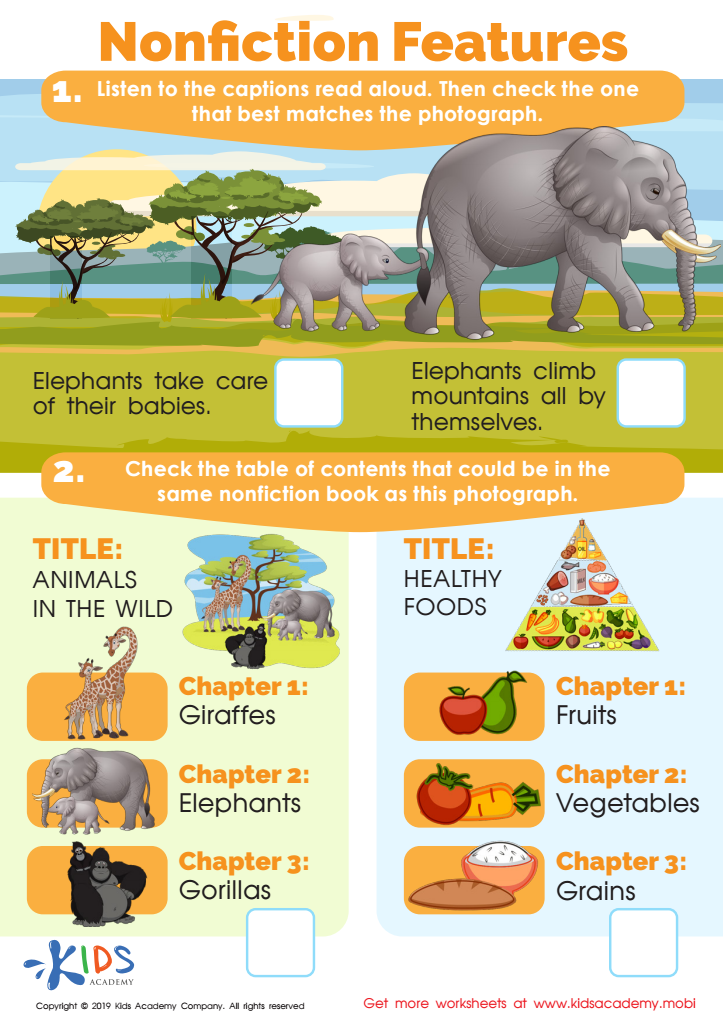
Nonfiction Features Worksheet








Extra Challenge Reading Non-Fiction for Ages 5-6 is vital for fostering early literacy and cognitive skills among young learners. At this age, children are naturally curious, and introducing them to non-fiction materials helps satiate that curiosity, allowing them to explore real-world concepts, diverse cultures, and scientific principles. These texts expose children to a wider range of vocabulary, which boosts language development and comprehension skills.
Moreover, reading non-fiction encourages critical thinking and promotes inquiry-based learning. As children encounter various facts and viewpoints, they learn to ask questions and seek answers, enhancing their analytical skills. This foundational learning style can shape their educational journey and inspire a lifelong love for learning.
Furthermore, engaging with non-fiction can help children make connections between what they read and their own experiences, fostering empathy and global awareness. For parents and teachers, guiding children through this critical phase can ignite a passion for reading and knowledge, laying the groundwork for academic success in future subjects. By investing time in extra challenge reading, adults can support children's development, excite their imaginations, and prepare them for a more complex world. Ultimately, nurturing these skills at an early age is essential for well-rounded growth.