Fine Motor Skills Extra Challenge ABC Letters Worksheets for Ages 5-7
7 filtered results
-
From - To
Enhance your child's fine motor skills with our "Fine Motor Skills Extra Challenge ABC Letters Worksheets" designed specifically for ages 5-7. These engaging worksheets combine fun and learning by incorporating tracing, coloring, and cutting activities that foster hand-eye coordination and dexterity. As children work through various challenges associated with each letter of the alphabet, they'll not only strengthen their handwriting abilities but also gain confidence in their motor skills. Perfect for at-home learning or supplemental activity in the classroom, these worksheets provide an enjoyable way to promote essential skills while reinforcing letter recognition and sound. Download now for an educational adventure!
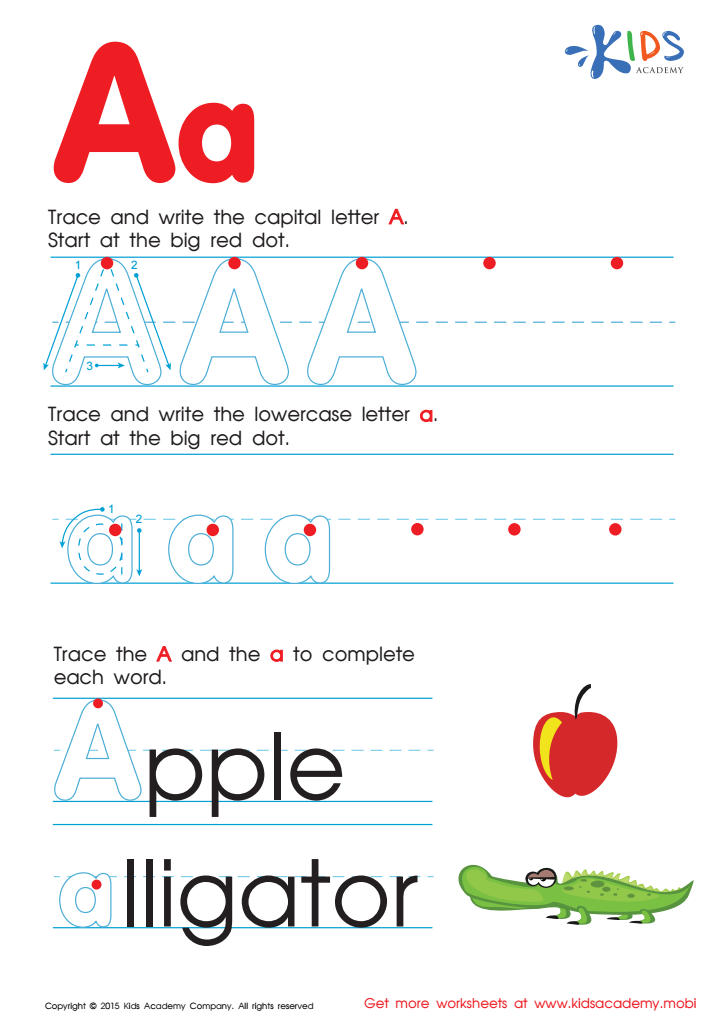
Letter A Tracing Page
 Assign to My Students











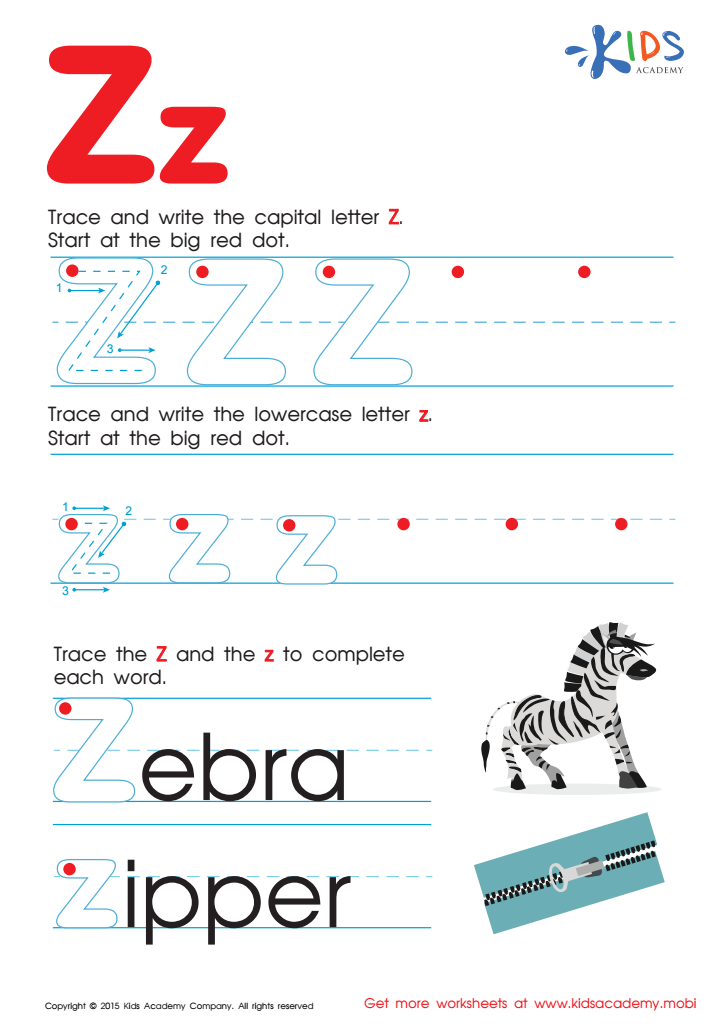
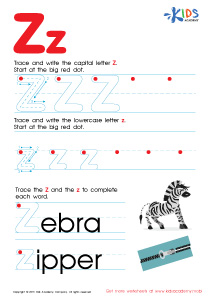
Letter Z Tracing Page
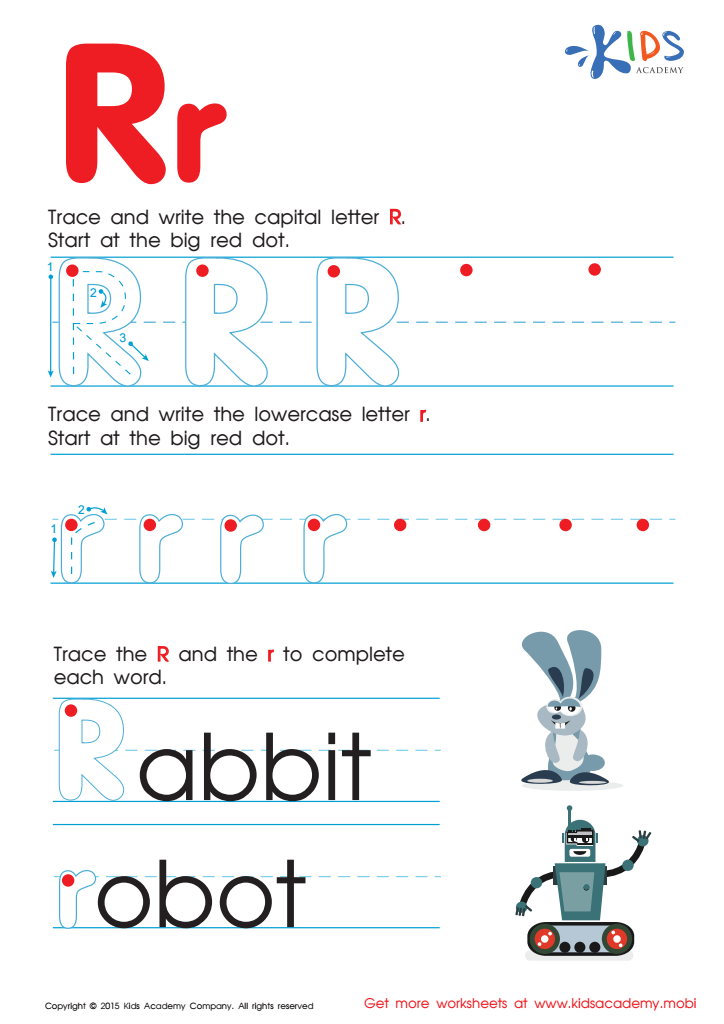
Letter R Tracing Page
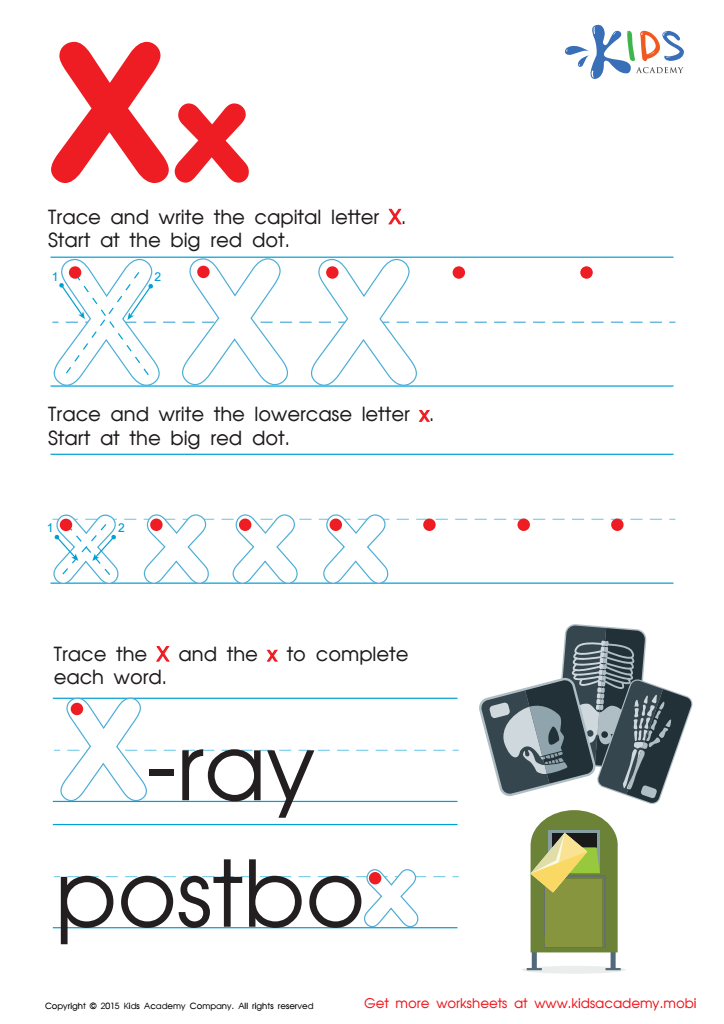
Letter X Tracing Page
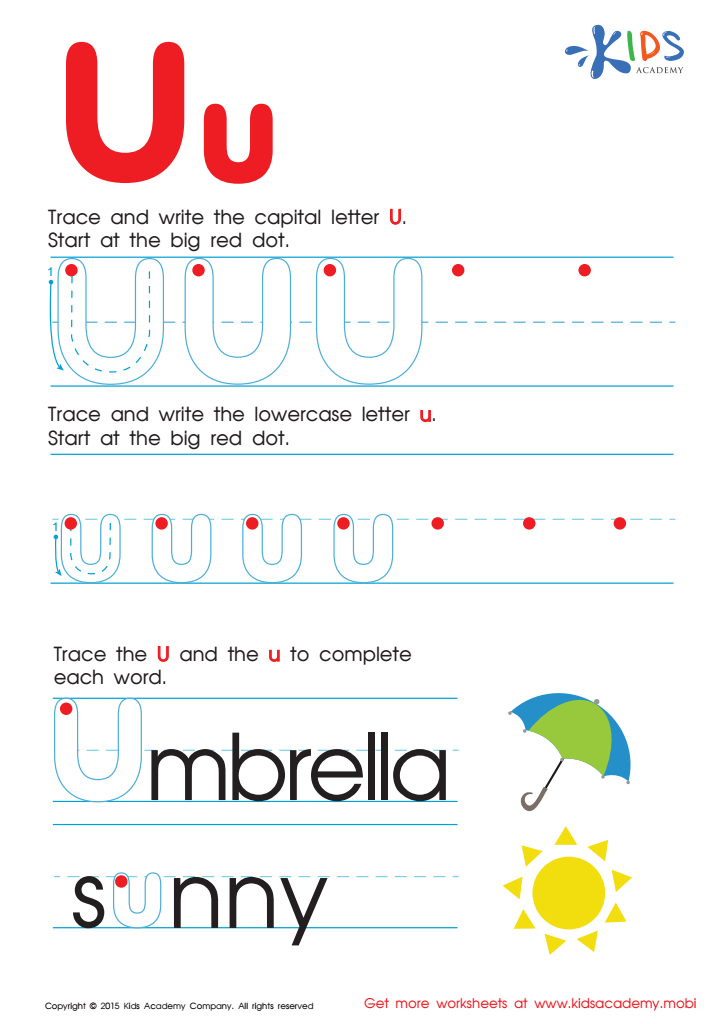
Letter U Tracing Page
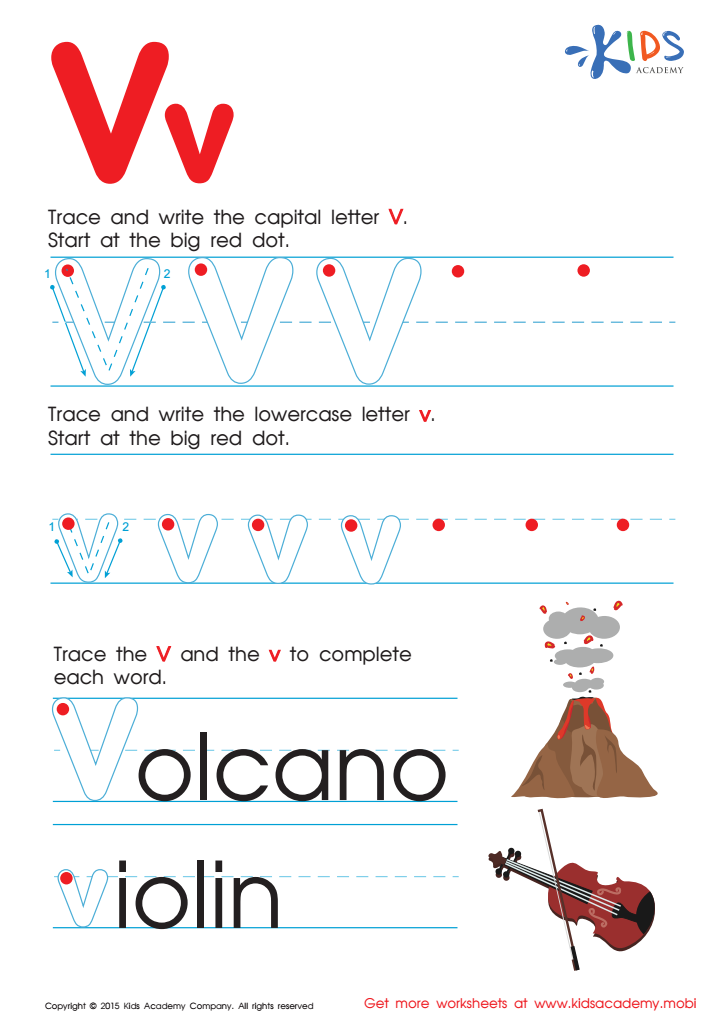
Letter V Tracing Page
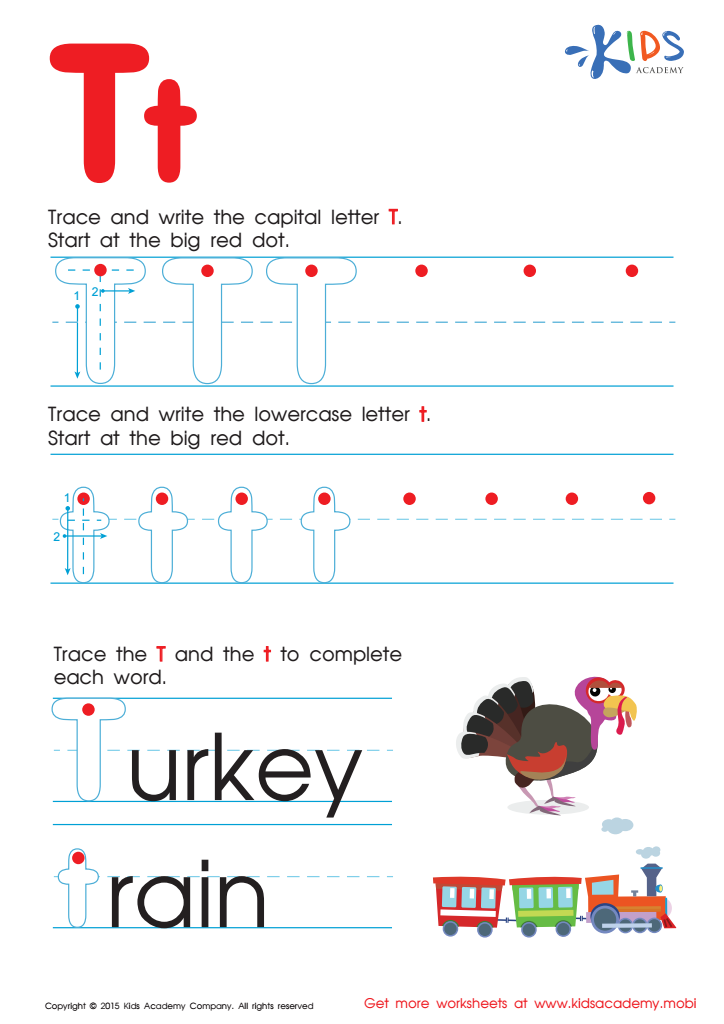
Letter T Tracing Page







Fine motor skills are crucial for children's overall development, particularly for those aged 5-7, as they lay the foundation for essential tasks like writing, drawing, and self-care. The "Fine Motor Skills Extra Challenge ABC Letters" program provides engaging activities that not only enhance hand-eye coordination and dexterity but also foster a sense of accomplishment in young learners. By focusing on letter formation and recognition through tactile experiences, children consolidate their understanding of the alphabet while developing their writing capabilities.
Parents and teachers should care about this initiative because strengthening fine motor skills can significantly impact a child's academic and social success. Proficient fine motor skills improve classroom performance, boost self-confidence, and encourage creativity. Additionally, incorporating play-based learning within these challenges makes skill acquisition enjoyable, turning practice into a fun, interactive experience.
Ultimately, supporting children in developing fine motor skills through targeted activities prepares them for everyday challenges, including crafting, problem-solving, and written communication. This foundational aspect of education is vital for fostering lifelong learning, motor coordination, and independence, making it imperative for parents and educators to prioritize fine motor skill development during these formative years.