Listening skills Extra Challenge Phonics Worksheets for Ages 5-7
3 filtered results
-
From - To
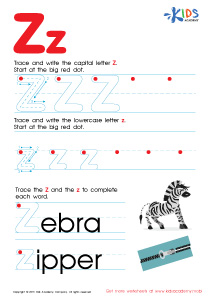
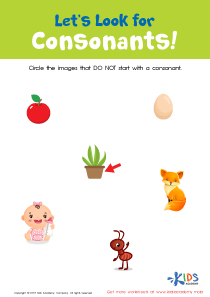
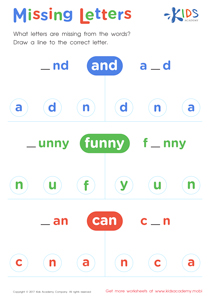
Enhance your child's phonics learning with our "Listening Skills Extra Challenge Phonics Worksheets" designed specifically for ages 5-7. These engaging worksheets aim to develop critical listening skills essential for phonetic recognition and early literacy. Each task encourages children to listen attentively, identify sounds, and associate them with letters and words. Perfect for both classroom and home learning, these worksheets provide a fun and interactive way for young learners to reinforce their phonics knowledge. Challenge your child's auditory skills while fostering a love for reading and learning! Download now and watch them thrive in their phonics journey!
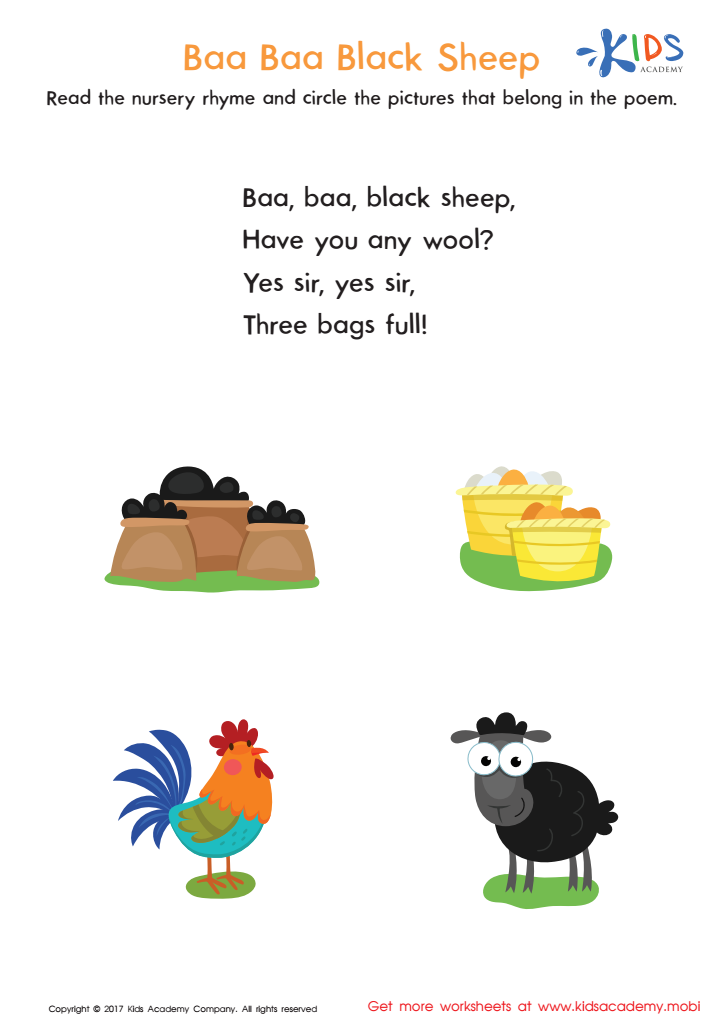
Baa Baa Black Sheep Printable
 Assign to My Students
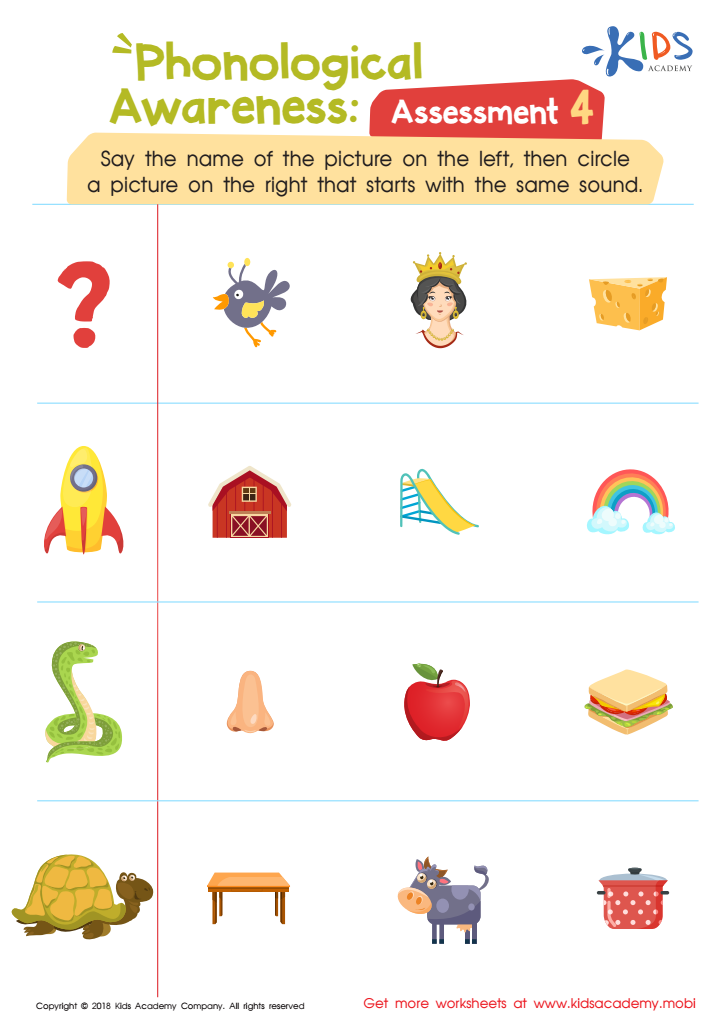
Phonological Awareness: Assessment 4 Worksheet
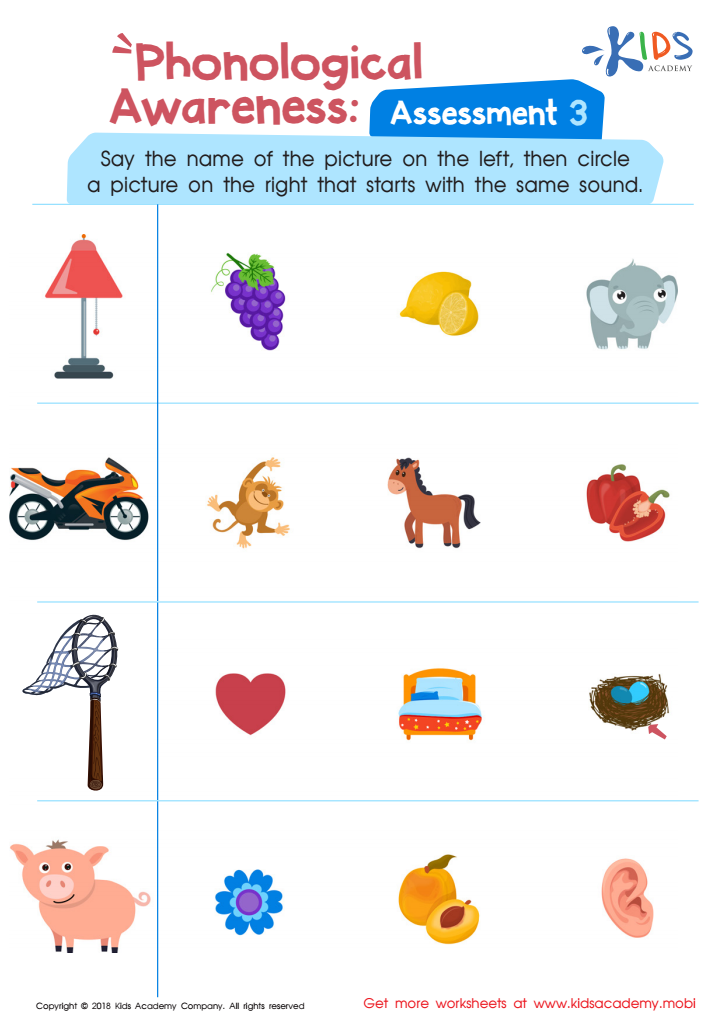
Phonological Awareness: Assessment 3 Worksheet








Listening skills are crucial for children aged 5-7, as these foundational abilities significantly influence their language development, comprehension, and overall academic success. "Listening Skills Extra Challenge Phonics" provides an engaging framework specifically designed to enhance these listening abilities in young learners.
Effective listening enables children to understand instructions, nurture comprehension of stories, and decode phonetics, which are essential elements for reading. As phonics is intrinsically linked to early literacy, enhancing listening skills can lead to better recognition of sounds and letters, promoting stronger reading skills. Teachers and parents should care about this program since children who master listening skills often display improved confidence and participation in classroom activities.
Moreover, attentive listening fosters social-emotional development by helping children engage with peers and understand social cues during conversations. Programs that focus on interactive listening activities stimulate cognitive growth and problem-solving skills. Ultimately, prioritizing listening skills through resources like "Listening Skills Extra Challenge Phonics" empowers children with tools to communicate effectively and flourish in their educational journey and beyond. Investing time in these foundational skills today can lead to lasting benefits for their future learning and interpersonal interactions.