Attention to Detail Extra Challenge Worksheets for Ages 5-7
6 filtered results
-
From - To
Boost your child's focus and observational skills with our "Attention to Detail Extra Challenge Worksheets" designed for ages 5-7! These engaging and stimulating worksheets are perfect for young learners ready to take their attention skills to the next level. Each activity encourages children to carefully observe and differentiate between subtle differences, enhancing critical thinking and concentration. Ideal for homeschoolers or supplementary learning in the classroom, our worksheets cater to various learning styles while making education fun. Watch your child thrive as they tackle challenges that promote attention to detail and build essential cognitive skills. Explore the fun today!
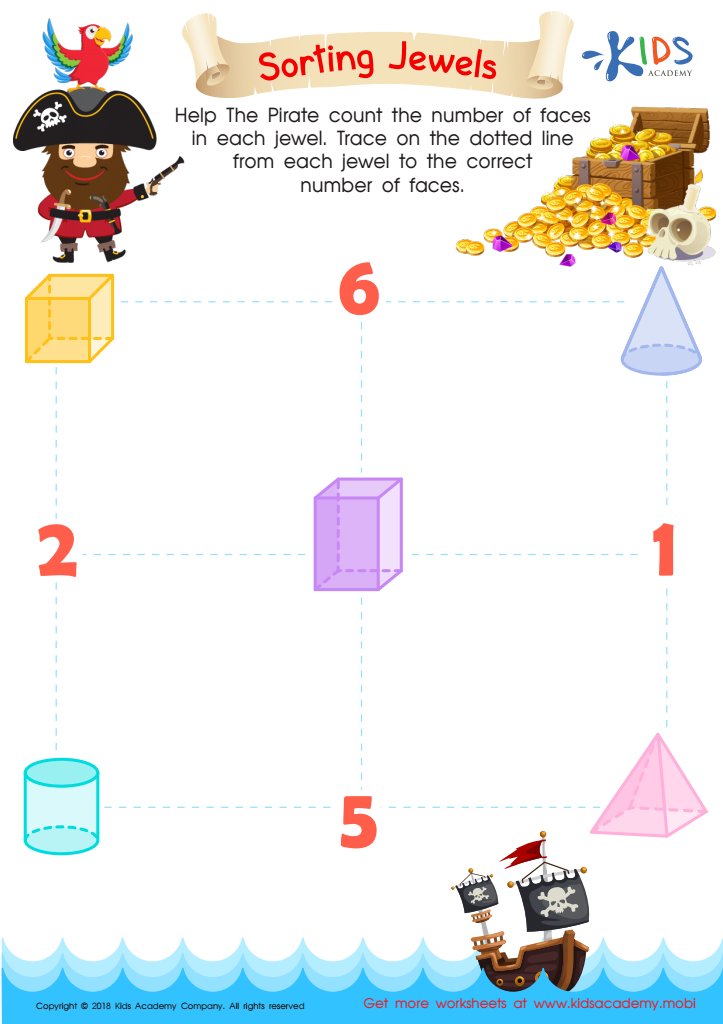
Sorting Jewels Worksheet
 Assign to My Students
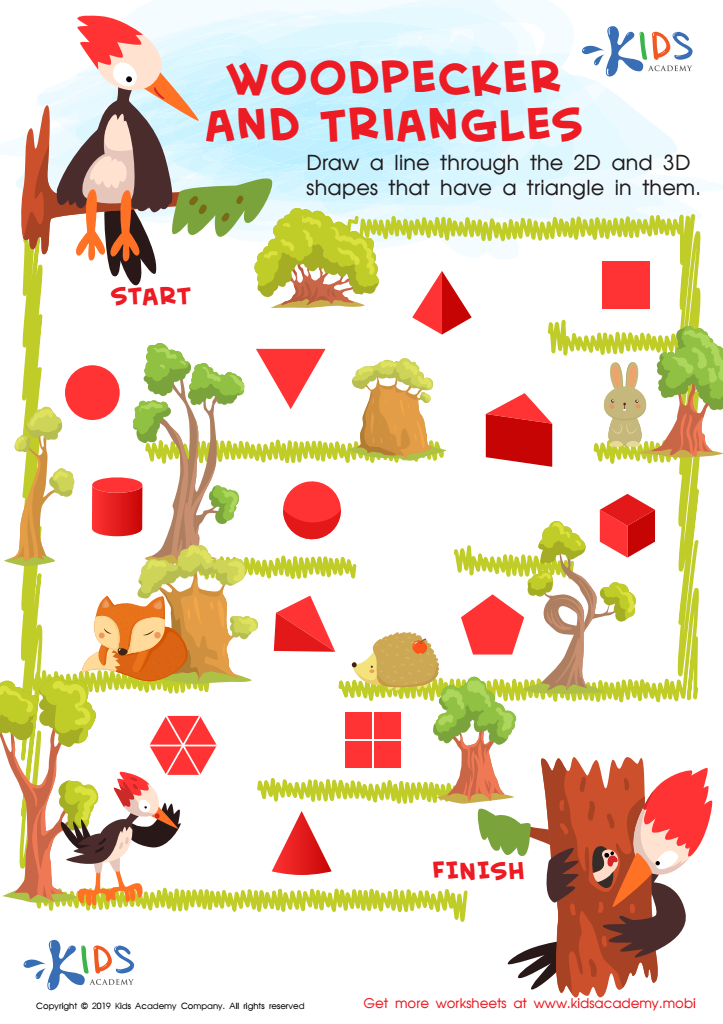
Woodpecker and Triangles Worksheet
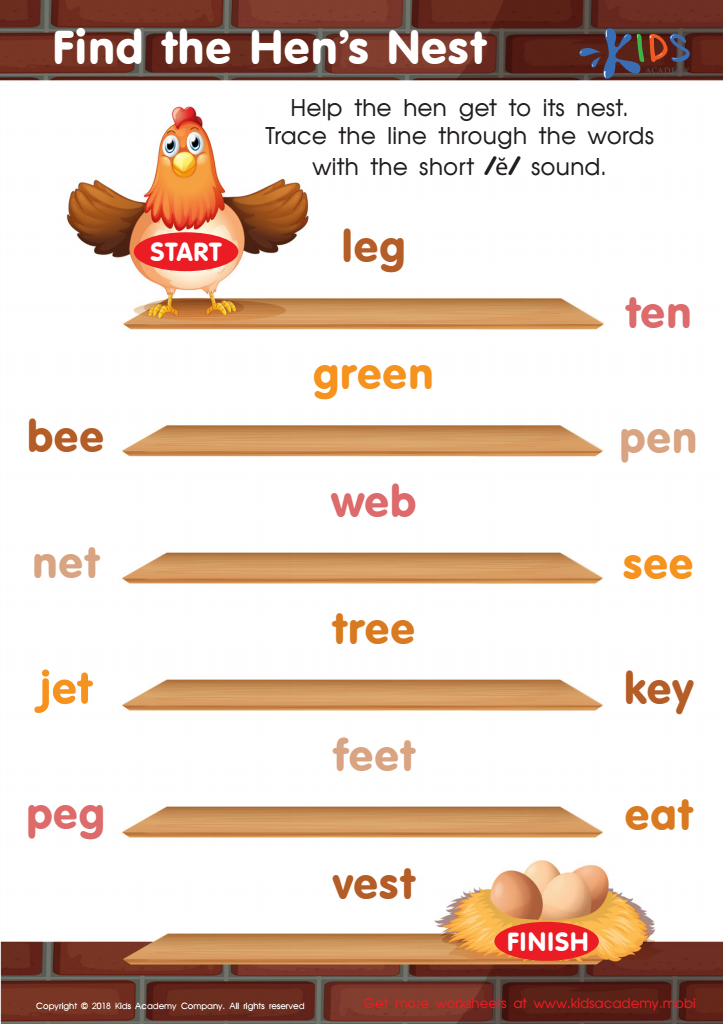
Find Hens Nest Reading Worksheet
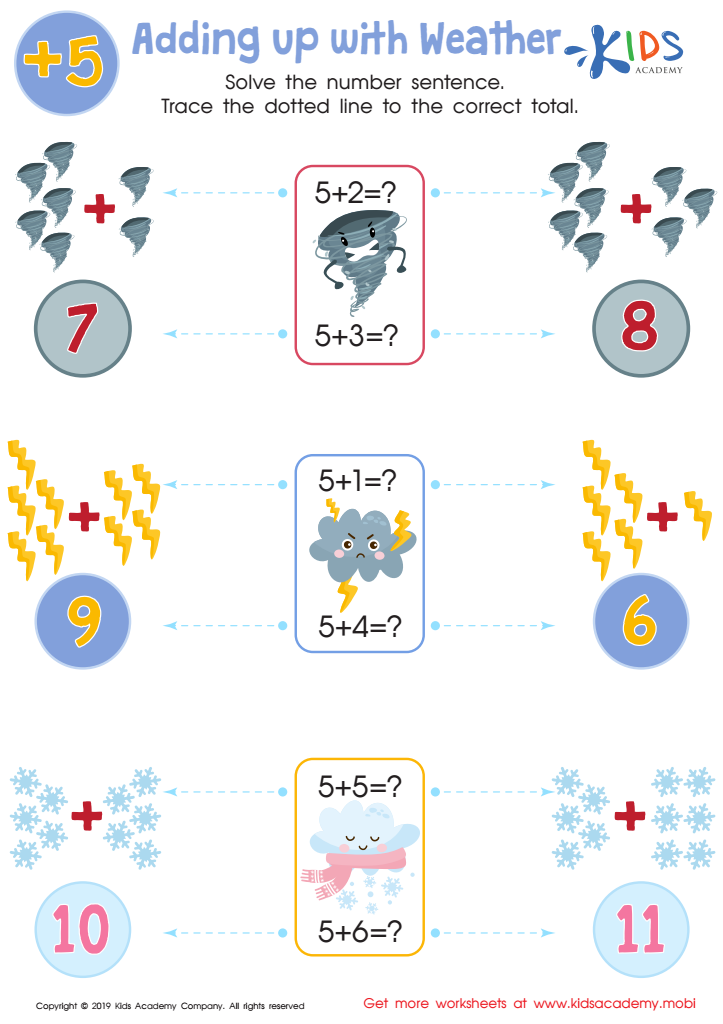
Adding up With Water Worksheet
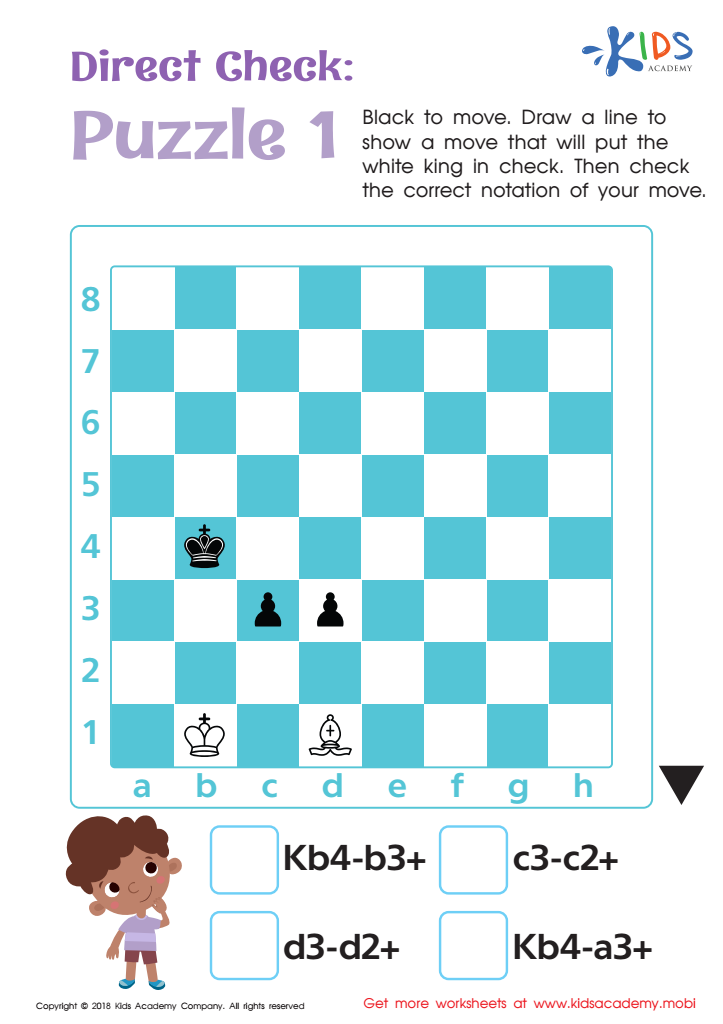
Direct Check: Puzzle 1 Worksheet
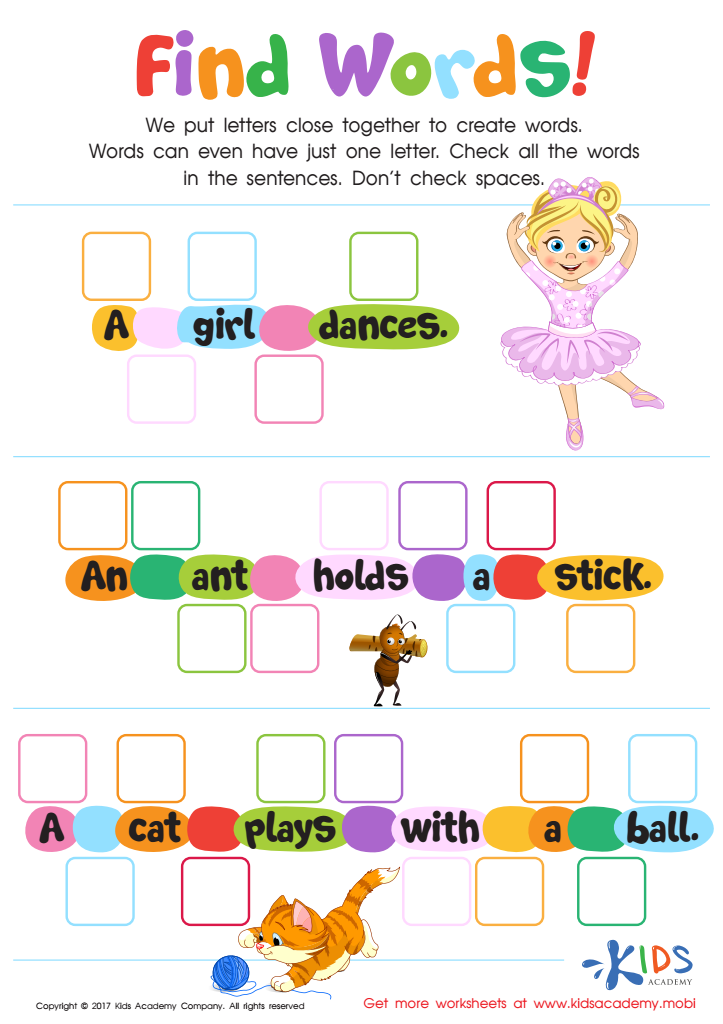
Find Words Worksheet







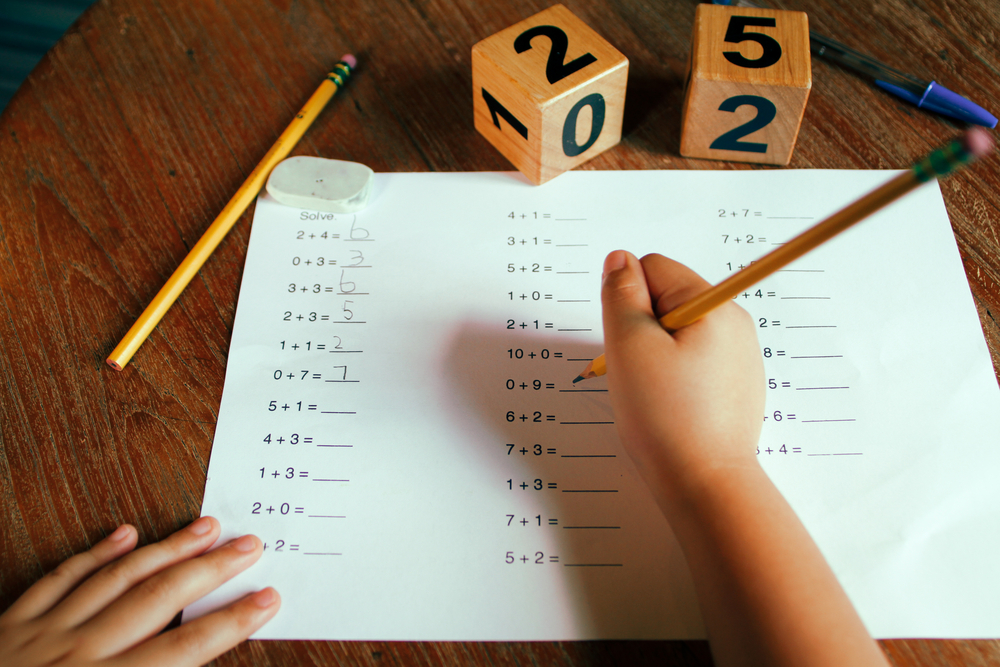
Attention to Detail Extra Challenge for ages 5-7 is crucial for early childhood development, influencing various aspects of learning and critical thinking. Parents and teachers should prioritize this skill as it helps young children enhance their observation abilities, ensuring they notice subtle details in their environment, tasks, and social interactions. This foundational skill supports cognitive development, allowing children to analyze information more thoroughly, which is essential for problem-solving and creativity.
In activities that require attention to detail, children improve their focus and concentration, which can counterbalance the distractions prevalent in today’s fast-paced world. Furthermore, mastering this skill cultivates a sense of pride and achievement in completing tasks correctly, boosting their confidence and self-esteem.
Early exposure to detail-oriented tasks fosters curiosity and encourages children to ask questions, leading to a stronger engagement with learning. When parents and teachers actively promote attention to detail, they equip children with tools essential for future academic success, from reading comprehension to math problem-solving. Ultimately, an early focus on this skill can instill lifelong habits of mindfulness and thoroughness, benefiting children's personal and academic journeys well beyond their formative years.








